

 プレビュー
プレビュー
 シェアする
シェアする シェアする
シェアする
 詳細を見る
詳細を見る

 ダウンロード
 似ている作品
 X線調査
X線調査 スライドショー
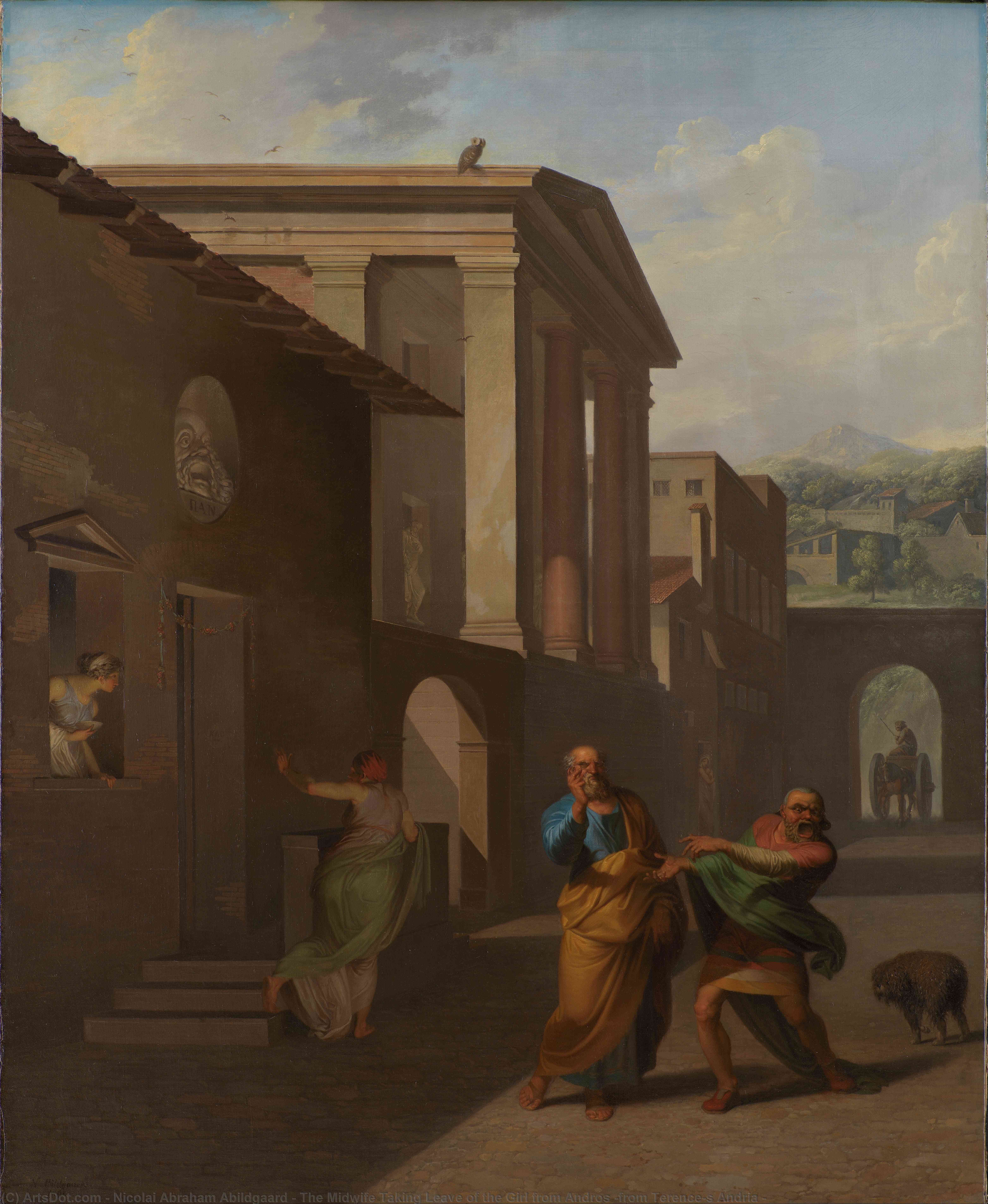
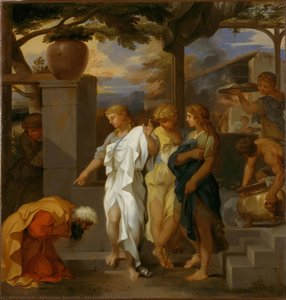
The Midwife Taking Leave of the Girl from Andros (from Terence's Andria )


 詳細を見る
詳細を見る
ジークレー/アートプリント
迅速な制作と多彩な仕上げオプションを備えた、ミュージアムクオリティのジークレーまたはキャンバスプリント。 ( 手描きの絵画を購入 画像を購入)




P118B $10

P118H $10

P118W $10

P438Z $10

P508JH $12

P508YH $12

P805H $10

P805Z $10

P919BZ $10

P919G $10

P919XJ $10

P959ZH $10

P968JZ $12

W106C $8

W218G $10

W218JH $8

W218Y $10

W307PJ $10

W316G $10

W316PJ $8

W316Y $10

W398PJ $8

W4111J $10

W500HY $15

W500JH $15

W692G $12

W849H $8

W940BG $15

W953PJ $8




作品のオリジナル比率に合わせた、当店の規定サイズからお選びください。

特定のフレームやスペースに合わせて、ご自身でサイズを指定することも可能です。選択されたサイズが元の画像の比率と一致しない場合、作品をトリミングするか、鏡面反射または単色での塗りつぶしによって画像を拡張いたします。制作を開始する前に、ご確認用のデジタルモックアップをお送りいたします。
画面上のプレビューには、実際のトリミングや拡張は反映されませんのでご注意ください。最終的な構図を正確に確認できるのは、モックアップのみとなります。
カスタムサイズも承っておりますが、元の比率を維持するためには、あらかじめ用意されたリストからサイズを選択することをお勧めいたします。


 ガラスオプションは、110cm未満のサイズでのみご利用いただけます。

The Midwife Taking Leave of the Girl from Andros (from Terence's Andria )
ジークレー/アートプリント
複製画のサイズ
-


合計金額
$ 62
A Dramatic Echo of Roman Life: Nicolai Abildgaard’s “The Midwife Taking Leave”
Nicolai Abraham Abildgaard's "The Midwife Taking Leave of the Girl from Andros," painted in 1801, is more than just a depiction of a scene from Terence’s Roman comedy; it’s a meticulously crafted tableau brimming with theatrical drama, classical allusion, and a subtle yet potent exploration of human emotion. This monumental oil painting transports the viewer to a bustling corner of ancient Rome, capturing a fleeting moment of farewell and hinting at unspoken narratives within a complex social tapestry. Abildgaard, a pivotal figure in Danish art history, masterfully blends elements of Neoclassicism with Romantic sensibilities, creating an artwork that resonates powerfully even today.
The scene unfolds within a grand architectural setting – likely a Roman atrium or courtyard – dominated by imposing columns and arches. A midwife, her face etched with a mixture of sorrow and determination, stands poised to depart, leaving behind a young girl who appears heartbroken. A man, presumably the girl’s father, is being carried away by attendants, his expression conveying a blend of grief and resignation. Another figure, seemingly an observer or perhaps a witness to this poignant exchange, watches from the background, adding another layer of intrigue to the composition. A dog, a common symbol in Roman art, completes the group, its presence suggesting loyalty and companionship amidst the unfolding drama.
Baroque Drama and Neoclassical Precision
Abildgaard’s style is immediately recognizable as Baroque, yet tempered with the precision and clarity of Neoclassicism. The painting's dynamism is evident in the figures’ gestures – the midwife’s emphatic farewell, the father’s slumped posture, and the observer’s watchful gaze. Strong contrasts of light and shadow, a hallmark of chiaroscuro, dramatically illuminate key elements, drawing attention to the central figures and emphasizing the theatricality of the scene. The meticulous rendering of textures—the folds of fabric, the rough stone of the architecture, and the delicate skin of the characters—demonstrates Abildgaard’s technical skill and his commitment to realism.
Despite its Baroque flair, the composition adheres to Neoclassical principles of linear perspective, creating a sense of depth and spatial coherence. The receding architectural elements guide the viewer's eye through the scene, while atmospheric haze in the background subtly softens the distance. This careful balance between dramatic intensity and controlled structure is characteristic of Abildgaard’s artistic approach.
Symbolism and Narrative Resonance
Beyond its surface narrative, “The Midwife Taking Leave” is rich in symbolic meaning. The departure of the midwife represents not just a simple farewell but also a transition – perhaps to a new life or a difficult journey. The girl’s sorrow speaks volumes about familial bonds and the pain of separation. The father's resignation suggests acceptance of fate, while the observer embodies contemplation and perhaps even regret. The inclusion of the dog adds an element of loyalty and companionship, reminding us that even in moments of sadness, connection endures.
Furthermore, the painting’s roots lie firmly within classical literature. The title itself refers to a scene from Terence's Andria, a comedy exploring themes of love, loss, and social customs. By depicting this specific moment, Abildgaard invites viewers to engage with the play’s underlying narrative and consider its timeless themes.
A Legacy in Oil and Canvas
Created using oil paints on canvas, “The Midwife Taking Leave” showcases Abildgaard's mastery of color and texture. The muted earth tones—browns, beiges, and grays—evoke the atmosphere of ancient Rome, while subtle variations within these hues create a sense of realism and depth. The painting’s scale – unknown but substantial – further enhances its dramatic impact, immersing the viewer in the scene's emotional intensity. Today, reproductions of this captivating artwork continue to inspire appreciation for Abildgaard’s artistic vision and his ability to capture the essence of human experience within a timeless historical setting.
関連作品

アーティストの略歴
初期の生活と芸術的基盤
ニコライ・アブラハム・アビルドガードは、1743年9月11日にコペンハーゲンで生まれ、芸術と学問の世界に深く根ざした家庭に育ちました。彼の父であるソレン・アビルドガードは尊敬される古美術の製図家であり、幼いニコライに古典的な形態と細部にわたる観察への初期の深い理解を植え付けました。この家族の影響は、アビルドガードが芸術の道を歩み始める上で基礎となりました。彼はまず地元の絵画の巨匠から初期の指導を受け、その後1764年に新王立デンマーク美術アカデミーに正式に入学しました。彼の才能はすぐに明らかになり、1764年から1767年にかけて、彼はその芽生え始めた技術を認められ、常に賞賛とメダリオンを獲得しました。これらの初期の成功は、1767年に授与された留学奨学金という頂点に達しました。これは彼の芸術的発展の軌跡を形作る極めて重要な機会でしたが、実際にそれを利用できるのはさらに5年後でした。アカデミーでのこの形成期において、アビルドガードはヨハン・エドヴァルト・マンデルベルグやヨハネス・ヴィーデウェルトの指導を受け、彼らの技術と視点を吸収すると同時に、自分自身の独自の道を切り開いていきました。ローマでの目覚め:視点の転換
1772年、ニコライ・アビルドガードはついに長年の夢であったローマへの旅を実現させました。この5年間の滞在は変革的であり、彼の芸術的な進化における決定的な転換点となりました。古典古代の中心地に身を置いた彼は、彫刻だけでなく、建築、装飾、そしてファルネーゼ宮殿を彩る壮麗なフレスコ画の研究に没頭しました。1776年に同僚のアーティスト、イェンス・ユエルとナポリを訪れたことは、彼の視野をさらに広げました。ローマは単なる技術的な学習の場ではありませんでした。それは知的な目覚めそのものでした。アビルドガードは歴史画に深く取り組み、その複雑さと物語的な力を見事に習得しようと努めました。彼は巨匠たち――アンニバレ・カラッチ、ラファエロ、ティツィアーノ、ミケランジェロ――からインスピレーションを得て、彼らの構図の戦略、光の劇的な使用法、そして人間の解剖学に対する深い理解を吸収しました。しかし、彼の経験は厳格な古典主義に留まりませんでした。ヨハン・トビアス・セルゲルやヨハン・ハインリヒ・フースリーといった芸術家たちの影響が徐々に彼の美意識を変え始め、作品の中に萌芽的なロマン主義の感覚を持ち込んできました。同時に、アビルドガードは文学に対する深い鑑賞力を養い、シェイクスピア、ホメロス、オシアンの作品からインスピレーションを得ました。これらの物語は後に彼のキャンバス全体に意味と感情的な響きを何層にもわたって浸透させることになります。王室からの委嘱と国家の物語
1777年12月にコペンハーゲンに戻ったアビルドガードは、すぐに頭角を現す若手として認められました。彼は1778年にアカデミーの教授職を速やかに獲得し、その後まもなく、1780年頃には王室の歴史画家という名誉ある地位に上り詰めました。この任命に伴い、デンマーク政府から記念碑的な委嘱が舞い込んできました。それはクリスティアンボー宮殿の騎士の間(Riddersal)のために、デンマークの歴史を描いた一連の絵画を制作することでした。このプロジェクトは彼のキャリアを象徴する事業となりました。これらは単なる歴史的な挿絵ではありませんでした。それらは王権を賛美し、国民的誇りの感覚を植え付けるために慎重に構築された物語群だったのです。アビルドガードは、正確な歴史描写と寓意的な要素、神話的な参照を見事に融合させ、視覚的に息をのむような、知的好奇心を刺激する構図を生み出しました。彼はまた、フレデンボー宮殿の装飾計画においてもヨハン・エドヴァルト・マンデルベルグと協力し、デンマークを代表する芸術家としての地位をさらに確固たるものにしました。様式の統合:新古典主義とロマン主義
ニコライ・アビルドガードの芸術様式は、新古典主義的な厳格さと台頭するロマン主義的な感性が織りなす魅力的な融合を示しています。古典的な構図、明晰さ、解剖学的な正確さという原則に根ざしながらも、彼の作品には劇的な照明、豊かな色彩パレット、そしてより深い感情的な潮流をほのめかす細部への徹底した配慮が満ちています。例えば、「1474年クリスティアン1世によるホルシュタイン公爵位授与」のような著名な絵画は、この融合を見事に体現しています。それは古典的な精度で描かれながらも、壮大さと演劇性を帯びた荘厳な歴史の一場面です。また、「悪夢」のような作品は、より暗い心理的なテーマを探求する彼の意欲を示し、間もなくヨーロッパ美術を席巻する本格的なロマン主義を予感させます。彼の探求は歴史画に留まりませんでした。「クルミン幽霊が母の前に現れる」は超自然的な出来事を劇的な強さで描く彼の技術を披露し、「傷ついたフィロクトetes」のような作品は、人間の苦しみと脆弱性に対する感受性を明らかにしています。彼は単に歴史的または神話的な場面を再現していたのではありません。彼はそれらを自身の芸術的視点を通して解釈し、洗練された鑑賞者に理解できる象徴的な意味の層を吹き込んでいたのです。彼の絵画的な寓意は、複雑な思想や感情に対する視覚的な略語としてシンボルを用いることで、彼の様式の代名詞となりました。遺産と永続する影響
アビルドガードは1789年から1791年、そして再び1801年からコペンハーゲンで1809年11月14日に亡くなるまでアカデミーの館長を務めました。彼のキャリアを通して、彼はアスムス・ヤコブ・カルステン、ベルトエル・トーバルドセン、J. L.ルンド、そして最も重要なクリストフェル・ヴィルヘルム・エッケルスベルグといった才能ある芸術家たちを育成しました。エッケルスベルグはしばしば「デンマーク絵画の父」と呼ばれ、アビルドガードが彼に植え付けた原則の上に築き上げ、デンマーク絵画黄金時代の礎を築きました。アビルドガードの影響力は直接の弟子たちを超えていました。彼はデンマークの芸術的な景観そのものを根本的に形作り、新古典主義とロマン主義の間のギャップを埋めたのです。彼の作品は単に当時の文化的価値を反映していただけでなく、将来の芸術的傾向をも予見し、北欧ロマン主義の発展に大きく貢献し、デンマーク美術史に消しがたい足跡を残しました。彼は啓蒙思想から19世紀の感情的な強度への移行を理解する上で、依然として極めて重要な人物であり続けています。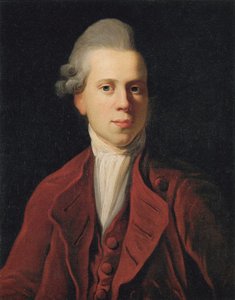
ニコライ・アブラハム・アビルドガード
1743 - 1809 , デンマーク
基本情報
- Artistic Movement Or Style: 新古典主義とロマン主義
- Artists Or Movements Influenced By This Artist:
- アスムス・カルステン
- ベルトゥル・トーバルドセン
- 北欧ロマン主義
- Artists Who Influenced This Artist:
- アニバッレ・カラッチ
- ラファエロ
- ティツィアーノ
- ミケランジェロ
- Date Of Birth: 1743年9月11日
- Date Of Death: 1809年11月14日
- Full Name: ニコライ・アブラハム・アビルドガード
- Nationality: デンマーク人
- Notable Artworks:
- クリスティアン1世...
- 悪夢
- クルミンの幽霊
- ニールス・クリームの場面
- 傷ついたフィロクトetes
- Place Of Birth: コペンハーゲン、デンマーク
関連記事

Baroque Classicism: Reconciling Drama & Order in 17th-Century Art
Explore the captivating world of Baroque Classicism! Discover its history, key artists like Caravaggio & Rubens, and defining characteristics. Expert insights & high-quality reproductions at ArtsDot.

バロックのドラマ:現代のインテリアに壮麗さと情感を取り込む
バロック様式の歴史、絵画、家具の魅力をご紹介。ArtsDotでは、高品質な油絵複製やカスタムポートレートをご提供し、現代のインテリアに壮麗さと情感を取り入れます。アートコンサルテーションも承ります。

The Enduring Power of Painting: A Historical & Contemporary Exploration of Form and Emotion
Explore the rich history & enduring techniques of oil painting with ArtsDot. Discover masterpieces, learn about art collecting, and find authentic handmade reproductions crafted by skilled artists.
The Enduring Legacy of Classicism: Principles, Evolution & Influence in Western Art
Explore the enduring legacy of Classicism in Western art! Discover its historical context, key principles, iconic masterpieces & lasting influence. Learn about Renaissance and Neoclassical movements with ArtsDot.
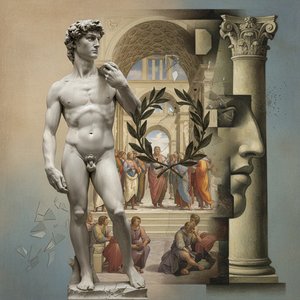
The Enduring Echo of Antiquity: Classical Ideals in Art from Renaissance to Modernism
Explore the lasting impact of classical ideals on art from the Renaissance to Modernism. Discover key movements, iconic artists & find museum-quality reproductions at ArtsDot.