

 プレビュー
プレビュー
 シェアする
シェアする シェアする
シェアする
 詳細を見る
詳細を見る

 ダウンロード
 似ている作品
 X線調査
X線調査 スライドショー
 統計情報
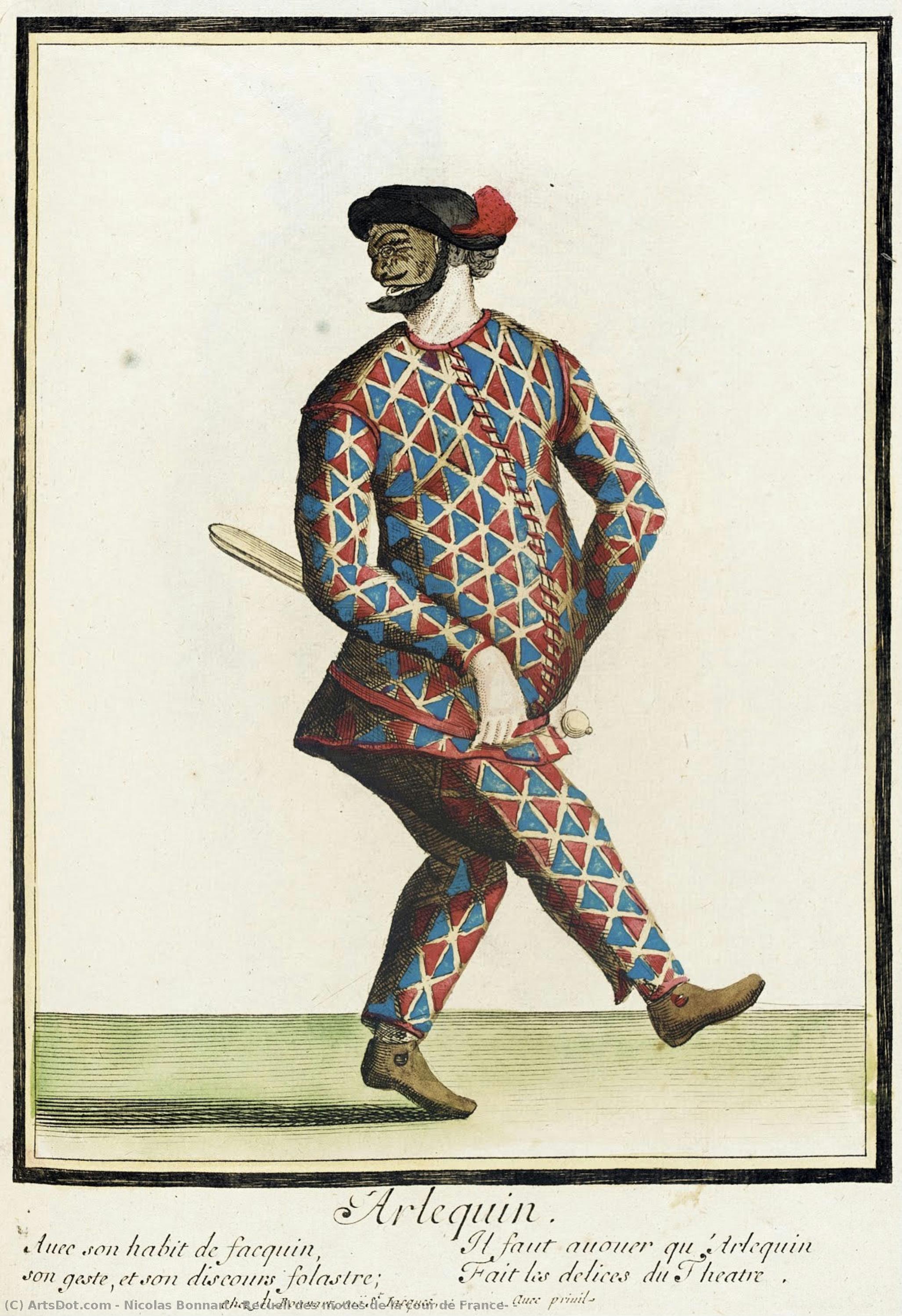
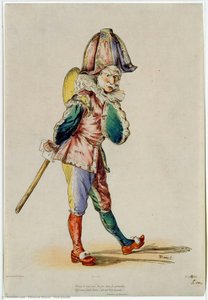
統計情報レクヴィエ ドゥ モード デ ラ クール ド フランス ダム ド ラ クール
 キャンバスにアクリル絵具
- ウォールアート
- Baroque Painting
 1693
1693 36.0 x 23.0 cm
 ロサンゼルス・カウンティ・ミュージアム・オブ・アート
 詳細を見る
詳細を見る
オンラインプレビューをはるかに凌ぐ、高解像度で鮮明なデジタル画像をご購入いただけます。
各ファイルは、社内の専門家が高度なツールと熟練した手作業によるレタッチを用いて、細心の注意を払って準備されています。すべての画像において、卓越した鮮明度、正確な色彩再現性、そして繊細なディテールを保証いたします。
最終ファイルは、プロフェッショナルな編集・印刷環境ですぐにご利用いただけるよう最適化された状態で、72時間以内にメールにてお届けいたします。これは、一流のデザインスタジオ、出版社、ギャラリーから信頼されているものと同等の品質です。
デジタルアート
個人での鑑賞、印刷、クリエイティブなプロジェクト用に、高解像度ファイルをダウンロードできます。 ( プリント版に切り替え 手描きの絵画を購入)
デジタル画像のご注文に付随する特典
高品質なデジタル画像配信を、確かな品質で。
ArtsDot.com を選ぶことは、単に画像を手に入れることではありません。それは、プロの手によって精密に仕上げられ、満足保証が付いた高品質なデジタルアートワークを受け取ることを意味します。ご注文いただいた際に自動的に付随する内容は、以下の通りです:

メールですぐにお届け
ご注文から72時間以内に、高解像度のデジタル画像ファイルがメールでお手元に届きます。すぐにそのままご利用いただけます。

AI技術で最適化されたデジタルファイル
お客様の作品は、高度なAIツールと専門家による手作業の編集を組み合わせてプロフェッショナルに最適化されており、細部のディテール、鮮明さ、そして正確な色再現性を最大限に引き出しています。

一生涯無料の再送サービス
ファイルを誤って削除したり、紛失してしまったりしましたか?ご安心ください。いつでも無料で再送いたします。

輸入手数料は一切かかりません
関税や手数料、配送料を気にすることなく、お気に入りのアートワークをすぐにお楽しみいただけます。デジタルダウンロードは常に免税です。

色彩再現の保証
プロ仕様のツールとカラーマネジメント技術を用いることで、デジタル画像が元の色を最大限に忠実に再現することを保証いたします。

100日間満足保証
ご購入いただいたデジタル画像にご満足いただけない場合は、100日以内であれば、理由を問わず修正または100%の返金対応をさせていただきます。

100% 返金保証
ご満足いただけない場合は、デジタルファイルを受け取ってから100日以内であれば、理由を問わず全額返金いたします。

まとめ買い割引
3枚購入で10%OFF - 5枚購入で15%OFF - 10枚以上購入で20%OFF。クリエイティブなプロジェクト、ギャラリー、エージェンシーに最適です。
作品解説:ニコラス・ボンナルト『フランス王室のファッション』
フランス王室のファッションを代表する絵画として知られるニコラス・ボンナルトの作品は、1693年に制作されました。この絵画は、フランス王室の貴婦人たちに愛された衣装のデザインを集めたものであり、当時のファッション様式と芸術的な表現力を凝縮した傑作です。ボンナルトはイタリアで活躍した画家であり、バロック美術の影響を受けながらも独自のスタイルを確立しました。彼の作品は、光と陰のコントラストによるドラマチックな効果と、繊細な色彩使いが特徴です。特にこの絵画では、鮮やかな色の組み合わせと洗練された構図によって、見る人に豊かな感情を呼び起こします。- 画家: ニコラス・ボンナルト(フランス、1637年生まれ)
- 制作年代: 約1678-1693年
- 場所: フランス、パリ
- 技法: 手彩色版画
- サイズ: 幅約36.51cm 高さ約23.81cm
関連作品
作家の略歴
Nicolas Poussin: A Master of Light and Grace
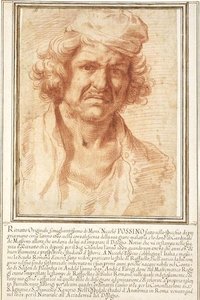
Nicolas Poussin, born in 1637 in France, remains a pivotal figure in the transition between Mannerism and Baroque painting, ultimately establishing a profoundly influential style that resonated throughout the 18th century. While often categorized as a French artist, his prolonged residence and work in Rome cemented his place within the Italian artistic tradition, absorbing its classical ideals while imbuing them with a distinctly personal vision. His life was marked by both professional success and personal tragedy – he married young and tragically lost his wife and two children within a few years, events that profoundly shaped his later work, often imbued with a melancholic beauty and a deep contemplation of mortality. He spent much of his career serving as a court painter for Cardinal Mazarin and later the King of France, Louis XIII, before returning to Rome where he established himself as a respected master, teaching and producing works for private collectors across Europe. Poussin’s artistic journey began under the tutelage of local artists in Paris, initially exploring techniques like glass painting – a craft that instilled in him an appreciation for meticulous detail and careful composition. However, it was his fervent desire to study the masterpieces of the Italian Renaissance, particularly those of Raphael and Michelangelo, which propelled him towards Rome around 1624. This immersion in the Roman artistic milieu proved transformative; he quickly absorbed the principles of classical art – its emphasis on harmony, proportion, and idealized beauty – while simultaneously developing a unique approach characterized by clarity, order, and an exquisite use of light and color. His early works, such as *The Death of Germanicus* (1633-34), demonstrate this burgeoning style: figures are rendered with remarkable precision and grace, set within carefully constructed landscapes that evoke a sense of serene contemplation. The painting’s pyramidal composition, reminiscent of Raphael's work, creates a powerful visual harmony, while the subtle use of light and shadow imbues the scene with an emotional depth. A defining characteristic of Poussin’s art is his masterful manipulation of landscape as a fundamental element of the narrative. He didn’t simply depict scenery; he integrated it seamlessly into his compositions, using it to create atmosphere, convey mood, and symbolize deeper philosophical or religious ideas. This approach was particularly evident in his series of *The Four Seasons* (1662-64), each panel depicting a distinct season within a carefully orchestrated landscape. These paintings are not merely representations of nature; they are allegorical explorations of time, beauty, and the cyclical rhythms of life. The use of atmospheric perspective—creating a sense of depth through variations in color and detail—is particularly striking, drawing the viewer’s eye into the distant landscapes and enhancing the overall feeling of spaciousness and tranquility. Furthermore, his later works, like *Et in Arcadia Ego* (1660-64), demonstrate an increasing interest in exploring themes of mortality and the transience of earthly beauty, often juxtaposing idyllic pastoral scenes with symbols of decay and loss. Poussin’s influence on subsequent generations of artists is undeniable. His meticulous attention to detail, his profound understanding of classical art, and his innovative use of landscape established a new standard for painting in the 18th century. Artists such as Jacques-Louis David, Jean-Auguste-Dominique Ingres, and Paul Cézanne all acknowledged Poussin’s profound impact on their work, drawing inspiration from his clarity of form, his harmonious compositions, and his ability to evoke a sense of timeless beauty. Cézanne, in particular, famously stated that he had “learned everything” from Poussin's *The Bathers*, recognizing the master’s genius in capturing the essence of light and atmosphere. His work continues to be studied and admired for its intellectual depth, emotional resonance, and technical brilliance, solidifying his legacy as one of the most important painters in Western art history.Key Works
- *The Death of Germanicus* (1633-34)
- *Et in Arcadia Ego* (1660-64)
- *The Four Seasons* (1662-64)
- *Landscape with the Hermit* (c. 1639)
- *Sacrifice of Iphigenia* (1639-40)
Legacy and Historical Significance
Poussin’s work represents a crucial bridge between the Mannerist and Baroque periods, embodying the classical ideals that were being revived during the 17th century. His emphasis on order, harmony, and idealized beauty resonated with the tastes of European royalty and aristocracy, while his exploration of philosophical themes – particularly those related to mortality and the nature of time – offered a profound reflection on the human condition. He wasn't merely a painter; he was an intellectual and a moralist, using his art to explore complex ideas about faith, beauty, and the relationship between humanity and the divine. His influence extends far beyond the realm of painting, shaping artistic sensibilities for centuries to come and reminding us of the enduring power of classical art to inspire and uplift.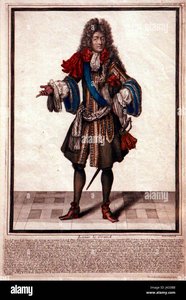
nicolas bonnart
1637 - 1718