

 プレビュー
プレビュー
 プリントを購入
 シェアする
シェアする シェアする
シェアする
 詳細を見る
詳細を見る

 ダウンロード
 似ている作品
 X線調査
X線調査 スライドショー
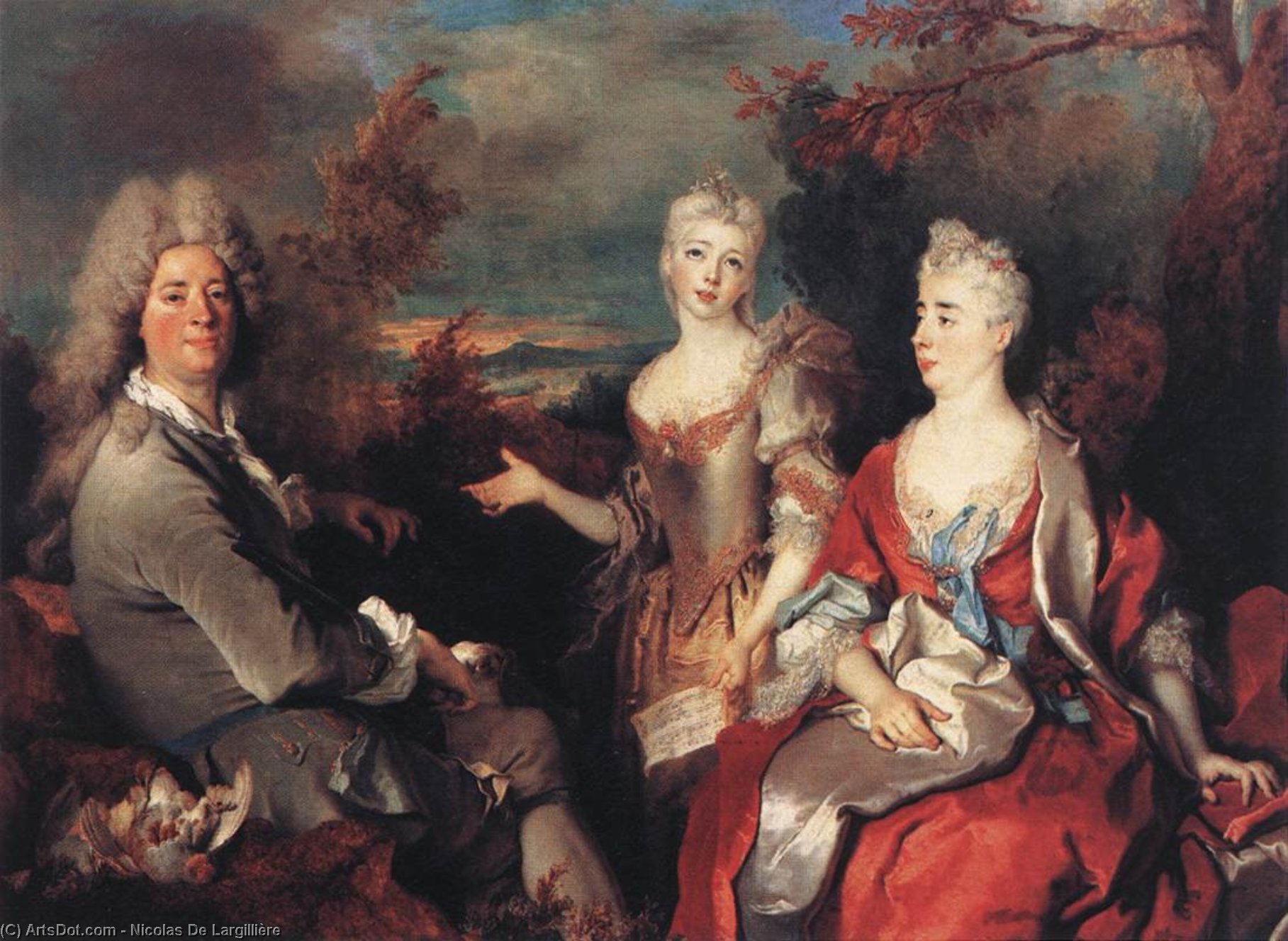
The Artist and his Family
 Acrylic On Canvas
- WallArt
- Baroque Portraiture
 1710
1710 149.0 x 200.0 cm
 ルーブル美術館
 詳細を見る
詳細を見る




P118B $10

P118H $10

P118W $10

P438Z $10

P508JH $12

P508YH $12

P805H $10

P805Z $10

P919BZ $10

P919G $10

P919XJ $10

P959ZH $10

P968JZ $12

W106C $8

W218G $10

W218JH $8

W218Y $10

W307PJ $10

W316G $10

W316PJ $8

W316Y $10

W398PJ $8

W4111J $10

W500HY $15

W500JH $15

W692G $12

W849H $8

W940BG $15

W953PJ $8




作品のオリジナル比率に合わせた、当店の規定サイズからお選びください。

特定のフレームやスペースに合わせて、ご希望のサイズをご入力いただけます。選択されたサイズが元の画像の比率と異なる場合、アートワークをトリミングするか、手描きで要素を追加して絵画を拡張いたします。デジタルモックアップ を制作し、制作開始前にご確認(承認)をいただきます。
画面上のプレビューは、実際のトリミングや拡張を正確に反映しているものではありません。最終的な構図は、モックアップによってのみ正確にご確認いただけます。
カスタムサイズもご利用いただけますが、元の比率を維持するためには、あらかじめ用意されたリストからサイズを選択することをお勧めいたします。
ご注文後、ArtsDot.com チームより詳細な指示をお送りするとともに、仕上がりイメージ(モックアップ)をご提供いたします。


 ガラスオプションは、110cm未満のサイズでのみご利用いただけます。

The Artist and his Family
複製技法
複製画のサイズ
-


合計金額
$ 263
作品解説
The Artist and His Family: A Window into 18th-Century Parisian Life
Nicolas de Largillière’s “The Artist and his Family” isn't merely a portrait; it’s a meticulously crafted tableau vivant, offering an intimate glimpse into the domestic life of a prominent Parisian family during the early 1710s. Painted in the serene light of a richly appointed room – a space hinting at both comfort and quiet authority – the scene unfolds with a remarkable sense of naturalism, a hallmark of Largillière’s distinctive style. The painting captures not just likenesses but also an atmosphere of familial connection, a subtle dance of interaction that speaks volumes about social standing and the values of the era.
Largillière, a master of capturing fleeting moments of human emotion, eschews dramatic poses or grand gestures in favor of understated realism. The figures – a father, mother, children, and a servant – are arranged with careful consideration, creating a balanced composition that draws the eye through the scene. Notice how Largillière subtly guides our gaze: the artist himself, positioned slightly off-center, appears to be observing his subjects as if capturing them for posterity; the young Prince of Asturias, dressed in blue, holds court, radiating an air of youthful confidence; and the Queen, seated regally, exudes a quiet dignity. The inclusion of details – the lute resting on a table, the basket overflowing with fruit, the watchful gaze of the dog – adds layers of meaning to the scene, hinting at themes of family harmony, prosperity, and the importance of domestic life.
A Masterclass in Baroque Technique
The painting’s power lies not only in its subject matter but also in Largillière's masterful technique. He employs a delicate sfumato – a subtle blurring of edges – to create an atmosphere of softness and intimacy, lending the scene a dreamlike quality. The use of light is particularly noteworthy; it illuminates the faces of the family members, highlighting their features and conveying a sense of warmth and connection. Largillière’s brushwork is remarkably smooth and controlled, reflecting his meticulous attention to detail and his deep understanding of anatomy and perspective. The rich colors – the warm browns of the furniture, the vibrant hues of the fabrics, the delicate pinks and blues of the children's clothing – contribute to the painting’s overall sense of opulence and refinement.
Furthermore, Largillière skillfully utilizes a technique known as “indirect painting,” where he built up layers of translucent glazes over an underpainting. This method allowed him to achieve remarkable luminosity and depth, capturing the subtle nuances of light and shadow with exceptional precision. The careful layering of paint also contributes to the painting’s overall sense of realism, creating the illusion of texture and volume.
Historical Context: A Portrait of a Changing Era
“The Artist and his Family” was painted in 1710, a pivotal moment in French history. The reign of Louis XIV, known as the “Sun King,” had ushered in an era of unprecedented power and prosperity for France, but also marked a period of increasing social stratification and political tension. Largillière’s painting reflects this complex reality, capturing the privileged lifestyle of a wealthy Parisian family while subtly hinting at the underlying currents of change.
The rise of portraiture as a popular art form during the 18th century reflected a growing interest in self-representation and social status. Portraits became increasingly elaborate and luxurious, serving as symbols of wealth, power, and cultural refinement. Largillière’s painting exemplifies this trend, showcasing the family's affluence through their fine clothing, opulent furnishings, and carefully arranged composition. The inclusion of the artist himself within the scene underscores the growing importance of the artist as a social figure – a witness to the lives of his patrons and a recorder of their likenesses.
Symbolism and Emotional Resonance
Beyond its technical brilliance, “The Artist and his Family” is rich in symbolism. The lute, for example, represents harmony and musicality, suggesting a well-ordered family life. The dog symbolizes fidelity and loyalty, while the basket of fruit signifies abundance and prosperity. Even the artist’s pose – observing his subjects with a gentle smile – conveys a sense of warmth and affection.
The painting's enduring appeal lies in its ability to evoke a powerful emotional response. It captures a fleeting moment of domestic tranquility, inviting us to step into the scene and share in the family’s quiet intimacy. Largillière’s masterful use of light, color, and composition creates an atmosphere of warmth and serenity, reminding us of the importance of family, connection, and the simple pleasures of life. Reproductions of this iconic work offer a beautiful opportunity to bring this timeless scene into your home, celebrating the artistry and enduring legacy of Nicolas de Largillière.
関連作品
アーティストの略歴
肖像画に刻まれたパリの生涯
フランス・バロック肖像画の優雅さと洗練という言葉から、決して切り離すことのできない名、ニコラ・ド・ラルギリエール。彼は1656年、活気あふれる商業都市パリの喧騒の中で生を受けました。帽子職人であった父の決断により、ニコラがわずか3歳の時に家族はアントワープへと移住します。この転機となった移動が、彼の芸術的な軌跡を決定づけることとなりました。フランドル絵画の中心地であったアントワープの鮮やかな芸術シーンに幼い頃から身を置いたことで、彼は豊かな伝統と技法に触れ、後の彼独自のスタイルを形作る基礎を築いたのです。当初は家業である商業の道を歩む運命にありましたが、ラルグリエールの中に宿る天賦の芸術的才能は、彼を家族の商いから遠ざけ、周囲の人々の面影を捉えることに捧げる人生へと導きました。その後、ロンドンでの短い滞在を経て、著名な画家たちの下で肖像画の機微を吸収し、再びアントワプリに戻ってアントン・ガウバウに学びました。しかし、彼の芸術的基盤を真に強固なものとしたのは、ウィンザーにおけるサー・ピーター・レーリーの下での4年間に及ぶ徒弟修行でした。そこでの経験が、彼の作品の代名徴となる細部への緻密なこだわりと、質感を見事に描き出す卓越した技術を彼に授けたのです。ライハウス陰謀事件をめぐる政治的混乱によって、最終的にラルグリエールはパリへと帰還することになります。この動きこそが、彼のキャリアを決定づけ、彼をその時代を代表する肖像画家の一人として確立させることとなったのです。パリ芸術界における躍進
ラルグリエールは瞬く間にパリで需要の高い画家としての地位を築き、貴族層のみならず、台頭しつつあった商人階級からも厚い庇護を受けました。単なる外見の類似性にとどまらず、人物の品格や社会的地位までも描き出す彼の能力は、自らを後世に永遠に残そうと願う人々にとって、抗いがたい魅力を持っていました。ジェームズ2世によるイングランドへの一時的な呼び戻しは、ジェームズ2世自身やモデナのメアリ王妃、プリンス・オブ・ウェールズといった王族の肖像を描くさらなる機会をもたらし、宮廷における彼の名声を高めました。しかし、彼のパリ芸術界における地位を真に不動のものとしたのは、1686年の権威あるフランス王立アカデミーへの入会でした。この快挙は単なる形式的なものではなく、確立された芸術的エリートからの承認を意味し、多くの依頼やパトロンとの接点を開くこととなったのです。当時一般的であったように、アカデミーからは公式に歴史画家として分類されてはいたものの、ラルグリエールの真の情熱は肖像画にあり、モデルの真髄を捉えることにその才能を傾けました。アラス総督ピエール・ド・モンテスキューをはじめとする有力者たちの肖像画には、外見的な似姿だけでなく、人物の個性や権威までも伝える彼の手腕が遺憾なく発揮されています。また、彼は複雑な群像肖像画を巧みに構成することでも知られ、その白眉といえるのが1709年の『王家の肖像』です。ルイ14世を、マダム・ド・ヴァントドゥールや孫たちと共に描いたこの記念碑的な作品は、構図の妙と、調和のとれた全体像の中に個々の人格を見事に描き出す彼の卓越した技量を証明しています。様式と技法の極致
ラルグリエールの芸術様式は、写実主義、優雅さ、そして細部への緻密なこだわりが絶妙に融合している点に特徴があります。彼は光と影を操る驚異的な技術を備えており、キャンバスの上に奥行きと立体感を生み出し、被写体に鮮烈な生命を吹き込みました。その構図はしばしば入念に構築されており、ルネサンス的な感性を反映させつつも、バロック期特有のダイナミズムを取り入れています。キャリアの後期になると、彼は独自のポーズを確立しました。指先で手紙をさりげなく隠したり、ドーリア式の柱に寄りかかったりするモデルの姿は、彼のシグネチャー・スタイルとなりました。この手法は一見すると定型化されているようにも見えますが、それゆえに彼は表情の微細な変化や、衣装や装飾品の複雑なディテールに集中することができたのです。ポーランド王アウグスト2世、ジャック=アントワーヌ・アルロー、ニコラ・クストンらの肖像画には、この成熟した芸術的発展段階が見て取れます。彼は単に外見を記録していたのではありません。人物の性格を掘り下げ、地位を伝え、被写体を後世のために不朽のものとしていたのです。布地の質感、宝石の輝き、そして顔に浮かぶ繊細な表情を捉えようとする彼の献身は、芸術に対して深い情熱を持つ、真の職人としての姿を浮き彫りにしています。遺産と永続する影響力
ニコラ・ド・ラルグリエールが残した膨大な作品群は、18世紀フランス社会を知るための極めて貴重な洞察を与えてくれます。彼の肖像画は単なる審美的な対象ではありません。それらは歴史的文書であり、当時の生活、ファッション、そして社会階層を垣間見せてくれる窓なのです。彼はジャン=バティスト・ウドリーやヤコブ・ファン・シュッペンといった著名な画家たちを育成し、彼らがその芸術的遺産を継承して、後に花開くロココ運動に貢献することとなりました。ラルグリエールの影響は、直接の弟子たちにとどまりません。彼はフランスにおける肖像画の発展において極めて重要な役割を果たし、それを技術的スキルと芸術的表現の新たな高みへと引き上げました。今日、彼の作品は、オックスフォードのアシュモレアン美術館やパリのルーヴル美術館をはじめ、ワシントンD.C.のナショナル・ギャラリー、リスボンのカルースト・グルベンキアン美術館など、世界中の権威ある美術館に収蔵されています。これにより、彼の芸術性は世代を超えて愛され続けているのです。彼は、肖像画というものが単なる似姿の記録ではなく、ある時代の本質を捉える力を持っていることの証として、今もなお輝きを放っています。永遠に刻まれる印象
ラルグリエールの成功は、単なる技術的な卓越性のみに基づいたものではありませんでした。それは、モデルと心を通わせ、その個性をキャンバスへと翻訳する能力に由来していたのです。彼は、肖像画が自己表現の道具として、富や地位、そして洗練されたイメージを投影させる力を持っていることを深く理解していました。彼の描く絵画は、単なる肖像ではありません。それは一つの「宣言」なのです。その職人としての献身は、生涯を通じて数多くの称賛を彼にもたらし、1743年のアカデミー総長への任命は、芸術界における彼の永続的な影響力を物語っています。80代に至ってもなお、ラルグリエールは力強さと技術をもって描き続け、現代のアーティストにインスピレーションを与え、観る者を魅了し続ける遺産を遺しました。彼の作品は過ぎ去った時代への窓であり、18世紀フランスを形作った人々の生涯を垣間見せてくれます。そして、彼がその時代において最も重要な肖察画家の一人であったことを、揺るぎないものにしているのです。彼は、人々がどのような姿をしているかだけでなく、彼らが何者であるかを捉える達人でした。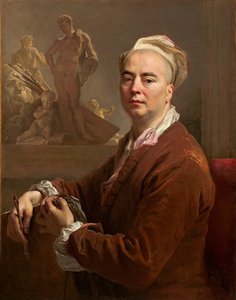
ニコラ・ド・ラルジリエール
1656 - 1746
基本情報
- Artistic Movement Or Style: バロック、ロココ
- Artists Or Movements Influenced By This Artist:
- ジャン=バティスト・ウドリー
- ヤコブ・ファン・シュッペン
- ロココ運動
- Artists Who Influenced This Artist:
- ピーター・レーリー
- アントン・ガウバウ
- ルーベンス
- ヴァン・ダイク
- Date Of Birth: 1656年
- Date Of Death: 1746年
- Full Name: ニコラ・ド・ラルジリエール
- Nationality: フランス
- Notable Artworks:
- 自画像 (1707年)
- 王族の肖像
- モンテュジエの肖像
- 弟子 de la Portrait
- Place Of Birth: フランス、パリ
関連記事

バロック美術を極めた至宝:時代を彩る10大名作の世界
バロック美術の華!カラヴァッジョ、ベルニーニら巨匠が創り上げた10大名作を徹底解剖。ドラマチックな色彩と豪華絢爛の世界観に触れ、至宝のアートプリントで空間を彩ろう。ArtsDot.comで美術館品質の複製と洗練されたインテリアを見つけましょう!

バロックのドラマ:現代のインテリアに壮麗さと情感を取り込む
バロック様式の歴史、絵画、家具の魅力をご紹介。ArtsDotでは、高品質な油絵複製やカスタムポートレートをご提供し、現代のインテリアに壮麗さと情感を取り入れます。アートコンサルテーションも承ります。

The Dramatic Flourish: Exploring the Baroque Movement's Enduring Legacy in Art History
Explore the dramatic world of Baroque art! Discover iconic artists like Caravaggio & Rubens, defining techniques, and its lasting impact on art history. Expert insights for collectors & enthusiasts at ArtsDot.

The Visceral Stage: Exploring Dramatic Narratives & Emotional Intensity in Baroque Art
Explore the dramatic world of Baroque art! Discover iconic masters like Caravaggio & Rembrandt, their techniques, and the movement's lasting impact. Expert insights for collectors & enthusiasts at ArtsDot.

Theatricality & Triumph: Baroque Drama in Painting & Sculpture
Explore the dramatic world of Baroque art! Discover its history, defining characteristics, & lasting influence on painting & sculpture. Expert insights into Caravaggio, Zurbarán, and Bernini – plus high-quality reproductions at ArtsDot.

