

 プレビュー
プレビュー
 プリントを購入
 シェアする
シェアする シェアする
シェアする
 詳細を見る
詳細を見る

 ダウンロード
 似ている作品
 X線調査
X線調査 スライドショー
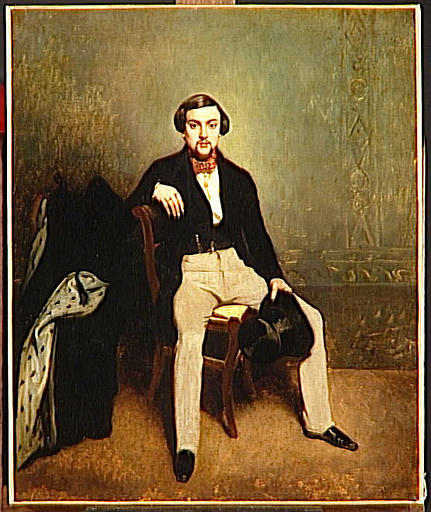
MONSIEUR DUBREUIL


 詳細を見る
詳細を見る




P118B $10

P118H $10

P118W $10

P438Z $10

P508JH $12

P508YH $12

P805H $10

P805Z $10

P919BZ $10

P919G $10

P919XJ $10

P959ZH $10

P968JZ $12

W106C $8

W218G $10

W218JH $8

W218Y $10

W307PJ $10

W316G $10

W316PJ $8

W316Y $10

W398PJ $8

W4111J $10

W500HY $15

W500JH $15

W692G $12

W849H $8

W940BG $15

W953PJ $8




作品のオリジナル比率に合わせた、当店の規定サイズからお選びください。

特定のフレームやスペースに合わせて、ご希望のサイズをご入力いただけます。選択されたサイズが元の画像の比率と異なる場合、アートワークをトリミングするか、手描きで要素を追加して絵画を拡張いたします。デジタルモックアップ を制作し、制作開始前にご確認(承認)をいただきます。
画面上のプレビューは、実際のトリミングや拡張を正確に反映しているものではありません。最終的な構図は、モックアップによってのみ正確にご確認いただけます。
カスタムサイズもご利用いただけますが、元の比率を維持するためには、あらかじめ用意されたリストからサイズを選択することをお勧めいたします。
ご注文後、ArtsDot.com チームより詳細な指示をお送りするとともに、仕上がりイメージ(モックアップ)をご提供いたします。


 ガラスオプションは、110cm未満のサイズでのみご利用いただけます。

MONSIEUR DUBREUIL
複製技法
複製画のサイズ
-


合計金額
$ 263
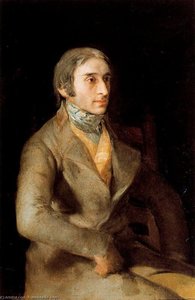
A Portrait of Quiet Dignity: Monsieur Dubreuil by Nicolas Tassaert
The canvas before you presents not merely a likeness, but an embodiment of the mid-19th century – a portrait of Monsieur Dubreuil, rendered with remarkable sensitivity and technical mastery by Nicolas François Octave Tassaert. More than just a depiction of a man, this painting captures a fleeting moment of contemplation, hinting at a life lived within the constraints and expectations of his era. Tassaert, a painter often overshadowed by the brighter lights of the Impressionist movement, possessed a unique ability to imbue his subjects with an almost palpable sense of atmosphere and psychological depth – qualities powerfully evident in this intimate study.
The painting’s composition is deceptively simple yet profoundly effective. Seated comfortably within a dark wooden chair, Monsieur Dubreuil occupies the majority of the frame, drawing the viewer's immediate attention. His posture, relaxed yet dignified, speaks volumes about his character – a quiet confidence tempered by an underlying awareness. The blurred background, rendered in soft, muted tones, skillfully directs focus to the figure, creating a sense of intimacy and immediacy. The strategic placement of the draped coat and hat subtly reinforces his social standing, suggesting a man accustomed to respect and perhaps even authority, while simultaneously hinting at a certain weariness, a subtle acknowledgement of the burdens of responsibility.
A Palette of Restrained Elegance
Tassaert’s color palette is a testament to his academic training and his keen eye for detail. Dominated by browns, grays, blacks, and creams, the painting avoids dramatic contrasts, instead relying on subtle gradations of tone to create depth and texture. The rich velvet of the coat, the worn wood of the chair, and even the delicate folds of Monsieur Dubreuil’s cravat are rendered with meticulous precision. The inclusion of touches of red – in the cravat and a hint within the coat – provides subtle focal points, preventing the composition from becoming overly somber. The overall effect is one of understated elegance and quiet sophistication, reflecting the prevailing aesthetic sensibilities of the time.
Crafting Realism with Delicate Brushstrokes
The painting’s technical execution showcases Tassaert's mastery of oil paint and his understanding of light and shadow. He employs a technique characterized by smooth, blended brushstrokes – a hallmark of academic portraiture – to create the illusion of three-dimensionality. Stronger lines delineate the edges of the chair and hat, providing structure and definition, while softer strokes define the contours of Monsieur Dubreuil’s face and body. The lighting, originating from the left side of the frame, casts subtle shadows that model his features and add a sense of volume to the composition. This careful attention to detail – from the texture of the fabric to the play of light on the skin – elevates the painting beyond a simple likeness, transforming it into a compelling work of art.
Symbolism and the Weight of Expectation
Beyond its technical merits, “Monsieur Dubreuil” is rich in symbolic meaning. The man’s relaxed posture, while suggesting confidence, also hints at a certain weariness – perhaps reflecting the pressures of maintaining social standing or fulfilling familial obligations. The draped coat and hat are not merely decorative elements; they represent status and refinement, but also subtly underscore the constraints imposed upon men of his class. The painting can be interpreted as an exploration of the complexities of identity within a rigid societal framework, capturing a moment of quiet contemplation amidst the weight of expectation.
A Window into a Bygone Era
Created in the mid-19th century, “Monsieur Dubreuil” offers a poignant glimpse into a bygone era – a time of industrial growth, social upheaval, and evolving artistic sensibilities. Tassaert’s work stands as a testament to the enduring power of portraiture to capture not only physical likeness but also the essence of human character. Whether displayed in a private collection or a public gallery, this painting continues to resonate with viewers today, inviting us to contemplate the complexities of human experience and the timeless beauty of art.
関連作品
アーティストの略歴
産業の影:ウィリアム・フレデリック・ラトキン(1800-1874)の芸術を探る
1800年に生を受け、1874年にその生涯を悲劇的に閉じたウィリアム・フレデリック・ラトキンは、後期ロマン主義と、その後19世紀の大部分を支配することになる初期リアリズムを繋ぐ、極めて重要な架け橋となる人物です。ターナーやコンスタブル、そして勃興しつつあった印象派といった同時代の巨匠たちの影に隠れがちではありますが、ラトキンの作品は、巨大な産業の成長と社会の激変に見舞われた当時のイギリスの、急速に変貌を遂げる風景に対して、唯一無二の説得力ある視点を提供しています。彼のキャンバスは単なる風景の描写に留まりません。そこには、肌で感じられるような濃密な空気感、そして自然と、世界を再構築していく新興の機械文明との間に横たわる、人類の逃れられない関係性への、どこか心を揺さぶるような意識が宿っているのです。幼少期と芸術的修養
ラトキンの若き日々については、いまだ謎に包まれた部分も少なくありません。しかし、彼が父ウィリアム・ラトキン・シニアから最初の芸術教育を受けたことは確かです。風景画家であった父は、イギリスの田園地帯が持つ美しさへの深い敬愛を息子に植え付けました。劇的な光、崇高な風景、そして感情的な反応を重視する伝統的なロマン主義という基礎は、ラトキンの初期の作品を決定づけるものとなりました。しかし、この美学に固執し続けた多くの同時代人とは異なり、ラトキンは自らを取り巻く産業界、特にイギリスの風景の中に増え始めていた製鉄所や工場に対して、次第に抗いがたい魅力を感じていくようになります。この芽生えたばかりの関心が、最終的に彼の芸術的軌道を決定づけることとなりました。大気の画家としての風景画
ラトキンの最も名高い作品は、間違いなくその情緒豊かな風景画です。そこには、荒野や海岸線、そして劇的な天候の変化が描かされることが多く、光と影の移ろいゆく効果を捉える驚異的な能力によって、まるで幻覚を見ているかのような質感を生み出しています。特筆すべきはその色彩感覚です。彼はグレー、ブラウン、ブルーといった落ち着いた色調を好み、それらを繊細な階調で重ね合わせることで、情緒と空気感を呼び起こしました。その技法は、緻密な観察眼と、型破りな筆致やグレージング(透明層の重ね塗り)への実験的な試みが融合したものであり、完成した画面は反射する光によって、まるで内側から輝いているかのような錯覚を与えます。彼はJ.M.W.ターナーの作品、特に大気の効果を通じて自然の力強さとドラマを伝える手法に深い影響を受けましたが、ラトキン自身は風景の中に「人間的な要素」をより強く打ち出すという、独自のパーソナルなスタイルを確立したのです。- 代表作:荒野の情景、海岸を襲う嵐、荒野の夕暮れ、コールブルックデールの製鉄所
- 技法:重層的なグレージング、光と影の緻密な観察、抑制されたカラーパレットの使用
工業化の影響と社会への眼差し
19世紀が進展するにつれ、ラトキンの芸術的焦点は、工業化がイギリスの風景に与えた影響を描写することへと次第にシフトしていきました。彼は単に工場を記録していたのではありません。彼はこの変革がもたらす心理的な影響、すなわち伝統的な農村生活の衰退に伴う疎外感、孤独、そして喪失感を深く探求していたのです。製鉄所や炭鉱を描いた彼の作品には、しばしば憂鬱なトーンが漂っており、そこには産業の進歩がもたらす社会的・環境的な結末に対する、彼自身の不安が反映されています。彼はこれらの風景の中にしばりと孤独な人物を配置することが多く、それは人間と環境との間に生じた深い断絶を示唆しています。この時代に起こっていた社会の変化に対する、繊細ながらも力強い批評精神こそが、周囲の劇的な変化をほとんど無視していた多くの同時代人から、ラトキンを際立たせている要素なのです。遺産と歴史的意義
ウィリアム・フレデリック・ラトキンの作品は、イギリス美術史における極めて興味深い転換期を象徴しています。彼はロマン主義の残照を体現しながら、同時に間もなく出現するリアリズム運動の先駆けともなっています。その情緒的な風景画は、工業化に対する繊細かつ痛切な描写と相まって、19世紀イギリスの社会的・感情的な情景を理解するための貴重な洞察を与えてくれます。たとえ、より有名な同時代の巨匠たちほど広く知られていなくとも、ラトキンの絵画は今日においても人々の心に響き続けています。それは、急速な技術革新の時代における、人間と自然界との複雑な関係を私たちに再認識させてくれるのです。彼の作品は、たとえ進歩の渦中にあっても、美と哀愁は共存し得るのだということを、切実な響きをもって伝えています。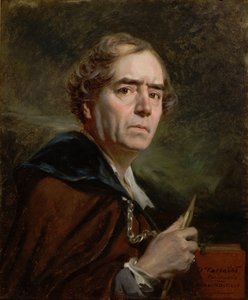
ニコラ・フランソワ・オクターヴ・タサール
1800 - 1874 , フランス
基本情報
- Artistic Movement Or Style: 19世紀美術
- Artists Or Movements Influenced By This Artist: ['WahooArtに掲載されている後世の芸術家']
- Artists Who Influenced This Artist:
- カスパー・ダーヴィト・フリードリヒ
- J.M.W. ターナー
- ジョン・コンスタブル
- Date Of Death: 1874年
- Nationality: WahooArt
関連記事
Romantic Realism's Finest: 10 Masterpieces for Your Home | ArtsDot
Explore 10 defining masterpieces of Romantic Realism! Discover Courbet, Millet & Daumier's powerful paintings—capturing emotion and social realities. Find museum-quality reproductions for your home at ArtsDot.com.
The Evocative Embrace of Reality: Exploring Romantic Realism in 19th-Century Painting
Explore the captivating world of Romantic Realism! Discover key artists like Courbet & Millet, masterpieces, and the social context behind this influential art movement. Expert insights for collectors at ArtsDot.
The Poetic Truth of Observation: Exploring 19th-Century Realism in Painting
Explore the captivating world of 19th-century Realism! Discover key artists like Courbet & Millet, masterpieces, and the powerful social commentary behind this influential art movement. Expert insights at ArtsDot.
Émile Jean Horace Vernet: Romantic Realism & Depicting 19th-Century Life
Explore the life & art of Émile Jean Horace Vernet, a master of Romantic Realism. Discover his captivating battle scenes, portraits, and Orientalist works – a window into 19th-century France. Learn about his techniques & enduring legacy.
Historical Realism: A Pursuit of Truthful Representation in 19th-Century Art
Explore the captivating world of 19th-century Realism! Discover key artists like Courbet, groundbreaking techniques & the social context behind this influential art movement. Expert insights at ArtsDot.

