

 プレビュー
プレビュー
 シェアする
シェアする シェアする
シェアする
 詳細を見る
詳細を見る

 ダウンロード
 似ている作品
 X線調査
X線調査 スライドショー
 Stats
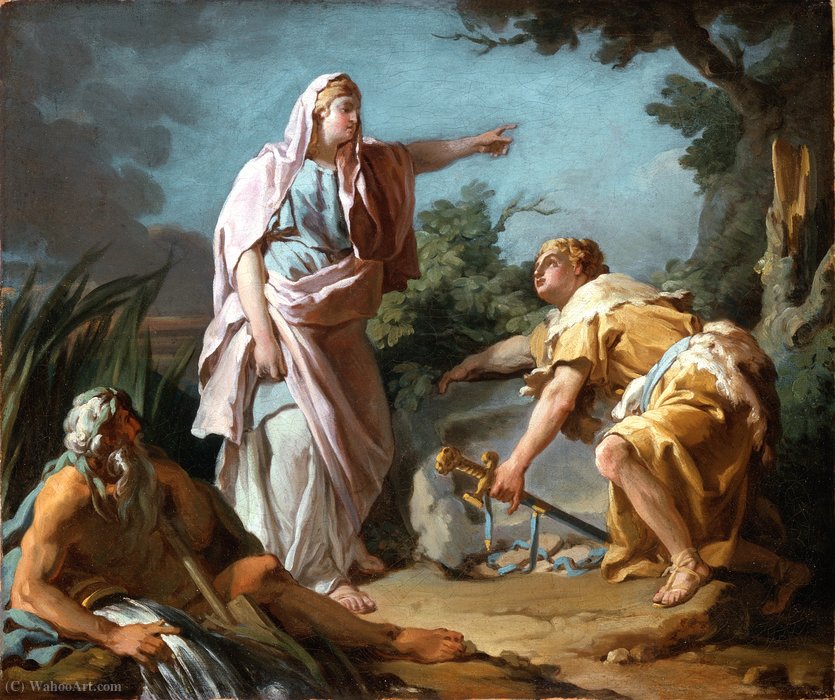
StatsAethra Showing her Son Theseus the Place Where his Father had Hidden his Arms
 詳細を見る
詳細を見る
ジークレー/アートプリント
迅速な制作と多彩な仕上げオプションを備えた、ミュージアムクオリティのジークレーまたはキャンバスプリント。 ( 手描きの絵画を購入 Switch to Digital Image)




































作品のオリジナル比率に合わせた、当店の規定サイズからお選びください。

特定のフレームやスペースに合わせて、ご自身でサイズを指定することも可能です。選択されたサイズが元の画像の比率と一致しない場合、作品をトリミングするか、鏡面反射または単色での塗りつぶしによって画像を拡張いたします。制作を開始する前に、ご確認用のデジタルモックアップをお送りいたします。
画面上のプレビューには、実際のトリミングや拡張は反映されませんのでご注意ください。最終的な構図を正確に確認できるのは、モックアップのみとなります。
カスタムサイズも承っておりますが、元の比率を維持するためには、あらかじめ用意されたリストからサイズを選択することをお勧めいたします。


 ガラスオプションは、110cm未満のサイズでのみご利用いただけます。

Aethra Showing her Son Theseus the Place Where his Father had Hidden his Arms
ジークレー/アートプリント
複製画のサイズ
-


合計金額
$ 62
関連作品
アーティストの略歴
Nicolas-Guy Brenet: A Pioneer of Troubadour Classicism
Born in Paris in 1728, Nicolas-Guy Brenet’s life and artistic journey represent a fascinating confluence of influences – the formal training of François Boucher, a rejection of Rococo excess, and a profound engagement with the classical ideals championed by Nicolas Poussin. Brenet wasn't merely a painter; he was an architect of style, a pivotal figure in bridging the gap between the ornate elegance of the late 18th century and the burgeoning Romanticism that would soon sweep across Europe. His career unfolded against the backdrop of significant artistic shifts within France, marked by the rise of Neoclassicism and the enduring appeal of historical subjects.
Early in his career, Brenet’s apprenticeship under Boucher exposed him to the lavish techniques and decorative sensibilities characteristic of the Rococo style. However, a critical turning point arrived as he abandoned his master's manner, consciously choosing to emulate the rigorous compositions, balanced forms, and profound moral seriousness of Poussin – an artist whose influence on subsequent generations of painters was immense. This deliberate shift signaled a commitment to a more restrained, intellectual approach to painting, one rooted in classical principles of order and harmony.
The Montmerle Cycle: A Foundation in Religious Painting
Brenet’s early works, particularly his cycle of religious paintings commissioned for the Montmerle Charterhouse near Dijon, established him as a significant voice within French religious art. These canvases weren't characterized by flamboyant ornamentation or dramatic theatricality; instead, they possessed a quiet dignity and spiritual depth that resonated with the prevailing taste for contemplative piety. The compositions were meticulously structured, drawing heavily on Poussin’s influence – clear diagonals, carefully rendered light and shadow, and a focus on narrative clarity. These paintings demonstrated Brenet's ability to translate complex theological themes into visually compelling and emotionally resonant images.
The Montmerle cycle solidified Brenet’s reputation as a skilled painter capable of capturing the essence of religious narratives with both technical precision and artistic sensitivity. It also laid the groundwork for his later, more ambitious projects, particularly his monumental depiction of the Battle of the Greeks and Trojans over the Body of Patroclus.
The Epic Battle: A Revolutionary Composition
Brenet’s “Battle of the Greeks and Trojans over the Body of Patroclus” (circa 1781) stands as a landmark achievement in French art history. This colossal canvas, measuring an impressive 323 x 422 cm, represents a bold departure from traditional battle scenes – a genre typically dominated by dynamic action and heroic figures. Brenet’s interpretation of the episode from Homer's *Iliad* is profoundly different; it’s less about glorifying military prowess and more about exploring themes of loss, mortality, and the tragic consequences of conflict.
The composition itself is a masterpiece of classical design. The figures are arranged in carefully balanced diagonals, creating a sense of dramatic tension and spatial depth. Brenet masterfully employs light and shadow to heighten the emotional impact of the scene, emphasizing the vulnerability of the fallen warrior and the grim determination of the surviving combatants. Notably, he shifted the focus from the traditional heroic depiction of Achilles to that of Ajax, imbuing the scene with a new sense of pathos and human drama. This shift reflects Brenet’s broader interest in exploring the complexities of human experience beyond mere martial glory.
A Troubadour Vision: Foreshadowing Romanticism
Brenet's choice of medieval subjects – particularly his depictions of scenes from the *Iliad* and other classical narratives – was remarkably prescient. He anticipated a trend that would gain prominence in the 19th century, known as “Troubadour painting.” This style, characterized by its intimate portrayal of historical events, its focus on individual emotions, and its often melancholic tone, foreshadowed the Romantic movement’s emphasis on subjective experience and emotional intensity.
Brenet's work demonstrated a remarkable ability to synthesize classical principles with a distinctly modern sensibility. He wasn't simply replicating the styles of the past; he was reinterpreting them through his own artistic vision, creating images that were both timeless in their beauty and profoundly relevant to his contemporary audience. His legacy lies not only in his technical skill but also in his pioneering role as a bridge between tradition and innovation.
Legacy and Influence
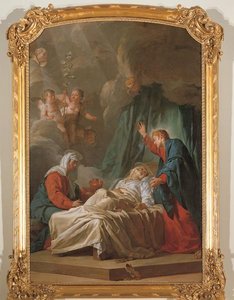
Nicolas-Guy Brenet died in Paris in 1792, leaving behind a substantial body of work that continues to be admired for its classical elegance, emotional depth, and historical significance. His son, Nicolas-Guy-Antoine Brenet, followed in his father’s footsteps as a medallist, further extending the family's artistic legacy. Brenet’s influence can be seen in the works of subsequent generations of French painters, particularly those who embraced the Troubadour style. He remains a vital figure in the history of art, a testament to the enduring power of classical ideals and the transformative potential of individual vision.
nicolas guy brenet
1728 - 1792
基本情報
- Artistic Movement Or Style: Academic Classicism, Poussin inspired
- Artists Or Movements Influenced By This Artist: ['Troubadour style']
- Artists Who Influenced This Artist:
- François Boucher
- Nicolas Poussin
- Date Of Birth: 1728-07-01
- Date Of Death: 1792-02-21
- Full Name: Nicolas-Guy Brenet
- Nationality: French
- Notable Artworks:
- The Greeks and Trojans...
- La mort de Du Guesclin
- Place Of Birth: Paris, France