

 プレビュー
プレビュー
 シェアする
シェアする シェアする
シェアする
 詳細を見る
詳細を見る

 ダウンロード
 似ている作品
 X線調査
X線調査 スライドショー
 Stats
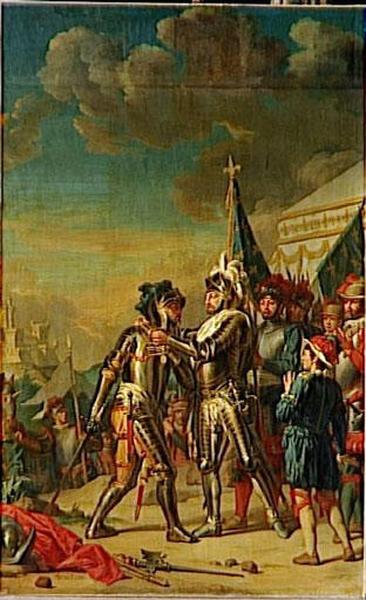
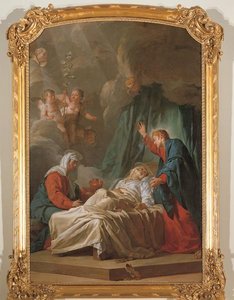
StatsHENRI II DONNE LE COLLIER DE L'ORDRE DE SAINT MICHEL AU MARECHAL DE TAVANNES, APRES LE COMBAT DE RENTY.13 AOUT 1554
 詳細を見る
詳細を見る
オンラインプレビューをはるかに凌ぐ、高解像度で鮮明なデジタル画像をご購入いただけます。
各ファイルは、社内の専門家が高度なツールと熟練した手作業によるレタッチを用いて、細心の注意を払って準備されています。すべての画像において、卓越した鮮明度、正確な色彩再現性、そして繊細なディテールを保証いたします。
最終ファイルは、プロフェッショナルな編集・印刷環境ですぐにご利用いただけるよう最適化された状態で、72時間以内にメールにてお届けいたします。これは、一流のデザインスタジオ、出版社、ギャラリーから信頼されているものと同等の品質です。
デジタルアート
個人での鑑賞、印刷、クリエイティブなプロジェクト用に、高解像度ファイルをダウンロードできます。 ( Switch to Print 手描きの絵画を購入)
デジタル画像のご注文に付随する特典
高品質なデジタル画像配信を、確かな品質で。
ArtsDot.com を選ぶことは、単に画像を手に入れることではありません。それは、プロの手によって精密に仕上げられ、満足保証が付いた高品質なデジタルアートワークを受け取ることを意味します。ご注文いただいた際に自動的に付随する内容は、以下の通りです:

メールですぐにお届け
ご注文から72時間以内に、高解像度のデジタル画像ファイルがメールでお手元に届きます。すぐにそのままご利用いただけます。

AI技術で最適化されたデジタルファイル
お客様の作品は、高度なAIツールと専門家による手作業の編集を組み合わせてプロフェッショナルに最適化されており、細部のディテール、鮮明さ、そして正確な色再現性を最大限に引き出しています。

一生涯無料の再送サービス
ファイルを誤って削除したり、紛失してしまったりしましたか?ご安心ください。いつでも無料で再送いたします。

輸入手数料は一切かかりません
関税や手数料、配送料を気にすることなく、お気に入りのアートワークをすぐにお楽しみいただけます。デジタルダウンロードは常に免税です。

色彩再現の保証
プロ仕様のツールとカラーマネジメント技術を用いることで、デジタル画像が元の色を最大限に忠実に再現することを保証いたします。

100日間満足保証
ご購入いただいたデジタル画像にご満足いただけない場合は、100日以内であれば、理由を問わず修正または100%の返金対応をさせていただきます。

100% 返金保証
ご満足いただけない場合は、デジタルファイルを受け取ってから100日以内であれば、理由を問わず全額返金いたします。

まとめ買い割引
3枚購入で10%OFF - 5枚購入で15%OFF - 10枚以上購入で20%OFF。クリエイティブなプロジェクト、ギャラリー、エージェンシーに最適です。
関連作品



作家の略歴
Nicolas-Guy Brenet: A Pioneer of Troubadour Classicism
Born in Paris in 1728, Nicolas-Guy Brenet’s life and artistic journey represent a fascinating confluence of influences – the formal training of François Boucher, a rejection of Rococo excess, and a profound engagement with the classical ideals championed by Nicolas Poussin. Brenet wasn't merely a painter; he was an architect of style, a pivotal figure in bridging the gap between the ornate elegance of the late 18th century and the burgeoning Romanticism that would soon sweep across Europe. His career unfolded against the backdrop of significant artistic shifts within France, marked by the rise of Neoclassicism and the enduring appeal of historical subjects.
Early in his career, Brenet’s apprenticeship under Boucher exposed him to the lavish techniques and decorative sensibilities characteristic of the Rococo style. However, a critical turning point arrived as he abandoned his master's manner, consciously choosing to emulate the rigorous compositions, balanced forms, and profound moral seriousness of Poussin – an artist whose influence on subsequent generations of painters was immense. This deliberate shift signaled a commitment to a more restrained, intellectual approach to painting, one rooted in classical principles of order and harmony.
The Montmerle Cycle: A Foundation in Religious Painting
Brenet’s early works, particularly his cycle of religious paintings commissioned for the Montmerle Charterhouse near Dijon, established him as a significant voice within French religious art. These canvases weren't characterized by flamboyant ornamentation or dramatic theatricality; instead, they possessed a quiet dignity and spiritual depth that resonated with the prevailing taste for contemplative piety. The compositions were meticulously structured, drawing heavily on Poussin’s influence – clear diagonals, carefully rendered light and shadow, and a focus on narrative clarity. These paintings demonstrated Brenet's ability to translate complex theological themes into visually compelling and emotionally resonant images.
The Montmerle cycle solidified Brenet’s reputation as a skilled painter capable of capturing the essence of religious narratives with both technical precision and artistic sensitivity. It also laid the groundwork for his later, more ambitious projects, particularly his monumental depiction of the Battle of the Greeks and Trojans over the Body of Patroclus.
The Epic Battle: A Revolutionary Composition
Brenet’s “Battle of the Greeks and Trojans over the Body of Patroclus” (circa 1781) stands as a landmark achievement in French art history. This colossal canvas, measuring an impressive 323 x 422 cm, represents a bold departure from traditional battle scenes – a genre typically dominated by dynamic action and heroic figures. Brenet’s interpretation of the episode from Homer's *Iliad* is profoundly different; it’s less about glorifying military prowess and more about exploring themes of loss, mortality, and the tragic consequences of conflict.
The composition itself is a masterpiece of classical design. The figures are arranged in carefully balanced diagonals, creating a sense of dramatic tension and spatial depth. Brenet masterfully employs light and shadow to heighten the emotional impact of the scene, emphasizing the vulnerability of the fallen warrior and the grim determination of the surviving combatants. Notably, he shifted the focus from the traditional heroic depiction of Achilles to that of Ajax, imbuing the scene with a new sense of pathos and human drama. This shift reflects Brenet’s broader interest in exploring the complexities of human experience beyond mere martial glory.
A Troubadour Vision: Foreshadowing Romanticism
Brenet's choice of medieval subjects – particularly his depictions of scenes from the *Iliad* and other classical narratives – was remarkably prescient. He anticipated a trend that would gain prominence in the 19th century, known as “Troubadour painting.” This style, characterized by its intimate portrayal of historical events, its focus on individual emotions, and its often melancholic tone, foreshadowed the Romantic movement’s emphasis on subjective experience and emotional intensity.
Brenet's work demonstrated a remarkable ability to synthesize classical principles with a distinctly modern sensibility. He wasn't simply replicating the styles of the past; he was reinterpreting them through his own artistic vision, creating images that were both timeless in their beauty and profoundly relevant to his contemporary audience. His legacy lies not only in his technical skill but also in his pioneering role as a bridge between tradition and innovation.
Legacy and Influence
Nicolas-Guy Brenet died in Paris in 1792, leaving behind a substantial body of work that continues to be admired for its classical elegance, emotional depth, and historical significance. His son, Nicolas-Guy-Antoine Brenet, followed in his father’s footsteps as a medallist, further extending the family's artistic legacy. Brenet’s influence can be seen in the works of subsequent generations of French painters, particularly those who embraced the Troubadour style. He remains a vital figure in the history of art, a testament to the enduring power of classical ideals and the transformative potential of individual vision.
nicolas guy brenet
1728 - 1792
プロフィール概要
- Artistic Movement Or Style: Academic Classicism, Poussin inspired
- Artists Or Movements Influenced By This Artist: ['Troubadour style']
- Artists Who Influenced This Artist:
- François Boucher
- Nicolas Poussin
- Date Of Birth: 1728-07-01
- Date Of Death: 1792-02-21
- Full Name: Nicolas-Guy Brenet
- Nationality: French
- Notable Artworks:
- The Greeks and Trojans...
- La mort de Du Guesclin
- Place Of Birth: Paris, France