

 プレビュー
プレビュー
 プリントを購入
 シェアする
シェアする シェアする
シェアする
 詳細を見る
詳細を見る

 ダウンロード
 似ている作品
 X線調査
X線調査 スライドショー
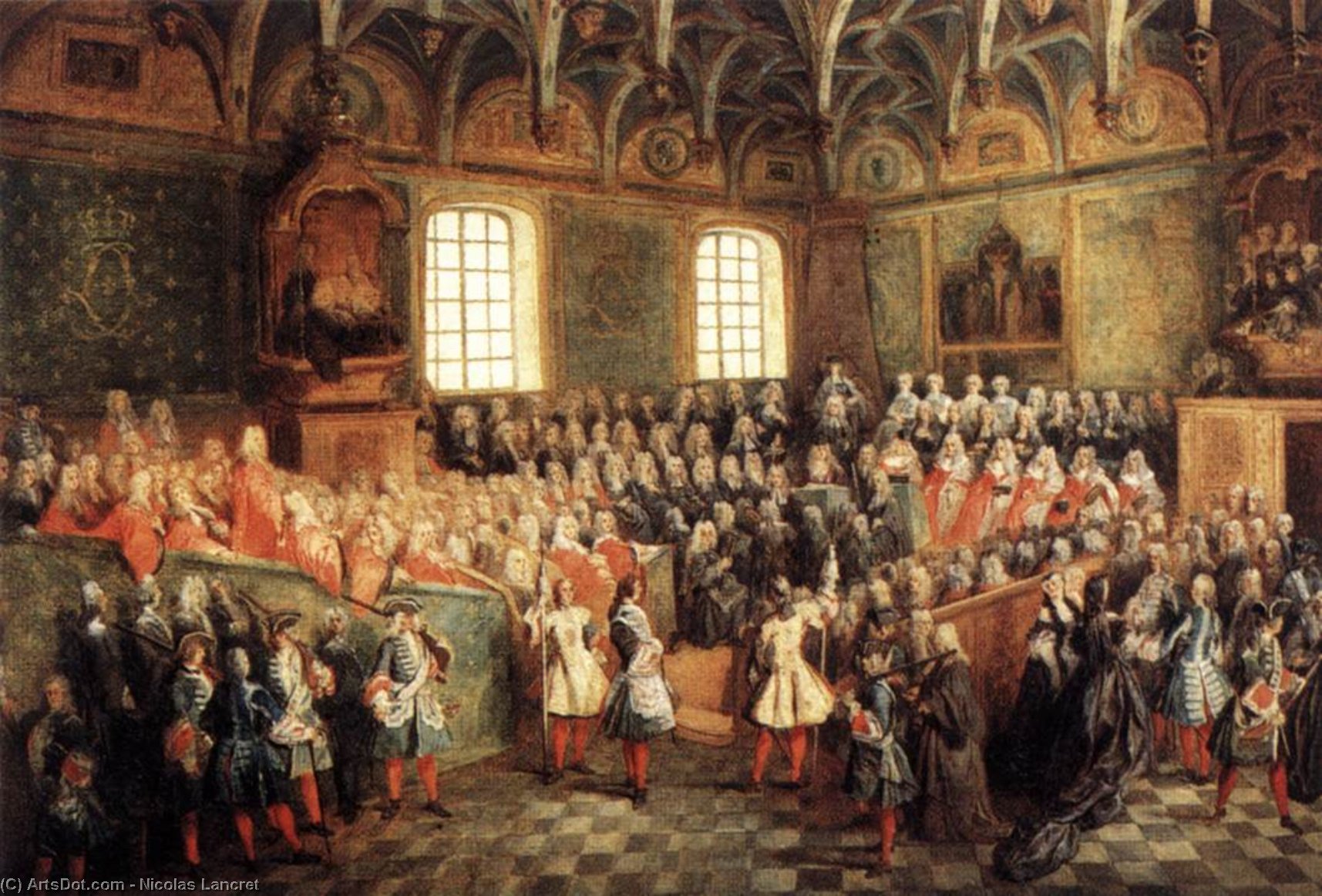
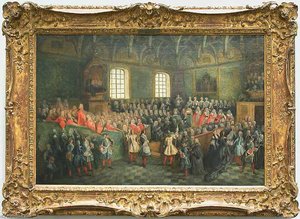
The Seat of Justice in the Parliament of Paris in 1723
 Oil On Canvas
- WallArt
- Rococo Charm
 1724
1724 56.0 x 81.0 cm
 ルーブル美術館
 詳細を見る
詳細を見る
オンラインプレビューをはるかに凌ぐ、高解像度で鮮明なデジタル画像をご購入いただけます。
各ファイルは、社内の専門家が高度なツールと熟練した手作業によるレタッチを用いて、細心の注意を払って準備されています。すべての画像において、卓越した鮮明度、正確な色彩再現性、そして繊細なディテールを保証いたします。
最終ファイルは、プロフェッショナルな編集・印刷環境ですぐにご利用いただけるよう最適化された状態で、72時間以内にメールにてお届けいたします。これは、一流のデザインスタジオ、出版社、ギャラリーから信頼されているものと同等の品質です。
デジタル画像のご注文に付随する特典
高品質なデジタル画像配信を、確かな品質で。
ArtsDot.com を選ぶことは、単に画像を手に入れることではありません。それは、プロの手によって精密に仕上げられ、満足保証が付いた高品質なデジタルアートワークを受け取ることを意味します。ご注文いただいた際に自動的に付随する内容は、以下の通りです:

メールですぐにお届け
ご注文から72時間以内に、高解像度のデジタル画像ファイルがメールでお手元に届きます。すぐにそのままご利用いただけます。

AI技術で最適化されたデジタルファイル
お客様の作品は、高度なAIツールと専門家による手作業の編集を組み合わせてプロフェッショナルに最適化されており、細部のディテール、鮮明さ、そして正確な色再現性を最大限に引き出しています。

一生涯無料の再送サービス
ファイルを誤って削除したり、紛失してしまったりしましたか?ご安心ください。いつでも無料で再送いたします。

輸入手数料は一切かかりません
関税や手数料、配送料を気にすることなく、お気に入りのアートワークをすぐにお楽しみいただけます。デジタルダウンロードは常に免税です。

色彩再現の保証
プロ仕様のツールとカラーマネジメント技術を用いることで、デジタル画像が元の色を最大限に忠実に再現することを保証いたします。

100日間満足保証
ご購入いただいたデジタル画像にご満足いただけない場合は、100日以内であれば、修正または100%の返金(理由を問う必要はありません)をさせていただきます。

100% 返金保証
ご満足いただけない場合は、デジタルファイルを受け取ってから100日以内であれば、理由を問わず全額返金いたします。

まとめ買い割引
3枚購入で10%OFF - 5枚購入で15%OFF - 10枚以上購入で20%OFF。クリエイティブなプロジェクト、ギャラリー、エージェンシーに最適です。
The Seat of Justice in the Parliament of Paris – A Rococo Window into Power
Nicolas Lancret’s “The Seat of Justice in the Parliament of Paris in 1723” is more than just a depiction of a courtroom; it's a meticulously crafted tableau vivant, a vibrant snapshot of power and social order within the heart of 18th-century France. Painted in 1724, this oil on canvas, measuring a modest yet significant 56 x 81 cm (approximately 22 x 32 inches), resides within the esteemed collection of the Musée du Louvre, offering a rare glimpse into the formal proceedings and subtle social dynamics of the Parlement de Paris. Lancret, a master of *fête galante* – scenes of elegant leisure and aristocratic gatherings – here skillfully blends elements of courtly formality with a distinctly Rococo sensibility, creating an image that is both visually arresting and intellectually stimulating.
The scene unfolds within a grand chamber, bathed in the diffused light streaming through two expansive windows. This natural illumination isn’t merely decorative; it underscores the importance of transparency and public scrutiny – core tenets of justice, even as they are subtly framed by the opulent setting. The room is populated with figures dressed in the elaborate attire characteristic of the period: powdered wigs, velvet coats, silk gowns, and shimmering brocades all speak to the wealth and status of those present. Men in suits and ties, a surprising anachronism within this historical scene, subtly hint at the evolving nature of governance and the gradual shift towards a more accessible form of authority.
A Masterclass in Rococo Light and Atmosphere
Lancret’s technique is characterized by its delicate handling of light and color. He eschews dramatic contrasts in favor of a softer, more atmospheric approach, typical of the Rococo style. The palette is rich yet restrained, dominated by pastel hues – pale blues, greens, pinks, and golds – that evoke a sense of refined elegance and understated luxury. Notice how Lancret uses *sfumato*—a subtle blurring of edges—to create an almost dreamlike quality, softening the sharp lines of the architecture and figures alike. This technique contributes significantly to the painting’s overall feeling of serenity and composure, despite the inherent formality of the subject matter.
The artist's attention to detail is remarkable. The textures of the fabrics are rendered with exquisite precision, from the heavy velvet of the judges’ robes to the delicate lace adorning the ladies’ gowns. The intricate patterns on the walls and floor – a testament to the wealth and taste of the Parlement – further enhance the sense of opulence. Lancret doesn't simply depict; he constructs an entire world, inviting the viewer to step into this meticulously rendered scene.
Symbolism and Social Commentary
Beyond its aesthetic beauty, “The Seat of Justice” offers a subtle commentary on the social hierarchy and power dynamics of 18th-century France. The positioning of the figures – with the judges seated in prominent positions and the other members of parliament arranged around them – clearly establishes the established order. However, Lancret’s use of light and shadow also suggests a degree of ambiguity. The diffused light doesn't illuminate everything equally; it highlights certain individuals and areas while leaving others in relative darkness, subtly hinting at the complexities of justice and the potential for hidden agendas.
The inclusion of the modern figures wearing suits and ties is particularly intriguing. It’s a deliberate juxtaposition, suggesting that even within the rigid framework of the Parlement, elements of modernity were beginning to infiltrate the established order. This subtle detail invites speculation about the future of governance and the evolving role of the judiciary.
A Timeless Portrait of Elegance and Order
“The Seat of Justice in the Parliament of Paris in 1723” is a captivating work that transcends its historical context. It’s not merely a record of a specific event; it's a timeless portrait of elegance, order, and the complexities of power. Lancret’s masterful technique, combined with his subtle use of symbolism, creates an image that continues to resonate with viewers today. Whether admired for its technical brilliance or appreciated for its insightful commentary on social dynamics, this painting remains a testament to the enduring appeal of Rococo art.
関連作品
作家の略歴
ニコラ・ランクレの生涯とロココ様式
1690年にパリで生まれたニコラ・ランクレは、フランスのロココ美術を代表する画家の一人です。彼の作品は、当時の貴族社会や日常生活を描き出し、優雅さと軽快さを特徴としています。詳細な記録は少ないものの、ランクレの芸術的な旅は、敬意を集める歴史画家ピエール・デュランのもとでの初期の訓練から始まりました。しかし、アントワーヌ・ワトーの作品との出会いが彼の芸術的指向性に決定的な影響を与えました。その後、ワトーの弟子であったジャン=バティスト・ギヨーのもとで学び、この時期の研鑽が、ランクレ独特のスタイルを確立する基礎となりました。それは、パリ社会の軽妙な描写や、*fêtes galantes*(優雅な野外パーティー)の祝祭を描くことで特徴づけられます。
芸術的様式と代表作
ランクレは、オルレアン公国の摂政時代からルイ15世の初期にかけてのフランス社会における日常生活を鮮やかに描き出す才能で知られるようになりました。彼の芸術的スタイルは、舞踏会、市、村の結婚式などの社交的な場面を描いた魅力的な作品によって特徴づけられ、当時の趣味やマナーを反映しています。彼はロココの優雅さと軽薄さを捉えることに長けていました。
- 代表作:
- *ジャムの朝食* (シャンティイ、コンデ美術館, 1735): 活気あふれる人物が描かれた、彼のジャンル画を代表する作品。
- *召使いの正当化* (1735-1740): ランクレが家庭生活を描く才能を示し、機知と魅力に満ちた作品です。
- *四隅遊び*: 人気のあるゲームの描写であり、社交的な交流のエネルギーと楽しさを捉えています。
- *マリー=アン・ド・カマルゴ* (1730): ファッション性の高い人物を描く彼の技術を示す肖像画です。
影響と遺産
ランクレの芸術的スタイルはワトーに強く似ており、美術史家たちはしばしば二人の比較を行います。一部の批評家は、ランクレの作品をワトーのものほど深遠ではないと考えていますが、18世紀フランス社会の本質を捉える彼の能力は、彼を芸術史における重要な地位を確立しました。彼の絵画は軽妙さと魅力で称賛され、ロココ時代の社会的慣習と美学に関する貴重な洞察を提供しています。ランクレの影響は、後の画家フランソワ・ブーシェに見られます。彼の作品は、ナショナル・ギャラリーやオルセー美術館など、世界中の著名なコレクションに収蔵されており、フランスのロココ美術への賞賛が今後も続くことを保証しています。
発展と歴史的意義
キャリアを通じて、ランクレは芸術的なアプローチを着実に進化させました。当初はワトーの影響を強く受けていましたが、より鮮やかな色彩と、人物と周囲の環境との調和のとれた関係性を特徴とする独自のスタイルを発展させました。彼の後期の作品、『魔法の提灯の展示』や『庭の家族』などは、彼の芸術的成果の頂点を示すものと考えられており、構成の中で深みと親密さを生み出す能力が高まっていることがわかります。ランクレの歴史的意義は、ロココ運動への貢献と、魅力的な絵画を通して18世紀フランスの社会生活や文化的価値を記録する能力にあります。
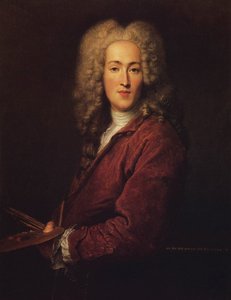
ニコラ・ランクレ
1690 - 1743 , フランス
プロフィール概要
- Artistic Movement Or Style: ロココ
- Artists Or Movements Influenced By This Artist: ['フランソワ・ブーシェ']
- Artists Who Influenced This Artist:
- ピエール・デュラン
- ジャン=バティスト・ギヨー
- アントワーヌ・ワトー
- Date Of Birth: 1690年1月22日
- Date Of Death: 1743年9月14日
- Full Name: ニコラ・ランクレ
- Nationality: フランス人
- Notable Artworks (List Of Titles):
- ジャムの朝食
- 召使の正当化
- 四隅遊び
- マリー=アン・カマルゴ
- Place Of Birth (City And Country): フランス、パリ