

 プリントを購入
 シェアする
シェアする シェアする
シェアする
 詳細を見る
詳細を見る

 ダウンロード
 似ている作品
 スライドショー
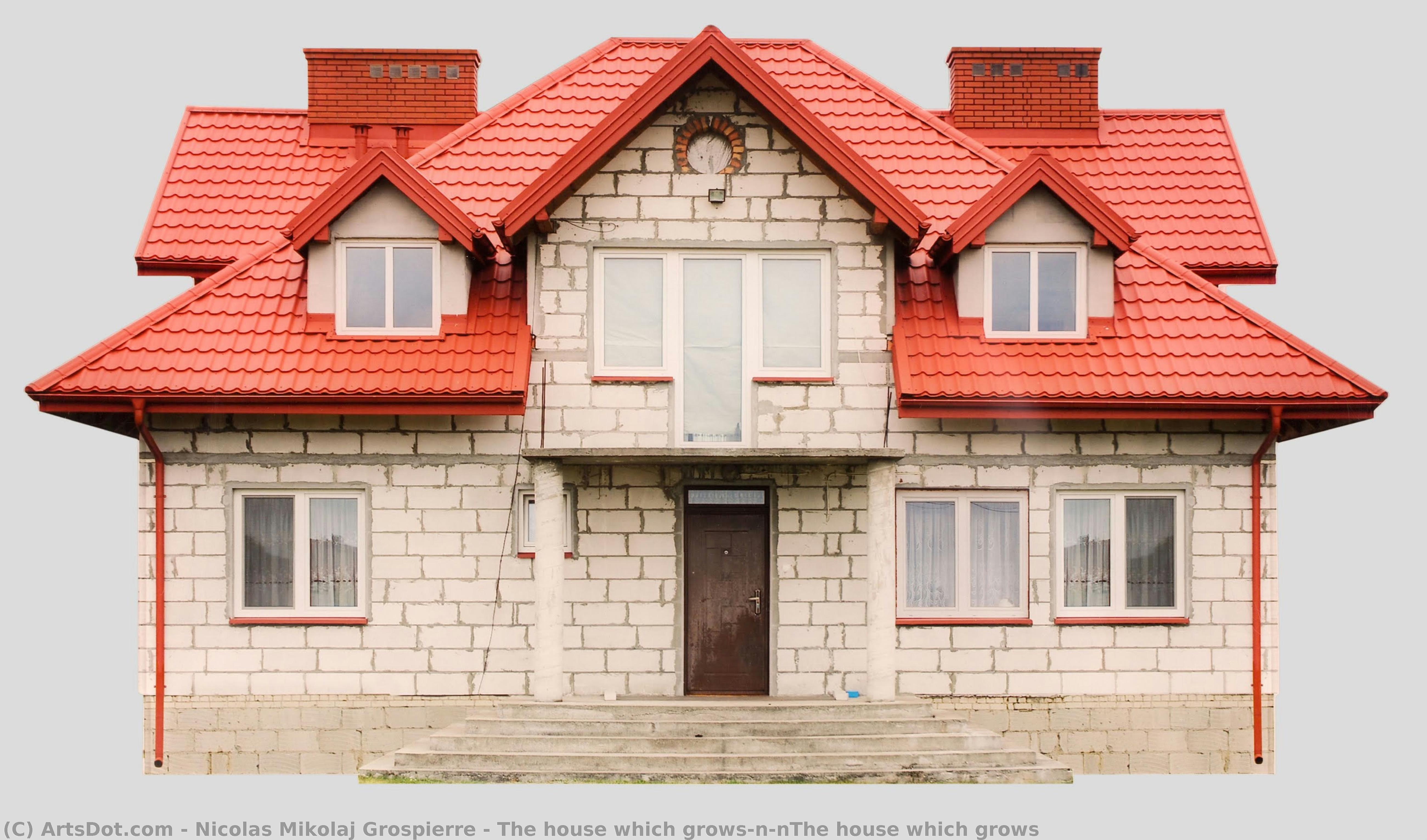
The house which grows\n\nThe house which grows


 詳細を見る
詳細を見る
オンラインプレビューをはるかに凌ぐ、高解像度で鮮明なデジタル画像をご購入いただけます。
各ファイルは、社内の専門家が高度なツールと熟練した手作業によるレタッチを用いて、細心の注意を払って準備されています。すべての画像において、卓越した鮮明度、正確な色彩再現性、そして繊細なディテールを保証いたします。
最終ファイルは、プロフェッショナルな編集・印刷環境ですぐにご利用いただけるよう最適化された状態で、72時間以内にメールにてお届けいたします。これは、一流のデザインスタジオ、出版社、ギャラリーから信頼されているものと同等の品質です。
デジタル画像のご注文に付随する特典
高品質なデジタル画像配信を、確かな品質で。
ArtsDot.com を選ぶことは、単に画像を手に入れることではありません。それは、プロの手によって精密に仕上げられ、満足保証が付いた高品質なデジタルアートワークを受け取ることを意味します。ご注文いただいた際に自動的に付随する内容は、以下の通りです:

メールですぐにお届け
ご注文から72時間以内に、高解像度のデジタル画像ファイルがメールでお手元に届きます。すぐにそのままご利用いただけます。

AI技術で最適化されたデジタルファイル
お客様の作品は、高度なAIツールと専門家による手作業の編集を組み合わせてプロフェッショナルに最適化されており、細部のディテール、鮮明さ、そして正確な色再現性を最大限に引き出しています。

一生涯無料の再送サービス
ファイルを誤って削除したり、紛失してしまったりしましたか?ご安心ください。いつでも無料で再送いたします。

輸入手数料は一切かかりません
関税や手数料、配送料を気にすることなく、お気に入りのアートワークをすぐにお楽しみいただけます。デジタルダウンロードは常に免税です。

色彩再現の保証
プロ仕様のツールとカラーマネジメント技術を用いることで、デジタル画像が元の色を最大限に忠実に再現することを保証いたします。

100日間満足保証
ご購入いただいたデジタル画像にご満足いただけない場合は、100日以内であれば、修正または100%の返金(理由を問う必要はありません)をさせていただきます。

100% 返金保証
ご満足いただけない場合は、デジタルファイルを受け取ってから100日以内であれば、理由を問わず全額返金いたします。

まとめ買い割引
3枚購入で10%OFF - 5枚購入で15%OFF - 10枚以上購入で20%OFF。クリエイティブなプロジェクト、ギャラリー、エージェンシーに最適です。
A Living Architecture: The Surreal Emergence of Grospierre
In the evocative realm of contemporary conceptual art, few works capture the imagination quite like "The house which grows." Created in 2012 by the visionary Nicolas Mikolaj Grospierre, this piece serves as a profound meditation on the boundary between the organic and the constructed. At first glance, the viewer is met with the striking sight of a grand red brick edifice, its white trim gleaming with a crisp, architectural precision. Yet, as the eye lingers, a sense of beautiful impossibility takes hold. The structure does not merely sit upon the earth; it appears to be erupting from it, an architectural organism fueled by some unseen subterranean force. This seamless integration of masonry and nature challenges our fundamental understanding of stability, suggesting that even our most solid monuments are subject to the fluid, transformative powers of growth and change.
The composition is masterfully layered, drawing the observer into a deep, complex landscape where the main house acts as a monumental protagonist. Beyond its primary walls, smaller structures emerge from the periphery, creating a sense of an expanding, living city that breathes alongside its inhabitants. The presence of a solitary figure near the center of the frame provides a vital sense of scale and human connection; this observer becomes our surrogate, standing in quiet contemplation of the architectural miracle unfolding before them. Through this careful arrangement, Grosp려는 invites us to witness a moment of metamorphosis, where the rigid lines of human design surrender to the wilder impulses of biological expansion.
The Intersection of Photography and Paradox
Grospierre’s technique is rooted in his unique ability to blend the precision of architectural documentation with the dreamlike quality of surrealism. While his background is deeply tied to the study of modernist architecture and sociological observation, "The house which grows" transcends mere photography to become a piece of visual poetry. The artist utilizes light and texture to emphasize the tactile reality of the red brick and the sharp geometry of the triangular roof, making the impossible scene feel tangibly real. This tension between hyper-realism and conceptual fantasy is what gives the work its enduring power. It is not merely a picture of a building; it is an exploration of a paradox, where the heavy weight of stone is imbued with the lightness of life.
For the discerning collector or interior designer, this artwork offers more than just aesthetic beauty; it provides a conversational centerpiece that stimulates thought and emotion. The rich, warm tones of the brickwork paired with the stark white accents make it an adaptable masterpiece for sophisticated environments, from modern minimalist galleries to classic, stately libraries. To possess a reproduction of this work is to invite a sense of wonder into one's space, reminding all who view it that even within the most structured environments, there exists the potential for unexpected growth and profound transformation.
関連作品
作家の略歴
Nicolas Grospierre: Architect of Paradox and the Silent City
Born in Geneva, Switzerland, in 1975, Nicolas Grospierre’s artistic journey is a fascinating convergence of political science, sociological observation, and a profound engagement with architecture. His work transcends simple documentation; instead, he crafts meticulously constructed narratives that expose the underlying structures – both physical and conceptual – shaping our world. From his early studies in Paris and London to his current base in Warsaw, Poland, Grospierre has consistently sought to reveal the hidden dialogues within spaces, prompting viewers to question assumptions and confront uncomfortable truths.
Grospierre’s initial fascination with photography stemmed not from a desire for purely aesthetic representation but rather from a need to understand the social and political contexts embedded within built environments. This led him away from a conventional career path and towards a more critical, conceptual approach. His early projects, including the seminal “Portraying Communities: Kamionka” (2001), offered intimate portraits of an alternative community nestled in the outskirts of Lublin, Switzerland. These photographs weren’t merely snapshots; they were carefully considered studies of human interaction within a specific, self-defined ecosystem – a deliberate departure from the detached gaze often associated with documentary photography.
The New Documentalists and Architectural Typologies
Grospierre's work aligns him strongly with the “New Documentalists” group, a movement that emerged in Poland during the early 2000s. Spearheaded by Adam Mazur at the Centre for Contemporary Art Ujazdowski Castle, this collective sought to move beyond traditional documentary photography’s sentimental approach, favoring instead a cool, analytical perspective. Grospierre's meticulous attention to detail and his ability to distill complex social dynamics into visually arresting images perfectly embody this ethos. His subsequent projects, such as documenting the prisoners and workers of the Podgórze jail outside Kraków (2002-2003), demonstrated a willingness to engage with difficult subjects while maintaining a critical distance – a hallmark of the New Documentalists.
A key element of Grospierre’s artistic practice is his exploration of architectural typologies. He doesn't simply photograph buildings; he dissects them, revealing their underlying systems and exposing the often-unacknowledged forces that shape our experience of space. This approach is evident in projects like “The Library” (2006), where a seemingly ordinary library was transformed into a surreal, Borges-inspired labyrinth – a visual commentary on the limitations of knowledge and the endless possibilities within information. Similarly, his collaboration with Olga Mokrzycka on "A glass shard in the eye" (2014) used photographic repetition to create an immersive experience that challenged perceptions of reality.
Venice Biennale Recognition and Conceptual Depth
Grospierre’s work gained international recognition at the 2008 Venice Architecture Biennale, where he, alongside Kobas Laksa, was awarded the prestigious Golden Lion for their project “Hotel Polonia – The Afterlife of Buildings.” This ambitious undertaking reimagined several iconic Warsaw buildings—including the Rondo 1 and Metropolitan office towers, as well as the cathedral in Licheń—not as symbols of progress but as potential sites of decay and social disruption. Laksa’s accompanying photo-montages further amplified this critique, predicting a bleak future shaped by economic hardship and political instability. This project underscored Grospierre's ability to imbue architectural forms with potent symbolic meaning, transforming familiar structures into vehicles for critical commentary.
Ongoing Exploration and Persistent Paradox
Since the Venice Biennale, Grospierre has continued to explore themes of architecture, society, and the human condition through a diverse range of projects. His work often incorporates elements of conceptual art, utilizing techniques such as photo-montage and repetition to create layered narratives that invite prolonged contemplation. Recent exhibitions, including “Lapis Mundi” (2022) at the Museum of the Earth in Warsaw and "Deeper than the Abyss" (2023) at Dela Art Collection, showcase his ongoing commitment to challenging conventional perspectives and exposing the underlying tensions within our built environment. His persistent engagement with paradox – the simultaneous presence of beauty and decay, order and chaos – ensures that Grospierre’s work remains both intellectually stimulating and profoundly evocative.

nicolas mikolaj grospierre
1975 - , Switzerland
プロフィール概要
- Artistic Movement Or Style: Conceptual photography, modernist architecture
- Artists Or Movements Influenced By This Artist: ['Bechers']
- Artists Who Influenced This Artist:
- Ed Ruscha
- Dan Graham
- Date Of Birth: September 28, 1975
- Full Name: Nicolas Mikolaj Grospierre
- Nationality: French-Polish
- Notable Artworks:
- Hotel Polonia
- The Library
- Polonia Hotel
- Place Of Birth: Geneva, Switzerland