 プレビュー
プレビュー
 プリントを購入
 シェアする
シェアする シェアする
シェアする
 詳細を見る
詳細を見る

 ダウンロード
 似ている作品
 X線調査
X線調査 スライドショー
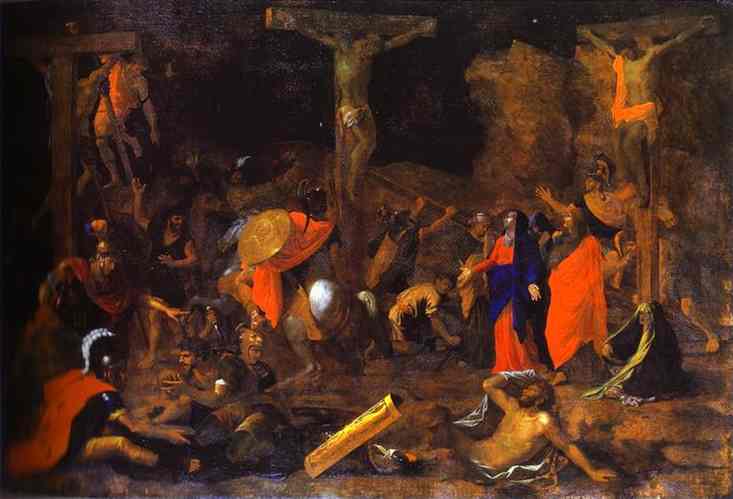
The crucifixion

 詳細を見る
詳細を見る




P118B $10

P118H $10

P118W $10

P438Z $10

P508JH $12

P508YH $12

P805H $10

P805Z $10

P919BZ $10

P919G $10

P919XJ $10

P959ZH $10

P968JZ $12

W106C $8

W218G $10

W218JH $8

W218Y $10

W307PJ $10

W316G $10

W316PJ $8

W316Y $10

W398PJ $8

W4111J $10

W500HY $15

W500JH $15

W692G $12

W849H $8

W940BG $15

W953PJ $8




作品のオリジナル比率に合わせた、当店の規定サイズからお選びください。

特定のフレームやスペースに合わせて、ご希望のサイズをご入力いただけます。選択されたサイズが元の画像の比率と異なる場合、アートワークをトリミングするか、手描きで要素を追加して絵画を拡張いたします。デジタルモックアップ を制作し、制作開始前にご確認(承認)をいただきます。
画面上のプレビューは、実際のトリミングや拡張を正確に反映しているものではありません。最終的な構図は、モックアップによってのみ正確にご確認いただけます。
カスタムサイズもご利用いただけますが、元の比率を維持するためには、あらかじめ用意されたリストからサイズを選択することをお勧めいたします。
ご注文後、ArtsDot.com チームより詳細な指示をお送りするとともに、仕上がりイメージ(モックアップ)をご提供いたします。


 ガラスオプションは、110cm未満のサイズでのみご利用いただけます。

The crucifixion
複製技法
複製画のサイズ
-


合計金額
$ 263
作品解説
A Vision of Sorrow and Divine Presence: Exploring Nicolas Poussin’s “The Crucifixion”
Nicolas Poussin, a figure whose legacy transcends mere artistic skill—he embodies the very spirit of classical contemplation within the burgeoning Baroque era—continues to captivate audiences centuries after his death in 1665. Born in Le Havre, France, his formative years were marked by an early exposure to humanist ideals and artistic experimentation, albeit tempered by a profound connection to Italian Renaissance aesthetics. While brief academic pursuits in Paris initially absorbed influences from contemporaries like Valentin Leblanc, it was the transformative pilgrimage to Rome in 1624 that irrevocably shaped Poussin’s artistic trajectory. This journey wasn't simply about acquiring knowledge; it was an encounter with the grandeur of antiquity—a deliberate embrace of Greco-Roman principles that would become the cornerstone of his distinctive style.- Subject Matter: The painting depicts a solemn tableau of Christ’s crucifixion, capturing a pivotal moment in Christian faith and history. It portrays Jesus suspended on the cross amidst a gathering of mourners—a scene laden with pathos and conveying profound spiritual significance.
- Style: Poussin's artistic approach firmly establishes itself within the Baroque tradition yet simultaneously harkens back to the idealized forms and serene compositions characteristic of Mannerism. He skillfully blends elements of both styles, resulting in an image that possesses a remarkable balance between dynamism and stillness—a hallmark of his oeuvre.
Technique: Venetian Influence Meets Classical Precision
Poussin’s mastery lies not only in his subject matter but also in his meticulous technique. Like many artists of his time, he drew inspiration from the Venetian painters—particularly Titian—whose use of rich color palettes and luminous brushstrokes instilled a sensual vibrancy into his canvases. However, unlike the expressive fervor of Venetian art, Poussin prioritized clarity and intellectual rigor. He employed a glazing technique—a layering process where thin washes of translucent pigment are applied over subsequent layers—to achieve unparalleled depth and luminosity. This method allowed him to capture subtle gradations of light and shadow, creating an illusionistic space that transports the viewer into the scene.Historical Context: Rome as Crucible of Artistic Innovation
Poussin’s artistic development unfolded against the backdrop of Rome—a city undergoing a renaissance of artistic patronage and intellectual fervor. The papal court actively championed classical ideals, fostering an environment where artists could explore humanist themes and engage in dialogues with ancient texts and sculptures. This context profoundly influenced Poussin's worldview and fueled his desire to emulate the achievements of Greek and Roman masters. His depiction of the crucifixion reflects this broader cultural preoccupation—a deliberate effort to convey moral truths through visual representation.Symbolism: Grief, Faith, and Divine Mercy
The painting’s symbolism resonates deeply with Christian iconography. The mourners surrounding the cross represent humanity grappling with sorrow and despair—yet their gaze is directed upwards toward Christ, symbolizing faith and hope amidst suffering. The inclusion of a donkey underscores the humility associated with Jesus's journey to Jerusalem, reinforcing the narrative's moral dimension. Furthermore, Poussin’s masterful composition directs the viewer’s eye towards the central figure—a deliberate strategy designed to evoke contemplation and inspire reverence.Emotional Impact: A Portrait of Profound Sorrow
Ultimately, “The Crucifixion” transcends mere visual representation; it communicates a palpable emotional experience. The subdued color palette—dominated by earthy tones—contributes to the painting’s solemn atmosphere, mirroring the grief and compassion expressed by the figures depicted. Poussin's meticulous attention to detail—from the folds of drapery to the expressions on the faces of the mourners—creates an image that compels viewers to confront the profound realities of human suffering and divine mercy. It remains a testament to Poussin’s ability to transform historical narrative into enduring artistic beauty.関連作品
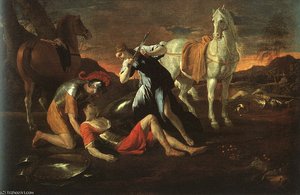

アーティストの略歴
ニコラ・プーサン:古典の精神を体現した画家
フランス絵画史において、ニコラ・プーサンはその名が古典主義の頂点を象徴する。1594年ノルマンディー地方のレ・アンデリーで生まれ、生涯の多くをローマで過ごした彼は、単なる風景を描く画家ではなく、古代ギリシア・ローマの世界に深く根ざし、その精神を絵画を通して表現した芸術家だった。幼少期からラテン語や文学に触れ、才能ある画家であったクアントゥ・ヴァランの下で基礎を学んだプーサンは、1612年にパリへ移り、ジョルジュ・ラルレマンやフェルディナン・エルの工房で研鑽を積む。しかし、彼の芸術的運命を決定づけたのは、1624年のローマへの旅だった。そこは、古代の遺産が息づく地であり、プーサンにとって無限のインスピレーションを与え続ける聖地となったのである。初期の作品にはヴェネツィア派の影響が見られ、ティツィアーノのような色彩豊かな表現も覗かせるものの、すぐに秩序と知的な厳格さが彼のスタイルを特徴づけるようになる。ローマでの成熟:古典理想の追求
ローマはプーサンにとって単なる制作拠点ではなく、芸術的・知的探求の場となった。カシアノ・ダル・ポッツォとの出会いは、彼の人生における重要な転換点となる。ダル・ポッツォの古代遺跡に対する深い理解と記録への情熱は、プーサンに歴史的正確さと普遍的な美を追求する姿勢を植え付けた。ローマでの生活を通して、プーサンはラファエロの作品を徹底的に研究し、その調和のとれた構成と優雅な形態を取り入れながらも、独自の芸術世界を構築していく。古代彫刻や文献からもインスピレーションを得て、彼の絵画は単なる物語の再現ではなく、道徳的・哲学的理想を体現した高尚な芸術へと昇華していった。プーサンは、感情的な奔放さを排し、明瞭さ、均衡、そして線描による構成を重視することで、古典主義絵画の新たな地平を開いたのである。歴史、神話、そして聖なる主題
プーサンの作品は、古代史、神話、宗教といった多様なテーマを探求しているが、その根底には常に普遍的な人間経験への深い洞察があった。ネルガリクスの死という悲劇を描くことで、彼は人間の運命の儚さと高潔さを表現し、神話画においては、単なる物語の再叙述ではなく、人間の本質や哲学的な考察を深める試みを見せている。『アルカディア』シリーズ、特に象徴的な『エト・イン・アルカディア・エゴ(我もまたアルカディアに)』は、死と記憶、そして過ぎ去りゆく時間という普遍的なテーマを深く掘り下げた作品として知られている。七つの秘跡の連作は、プーサンが神学的な理解と構成力を結集した壮大な試みであり、宗教画においても感情的な過剰さを避け、静謐で威厳のある表現を追求していることがわかる。晩年には、広大な風景を描くことで、自然との調和や精神的な安寧を表現し、人間の内面世界との深いつながりを暗示している。フランス美術への影響と遺産
プーサンは、一時的にフランスに戻りルイ13世の宮廷画家として活動したものの、その職務に苦悩し、すぐにローマへと帰還した。しかし、彼の古典主義的な芸術思想は、フランス美術に多大な影響を与え、アカデミー・ロワイヤル・ド・ペinture エ スкульпチュールにおいて重要な役割を果たした。ジャック=ルイ・ダヴィッドやポール・セザンヌといった後世の画家たちは、プーサンの厳格なアプローチと知的な深遠さに感銘を受け、その影響を強く受けた。プーサンは、単なる様式模倣を超え、秩序、明瞭さ、そして古典的理想への揺るぎない信念を体現した芸術家として、フランス絵画史に不朽の足跡を残したのである。- 主要作品: 『ネルガリクスの死』、『七つの秘跡シリーズ』、『ローマ街道』、『オリオンの盲目』、『四季』
- 特徴: 古典的な構成、線描による表現、歴史的・神話的主題、静謐な風景描写
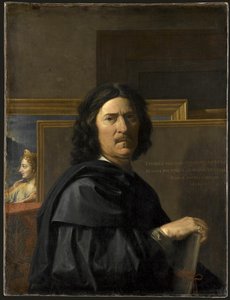
ニコラ・プーサン
1594 - 1665 , フランス
基本情報
- フルネーム: ニコラ・プーサン
- 主な作品:
- Germanicusの死
- 七つの秘跡シリーズ
- ローマの道
- オリオン
- 四季
- 出生地: ル・アーヴル、フランス
- 国籍: フランス
- 影響を与えたアーティスト:
- ジャック=ルイ・ダヴィッド
- ポール・セザンヌ
- 影響を受けたアーティスト:
- ラファエロ
- ティツィアーノ
- 死亡年月日: 1665年11月19日
- 生年月日: 1594年6月
- 芸術運動またはスタイル: バロック、クラシシズム
関連記事

Baroque Classicism: Reconciling Drama & Order in 17th-Century Art
Explore the captivating world of Baroque Classicism! Discover its history, key artists like Caravaggio & Rubens, and defining characteristics. Expert insights & high-quality reproductions at ArtsDot.
Neo-Classicism's Greatest Hits: 10 Masterpieces for Your Home |
Journey through Neo-Classicism's finest! Explore 10 iconic masterpieces by David, Ingres & Canova. Discover art history, techniques & timeless beauty – perfect for inspiring your home decor. Find museum-quality reproductions at

Giclée Prints: Archival Quality & Aesthetic Nuances for the Discerning Collector
Explore the world of giclée prints with ArtsDot. Learn about archival quality, aesthetic nuances & investment potential. Expert guidance for discerning art collectors seeking museum-quality reproductions and lasting value.

バロックのドラマ:現代のインテリアに壮麗さと情感を取り込む
バロック様式の歴史、絵画、家具の魅力をご紹介。ArtsDotでは、高品質な油絵複製やカスタムポートレートをご提供し、現代のインテリアに壮麗さと情感を取り入れます。アートコンサルテーションも承ります。

Echoes of Time: Exploring the Enduring Appeal & Historical Context of Vintage Art Prints
Explore the captivating world of vintage art prints! Discover their history, collecting tips & enduring appeal. Expert insights on chromolithography and building a legacy collection with ArtsDot.