

 プレビュー
プレビュー
 シェアする
シェアする シェアする
シェアする
 詳細を見る
詳細を見る

 ダウンロード
 似ている作品
 X線調査
X線調査 スライドショー
 Stats
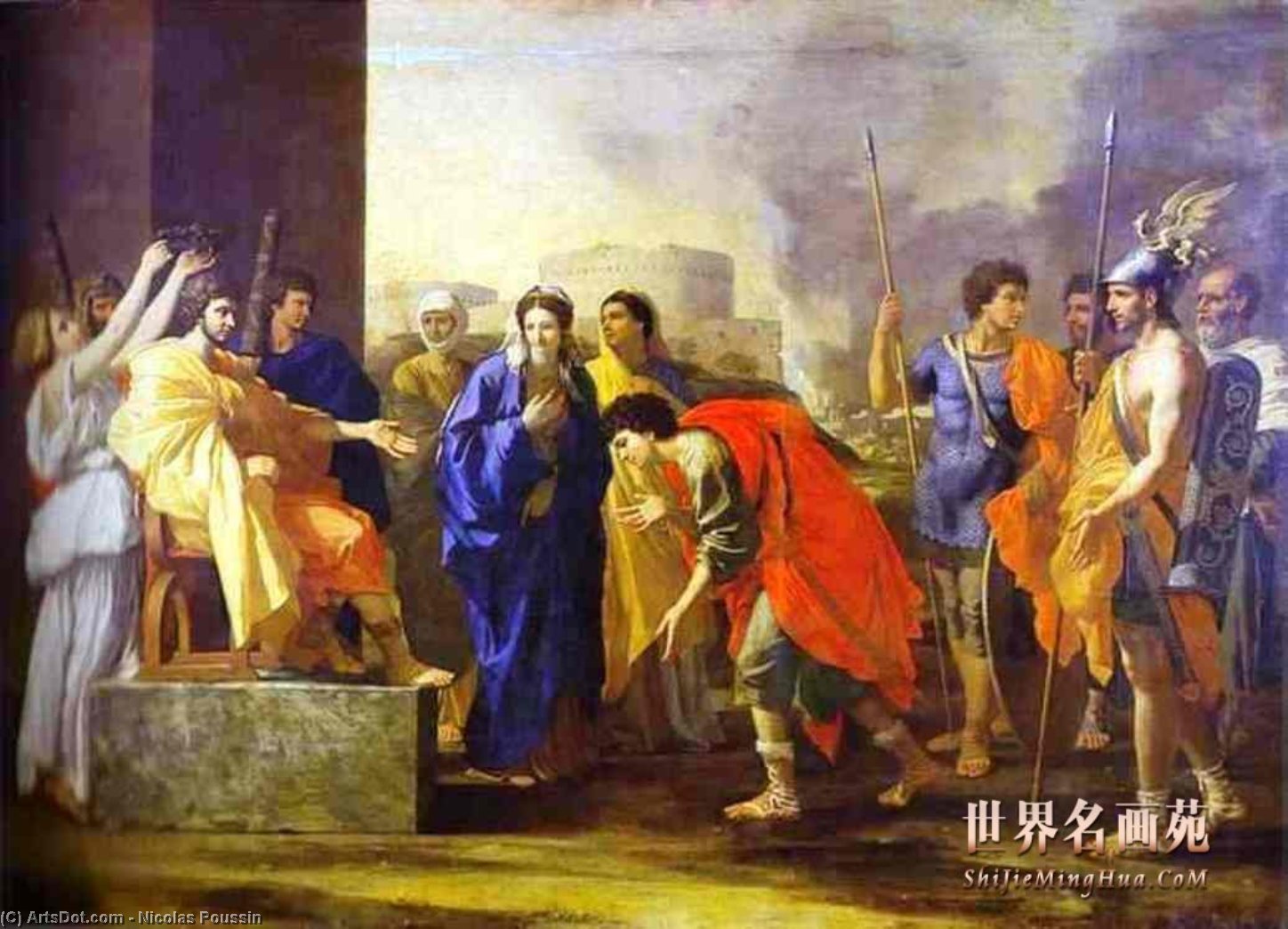
StatsThe Noble Deed of Scipio


 詳細を見る
詳細を見る
オンラインプレビューをはるかに凌ぐ、高解像度で鮮明なデジタル画像をご購入いただけます。
各ファイルは、社内の専門家が高度なツールと熟練した手作業によるレタッチを用いて、細心の注意を払って準備されています。すべての画像において、卓越した鮮明度、正確な色彩再現性、そして繊細なディテールを保証いたします。
最終ファイルは、プロフェッショナルな編集・印刷環境ですぐにご利用いただけるよう最適化された状態で、72時間以内にメールにてお届けいたします。これは、一流のデザインスタジオ、出版社、ギャラリーから信頼されているものと同等の品質です。
デジタルアート
個人での鑑賞、印刷、クリエイティブなプロジェクト用に、高解像度ファイルをダウンロードできます。 ( Switch to Print 手描きの絵画を購入)
デジタル画像のご注文に付随する特典
高品質なデジタル画像配信を、確かな品質で。
ArtsDot.com を選ぶことは、単に画像を手に入れることではありません。それは、プロの手によって精密に仕上げられ、満足保証が付いた高品質なデジタルアートワークを受け取ることを意味します。ご注文いただいた際に自動的に付随する内容は、以下の通りです:

メールですぐにお届け
ご注文から72時間以内に、高解像度のデジタル画像ファイルがメールでお手元に届きます。すぐにそのままご利用いただけます。

AI技術で最適化されたデジタルファイル
お客様の作品は、高度なAIツールと専門家による手作業の編集を組み合わせてプロフェッショナルに最適化されており、細部のディテール、鮮明さ、そして正確な色再現性を最大限に引き出しています。

一生涯無料の再送サービス
ファイルを誤って削除したり、紛失してしまったりしましたか?ご安心ください。いつでも無料で再送いたします。

輸入手数料は一切かかりません
関税や手数料、配送料を気にすることなく、お気に入りのアートワークをすぐにお楽しみいただけます。デジタルダウンロードは常に免税です。

色彩再現の保証
プロ仕様のツールとカラーマネジメント技術を用いることで、デジタル画像が元の色を最大限に忠実に再現することを保証いたします。

100日間満足保証
ご購入いただいたデジタル画像にご満足いただけない場合は、100日以内であれば、理由を問わず修正または100%の返金対応をさせていただきます。

100% 返金保証
ご満足いただけない場合は、デジタルファイルを受け取ってから100日以内であれば、理由を問わず全額返金いたします。

まとめ買い割引
3枚購入で10%OFF - 5枚購入で15%OFF - 10枚以上購入で20%OFF。クリエイティブなプロジェクト、ギャラリー、エージェンシーに最適です。
The Enduring Virtue: Exploring Nicolas Poussin’s “The Noble Deed of Scipio”
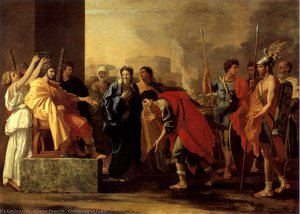
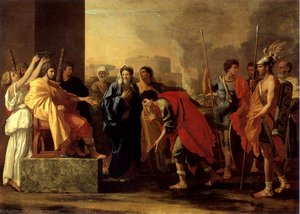
Nicolas Poussin's "The Noble Deed of Scipio," painted around 1640, isn’t merely a historical scene; it’s a profound meditation on honor, restraint, and the enduring values of ancient Rome. This captivating work, now residing within the esteemed Pushkin State Museum in Moscow, offers a glimpse into the Baroque era's masterful command of light, composition, and emotional resonance – qualities that continue to enthrall viewers centuries later. Poussin, already establishing himself as a leading figure in French art, meticulously crafted this scene based on a Roman legend: the story of Scipio Africanus’s act of chivalry—returning a captive woman to her awaiting fiancé after she had been briefly held by his soldiers. More than just a recounting of an event, Poussin elevates it into a potent allegory for human virtue.
The painting immediately draws the eye with its carefully orchestrated arrangement. The central figures – Scipio himself and the young woman—are positioned within a shallow space, creating a sense of intimacy and immediacy. Notice how Poussin employs a subtle pyramidal composition, guiding the viewer’s gaze upward towards Scipio, who stands in a commanding red robe, a color traditionally associated with nobility and leadership. This vibrant hue contrasts beautifully with the pristine white of the woman's dress, symbolizing her innocence and purity—a visual shorthand for virtue itself. The surrounding figures – soldiers, attendants, and other Roman nobles – are rendered with remarkable detail, each contributing to the scene’s overall sense of dignity and importance. The artist’s skill in depicting textures—the folds of the robes, the sheen of armor, the delicate fabric of the woman's dress—is truly astonishing.
A Symphony of Light and Shadow: Poussin’s Baroque Technique
Poussin was a master of *chiaroscuro*, the dramatic use of light and shadow, a hallmark of the Baroque style. He doesn’t simply illuminate the scene; he sculpts it with light, creating depth and emphasizing key elements. Observe how the light falls across Scipio's face, highlighting his noble expression and conveying a sense of solemn resolve. The shadows deepen the background, receding into an atmospheric haze that suggests distance and adds to the painting’s overall mood. This masterful manipulation of light isn’t just aesthetic; it serves to heighten the emotional impact of the scene, reinforcing Scipio's virtuous act.
Furthermore, Poussin’s meticulous attention to detail is evident in every aspect of the composition. The swords and military equipment scattered throughout the painting serve as a poignant reminder of the context—a world of war and conquest. However, they are presented not as symbols of aggression but rather as elements that underscore Scipio's restraint and self-control. The artist’s use of linear perspective – creating an illusion of depth through converging lines – is exceptionally precise, contributing to the painting’s realism and sense of spatial coherence. The subtle variations in color and tone further enhance this effect, drawing the viewer into the scene.
Symbolism Woven into the Narrative
Beyond its technical brilliance, “The Noble Deed of Scipio” is rich in symbolism. The red robe worn by Scipio isn’t simply a signifier of his status; it represents his commitment to honor and justice. The woman's white dress symbolizes her vulnerability and innocence—a virtue that Scipio protects with unwavering restraint. Even the background landscape, rendered with atmospheric perspective, contributes to the painting’s symbolic meaning, evoking a sense of timelessness and moral grandeur. The presence of the attendants, some gesturing towards the scene, subtly reinforces the importance of this particular act.
A Legacy of Classical Ideals
Poussin's work stands as a testament to his deep engagement with classical ideals—particularly those of ancient Rome. He sought to capture not just the outward appearance of historical events but also their underlying moral significance. “The Noble Deed of Scipio” is more than just a beautiful painting; it’s an invitation to contemplate the enduring values of honor, restraint, and compassion – qualities that remain relevant today. As a work deeply rooted in classical tradition, Poussin's influence can be seen throughout the course of Western art history, inspiring generations of artists with his masterful technique and profound understanding of human nature. For those seeking a stunning reproduction or a deeper appreciation of this iconic masterpiece, ArtsDot offers meticulously crafted hand-painted reproductions that faithfully capture the essence of Poussin’s vision.
作家の略歴
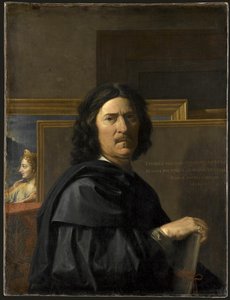
ニコラ・プーサン:古典の精神を体現した画家
フランス絵画史において、ニコラ・プーサンはその名が古典主義の頂点を象徴する。1594年ノルマンディー地方のレ・アンデリーで生まれ、生涯の多くをローマで過ごした彼は、単なる風景を描く画家ではなく、古代ギリシア・ローマの世界に深く根ざし、その精神を絵画を通して表現した芸術家だった。幼少期からラテン語や文学に触れ、才能ある画家であったクアントゥ・ヴァランの下で基礎を学んだプーサンは、1612年にパリへ移り、ジョルジュ・ラルレマンやフェルディナン・エルの工房で研鑽を積む。しかし、彼の芸術的運命を決定づけたのは、1624年のローマへの旅だった。そこは、古代の遺産が息づく地であり、プーサンにとって無限のインスピレーションを与え続ける聖地となったのである。初期の作品にはヴェネツィア派の影響が見られ、ティツィアーノのような色彩豊かな表現も覗かせるものの、すぐに秩序と知的な厳格さが彼のスタイルを特徴づけるようになる。ローマでの成熟:古典理想の追求
ローマはプーサンにとって単なる制作拠点ではなく、芸術的・知的探求の場となった。カシアノ・ダル・ポッツォとの出会いは、彼の人生における重要な転換点となる。ダル・ポッツォの古代遺跡に対する深い理解と記録への情熱は、プーサンに歴史的正確さと普遍的な美を追求する姿勢を植え付けた。ローマでの生活を通して、プーサンはラファエロの作品を徹底的に研究し、その調和のとれた構成と優雅な形態を取り入れながらも、独自の芸術世界を構築していく。古代彫刻や文献からもインスピレーションを得て、彼の絵画は単なる物語の再現ではなく、道徳的・哲学的理想を体現した高尚な芸術へと昇華していった。プーサンは、感情的な奔放さを排し、明瞭さ、均衡、そして線描による構成を重視することで、古典主義絵画の新たな地平を開いたのである。歴史、神話、そして聖なる主題
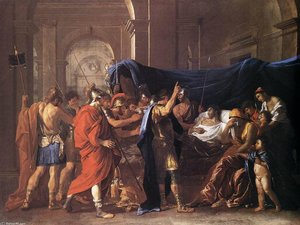
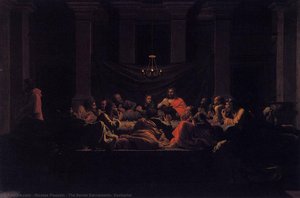
プーサンの作品は、古代史、神話、宗教といった多様なテーマを探求しているが、その根底には常に普遍的な人間経験への深い洞察があった。ネルガリクスの死という悲劇を描くことで、彼は人間の運命の儚さと高潔さを表現し、神話画においては、単なる物語の再叙述ではなく、人間の本質や哲学的な考察を深める試みを見せている。『アルカディア』シリーズ、特に象徴的な『エト・イン・アルカディア・エゴ(我もまたアルカディアに)』は、死と記憶、そして過ぎ去りゆく時間という普遍的なテーマを深く掘り下げた作品として知られている。七つの秘跡の連作は、プーサンが神学的な理解と構成力を結集した壮大な試みであり、宗教画においても感情的な過剰さを避け、静謐で威厳のある表現を追求していることがわかる。晩年には、広大な風景を描くことで、自然との調和や精神的な安寧を表現し、人間の内面世界との深いつながりを暗示している。フランス美術への影響と遺産
プーサンは、一時的にフランスに戻りルイ13世の宮廷画家として活動したものの、その職務に苦悩し、すぐにローマへと帰還した。しかし、彼の古典主義的な芸術思想は、フランス美術に多大な影響を与え、アカデミー・ロワイヤル・ド・ペinture エ スкульпチュールにおいて重要な役割を果たした。ジャック=ルイ・ダヴィッドやポール・セザンヌといった後世の画家たちは、プーサンの厳格なアプローチと知的な深遠さに感銘を受け、その影響を強く受けた。プーサンは、単なる様式模倣を超え、秩序、明瞭さ、そして古典的理想への揺るぎない信念を体現した芸術家として、フランス絵画史に不朽の足跡を残したのである。- 主要作品: 『ネルガリクスの死』、『七つの秘跡シリーズ』、『ローマ街道』、『オリオンの盲目』、『四季』
- 特徴: 古典的な構成、線描による表現、歴史的・神話的主題、静謐な風景描写
ニコラ・プーサン
1594 - 1665 , フランス
プロフィール概要
- フルネーム: ニコラ・プーサン
- 主な作品:
- Germanicusの死
- 七つの秘跡シリーズ
- ローマの道
- オリオン
- 四季
- 出生地: ル・アーヴル、フランス
- 国籍: フランス
- 影響を与えたアーティスト:
- ジャック=ルイ・ダヴィッド
- ポール・セザンヌ
- 影響を受けたアーティスト:
- ラファエロ
- ティツィアーノ
- 死亡年月日: 1665年11月19日
- 生年月日: 1594年6月
- 芸術運動またはスタイル: バロック、クラシシズム