 プレビュー
プレビュー
 シェアする
シェアする シェアする
シェアする
 詳細を見る
詳細を見る

 ダウンロード
 似ている作品
 X線調査
X線調査 スライドショー
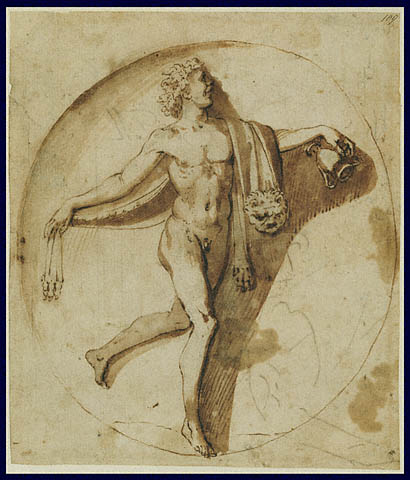
Votary of Bacchus

 詳細を見る
詳細を見る
ジークレー/アートプリント
迅速な制作と多彩な仕上げオプションを備えた、ミュージアムクオリティのジークレーまたはキャンバスプリント。 ( 手描きの絵画を購入 画像を購入)




P118B $10

P118H $10

P118W $10

P438Z $10

P508JH $12

P508YH $12

P805H $10

P805Z $10

P919BZ $10

P919G $10

P919XJ $10

P959ZH $10

P968JZ $12

W106C $8

W218G $10

W218JH $8

W218Y $10

W307PJ $10

W316G $10

W316PJ $8

W316Y $10

W398PJ $8

W4111J $10

W500HY $15

W500JH $15

W692G $12

W849H $8

W940BG $15

W953PJ $8




作品のオリジナル比率に合わせた、当店の規定サイズからお選びください。

特定のフレームやスペースに合わせて、ご自身でサイズを指定することも可能です。選択されたサイズが元の画像の比率と一致しない場合、作品をトリミングするか、鏡面反射または単色での塗りつぶしによって画像を拡張いたします。制作を開始する前に、ご確認用のデジタルモックアップをお送りいたします。
画面上のプレビューには、実際のトリミングや拡張は反映されませんのでご注意ください。最終的な構図を正確に確認できるのは、モックアップのみとなります。
カスタムサイズも承っておりますが、元の比率を維持するためには、あらかじめ用意されたリストからサイズを選択することをお勧めいたします。


 ガラスオプションは、110cm未満のサイズでのみご利用いただけます。

Votary of Bacchus
ジークレー/アートプリント
複製画のサイズ
-


合計金額
$ 62
作品詳細説明
The Lady of Auxerre: A Silent Smile Across Time
The discovery of the Lady of Auxerre in 1907—a limestone sculpture unearthed from a Parisian storage vault—immediately captivated the public imagination, fueling speculation about its origins and artistic significance. This enigmatic Kore, dating back to approximately 650-625 BCE, stands as a testament to the Archaic Greek style, embodying an aesthetic that continues to fascinate scholars and artists alike. Found in Eleutherna and Gortyn, Crete, excavations conducted by Nikolaos Stampolidis have solidified its provenance and illuminated the broader artistic landscape of early Greece.- Provenance: The sculpture’s journey began in obscurity within a Parisian museum vault before being rediscovered in 1907, sparking considerable journalistic interest.
- Style: Representing an Archaic Greek masterpiece, the Lady embodies characteristics of Daedalic art—a style marked by meticulous modeling and incised ornamentation—reflecting influences from Minoan and Egyptian traditions.
- Technique: Crafted from limestone, the Lady showcases exceptional sculptural skill, demonstrating mastery of modeling and incising techniques. The surface is adorned with intricate spiral curls and geometric patterns—incised designs that contribute to the sculpture’s overall visual impact.
- Historical Context: Emerging from the Dark Age, Archaic Greek art represents a pivotal moment in European cultural history—a transition toward rational thought and artistic sophistication. The Lady’s presence serves as a tangible link to this formative era, inviting viewers to contemplate the enduring legacy of classical aesthetics.
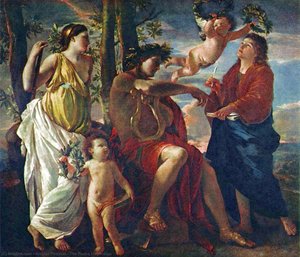
Exploring Nicolas Poussin’s “Dancing Votary of Bacchus”
Nicolas Poussin's "Dancing Votary of Bacchus," completed around 1630-1635, stands as an exemplar of Baroque painting—characterized by dramatic lighting, dynamic composition, and meticulous attention to detail. This captivating artwork delves into themes of mythology, spirituality, and human emotion, capturing the essence of classical ideals within a vibrant visual language.- Composition: The painting’s circular frame draws viewers inward, emphasizing the central figure—a nude man holding a wine goblet—who embodies both physical grace and intellectual contemplation.
- Technique: Executed primarily in wash and brown ink over traces of black chalk, Poussin's technique demonstrates mastery of pigment blending and tonal gradation—essential elements for achieving realistic visual effects.
- Symbolism: The nude figure represents purity and vulnerability, while the wine goblet symbolizes divine inspiration and sensual pleasure. These symbolic elements converge to convey a profound meditation on human experience and the relationship between art and spirituality.
A Window Into Ancient Greece: The Significance of Archaic Sculpture
Archaic sculpture represents a transformative moment in European art history—a transition from stylized conventions toward rational thought and artistic realism. Figures like the Lady of Auxerre exemplify this burgeoning aesthetic, embodying ideals of feminine beauty and spiritual serenity while simultaneously reflecting influences from Minoan and Egyptian traditions.- Influence: Archaic sculpture drew inspiration from Minoan and Egyptian art—demonstrating the interconnectedness of cultural traditions across ancient Greece.
- Formal Characteristics: Archaic sculptures are characterized by stylized modeling and incised ornamentation—techniques that prioritize visual harmony and intellectual rigor over naturalistic representation.
The Enduring Legacy of Classical Aesthetics: Reflections on “Dancing Votary”
Nicolas Poussin's "Dancing Votary of Bacchus" stands as a cornerstone of Baroque painting—characterized by dramatic lighting, dynamic composition, and meticulous attention to detail. The artwork’s exploration of mythology, spirituality, and human emotion continues to resonate with audiences today—affirming its place as one of the most celebrated artworks of the seventeenth century.- Emotional Impact: The painting evokes feelings of serenity, contemplation, and wonder—reflecting the Baroque aesthetic's commitment to conveying profound emotional experiences through visual imagery.
- Interpretations: Scholars continue to debate “Dancing Votary”'s symbolism—examining its representation of femininity, spirituality, and human emotion through the lens of classical ideals.
Contemporary Appreciation: Why “The Lady of Auxerre” Still Matters Today
Despite its antiquity, The Lady of Auxerre retains an astonishing relevance in contemporary art discourse—inspiring artists and collectors alike with its profound contemplation of human experience and spiritual transcendence. Its serene expression—often termed “the archaic smile”—continues to captivate viewers—serving as a symbol of artistic excellence and intellectual rigor.- Influence on Modern Art: The Lady’s stylistic innovations—particularly her modeling techniques and incised ornamentation—have exerted an enduring influence on subsequent generations of artists—inspiring them to explore new visual languages while upholding classical aesthetic ideals.
- Symbolic Resonance: The Lady’s attire—a tubular dress embellished with brooches concealed beneath her hair—represents a fusion of Minoan and Egyptian stylistic elements—highlighting the interconnectedness of cultural traditions across ancient Greece.
関連作品



アーティストの略歴
ニコラ・プーサン:古典の精神を体現した画家
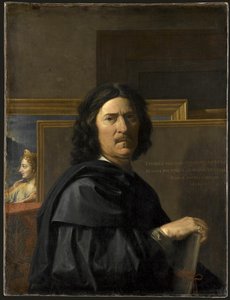
フランス絵画史において、ニコラ・プーサンはその名が古典主義の頂点を象徴する。1594年ノルマンディー地方のレ・アンデリーで生まれ、生涯の多くをローマで過ごした彼は、単なる風景を描く画家ではなく、古代ギリシア・ローマの世界に深く根ざし、その精神を絵画を通して表現した芸術家だった。幼少期からラテン語や文学に触れ、才能ある画家であったクアントゥ・ヴァランの下で基礎を学んだプーサンは、1612年にパリへ移り、ジョルジュ・ラルレマンやフェルディナン・エルの工房で研鑽を積む。しかし、彼の芸術的運命を決定づけたのは、1624年のローマへの旅だった。そこは、古代の遺産が息づく地であり、プーサンにとって無限のインスピレーションを与え続ける聖地となったのである。初期の作品にはヴェネツィア派の影響が見られ、ティツィアーノのような色彩豊かな表現も覗かせるものの、すぐに秩序と知的な厳格さが彼のスタイルを特徴づけるようになる。ローマでの成熟:古典理想の追求
ローマはプーサンにとって単なる制作拠点ではなく、芸術的・知的探求の場となった。カシアノ・ダル・ポッツォとの出会いは、彼の人生における重要な転換点となる。ダル・ポッツォの古代遺跡に対する深い理解と記録への情熱は、プーサンに歴史的正確さと普遍的な美を追求する姿勢を植え付けた。ローマでの生活を通して、プーサンはラファエロの作品を徹底的に研究し、その調和のとれた構成と優雅な形態を取り入れながらも、独自の芸術世界を構築していく。古代彫刻や文献からもインスピレーションを得て、彼の絵画は単なる物語の再現ではなく、道徳的・哲学的理想を体現した高尚な芸術へと昇華していった。プーサンは、感情的な奔放さを排し、明瞭さ、均衡、そして線描による構成を重視することで、古典主義絵画の新たな地平を開いたのである。歴史、神話、そして聖なる主題
プーサンの作品は、古代史、神話、宗教といった多様なテーマを探求しているが、その根底には常に普遍的な人間経験への深い洞察があった。ネルガリクスの死という悲劇を描くことで、彼は人間の運命の儚さと高潔さを表現し、神話画においては、単なる物語の再叙述ではなく、人間の本質や哲学的な考察を深める試みを見せている。『アルカディア』シリーズ、特に象徴的な『エト・イン・アルカディア・エゴ(我もまたアルカディアに)』は、死と記憶、そして過ぎ去りゆく時間という普遍的なテーマを深く掘り下げた作品として知られている。七つの秘跡の連作は、プーサンが神学的な理解と構成力を結集した壮大な試みであり、宗教画においても感情的な過剰さを避け、静謐で威厳のある表現を追求していることがわかる。晩年には、広大な風景を描くことで、自然との調和や精神的な安寧を表現し、人間の内面世界との深いつながりを暗示している。フランス美術への影響と遺産
プーサンは、一時的にフランスに戻りルイ13世の宮廷画家として活動したものの、その職務に苦悩し、すぐにローマへと帰還した。しかし、彼の古典主義的な芸術思想は、フランス美術に多大な影響を与え、アカデミー・ロワイヤル・ド・ペinture エ スкульпチュールにおいて重要な役割を果たした。ジャック=ルイ・ダヴィッドやポール・セザンヌといった後世の画家たちは、プーサンの厳格なアプローチと知的な深遠さに感銘を受け、その影響を強く受けた。プーサンは、単なる様式模倣を超え、秩序、明瞭さ、そして古典的理想への揺るぎない信念を体現した芸術家として、フランス絵画史に不朽の足跡を残したのである。- 主要作品: 『ネルガリクスの死』、『七つの秘跡シリーズ』、『ローマ街道』、『オリオンの盲目』、『四季』
- 特徴: 古典的な構成、線描による表現、歴史的・神話的主題、静謐な風景描写
ニコラ・プーサン
1594 - 1665 , フランス
基本情報
- フルネーム: ニコラ・プーサン
- 主な作品:
- Germanicusの死
- 七つの秘跡シリーズ
- ローマの道
- オリオン
- 四季
- 出生地: ル・アーヴル、フランス
- 国籍: フランス
- 影響を与えたアーティスト:
- ジャック=ルイ・ダヴィッド
- ポール・セザンヌ
- 影響を受けたアーティスト:
- ラファエロ
- ティツィアーノ
- 死亡年月日: 1665年11月19日
- 生年月日: 1594年6月
- 芸術運動またはスタイル: バロック、クラシシズム
関連記事

Bronze Sculptures That Defined Art History | ArtsDot
Journey through art history with our Top 10 bronze sculptures! Explore masterpieces by Rodin, Michelangelo & more. Discover stories behind iconic statues and find museum-quality reproductions for your home decor at ArtsDot.com.

The Enduring Form: Exploring Themes & Techniques in Sculpture Across Historical Periods
Explore the rich history of sculpture from ancient masterpieces to contemporary innovations. Discover key techniques, influential artists & investment potential for discerning art collectors.
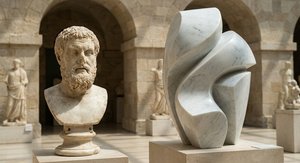
The Enduring Allure of Marble in Art History: From Classical Sculpture to Modern Abstraction
Explore the captivating history of marble sculpture from ancient Greece to modern art. Discover renowned artists like Canova & Michelangelo, carving techniques, and investment insights at ArtsDot.

Bronze Age to Modern Masters: 10 Sculptures That Redefined Art | ArtsDot
Journey through art history with 10 legendary bronze sculptures – from Michelangelo's David to Rodin’s Thinker. Explore the stories, techniques & timeless beauty of these masterpieces. Find museum-quality reproductions & elevate your home decor on ArtsDot.com.
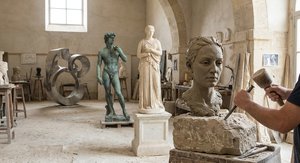
The Enduring Form: Sculpture Across History, Technique & Emotional Resonance
Explore the rich history of sculpture with ArtsDot. Discover key techniques, influential artists & investment potential for discerning collectors. Expert insights into valuing and collecting timeless masterpieces.