

 プレビュー
プレビュー
 シェアする
シェアする シェアする
シェアする
 詳細を見る
詳細を見る

 ダウンロード
 似ている作品
 X線調査
X線調査 スライドショー
 統計情報
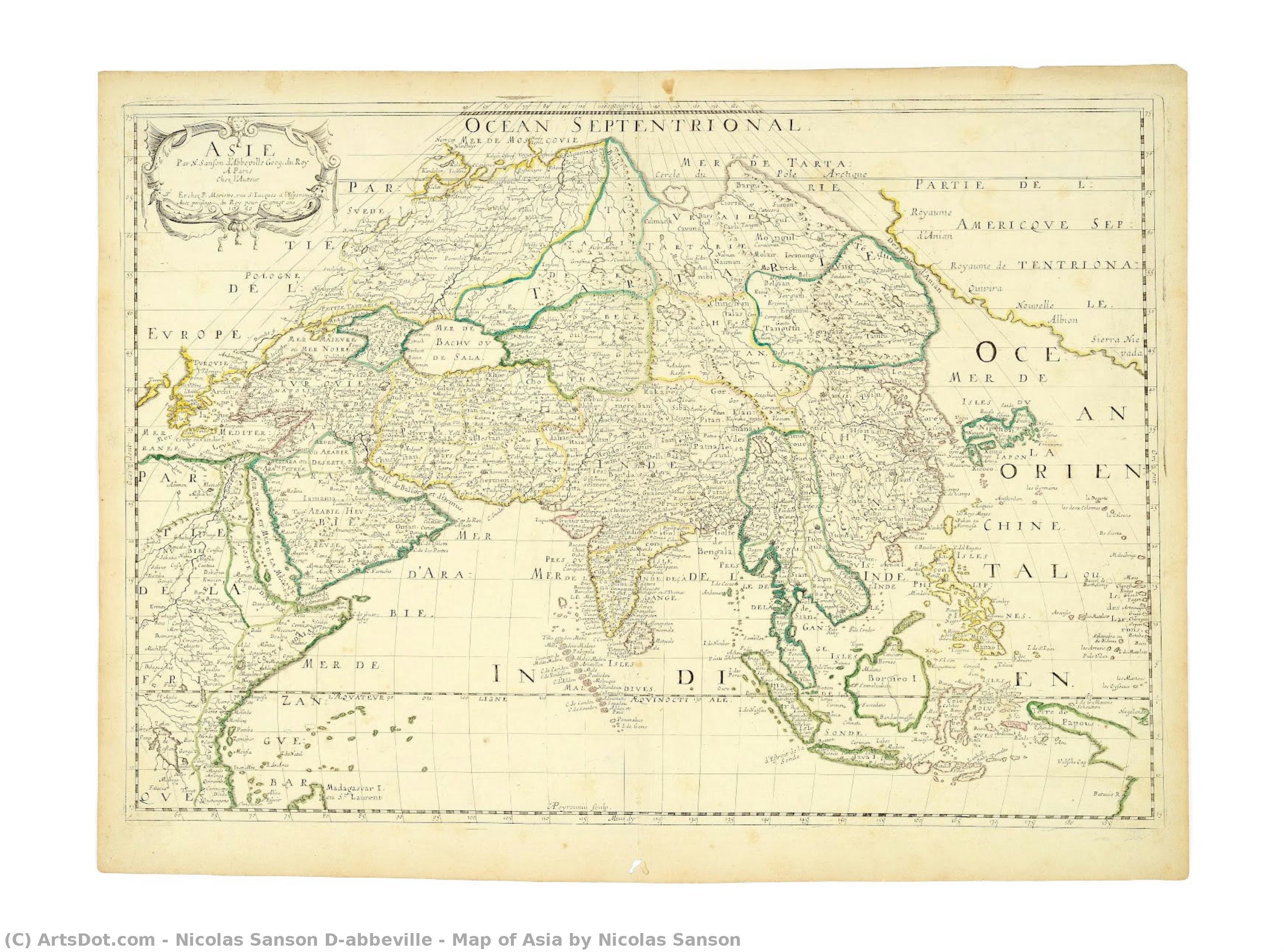
統計情報Map of Asia by Nicolas Sanson


 詳細を見る
詳細を見る
オンラインプレビューをはるかに凌ぐ、高解像度で鮮明なデジタル画像をご購入いただけます。
各ファイルは、社内の専門家が高度なツールと熟練した手作業によるレタッチを用いて、細心の注意を払って準備されています。すべての画像において、卓越した鮮明度、正確な色彩再現性、そして繊細なディテールを保証いたします。
最終ファイルは、プロフェッショナルな編集・印刷環境ですぐにご利用いただけるよう最適化された状態で、72時間以内にメールにてお届けいたします。これは、一流のデザインスタジオ、出版社、ギャラリーから信頼されているものと同等の品質です。
デジタルアート
個人での鑑賞、印刷、クリエイティブなプロジェクト用に、高解像度ファイルをダウンロードできます。 ( プリント版に切り替え 手描きの絵画を購入)
デジタル画像のご注文に付随する特典
高品質なデジタル画像配信を、確かな品質で。
ArtsDot.com を選ぶことは、単に画像を手に入れることではありません。それは、プロの手によって精密に仕上げられ、満足保証が付いた高品質なデジタルアートワークを受け取ることを意味します。ご注文いただいた際に自動的に付随する内容は、以下の通りです:

メールですぐにお届け
ご注文から72時間以内に、高解像度のデジタル画像ファイルがメールでお手元に届きます。すぐにそのままご利用いただけます。

AI技術で最適化されたデジタルファイル
お客様の作品は、高度なAIツールと専門家による手作業の編集を組み合わせてプロフェッショナルに最適化されており、細部のディテール、鮮明さ、そして正確な色再現性を最大限に引き出しています。

一生涯無料の再送サービス
ファイルを誤って削除したり、紛失してしまったりしましたか?ご安心ください。いつでも無料で再送いたします。

輸入手数料は一切かかりません
関税や手数料、配送料を気にすることなく、お気に入りのアートワークをすぐにお楽しみいただけます。デジタルダウンロードは常に免税です。

色彩再現の保証
プロ仕様のツールとカラーマネジメント技術を用いることで、デジタル画像が元の色を最大限に忠実に再現することを保証いたします。

100日間満足保証
ご購入いただいたデジタル画像にご満足いただけない場合は、100日以内であれば、理由を問わず修正または100%の返金対応をさせていただきます。

100% 返金保証
ご満足いただけない場合は、デジタルファイルを受け取ってから100日以内であれば、理由を問わず全額返金いたします。

まとめ買い割引
3枚購入で10%OFF - 5枚購入で15%OFF - 10枚以上購入で20%OFF。クリエイティブなプロジェクト、ギャラリー、エージェンシーに最適です。
関連作品
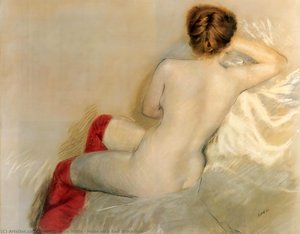
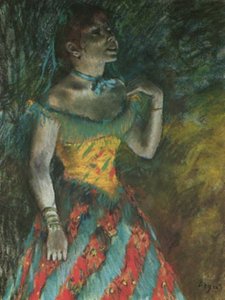
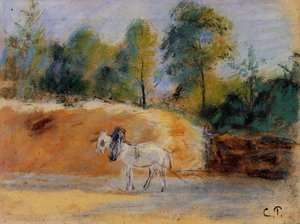
作家の略歴
The Shadowed Genius: Caravaggio and the Dawn of Baroque
Michelangelo Merisi da Caravaggio, a name synonymous with drama, darkness, and revolutionary technique, remains one of the most compelling figures in art history. Born in Milan in 1571, his life was tragically short – he died at the young age of thirty-eight – yet within those brief years, he irrevocably altered the course of painting, ushering in the Baroque era with a style that continues to captivate and challenge viewers centuries later. Caravaggio’s legacy isn't simply about masterful brushwork; it’s about a profound shift in how artists approached light, emotion, and the very relationship between subject and viewer. Caravaggio’s early life remains shrouded in some mystery, though we know he was apprenticed to Simone Petero, a Lombard painter in Milan. He likely spent his formative years there, honing his skills before moving to Rome around 1592. It was in the Eternal City that he truly exploded onto the scene, quickly establishing himself as a sought-after portraitist and religious painter. His early commissions were largely for private clients – wealthy merchants and nobles eager to adorn their homes with striking depictions of biblical scenes and mythological subjects. However, it wasn’t until his dramatic use of *tenebrism*—a stark contrast between light and dark—that he truly distinguished himself. Caravaggio didn't simply paint a scene; he sculpted it with light, creating an intense theatricality that drew viewers directly into the heart of the narrative.- Tenebrism: The defining characteristic of his style, utilizing dramatic contrasts between illuminated areas and deep shadows to heighten emotional impact.
- Naturalism: Caravaggio rejected idealized representations in favor of portraying figures with a remarkable degree of realism – flaws, wrinkles, and imperfections were all embraced, lending an unparalleled sense of immediacy and humanity to his subjects.
- Direct Observation: He famously worked *alla prima*, directly on the canvas without preliminary sketches, capturing fleeting moments and intense emotions with astonishing speed and precision.
Key Works and Their Significance
Caravaggio’s output was relatively small but extraordinarily impactful. His paintings are not merely beautiful images; they are powerful statements about faith, humanity, and the human condition.- The Calling of St Matthew (1599-1600): This seminal work exemplifies Caravaggio's mastery of *tenebrism*, with a single beam of light illuminating the astonished apostle Matthew as Christ calls him to follow him.
- Supper at Emmaus (1601): A deeply moving depiction of the resurrected Christ sharing bread with two disciples, showcasing his ability to convey profound emotion through subtle gestures and expressions.
- David and Goliath (1609-1610): This brutal yet compelling scene captures the moment after David defeats Goliath, revealing both the victor’s triumph and the vanquished’s despair.
- The Death of the Virgin (c. 1604-1606): A profoundly moving portrayal of Mary mourning her son's death, rendered with an unprecedented level of realism and emotional intensity.
A Lasting Legacy: The Enduring Power of Darkness
Michelangelo Merisi da Caravaggio’s brief but brilliant career left an indelible mark on art history. His revolutionary use of *tenebrism*, his commitment to naturalism, and his ability to infuse his paintings with profound emotion continue to resonate with viewers today. He didn't just paint; he created experiences—intense, dramatic encounters that force us to confront the complexities of faith, humanity, and mortality. Caravaggio’s legacy is not simply one of artistic innovation but also a testament to the power of a single artist to transform an entire era. His work remains a potent reminder that even in darkness, there can be extraordinary beauty and profound truth.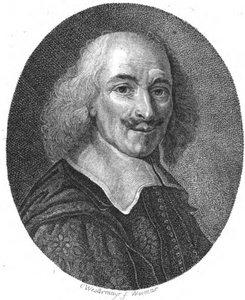
nicolas sanson d'abbeville
1600 - 1667 , France
プロフィール概要
- Artistic Movement Or Style: Baroque
- Artists Or Movements Influenced By This Artist: ['Caravaggisti']
- Artists Who Influenced This Artist:
- Michelangelo
- Leonardo da Vinci
- Date Of Death: 1610
- Full Name: Caravaggio
- Nationality: Italian
- Notable Artworks:
- The Calling of St Matthew
- David and Goliath
- Place Of Birth: Milan, Italy