

 プレビュー
プレビュー
 プリントを購入
 シェアする
シェアする シェアする
シェアする
 詳細を見る
詳細を見る

 ダウンロード
 似ている作品
 X線調査
X線調査 スライドショー
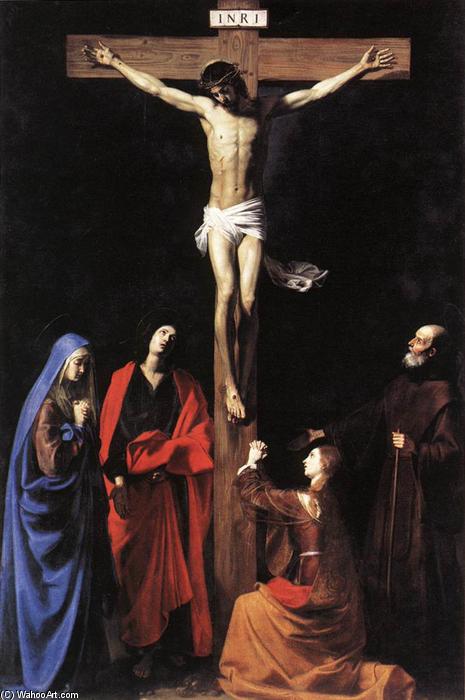
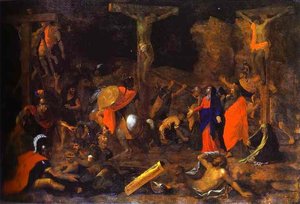
Crucifixion
 Oil On Canvas
- WallArt
- Baroque
 1635
1635 422.0 x 292.0 cm
 ルーブル美術館
 詳細を見る
詳細を見る




P118B $10

P118H $10

P118W $10

P438Z $10

P508JH $12

P508YH $12

P805H $10

P805Z $10

P919BZ $10

P919G $10

P919XJ $10

P959ZH $10

P968JZ $12

W106C $8

W218G $10

W218JH $8

W218Y $10

W307PJ $10

W316G $10

W316PJ $8

W316Y $10

W398PJ $8

W4111J $10

W500HY $15

W500JH $15

W692G $12

W849H $8

W940BG $15

W953PJ $8




作品のオリジナル比率に合わせた、当店の規定サイズからお選びください。

特定のフレームやスペースに合わせて、ご希望のサイズをご入力いただけます。選択されたサイズが元の画像の比率と異なる場合、アートワークをトリミングするか、手描きで要素を追加して絵画を拡張いたします。デジタルモックアップ を制作し、制作開始前にご確認(承認)をいただきます。
画面上のプレビューは、実際のトリミングや拡張を正確に反映しているものではありません。最終的な構図は、モックアップによってのみ正確にご確認いただけます。
カスタムサイズもご利用いただけますが、元の比率を維持するためには、あらかじめ用意されたリストからサイズを選択することをお勧めいたします。
ご注文後、ArtsDot.com チームより詳細な指示をお送りするとともに、仕上がりイメージ(モックアップ)をご提供いたします。


 ガラスオプションは、110cm未満のサイズでのみご利用いただけます。

Crucifixion
複製技法
複製画のサイズ
-


合計金額
$ 363
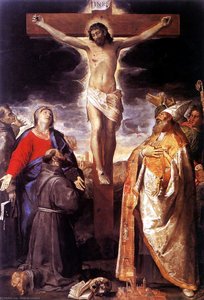
Nicolas Tournier’s “Crucifixion” – A Baroque Masterpiece of Suffering and Grace
The year is 1635. Nestled within the hallowed halls of the Louvre Museum in Paris resides a painting that transcends mere representation, plunging the viewer into the heart of human sorrow and spiritual contemplation: Nicolas Tournier’s “Crucifixion.” More than just a depiction of Christ's final hours, this work is a testament to Tournier’s mastery of Baroque style, his profound understanding of light and shadow, and his ability to imbue religious subject matter with an intensely emotional resonance. It’s a scene both brutal in its realism and profoundly moving in its portrayal of sacrifice and redemption.
Tournier, a French painter born in Montbéliard and deeply influenced by the Caravaggio he encountered during his time in Rome, presents us with a strikingly direct and unflinching image. The composition is immediately arresting – a vertical emphasis drawing our gaze directly to the central figure of Christ on the cross. He’s not idealized or romanticized; instead, Tournier renders him with a palpable sense of agony, his body contorted under the weight of the ordeal. The stark contrast between the dark, almost oppressive background and the illuminated foreground creates an immediate dramatic effect, forcing the viewer to confront the gravity of the event.
A Symphony of Light and Shadow – Technique and Style
Tournier’s technical skill is immediately evident in his masterful manipulation of light. He employs a technique known as “chiaroscuro,” dramatically contrasting areas of intense brightness with deep shadows, a hallmark of Caravaggio's style. This isn’t merely an aesthetic choice; it serves to heighten the emotional impact of the scene, emphasizing Christ’s suffering and drawing attention to key details – the wounds on his body, the texture of his clothing, and the rough-hewn wood of the cross itself. The brushstrokes are visible yet controlled, contributing to a sense of immediacy and realism.
The painting is executed in oil on canvas, utilizing layering and glazing techniques to build up depth and luminosity. Notice how Tournier subtly renders the folds of Christ’s garments, creating a tactile quality that invites us to almost feel the weight of his burden. The figures surrounding him – including the Virgin Mary, St. John, and other mourners – are depicted with varying degrees of detail, reflecting their importance within the narrative. The overall effect is one of intense realism blended seamlessly with a heightened sense of drama and spiritual significance.
Symbolism and Historical Context
“Crucifixion” is rich in symbolic meaning. The cross itself represents sacrifice, redemption, and the promise of salvation – central tenets of Christian theology. The figures gathered around the scene—the Virgin Mary, grieving with profound sorrow; St. John, offering comfort; and other mourners—represent the human response to Christ’s death: grief, compassion, and faith. The inclusion of these figures underscores the universal nature of suffering and the hope offered through Christian belief.
Painted in 1635 during a period of intense religious fervor within Europe, “Crucifixion” reflects the Counter-Reformation’s emphasis on emotional engagement with religious art. The Catholic Church actively sought to inspire piety and devotion through works that powerfully conveyed the drama and significance of biblical narratives. Tournier's painting perfectly embodies this goal, inviting viewers to contemplate the profound implications of Christ’s sacrifice and to connect with the spiritual message at its core.
A Timeless Masterpiece – Emotional Resonance
Despite being over three centuries old, “Crucifixion” continues to resonate deeply with audiences today. It's not a comfortable painting; it confronts us with the harsh realities of suffering and death. Yet, within that darkness lies an undeniable sense of hope and grace. Tournier’s masterful use of light, shadow, and composition creates a powerfully moving experience, prompting reflection on themes of faith, sacrifice, and redemption. It remains a poignant reminder of humanity's capacity for both cruelty and compassion, and the enduring power of spiritual belief.
関連作品


アーティストの略歴
影と光:ニコラ・トゥルニエが描いたバロックのヴィジョン
17世紀という劇的な時代の風景において、神聖な光と地上の影との間に存在する深い緊張感を、ニコラ・トゥルニエほど効果的に捉えた芸術家は他に類を見ません。1590年頃、フランスのモンベリアールに生まれたトゥルニエは、ヨーロッパの芸術的鼓動がバロック様式の強烈な感情主義へと移行していく変革期の中に現れました。彼の作品は、フランスの伝統的な古典主義と、大陸全土を席巻していた革命的な高コントラストの写実主義とを結ぶ、切実な架け橋としての役割を果たしています。トゥルニエのキャンバスを覗き込むことは、一筆一筆に精神的な重みが宿り、あらゆる影が解き明かされるのを待つ秘密を秘めた世界へと足を踏み入れることに他ならないのです。
トゥルニエの全作品に通底する様式的な鼓動は、紛れもなくカラヴァッジョの深遠な影響と結びついています。光と闇の極端な対比を用いることでドラマ性と立体感を生み出す、このイタリアの巨匠によるテネブリズムの手法は、トゥルニエの視覚言語の礎となりました。このレンズを通じ、画家は単に場面を描いたのではなく、暗闇の中からそれらを彫り出したのです。光を操る彼の卓越した技術は、布地の質感や聖人の顔に刻まれた疲弊した皺、そして宗教的な殉教が持つ生々しい現実を照らし出し、鑑賞者を聖なるものとの親密で、あたかも触れられそうなほどの実感的な出会いへと引き込みました。
神性と人間性への献身
トゥルニエの主題は、当時の宗教的情熱に深く根ざしていました。フランス・バロックの伝統の中で活動した画家として、彼はキリスト教図像学の深遠な物語の中に最大のインスピレーションを見出しました。彼の構図はしばしば、犠牲、悔悛、そして神の介入といったテーマを軸としており、それは代表作である'十字架を背負うキリスト'において最も顕著に現れています。これらの作品において、画家は単なる装飾性を避け、代わりに、神聖な闘争の中に内在する人間の苦しみを生々しく強調する、地に足の着いた写実主義を選択したのです。
トゥルニエを同時代の画家たちから際立たせていたのは、この強烈な宗教的重厚さを、ローマ派に由来する洗練された構図感覚と融合させる能力でした。芸術家としての彼の発展は、単なるイタリアの巨匠たちの模倣を超え、バロック・ドラマに対する独自のフランス的な解釈を創造することへと向かいました。その進化は、以下のような特徴を備えています。
- 感情的な共鳴:人物の心理的深層に焦点を当て、神聖な存在を身近で人間味のあるものとして描き出しました。
- キアロスクーロ(明暗法)の極致:光を単なる視認性のための道具としてではなく、精神的なクライマックスへと視線を導く物語的な装置として活用しました。
- 質感の写実主義:肌、布、石の描写における驚異的な細部へのこだわりが、宗教的な場面に真実味のある空気感を与えています。
遺産と歴史的意義
ニコラ・トゥルニエの歴史的な意義は、フランス・バロック運動への不可欠な貢献者としての役割にあります。後の「グラン・シエクル(大世紀)」における、より装飾的な華やかさの影に隠れがちではありますが、トゥルニエは写実性と強烈さという、欠かすことのできない基礎を提供しました。彼は、人間のありのままの、飾りのない真実を尊ぶ美学を育む一助となり、後の世代のフランス人画家たちが光と影の複雑さを探求するための道を切り拓いたのです。
今日においても、彼の作品はルネサンス後期からバロックの絶頂期への変遷を理解しようとする者にとって、極めて重要な研究対象であり続けています。暗闇という媒体を通じて敬虔な念を呼び起こす彼の能力は、彼の名が単なるカラヴァッジョの追随者としてではなく、時代の魂を照らし出すために影を自在に操った巨匠として、美術史の記録に刻まれ続けることを確かなものにしています。
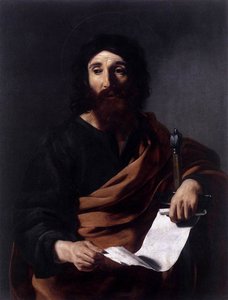
ニコラ・トゥルニエ
1590 - 1639 , フランス
基本情報
- Artistic Movement Or Style: マニエリスム、肖像画
- Artists Or Movements Influenced By This Artist:
- カラヴァッジョ
- マニエリスム
- Artists Who Influenced This Artist:
- アンドレア・マンテーニャ
- レオナルド・ダ・ヴィンチ
- Date Of Birth: 1527年4月5日
- Date Of Death: 1593年7月11日
- Full Name: ジュゼッペ・アルチンボルド
- Nationality: イタリア
- Notable Artworks:
- 四季
- アクバル帝の凱旋
- バッカス
- ホロフェルネスの首を掲げるユディト
- Place Of Birth: イタリア、ミラノ
関連記事

The Enduring Legacy of Oil on Canvas: Technique, History & Aesthetic Impact
Explore the rich history & techniques of oil painting – from Renaissance masters to Impressionism. Discover pigments, layering methods, and why this timeless medium endures. Expert insights for artists & art enthusiasts.

Oil on Canvas: A Historical & Technical Exploration of a Timeless Artistic Medium
Explore the rich history & enduring techniques of oil painting on canvas. Discover the science behind its longevity, conservation practices, and contemporary relevance. Expert insights for art enthusiasts.

The Enduring Power of Painting: A Historical & Contemporary Exploration of Form and Emotion
Explore the rich history & enduring techniques of oil painting with ArtsDot. Discover masterpieces, learn about art collecting, and find authentic handmade reproductions crafted by skilled artists.

油彩のキャンバス:技法、歴史、そして現代の実践 - 古典美術愛好家へ
油彩の技法、歴史、巨匠たちの秘密を徹底解説。古典美術愛好家向けに、初期フランドル絵画から現代の実践まで深く掘り下げます。ArtsDotで高品質な複製画やカスタムオーダーも承ります。
The Enduring Legacy of Oil Paint: Technique, History & Emotional Resonance in Western Art
Explore the rich history & techniques of oil painting! Discover Renaissance masters, scientific principles behind color, and emotional resonance in art. Learn about glazing, layering, and atmospheric perspective – a guide for enthusiasts & collectors.

