

 プレビュー
プレビュー
 プリントを購入
 シェアする
シェアする シェアする
シェアする
 詳細を見る
詳細を見る

 ダウンロード
 似ている作品
 X線調査
X線調査 スライドショー
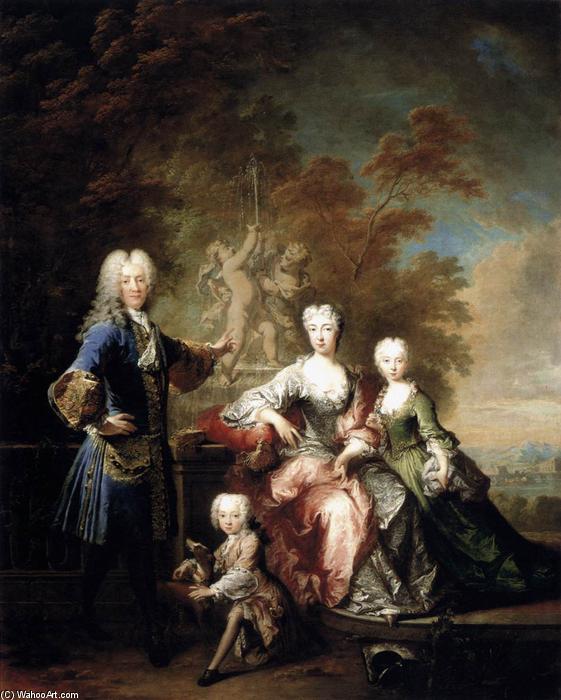
Count Ferdinand Adolf von Plettenberg and his Family
 Oil On Canvas
- WallArt
- Rococo
 1727
1727 92.0 x 74.0 cm
 Szépművészeti Múzeum
 詳細を見る
詳細を見る




P118B $10

P118H $10

P118W $10

P438Z $10

P508JH $12

P508YH $12

P805H $10

P805Z $10

P919BZ $10

P919G $10

P919XJ $10

P959ZH $10

P968JZ $12

W106C $8

W218G $10

W218JH $8

W218Y $10

W307PJ $10

W316G $10

W316PJ $8

W316Y $10

W398PJ $8

W4111J $10

W500HY $15

W500JH $15

W692G $12

W849H $8

W940BG $15

W953PJ $8




作品のオリジナル比率に合わせた、当店の規定サイズからお選びください。

特定のフレームやスペースに合わせて、ご希望のサイズをご入力いただけます。選択されたサイズが元の画像の比率と異なる場合、アートワークをトリミングするか、手描きで要素を追加して絵画を拡張いたします。デジタルモックアップ を制作し、制作開始前にご確認(承認)をいただきます。
画面上のプレビューは、実際のトリミングや拡張を正確に反映しているものではありません。最終的な構図は、モックアップによってのみ正確にご確認いただけます。
カスタムサイズもご利用いただけますが、元の比率を維持するためには、あらかじめ用意されたリストからサイズを選択することをお勧めいたします。
ご注文後、ArtsDot.com チームより詳細な指示をお送りするとともに、仕上がりイメージ(モックアップ)をご提供いたします。


 ガラスオプションは、110cm未満のサイズでのみご利用いただけます。

Count Ferdinand Adolf von Plettenberg and his Family
複製技法
複製画のサイズ
-


合計金額
$ 263
作品解説
A Glimpse of Aristocratic Life: Robert Le Vrac de Tournières’ “Count Ferdinand Adolf von Plettenberg and His Family”
Robert Le Vrac de Tournières' 1727 painting, "Count Ferdinand Adolf von Plettenberg and His Family," is more than just a portrait; it’s a meticulously crafted window into the refined world of 18th-century European aristocracy. The scene unfolds within a richly appointed interior – likely a salon or drawing room – dominated by a stately fireplace and adorned with luxurious fabrics and decorative elements that speak to wealth and status. At its heart stands Count Ferdinand Adolf von Plettenberg, a man embodying the dignity and authority of his rank, seated alongside his wife and two young children. The composition is carefully balanced, radiating an aura of quiet elegance and familial warmth. Tournières’ skill lies not merely in capturing likenesses but in conveying a palpable sense of atmosphere – a feeling of comfortable grandeur and understated sophistication.The Delicate Dance of Dutch Intimacy and Rococo Style
Tournières' artistic style represents a fascinating transitional period within French art, skillfully blending the intimate character of Dutch genre paintings with the burgeoning lightness and ornamentation that would define the Rococo movement. He inherited from his teachers – Lucas Delahaye, Bon Boullogne, and Rigaud – a mastery of technique and an appreciation for detail, yet he infused this foundation with a distinctly personal vision. The painting’s palette is remarkably delicate, dominated by soft pastel hues—pale blues, pinks, creams, and golds—that create a luminous and airy effect. Notice the subtle gradations of light and shadow, meticulously rendered to sculpt the figures and imbue them with a sense of three-dimensionality. The drapery, particularly that of the Countess, is treated with exquisite attention, demonstrating Tournières’ ability to capture both its form and its flowing movement. This careful observation of texture and volume was a hallmark of his work, distinguishing him from more overtly dramatic painters of the era.Symbolism Woven into Domesticity
Beyond the straightforward depiction of a family portrait, “Count Ferdinand Adolf von Plettenberg and His Family” is rich in subtle symbolism. The carefully arranged furniture – the upholstered chairs, the ornate mantelpiece—reflects the wealth and taste of the household. The presence of the children suggests continuity and legacy, while the Count’s dignified posture embodies his role as a protector and provider. The fireplace itself, a central element of the composition, symbolizes warmth, family, and domesticity – core values within aristocratic society. Furthermore, the inclusion of a servant standing discreetly behind the group subtly acknowledges the hierarchical structure of the household, reinforcing the social order of the time. The painting’s overall effect is one of harmonious balance, where individual portraits contribute to a larger narrative about family, status, and the comforts of a privileged life.A Legacy Preserved: The Painter and His Artistic Context
Robert Le Vrac de Tournières (1667-1752) was a significant figure in 18th-century French art, recognized for his ability to capture both likenesses and atmosphere. He began his artistic journey under the tutelage of prominent masters, absorbing their techniques and developing his own distinctive style. Tournières’ work reflects a period of transition, bridging the formality of the Baroque era with the playful exuberance of Rococo. He was twice admitted into the Académie royale de peinture, first in 1702 for his portraiture skills, and again in 1716 as a history painter, showcasing his versatility. Despite not being considered among the most celebrated painters of his time, Tournières’ meticulous technique and refined execution earned him a respected place within the artistic community. His legacy endures through works like “Count Ferdinand Adolf von Plettenberg and His Family,” offering a captivating glimpse into the world of European aristocracy and the artistry of a talented transitional painter. Reproductions of this piece continue to be sought after by collectors and interior designers alike, appreciating its timeless elegance and evocative portrayal of family life.関連作品
アーティストの略歴
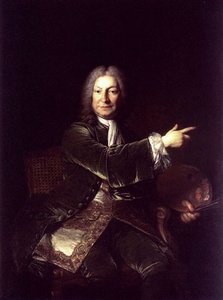
Robert Le Vrac de Tournières: A Life in Transition
Early Life and Education
Robert Le Vrac de Tournières was born in Caen, France, in 1667. His artistic journey began with studies under Lucas Delahaye, a respected painter of the time. He further honed his skills under the tutelage of Bon Boullogne and Rigaud, both prominent figures in French painting, setting the stage for a successful career.
Artistic Development and Style
Tournières’ artistic style reflects a fascinating transitional period within French art. He skillfully blended elements of Dutch intimacy – particularly evident in his genre scenes – with the emerging lightness and elegance that would come to define the Rococo style. His palette was noted for its delicate coloring, and he demonstrated a keen talent for capturing both pose and drapery. While not considered among the most powerful painters of his era, critics acknowledged his careful technique and refined execution.
Academic Recognition and Major Works
Tournières achieved significant recognition during his lifetime, being received into the Académie royale de peinture twice. The first acceptance in 1702 was based on his portraiture skills, specifically portraits of fellow artists Pierre Mosnier and Michel Corneille. His second reception in 1716, as a history painter, came with his work Invention of Drawing (1716), depicting a romantic scene illuminated by candlelight. Although many of his large-scale paintings have been lost to time, numerous smaller works survive, showcasing his mastery of detail and character portrayal.
Influences and Artistic Preoccupations
Tournières was deeply influenced by Dutch masters such as Godfried Schalken and Gerard Dou, dedicating considerable study to their techniques. This influence is visible in his attention to light, shadow, and the intimate portrayal of everyday life. He also drew inspiration from his teachers, incorporating elements of their styles into his own unique approach.
Later Life and Legacy
In 1737, Tournières was promoted to professeur auxiliaire, further solidifying his position within the artistic community. He continued to exhibit successfully at the Salon of 1742. However, he returned to Caen in 1749 and ceased painting. His father, an engraver, had familial connections through marriage to François Lemoyne. Despite fading from active practice, Tournières left behind a considerable body of portraits that remain highly regarded and are found in notable collections today.
Historical Significance
Robert Le Vrac de Tournières occupies an important place as a transitional figure in French art. He embodies the shift from the more formal Baroque style towards the lighter, more decorative Rococo aesthetic. His ability to synthesize Dutch realism with emerging French sensibilities makes his work particularly valuable for understanding the evolution of 18th-century painting.
robert le vrac de tournières
1667 - 1752 , France
基本情報
- Birth Date: 1667
- Birth Place: Caen, France
- Death Date: 1752
- Influenced By:
- Lucas Delahaye
- Bon Boullogne
- Rigaud
- Godfried Schalken
- Gerard Dou
- Movement: Rococo, French Regency
- Name: Robert Le Vrac de Tournières
- Nationality: French
- Notable Works:
- Invention of Drawing (1716)
- Count Ferdinand Adolf von Plettenberg and his Family
関連記事

ゴヤ傑作25選:スペインの魂を揺さぶる、深遠な芸術の世界 | ArtsDot
ゴヤ傑作25選:ロマン主義を代表するスペインの巨匠、フランシスコ・デ・ゴヤの世界へ。黒衣の女からマハまで、魂を揺さぶる絵画の物語と技法を紐解きます。ArtsDotで高品質なアートレプリカを見つけ、インテリアに深みと風格を。今すぐコレクションをご覧ください。

About Us
Discover our story! We bring world-class art into your life through expert curation, personalized creations, and free previews. Trusted by individuals and businesses since 2000.
Maurice Quentin de La Tour: Light, Shadow & the Rococo Portrait
Explore the captivating world of Maurice Quentin de La Tour, a master of Rococo portraiture. Discover his innovative pastel techniques, intimate depictions of French aristocracy, and lasting artistic legacy. Learn more at ArtsDot.

The Rococo Aesthetic: Opulence, Rebellion & the Pursuit of Pleasure in 18th-Century Art
Explore the opulent world of Rococo art! Discover its origins, key artists like Watteau & Boucher, and lasting influence on design. Expert insights for collectors & enthusiasts.

華麗なるロココ:芸術史を彩る10大傑作の世界
華麗なるロココ美術の世界へ。バロックから生まれた優雅な芸術、その10大傑作を徹底解説!ブーシェ、フロマンなど巨匠たちの技と物語を紐解き、お部屋を彩るアートを見つけよう。ArtsDot.comで至高の美術館品質レプリカとインテリアアイデアを発見。

