

 プレビュー
プレビュー
 プリントを購入
 シェアする
シェアする シェアする
シェアする
 詳細を見る
詳細を見る

 ダウンロード
 似ている作品
 X線調査
X線調査 スライドショー
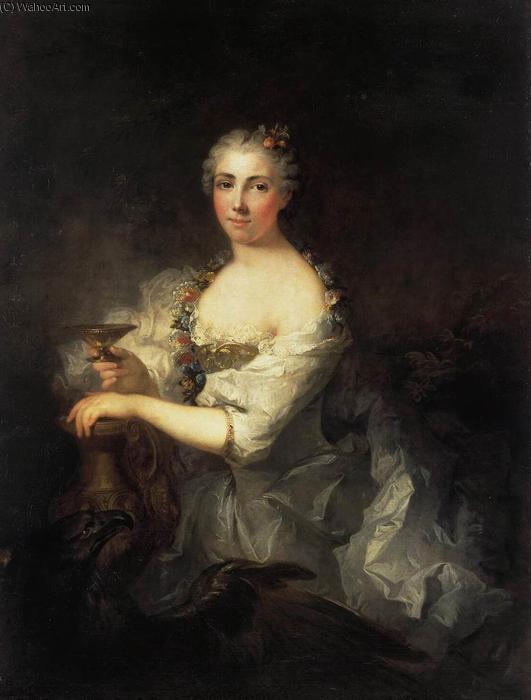
Portrait of Unknown Woman as Hebe
 Acrylic On Canvas
- WallArt
- Rococo
 115.0 x 89.0 cm
 エルミタージュ美術館
 詳細を見る
詳細を見る




P118B $10

P118H $10

P118W $10

P438Z $10

P508JH $12

P508YH $12

P805H $10

P805Z $10

P919BZ $10

P919G $10

P919XJ $10

P959ZH $10

P968JZ $12

W106C $8

W218G $10

W218JH $8

W218Y $10

W307PJ $10

W316G $10

W316PJ $8

W316Y $10

W398PJ $8

W4111J $10

W500HY $15

W500JH $15

W692G $12

W849H $8

W940BG $15

W953PJ $8




作品のオリジナル比率に合わせた、当店の規定サイズからお選びください。

特定のフレームやスペースに合わせて、ご希望のサイズをご入力いただけます。選択されたサイズが元の画像の比率と異なる場合、アートワークをトリミングするか、手描きで要素を追加して絵画を拡張いたします。デジタルモックアップ を制作し、制作開始前にご確認(承認)をいただきます。
画面上のプレビューは、実際のトリミングや拡張を正確に反映しているものではありません。最終的な構図は、モックアップによってのみ正確にご確認いただけます。
カスタムサイズもご利用いただけますが、元の比率を維持するためには、あらかじめ用意されたリストからサイズを選択することをお勧めいたします。
ご注文後、ArtsDot.com チームより詳細な指示をお送りするとともに、仕上がりイメージ(モックアップ)をご提供いたします。


 ガラスオプションは、110cm未満のサイズでのみご利用いただけます。

Portrait of Unknown Woman as Hebe
複製技法
複製画のサイズ
-


合計金額
$ 263
A Delicate Dance Between Dutch Intimacy and Rococo Elegance: Exploring Robert Le Vrac de Tournières’ “Portrait of Unknown Woman as Hebe”
Robert Le Vrac de Tournières, born in Caen, France, in 1667, stands as a pivotal figure bridging the stylistic currents of the Baroque and Rococo eras. While his contemporaries wrestled with grand narratives and dramatic expressions—a hallmark of the preceding century—Tournières embraced a more nuanced aesthetic, skillfully blending influences from Dutch genre painting with the burgeoning lightness and ornamentation characteristic of the Rococo movement. This masterful fusion is vividly realized in “Portrait of Unknown Woman as Hebe,” a captivating artwork that continues to intrigue scholars and connoisseurs alike.The Influence of Dutch Intimacy
Tournières’ artistic sensibilities were undeniably shaped by the prevailing trends emanating from Holland during his formative years. Dutch painters excelled at capturing everyday life with remarkable realism and psychological depth, prioritizing intimate scenes populated by ordinary individuals. This approach is palpable in “Portrait of Unknown Woman as Hebe,” where the subject—a woman seated gracefully—is depicted in a setting that evokes a sense of quiet contemplation. The artist’s meticulous attention to detail extends beyond mere representation; he strives to convey an inner state of serenity and thoughtfulness, mirroring the humanist ideals prevalent during Tournières' time. Notice particularly the subtle rendering of drapery – a technique borrowed directly from Dutch masters—which contributes to the overall impression of understated elegance.A Rococo Palette and Refined Technique
Despite his grounding in Dutch realism, Tournières’ artistic vision ascended towards the opulent aesthetic championed by Rococo artists. His palette is characterized by delicate hues—primarily pastel shades—creating a luminous atmosphere that contrasts beautifully with the dark background. This masterful use of color underscores Tournières' commitment to capturing not just visual appearance but also emotional resonance. The artist’s technique demonstrates exceptional precision, achieved through painstaking brushwork and careful layering of pigments. He skillfully renders textures – from the smooth skin tone to the intricate folds of fabric—creating a palpable sense of materiality that elevates the artwork beyond mere imitation.Symbolism Embedded in Form and Gesture
The composition itself is laden with symbolic significance. The woman’s posture exudes composure and grace, reflecting the ideals of feminine virtue celebrated during the Rococo period. Her hand delicately holding what appears to be a flower – likely Hebe, the Greek goddess of youth—further reinforces this theme. Flowers frequently served as emblems of beauty, purity, and renewal in art history, symbolizing aspirations for harmony and flourishing life. The artist’s deliberate framing emphasizes the subject's gaze directly at the viewer, fostering a connection between sitter and observer—a hallmark of portraiture intended to convey not just likeness but also character and spirit.Historical Context and Artistic Legacy
“Portrait of Unknown Woman as Hebe” was created during a period marked by significant social and intellectual transformations. The Enlightenment challenged traditional hierarchies and championed reason, influencing artistic sensibilities across Europe. Tournières’ work exemplifies this shift toward humanist values, prioritizing psychological insight and aesthetic refinement. Although he wasn't among the most celebrated painters of his era, Tournières’ meticulous technique and stylistic innovation secured his place as a significant contributor to French art history. Reproductions of “Portrait of Unknown Woman as Hebe” continue to inspire interior designers seeking to infuse their spaces with understated elegance and contemplative beauty—a testament to the enduring power of this remarkable artwork.関連作品
アーティストの略歴
Robert Le Vrac de Tournières: A Life in Transition
Early Life and Education
Robert Le Vrac de Tournières was born in Caen, France, in 1667. His artistic journey began with studies under Lucas Delahaye, a respected painter of the time. He further honed his skills under the tutelage of Bon Boullogne and Rigaud, both prominent figures in French painting, setting the stage for a successful career.
Artistic Development and Style
Tournières’ artistic style reflects a fascinating transitional period within French art. He skillfully blended elements of Dutch intimacy – particularly evident in his genre scenes – with the emerging lightness and elegance that would come to define the Rococo style. His palette was noted for its delicate coloring, and he demonstrated a keen talent for capturing both pose and drapery. While not considered among the most powerful painters of his era, critics acknowledged his careful technique and refined execution.
Academic Recognition and Major Works
Tournières achieved significant recognition during his lifetime, being received into the Académie royale de peinture twice. The first acceptance in 1702 was based on his portraiture skills, specifically portraits of fellow artists Pierre Mosnier and Michel Corneille. His second reception in 1716, as a history painter, came with his work Invention of Drawing (1716), depicting a romantic scene illuminated by candlelight. Although many of his large-scale paintings have been lost to time, numerous smaller works survive, showcasing his mastery of detail and character portrayal.
Influences and Artistic Preoccupations
Tournières was deeply influenced by Dutch masters such as Godfried Schalken and Gerard Dou, dedicating considerable study to their techniques. This influence is visible in his attention to light, shadow, and the intimate portrayal of everyday life. He also drew inspiration from his teachers, incorporating elements of their styles into his own unique approach.
Later Life and Legacy
In 1737, Tournières was promoted to professeur auxiliaire, further solidifying his position within the artistic community. He continued to exhibit successfully at the Salon of 1742. However, he returned to Caen in 1749 and ceased painting. His father, an engraver, had familial connections through marriage to François Lemoyne. Despite fading from active practice, Tournières left behind a considerable body of portraits that remain highly regarded and are found in notable collections today.
Historical Significance
Robert Le Vrac de Tournières occupies an important place as a transitional figure in French art. He embodies the shift from the more formal Baroque style towards the lighter, more decorative Rococo aesthetic. His ability to synthesize Dutch realism with emerging French sensibilities makes his work particularly valuable for understanding the evolution of 18th-century painting.
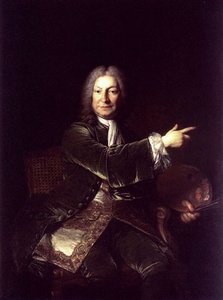
robert le vrac de tournières
1667 - 1752 , France
基本情報
- Birth Date: 1667
- Birth Place: Caen, France
- Death Date: 1752
- Influenced By:
- Lucas Delahaye
- Bon Boullogne
- Rigaud
- Godfried Schalken
- Gerard Dou
- Movement: Rococo, French Regency
- Name: Robert Le Vrac de Tournières
- Nationality: French
- Notable Works:
- Invention of Drawing (1716)
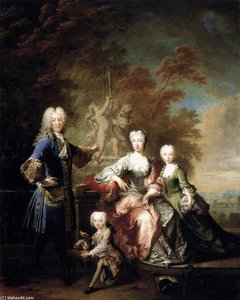
- Count Ferdinand Adolf von Plettenberg and his Family
関連記事

ゴヤ傑作25選:スペインの魂を揺さぶる、深遠な芸術の世界 | ArtsDot
ゴヤ傑作25選:ロマン主義を代表するスペインの巨匠、フランシスコ・デ・ゴヤの世界へ。黒衣の女からマハまで、魂を揺さぶる絵画の物語と技法を紐解きます。ArtsDotで高品質なアートレプリカを見つけ、インテリアに深みと風格を。今すぐコレクションをご覧ください。
Pieter de Hooch: Illuminating Dutch Domestic Life & Golden Age Charm
Explore the captivating world of Pieter de Hooch, a master of Dutch Golden Age painting. Discover his innovative use of light, intimate domestic scenes, and lasting influence on art history. Learn more at ArtsDot.

About Us
Discover our story! We bring world-class art into your life through expert curation, personalized creations, and free previews. Trusted by individuals and businesses since 2000.
Willem van de Velde the Elder: Master of Maritime Painting & Chronicler of the Dutch Golden Age
Discover the captivating maritime paintings of Willem van de Velde the Elder, a master chronicler of the Dutch Golden Age. Explore his unparalleled realism and lasting influence on naval art history.
Maurice Quentin de La Tour: Light, Shadow & the Rococo Portrait
Explore the captivating world of Maurice Quentin de La Tour, a master of Rococo portraiture. Discover his innovative pastel techniques, intimate depictions of French aristocracy, and lasting artistic legacy. Learn more at ArtsDot.

