

 プレビュー
プレビュー
 プリントを購入
 シェアする
シェアする シェアする
シェアする
 詳細を見る
詳細を見る

 ダウンロード
 似ている作品
 X線調査
X線調査 スライドショー
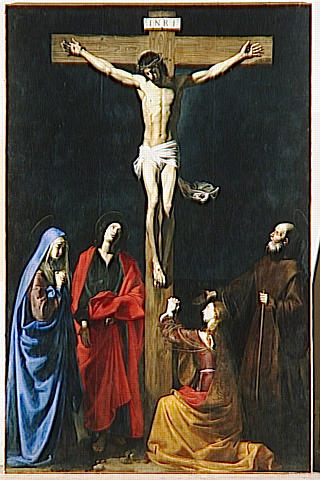
LE CHRIST EN CROIX, LA VIERGE, LA MADELEINE, SAINT JEAN ET SAINT VINCENT DE PAUL


 詳細を見る
詳細を見る




P118B $10

P118H $10

P118W $10

P438Z $10

P508JH $12

P508YH $12

P805H $10

P805Z $10

P919BZ $10

P919G $10

P919XJ $10

P959ZH $10

P968JZ $12

W106C $8

W218G $10

W218JH $8

W218Y $10

W307PJ $10

W316G $10

W316PJ $8

W316Y $10

W398PJ $8

W4111J $10

W500HY $15

W500JH $15

W692G $12

W849H $8

W940BG $15

W953PJ $8




作品のオリジナル比率に合わせた、当店の規定サイズからお選びください。

特定のフレームやスペースに合わせて、ご希望のサイズをご入力いただけます。選択されたサイズが元の画像の比率と異なる場合、アートワークをトリミングするか、手描きで要素を追加して絵画を拡張いたします。デジタルモックアップ を制作し、制作開始前にご確認(承認)をいただきます。
画面上のプレビューは、実際のトリミングや拡張を正確に反映しているものではありません。最終的な構図は、モックアップによってのみ正確にご確認いただけます。
カスタムサイズもご利用いただけますが、元の比率を維持するためには、あらかじめ用意されたリストからサイズを選択することをお勧めいたします。
ご注文後、ArtsDot.com チームより詳細な指示をお送りするとともに、仕上がりイメージ(モックアップ)をご提供いたします。


 ガラスオプションは、110cm未満のサイズでのみご利用いただけます。

LE CHRIST EN CROIX, LA VIERGE, LA MADELEINE, SAINT JEAN ET SAINT VINCENT DE PAUL
複製技法
複製画のサイズ
-


合計金額
$ 363
作品解説
The Weight of the Cross: Nicolas Tournier’s Dramatic Depiction
Nicolas Tournier's "Le Christ en croix, la Vierge, la Madeleine, saint Jean et saint Vincent de Paul" is not merely a painting; it’s an immersive experience, a visceral plunge into the heart of Christian sorrow and profound contemplation. Completed in 1632 during the turbulent years of the French Baroque, this work transcends its historical context to resonate with viewers across centuries, offering a timeless meditation on sacrifice, faith, and the enduring power of compassion. Tournier, a key figure within the Protestant artistic community who embraced Catholic themes, masterfully employs dramatic lighting and dynamic composition to convey an overwhelming sense of grief and spiritual weight.
The scene unfolds against a stark, almost impenetrable black background – a deliberate choice that amplifies the luminosity of Christ’s body and the figures gathered below. The arrangement is carefully constructed, drawing the eye immediately to the central figure on the cross, yet simultaneously encompassing a constellation of mourners: Mary, the Virgin; Mary Magdalene, her face etched with sorrow; Saint John, radiating an aura of quiet devotion; and Saint Vincent de Paul, his posture conveying both empathy and spiritual fortitude. Tournier doesn’t shy away from depicting the raw reality of suffering – wounds are visible, expressions are anguished, and the overall atmosphere is one of palpable grief. However, within this darkness, a subtle glimmer of hope emerges through the depiction of Mary's serene countenance and the collective act of mourning, suggesting a shared understanding of Christ’s sacrifice.
Baroque Drama: Light, Line, and Emotion
Tournier’s style is firmly rooted in the Baroque tradition, characterized by its theatricality, emotional intensity, and masterful use of chiaroscuro – the dramatic interplay of light and shadow. The lighting is intensely directional, originating from an unseen source above and slightly to the left, casting deep shadows that sculpt the figures and heighten their sense of vulnerability. Strong vertical lines are established by the cross itself, a monumental anchor within the composition, while flowing, curvilinear lines emerge through the drapery of the garments, softening the overall rigidity and adding a touch of dynamism. The brushwork is visible, lending a painterly quality to the work – not striving for photographic realism but rather prioritizing emotional impact and expressive gesture.
- Color Palette: Dominated by deep reds, blues, browns, and creams, creating a somber yet evocative atmosphere.
- Lines: Strong verticality from the cross contrasted with flowing drapery.
- Shapes: Predominantly organic forms – human figures and the geometric structure of the cross.
- Texture: Suggests texture through visible brushstrokes, conveying a sense of physicality and vulnerability.
Symbolism and Historical Context
Beyond its immediate depiction of the crucifixion, "Le Christ en croix" is rich in symbolic meaning. The inscription “INRI” – Latin for “Jesus of Nazareth, King of the Jews” – prominently displayed above the cross serves as a reminder of Christ’s sacrifice and his role as both suffering servant and divine ruler. The presence of Saint Vincent de Paul, a tireless advocate for the poor and marginalized, adds another layer of significance, highlighting the themes of charity, compassion, and social justice that were central to Tournier's artistic vision. The inclusion of Mary Magdalene, often associated with repentance and forgiveness, further underscores the redemptive power of Christ’s sacrifice.
Considering the historical context, this painting was created during a period of religious upheaval in France – the aftermath of the St. Bartholomew’s Day Massacre and the rise of Protestantism. Tournier's decision to depict such a powerful and emotionally charged scene within a Catholic framework reflects his own complex relationship with faith and his willingness to engage with themes of suffering, redemption, and spiritual devotion. The painting’s journey through French history – from the Louvre to its temporary disappearance – adds another layer of intrigue to its story.
A Legacy of Emotion: Reproduction and Interpretation
Reproductions of "Le Christ en croix" offer a remarkable opportunity to experience the profound emotional impact of Tournier’s masterpiece. The dramatic lighting, dynamic composition, and rich symbolism continue to captivate viewers today, inviting contemplation on themes of faith, suffering, and redemption. When selecting a reproduction, consider the quality of materials used – oil paints on canvas or panel will best capture the original's depth and texture. This painting remains a powerful testament to the enduring legacy of Nicolas Tournier and his ability to translate complex theological concepts into a visually arresting and emotionally resonant work of art.
関連作品

アーティストの略歴
影と光:ニコラ・トゥルニエが描いたバロックのヴィジョン
17世紀という劇的な時代の風景において、神聖な光と地上の影との間に存在する深い緊張感を、ニコラ・トゥルニエほど効果的に捉えた芸術家は他に類を見ません。1590年頃、フランスのモンベリアールに生まれたトゥルニエは、ヨーロッパの芸術的鼓動がバロック様式の強烈な感情主義へと移行していく変革期の中に現れました。彼の作品は、フランスの伝統的な古典主義と、大陸全土を席巻していた革命的な高コントラストの写実主義とを結ぶ、切実な架け橋としての役割を果たしています。トゥルニエのキャンバスを覗き込むことは、一筆一筆に精神的な重みが宿り、あらゆる影が解き明かされるのを待つ秘密を秘めた世界へと足を踏み入れることに他ならないのです。
トゥルニエの全作品に通底する様式的な鼓動は、紛れもなくカラヴァッジョの深遠な影響と結びついています。光と闇の極端な対比を用いることでドラマ性と立体感を生み出す、このイタリアの巨匠によるテネブリズムの手法は、トゥルニエの視覚言語の礎となりました。このレンズを通じ、画家は単に場面を描いたのではなく、暗闇の中からそれらを彫り出したのです。光を操る彼の卓越した技術は、布地の質感や聖人の顔に刻まれた疲弊した皺、そして宗教的な殉教が持つ生々しい現実を照らし出し、鑑賞者を聖なるものとの親密で、あたかも触れられそうなほどの実感的な出会いへと引き込みました。
神性と人間性への献身
トゥルニエの主題は、当時の宗教的情熱に深く根ざしていました。フランス・バロックの伝統の中で活動した画家として、彼はキリスト教図像学の深遠な物語の中に最大のインスピレーションを見出しました。彼の構図はしばしば、犠牲、悔悛、そして神の介入といったテーマを軸としており、それは代表作である'十字架を背負うキリスト'において最も顕著に現れています。これらの作品において、画家は単なる装飾性を避け、代わりに、神聖な闘争の中に内在する人間の苦しみを生々しく強調する、地に足の着いた写実主義を選択したのです。
トゥルニエを同時代の画家たちから際立たせていたのは、この強烈な宗教的重厚さを、ローマ派に由来する洗練された構図感覚と融合させる能力でした。芸術家としての彼の発展は、単なるイタリアの巨匠たちの模倣を超え、バロック・ドラマに対する独自のフランス的な解釈を創造することへと向かいました。その進化は、以下のような特徴を備えています。
- 感情的な共鳴:人物の心理的深層に焦点を当て、神聖な存在を身近で人間味のあるものとして描き出しました。
- キアロスクーロ(明暗法)の極致:光を単なる視認性のための道具としてではなく、精神的なクライマックスへと視線を導く物語的な装置として活用しました。
- 質感の写実主義:肌、布、石の描写における驚異的な細部へのこだわりが、宗教的な場面に真実味のある空気感を与えています。
遺産と歴史的意義
ニコラ・トゥルニエの歴史的な意義は、フランス・バロック運動への不可欠な貢献者としての役割にあります。後の「グラン・シエクル(大世紀)」における、より装飾的な華やかさの影に隠れがちではありますが、トゥルニエは写実性と強烈さという、欠かすことのできない基礎を提供しました。彼は、人間のありのままの、飾りのない真実を尊ぶ美学を育む一助となり、後の世代のフランス人画家たちが光と影の複雑さを探求するための道を切り拓いたのです。
今日においても、彼の作品はルネサンス後期からバロックの絶頂期への変遷を理解しようとする者にとって、極めて重要な研究対象であり続けています。暗闇という媒体を通じて敬虔な念を呼び起こす彼の能力は、彼の名が単なるカラヴァッジョの追随者としてではなく、時代の魂を照らし出すために影を自在に操った巨匠として、美術史の記録に刻まれ続けることを確かなものにしています。
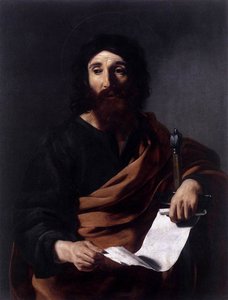
ニコラ・トゥルニエ
1590 - 1639 , フランス
基本情報
- Artistic Movement Or Style: マニエリスム、肖像画
- Artists Or Movements Influenced By This Artist:
- カラヴァッジョ
- マニエリスム
- Artists Who Influenced This Artist:
- アンドレア・マンテーニャ
- レオナルド・ダ・ヴィンチ
- Date Of Birth: 1527年4月5日
- Date Of Death: 1593年7月11日
- Full Name: ジュゼッペ・アルチンボルド
- Nationality: イタリア
- Notable Artworks:
- 四季
- アクバル帝の凱旋
- バッカス
- ホロフェルネスの首を掲げるユディト
- Place Of Birth: イタリア、ミラノ
関連記事

The Dramatic Flourish: Exploring the Baroque Movement's Enduring Legacy in Art History
Explore the dramatic world of Baroque art! Discover iconic artists like Caravaggio & Rubens, defining techniques, and its lasting impact on art history. Expert insights for collectors & enthusiasts at ArtsDot.

The Visceral Stage: Exploring Dramatic Narratives & Emotional Intensity in Baroque Art
Explore the dramatic world of Baroque art! Discover iconic masters like Caravaggio & Rembrandt, their techniques, and the movement's lasting impact. Expert insights for collectors & enthusiasts at ArtsDot.

バロック美術を極めた至宝:時代を彩る10大名作の世界
バロック美術の華!カラヴァッジョ、ベルニーニら巨匠が創り上げた10大名作を徹底解剖。ドラマチックな色彩と豪華絢爛の世界観に触れ、至宝のアートプリントで空間を彩ろう。ArtsDot.comで美術館品質の複製と洗練されたインテリアを見つけましょう!

Theatricality & Triumph: Baroque Drama in Painting & Sculpture
Explore the dramatic world of Baroque art! Discover its history, defining characteristics, & lasting influence on painting & sculpture. Expert insights into Caravaggio, Zurbarán, and Bernini – plus high-quality reproductions at ArtsDot.

The Golden Age Reforged: Dramatic Realism & Religious Zeal in Spanish Baroque Art
Explore the dramatic world of Spanish Baroque art! Discover masters like Zurbarán & the powerful influence of religious zeal on painting techniques – a guide for collectors and enthusiasts.

