

 プレビュー
プレビュー
 プリントを購入
 シェアする
シェアする シェアする
シェアする
 詳細を見る
詳細を見る

 ダウンロード
 似ている作品
 X線調査
X線調査 スライドショー
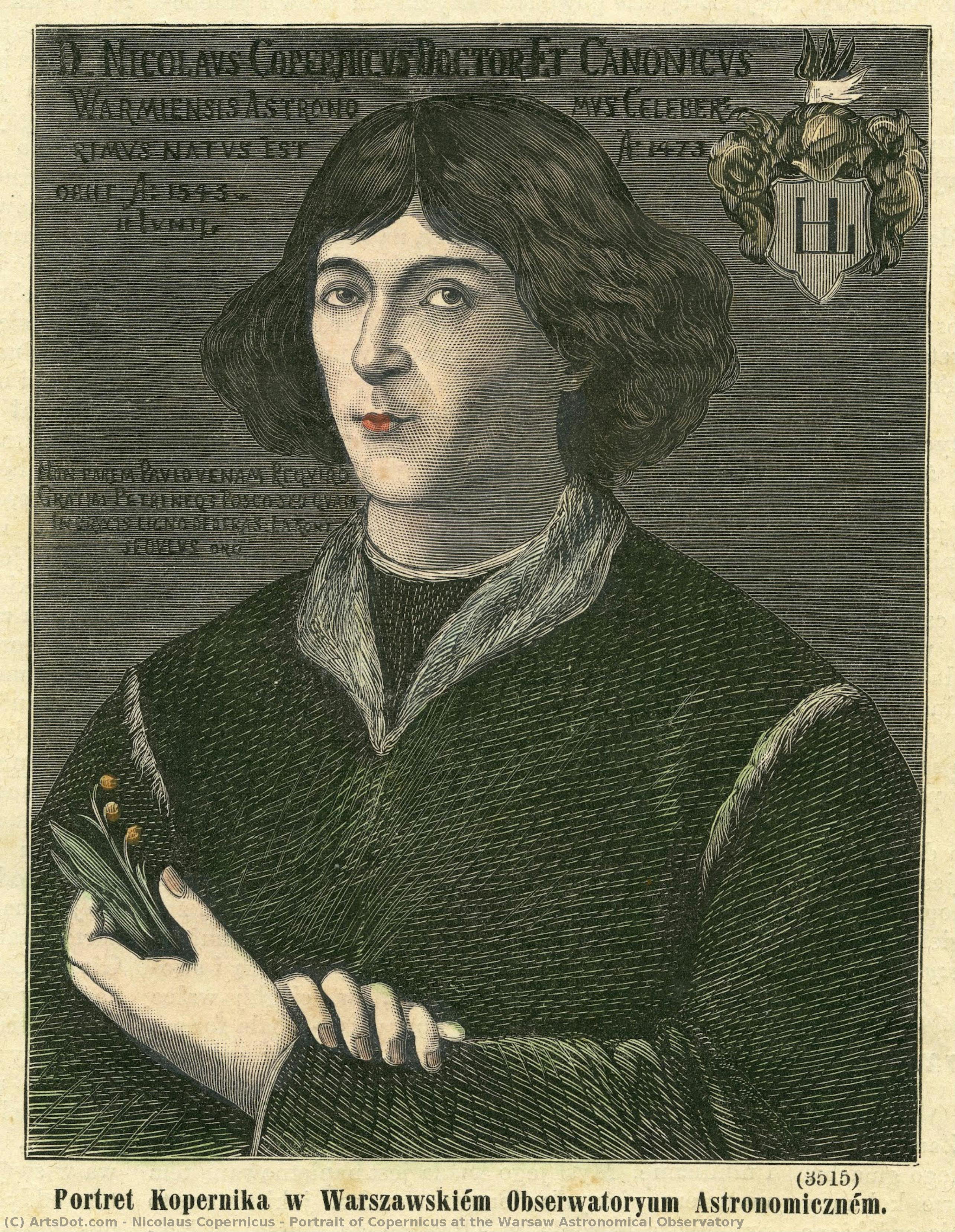
Portrait of Copernicus at the Warsaw Astronomical Observatory


 詳細を見る
詳細を見る
オンラインプレビューをはるかに凌ぐ、高解像度で鮮明なデジタル画像をご購入いただけます。
各ファイルは、社内の専門家が高度なツールと熟練した手作業によるレタッチを用いて、細心の注意を払って準備されています。すべての画像において、卓越した鮮明度、正確な色彩再現性、そして繊細なディテールを保証いたします。
最終ファイルは、プロフェッショナルな編集・印刷環境ですぐにご利用いただけるよう最適化された状態で、72時間以内にメールにてお届けいたします。これは、一流のデザインスタジオ、出版社、ギャラリーから信頼されているものと同等の品質です。
デジタル画像のご注文に付随する特典
高品質なデジタル画像配信を、確かな品質で。
ArtsDot.com を選ぶことは、単に画像を手に入れることではありません。それは、プロの手によって精密に仕上げられ、満足保証が付いた高品質なデジタルアートワークを受け取ることを意味します。ご注文いただいた際に自動的に付随する内容は、以下の通りです:

メールですぐにお届け
ご注文から72時間以内に、高解像度のデジタル画像ファイルがメールでお手元に届きます。すぐにそのままご利用いただけます。

AI技術で最適化されたデジタルファイル
お客様の作品は、高度なAIツールと専門家による手作業の編集を組み合わせてプロフェッショナルに最適化されており、細部のディテール、鮮明さ、そして正確な色再現性を最大限に引き出しています。

一生涯無料の再送サービス
ファイルを誤って削除したり、紛失してしまったりしましたか?ご安心ください。いつでも無料で再送いたします。

輸入手数料は一切かかりません
関税や手数料、配送料を気にすることなく、お気に入りのアートワークをすぐにお楽しみいただけます。デジタルダウンロードは常に免税です。

色彩再現の保証
プロ仕様のツールとカラーマネジメント技術を用いることで、デジタル画像が元の色を最大限に忠実に再現することを保証いたします。

100日間満足保証
ご購入いただいたデジタル画像にご満足いただけない場合は、100日以内であれば、理由を問わず修正または100%の返金対応をさせていただきます。

100% 返金保証
ご満足いただけない場合は、デジタルファイルを受け取ってから100日以内であれば、理由を問わず全額返金いたします。

まとめ買い割引
3枚購入で10%OFF - 5枚購入で15%OFF - 10枚以上購入で20%OFF。クリエイティブなプロジェクト、ギャラリー、エージェンシーに最適です。
A Visionary Captured in Ink: The Legacy of Copernicus
In the quiet, contemplative depths of this striking woodcut, we encounter more than just a portrait; we meet the very architect of our modern understanding of the cosmos. The Portrait of Copernicus at the Warsaw Astronomical Observatory serves as a profound window into the Renaissance spirit, capturing the essence of a man whose intellect shifted the very foundations of the Earth. Rendered in the stark, evocative contrasts of black and white, the image presents Nicolaus Copernicus not merely as a scholar, but as a monumental figure of scientific revolution. The fine lines of the woodcut technique lend a tactile, historical weight to his bearded visage, where every etched shadow suggests a mind perpetually engaged with the celestial mechanics of the heavens.
The composition is masterfully balanced, drawing the viewer’s eye from the solemn, scholarly gaze of the astronomer toward the intricate details that define his station and soul. Clad in the dignified robes of a canon, Copernicus is depicted with a gravity that commands respect, his expression one of deep, perhaps even melancholic, introspection. This is not the portrait of a man at rest, but of a thinker caught in the midst of profound discovery. The presence of a lily in his hand introduces a layer of delicate symbolism, perhaps hinting at the purity of his scientific pursuit or the spiritual foundations of his era, while the ornate, swirling designs in the background provide a sense of depth that mirrors the infinite complexity of the universe he sought to map.
Symbolism and the Celestial Dance
Beyond the immediate physical likeness, the artwork is rich with metaphorical resonance. The delicate butterfly perched to the side serves as a poignant emblem of transformation and the ephemeral nature of life—a striking contrast to the enduring, eternal truths of the planetary motions Copernicus documented. This interplay between the fleeting and the permanent invites collectors and enthusiasts to contemplate their own place within the grand tapestry of time. The Latin inscription arching above his head acts as a historical anchor, documenting his titles and dates with a formal elegance that reminds us of the weight of his legacy: "D. NICOLAVS COPERNICVS DOCTOR ET CANONICUS WARMIENSIS ASTRONOMUS CELEBERRIMUS..."
For the discerning interior designer or art lover, this piece offers a unique opportunity to introduce an element of intellectual prestige and historical gravity into a space. Whether placed in a private library, a study, or a sophisticated gallery setting, the reproduction of this woodcut brings with it an atmosphere of scholarly rigor and timeless wonder. It is a work that does not merely decorate a wall; it invites conversation, sparking reflections on the courage required to challenge established dogmas and the enduring power of human curiosity to illuminate the dark reaches of the unknown.
関連作品


作家の略歴
The Architect of the Heavens: The Life and Legacy of Nicolaus Copernicus
In the twilight of the Middle Ages, a period defined by a geocentric view of existence where the Earth sat motionless at the center of all things, a brilliant mind emerged from Torün, Poland, to redraw the very map of the cosmos. Nicolaus Copernicus, known in his native tongue as Mikołaj Kopernik, was far more than a mere mathematician; he was a visionary whose intellectual courage dismantled centuries of scientific dogma. Born in 1473, his early life was steeped in the rich academic traditions of the University of Krakow, where he immersed himself in the rigorous disciplines of mathematics and astronomy. This foundational education allowed him to look beyond the surface of the night sky, seeking a deeper, more harmonious order within the celestial mechanics that govern our universe.
The intellectual journey of Copernicus was deeply influenced by the classical wisdom of antiquity. By studying the works of Greek philosophers such as Aristotle and Ptolemy, he gained the tools necessary to identify the profound flaws in the existing Ptolemaic system. While his contemporaries accepted a universe revolving around the Earth, Copernicus possessed the mathematical intuition to sense a different truth. His multidisciplinary expertise—spanning medicine, law, and diplomacy—provided him with a unique perspective, allowing him to approach astronomical problems with a holistic understanding of natural philosophy. This period of intense study and observation laid the groundwork for a revolution that would eventually shift the very axis of human thought.
The Heliocentric Revolution and Artistic Resonance
The culmination of Copernicus's life work arrived in 1543 with the publication of his magnum opus, De revolutionibus orbium coelestium (On the Revolutions of the Celestial Spheres). In this monumental text, he presented his heliocentric model, daringly proposing that the Sun, not the Earth, serves as the central point around which the planets revolve. This was not merely a scientific correction; it was a profound philosophical upheaval that stripped humanity of its perceived central position in the cosmos. The impact of this work was seismic, acting as the primary catalyst for the Scientific Revolution and forever altering the trajectory of modern science.
Beyond the mathematical proofs and astronomical diagrams, the legacy of Copernicus has been captured through the lens of art and engraving, preserving his image for posterity. The visual representation of his ideas often blends scientific precision with the aesthetic sensibilities of the Renaissance. For instance:
- The Portraiture of Genius: Engravings such as those by Jacob van Meurs serve to immortalize the astronomer, portraying him not just as a scholar, but as a figure of profound intellectual authority.
- Symbolic Diagrams: The artistic depictions of the heliocentric system act as visual narratives, translating complex orbital mechanics into accessible, evocative imagery that captures the movement of the spheres.
- Historical Documentation: Through various collections in institutions like the Kunstbibliothek in Berlin, the visual history of his contributions remains a vital part of European art and scientific heritage.
Today, the name Nicolaus Copernicus evokes a sense of awe for the power of human reason. His ability to look at the same stars as his predecessors, yet see an entirely different universe, remains one of the greatest achievements in human history. Through both his written word and the enduring artistic tributes that celebrate his intellect, Copernicus continues to inspire those who dare to challenge the status quo and seek the truth hidden within the infinite expanse of the heavens.
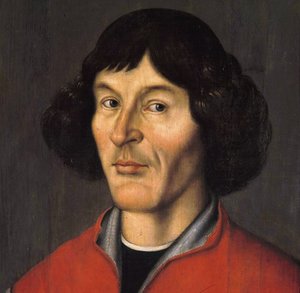
nicolaus copernicus
1473 - 1543 , Poland
プロフィール概要
- Artists Who Influenced This Artist:
- Aristotle
- Ptolemy
- Date Of Birth: 1473
- Date Of Death: 1543
- Full Name: Nicolaus Copernicus
- Nationality: Polish
- Notable Artworks: ['De revolutionibus orbium coelestium']
- Place Of Birth: Toruń, Poland