

 プレビュー
プレビュー
 プリントを購入
 シェアする
シェアする シェアする
シェアする
 詳細を見る
詳細を見る

 ダウンロード
 似ている作品
 X線調査
X線調査 スライドショー
Bernese Collection of the Historisches Museum Bern

 詳細を見る
詳細を見る




































作品のオリジナル比率に合わせた、当店の規定サイズからお選びください。

特定のフレームやスペースに合わせて、ご希望のサイズをご入力いただけます。選択されたサイズが元の画像の比率と異なる場合、アートワークをトリミングするか、手描きで要素を追加して絵画を拡張いたします。デジタルモックアップ を制作し、制作開始前にご確認(承認)をいただきます。
画面上のプレビューは、実際のトリミングや拡張を正確に反映しているものではありません。最終的な構図は、モックアップによってのみ正確にご確認いただけます。
カスタムサイズもご利用いただけますが、元の比率を維持するためには、あらかじめ用意されたリストからサイズを選択することをお勧めいたします。
ご注文後、ArtsDot.com チームより詳細な指示をお送りするとともに、仕上がりイメージ(モックアップ)をご提供いたします。


 ガラスオプションは、110cm未満のサイズでのみご利用いただけます。

Bernese Collection of the Historisches Museum Bern
複製技法
複製画のサイズ
-


合計金額
$ 263
作品解説
A Noble Portrait from Renaissance Bern: Unveiling Niklaus Manuel's Masterpiece
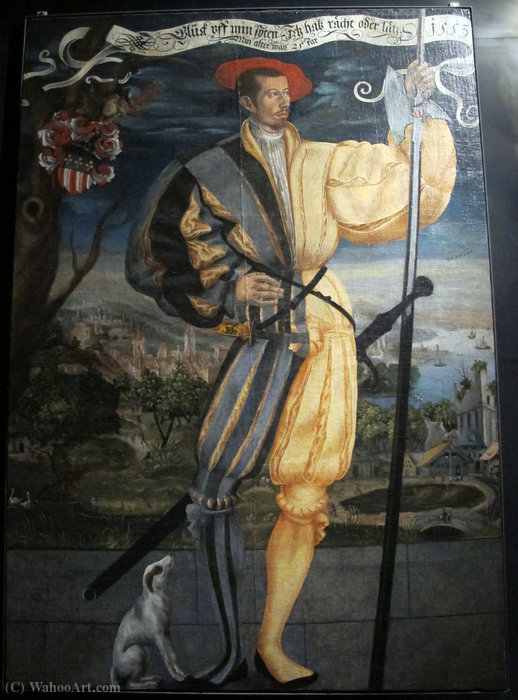
This striking portrait, part of the esteemed Bernese Collection housed within the Historisches Museum Bern, offers a captivating glimpse into 16th-century Swiss society. Painted by Niklaus Manuel (1484-1530), a pivotal figure in Bern’s artistic landscape and a man who skillfully bridged art and politics, this work exemplifies the burgeoning Renaissance spirit taking hold in Switzerland. The subject is depicted as a nobleman, confidently posed with a spear and shield – symbols of military prowess and civic duty – accompanied by a loyal dog, further emphasizing his status and responsibility. The detailed cityscape and landscape backdrop provide context, grounding the figure within the specific environment of Bern while hinting at broader geographical reach.Style & Technique: Renaissance Realism with Symbolic Depth
Manuel’s style leans towards realism, meticulously rendering the subject's features, clothing, and the architectural details of the background. However, this is not mere representation; it’s imbued with symbolic meaning. The dramatic lighting, emanating from the upper left, highlights the figure while casting shadows that sculpt his form and add a sense of gravitas. The use of oil paint allows for rich color blending and subtle textural variations, demonstrating Manuel's mastery of the medium. Notice how geometric shapes – squares in the buildings, rectangles in the attire – contribute to the overall composition’s structure and visual harmony. The application of atmospheric perspective, where distant elements appear paler and less defined, skillfully creates a sense of depth and recession into the landscape.Historical Context & Significance
Niklaus Manuel was not only an accomplished artist but also a prominent figure in Bernese civic life, serving as a member of the city parliament (Grosser Rat). This portrait likely served to commemorate his status or that of a significant patron, reflecting the growing importance of individual identity and representation during the Renaissance. Manuel’s career coincided with a period of political upheaval and religious change, and his work often reflected these tensions. His famous *Danse Macabre* (Dance of Death) painted on the wall of the Dominican abbey in Bern, though later destroyed, stands as testament to his engagement with contemporary social concerns. This portrait, therefore, is more than just a likeness; it’s a window into the complex world of 16th-century Bernese society and the role of art within it.Symbolism & Emotional Impact
Beyond its technical brilliance, this painting resonates with symbolic meaning. The coat of arms displayed prominently above the figure's head signifies his lineage and allegiance. The spear and shield are clear indicators of military service or noble duty. Even the dog, a common symbol of loyalty and fidelity, reinforces the subject’s character. The overall effect is one of formality, power, and dignified composure. The warm color palette – dominated by yellows, oranges, reds, and browns – conveys a sense of richness and prosperity, while the cooler blues and greens in the background provide visual contrast and enhance the depth of the scene. The painting evokes a feeling of respect and admiration for the subject, offering a compelling glimpse into the life of a Renaissance nobleman within the vibrant cultural context of Bern.関連作品
アーティストの略歴
The Renaissance Visionary of Bern: The Life and Legacy of Niklaus Manuel
In the vibrant tapestry of the sixteenth-century Northern Renaissance, few figures loom as large or as multifaceted as Niklaus Manuel. Born in Berlin around 1484, this extraordinary individual was far more than a mere painter; he was a mercenary soldier, a writer, and a pivotal figure in the civic life of Bern. His life was a whirlwind of movement and intellect, bridging the gap between the brutal realities of European warfare and the refined humanist ideals of the Renaissance. As a central character in the artistic landscape of Switzerland, Manuel’s work serves as a profound window into an era defined by spiritual struggle, political upheaval, and a burgeoning fascination with the human condition.
The foundation of Manuel’s technical mastery can be traced back to his formative years in Basel, where he underwent rigorous training under the legendary Hans Holbein the Younger. This apprenticeship was transformative, instilling in him a meticulous devotion to realism and a sophisticated command of chiaroscuro. From Holbein, Manuel inherited an eye for the minute details of nature and the human form, as well as the ability to use light and shadow to imbue his subjects with psychological depth. This connection to the humanist tradition allowed him to move beyond simple ornamentation, instead creating works that prioritized observation and an accurate, almost visceral, representation of the world around him.
A Mastery of Symbolism and Narrative
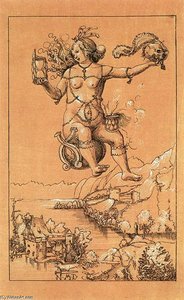
Manuel’s artistic output is characterized by a remarkable versatility, ranging from deeply religious altarpieces to biting satirical compositions. His ability to weave complex theological narratives with humanist symbolism allowed him to capture the dualities of his age—the sacred and the profane, the eternal and the mortal. One of his most hauntingly beautiful themes was the exploration of mortality, often expressed through intricate landscapes and symbolic figures. In works such as his Allegory of Death, he utilizes the image of a nude woman holding a skull to evoke profound meditations on transformation and the inevitability of the end, set against an intricately detailed backdrop that showcases his command over environmental storytelling.
Beyond the contemplative, Manuel possessed a talent for depicting intense, dynamic struggle. His Temptation of Saint Anthony stands as a testament to his ability to utilize the emerging Mannerist style, employing rich colors and intense detail to portray demonic temptation and spiritual warfare. This capacity for drama was perhaps most famously realized in his monumental mural, the Danse Macabre, at the Dominican Abbey in Bern. Although this masterpiece was tragically lost to history in 1660, its influence lived on through contemporary copies, reminding viewers of his ability to command large-scale compositions that spoke to the collective consciousness of the Bernese people.
Historical Significance and Artistic Endurance
The significance of Niklaus Manuel extends far beyond the borders of Switzerland. He represented a unique breed of Renaissance man—an artist whose brush was as active in the halls of governance and the battlefields of Europe as it was in the quiet studios of Basel. His portraits, such as those found in the Historisches Museum Bern, reveal a master capable of capturing the dignity and symbolic weight of the nobility, using dramatic lighting to elevate his subjects into icons of their era.
Ultimately, Manuel’s legacy is defined by his role as a bridge. He bridged the gap between the late Gothic traditions and the burgeoning Renaissance; he bridged the distance between the soldier's grit and the scholar's grace; and most importantly, he bridged the human experience with the divine through his art. His works remain essential touchstones for understanding the cultural metamorphosis of the sixteenth century, offering a glimpse into a world where art, politics, and spirituality were inextricably entwined.
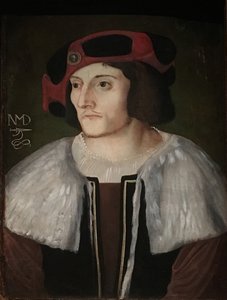
niklaus manuel
1484 - 1530 , Germany
基本情報
- Artistic Movement Or Style: Renaissance Painting
- Artists Or Movements Influenced By This Artist: ['Renaissance Switzerland']
- Artists Who Influenced This Artist: ['Holbein']
- Date Of Birth: c. 1484
- Date Of Death: 28 April 1530
- Full Name: Niklaus Manuel Deutsch
- Nationality: Swiss
- Notable Artworks:
- Danse Macabre
- Temptation of Saint Anthony
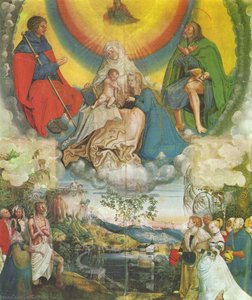
- Anna selbdritt and the Holy Jacobus and Rochus as intercessors for mankind bothered by the plague humanity
- Place Of Birth: Berlin, Germany
関連記事

The Enduring Legacy of Oil on Canvas: Technique, History & Aesthetic Impact
Explore the rich history & techniques of oil painting – from Renaissance masters to Impressionism. Discover pigments, layering methods, and why this timeless medium endures. Expert insights for artists & art enthusiasts.

Oil on Canvas: A Historical & Technical Exploration of a Timeless Artistic Medium
Explore the rich history & enduring techniques of oil painting on canvas. Discover the science behind its longevity, conservation practices, and contemporary relevance. Expert insights for art enthusiasts.

The Enduring Power of Painting: A Historical & Contemporary Exploration of Form and Emotion
Explore the rich history & enduring techniques of oil painting with ArtsDot. Discover masterpieces, learn about art collecting, and find authentic handmade reproductions crafted by skilled artists.
油彩のキャンバス:技法、歴史、そして現代の実践 - 古典美術愛好家へ
油彩の技法、歴史、巨匠たちの秘密を徹底解説。古典美術愛好家向けに、初期フランドル絵画から現代の実践まで深く掘り下げます。ArtsDotで高品質な複製画やカスタムオーダーも承ります。
Oil on Board Masters: 10 Paintings That Redefined Art | ArtsDot
Explore 10 legendary 'Oil on Board' masterpieces by Van Gogh, Monet & more! Discover art history, iconic styles like Impressionism, and find museum-quality reproductions to elevate your home decor. Explore the full collection online at ArtsDot.com.

