プレビュー
プレビュー
 シェアする
シェアする シェアする
シェアする
 詳細を見る
詳細を見る

 ダウンロード
 似ている作品
 X線調査
X線調査 スライドショー
 統計情報
統計情報Wounded soldier (Part of diptych)
 Primitivism
 80.0 x 50.0 cm
 詳細を見る
詳細を見る
ジークレー/アートプリント
迅速な制作と多彩な仕上げオプションを備えた、ミュージアムクオリティのジークレーまたはキャンバスプリント。 ( 手描きの絵画を購入 デジタル画像販売へ切り替え)




































作品のオリジナル比率に合わせた、当店の規定サイズからお選びください。

特定のフレームやスペースに合わせて、ご自身でサイズを指定することも可能です。選択されたサイズが元の画像の比率と一致しない場合、作品をトリミングするか、鏡面反射または単色での塗りつぶしによって画像を拡張いたします。制作を開始する前に、ご確認用のデジタルモックアップをお送りいたします。
画面上のプレビューには、実際のトリミングや拡張は反映されませんのでご注意ください。最終的な構図を正確に確認できるのは、モックアップのみとなります。
カスタムサイズも承っておりますが、元の比率を維持するためには、あらかじめ用意されたリストからサイズを選択することをお勧めいたします。


 ガラスオプションは、110cm未満のサイズでのみご利用いただけます。

Wounded soldier (Part of diptych)
ジークレー/アートプリント
複製画のサイズ
-


合計金額
$ 62
A Glimpse into Suffering: Niko Pirosmani's "Wounded Soldier"
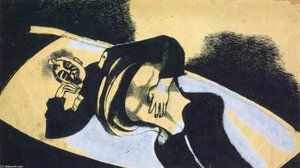
Niko Pirosmani’s “Wounded Soldier (Part of Diptych)” is a profoundly moving work, offering a stark and intimate portrayal of human suffering amidst the backdrop of conflict. Painted around 1918, this piece provides a window into the emotional landscape of Georgia during a turbulent period, likely reflecting the aftermath of World War I or the Russian Civil War. The artwork’s power lies not in grand narratives but in its quiet depiction of individual vulnerability and despair.
Style and Technique: The Essence of Primitivism
Pirosmani is celebrated as a Georgian primitivist painter, and this work exemplifies his unique style. Characterized by a deliberate lack of formal training, Pirosmani’s art prioritizes direct emotional expression over realistic representation. Observe the simplified forms – the soldier's face rendered with basic geometric shapes, the bold outlines defining his uniform, and the flattened perspective that eschews traditional depth. The technique appears to involve a quick and direct application of paint, likely oil paints on a wooden panel, without extensive blending or layering. This immediacy contributes to the raw and unfiltered emotional impact of the piece. The use of oilcloth as a common painting surface further emphasizes this sense of immediacy and accessibility.
Subject Matter and Historical Context
The subject matter is undeniably poignant: a wounded soldier, likely from a conflict that ravaged Georgia in the early 20th century. The visible wound on his leg serves as a focal point, immediately drawing the viewer's attention to his suffering. His posture – slumped shoulders, weary gaze – conveys exhaustion and pain. While the specific conflict remains somewhat ambiguous, the uniform suggests a connection to World War I or the subsequent Russian Civil War, both of which deeply impacted Georgia. The rifle held loosely in his left hand hints at a recent battle, while his bare feet emphasize his vulnerability and grounding in the earth, connecting him to the land despite his suffering.
Symbolism and Emotional Impact
Beyond its literal depiction, "Wounded Soldier" resonates with deeper symbolic meaning. The muted color palette – dominated by earthy tones of green, brown, and red – creates a sense of desolation and melancholy. The lack of perspective flattens the scene, isolating the soldier within his pain. The painting evokes feelings of sadness, loss, and perhaps futility, reflecting the widespread trauma experienced during times of war. Pirosmani doesn't offer heroic narratives or triumphant victories; instead, he presents a quiet moment of despair, inviting viewers to contemplate the human cost of conflict. The diptych nature (suggesting another panel exists) further enhances this sense of incompleteness and lingering sorrow.
Pirosmani: A Unique Voice in 20th-Century Art
Niko Pirosmani remains a singular figure in 20th-century art. His self-taught approach, coupled with his unique vision, resulted in a body of work that is both deeply personal and universally relatable. "Wounded Soldier" exemplifies his ability to capture the essence of human emotion through simple forms and direct expression. Owning a reproduction of this artwork allows you to bring a piece of Georgian history and profound emotional depth into your space.
Learn More About Niko Pirosmani
関連作品
アーティストの略歴
生い立ちと初期のキャリア
1862年、カヘティ地方の小さな村ミルザアニに生まれたニコ・ピロスマニは、ジョージアのプリミティブ画家として知られるようになりました。彼の両親、アスラン・ピロスマニシビリとテクレ・トクリキシュヴィリは、小さなブドウ園を所有する農家でした。幼い頃に孤児となり、2人の姉妹の世話のもとで育ちました。ピロスマニの人生は、貧困の中で始まりましたが、その後の芸術活動を通して、ジョージア文化に深い足跡を残すことになります。彼の作品には、故郷への愛情や人々の生活への温かい眼差しが込められています。独特な様式とテーマ
ピロスマニの芸術様式は、その素朴でプリミティブな性質によって特徴づけられます。彼の絵画は、ジョージアの人々の日常生活を描いたものが多く、油布をキャンバスとして使用していました。独特な構図と人物配置が際立ち、自然や農村生活への愛情が強く表現されています。都市の風景はほとんど描かれず、ジョージアの田園地帯の美しさが作品を通して伝わってきます。ピロスマニは、洗練された技巧よりも、感情を率直に表現することを重視しました。彼の絵画は、見る人の心に直接語りかけるような力を持っています。代表作と展覧会
ピロスマニの代表的な作品には、以下のようなものがあります:- ワインスキンを持つムシャ、ジョージア文化の本質を捉える能力を示す絵画です。
- ジョージアの結婚式、伝統的なジョージアの結婚式の様子を描いたものです。
- ジダネヴィチの肖像、ロシアの詩人ミハイル・レー=ダンチュウの肖像画で、キリル・ジダネヴィチとその弟イリヤ・ジダネヴィチから熱狂的な支持を得ました。
遺産と死後の評価
ピロスマニの生涯は貧困に彩られていましたが、死後の評価は非常に高いものとなりました。1918年にジョージア人画家の大規模な展覧会が開催され、彼の作品が広く知られるようになりました。今日、彼の絵画はジョージア美術館やシグナギ歴史民族博物館で展示されており、35万人以上の人々が鑑賞しています。彼の作品は、ジョージアの芸術史において重要な位置を占めており、その独特なスタイルとテーマは、多くのアーティストに影響を与え続けています。ArtsDotでニコ・ピロスマニの作品を見るWikipediaでニコ・ピロスマニについてもっと読む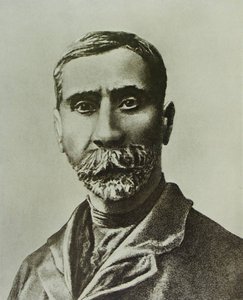
ニコ・ピロスマニ (Niko Pirosmani)
1862 - 1918 , ジョージア
基本情報
- Artistic Movement Or Style: プリミティビズム
- Artists Who Influenced This Artist: ['ウラジーミル・グディアシビリ']
- Date Of Birth: 1862年5月5日
- Date Of Death: 1918年4月9日
- Full Name: ニコラ・アスラーノヴィチ・ピロスマナシビリ
- Nationality: グルジア人
- Notable Artworks:
- ワイン入りのムシャ
- グルジアの結婚式
- ズダネヴィチの肖像
- Place Of Birth: グルジア ミルザアニ村
関連記事
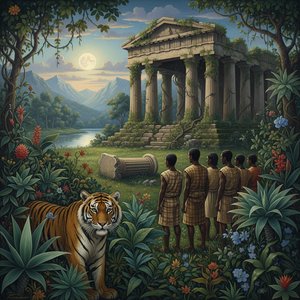
Henri Rousseau: Primitivism, Paradox & Subversion of Academic Tradition
Explore the captivating world of Henri Rousseau, the celebrated Naïve artist who challenged academic traditions with his unique jungle scenes & dreamlike symbolism. Discover his lasting influence on modern art and collecting today.
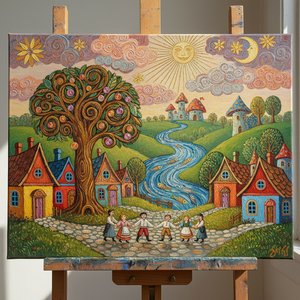
The Unconventional Vision: Exploring the Characteristics, History & Enduring Appeal of Naïve Art
Explore the captivating world of naïve art! Discover its history, characteristics, key artists & collecting tips from ArtsDot's experts. Find your perfect piece today.
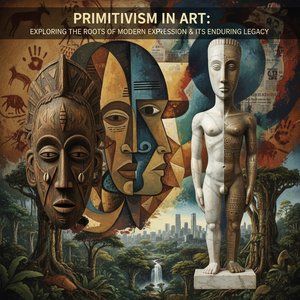
Primitivism in Art: Exploring the Roots of Modern Expression & its Enduring Legacy
Explore the fascinating history of Primitivism in art – its origins, key artists like Gauguin & Picasso, and lasting impact on modern expression. Uncover the complexities of this influential movement with ArtsDot.
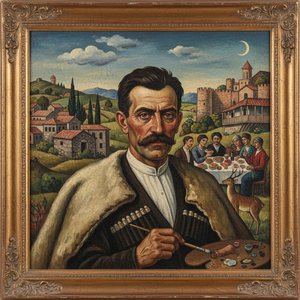
Niko Pirosmani: A Georgian Visionary – Life, Legacy, and the Poetics of Outsider Art
Discover the captivating life & art of Niko Pirosmani, Georgia’s celebrated primitivist painter. Explore his unique oilcloth paintings, lasting influence, and enduring legacy with ArtsDot.
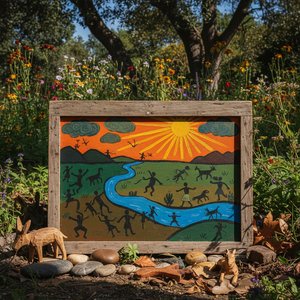
The Untamed Vision: Exploring Naïve Art & Primitivism's Rejection of Convention
Explore the revolutionary world of Naïve Art & Primitivism! Discover how artists challenged academic traditions with raw emotion & unique styles. Learn about Picasso, Rousseau & more at ArtsDot.