

 プレビュー
プレビュー
 プリントを購入
 シェアする
シェアする シェアする
シェアする
 詳細を見る
詳細を見る

 ダウンロード
 似ている作品
 X線調査
X線調査 スライドショー
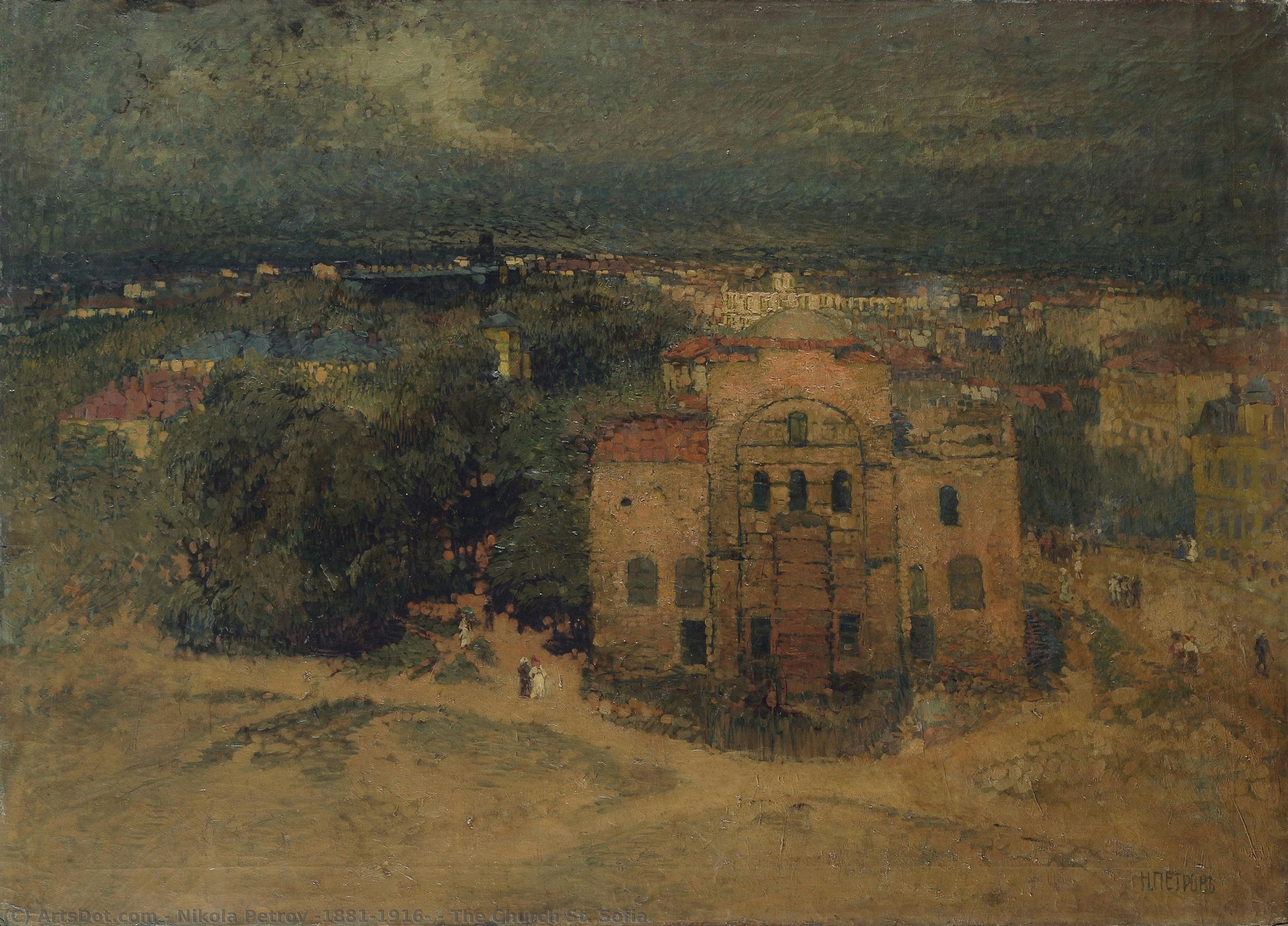
The Church St. Sofia
 Oil
Oil- WallArt
- Post-Impressionism
 1909
1909- Modern
 7.0 x 121.0 cm
 National Gallery of Bulgaria
 詳細を見る
詳細を見る




P118B $10

P118H $10

P118W $10

P438Z $10

P508JH $12

P508YH $12

P805H $10

P805Z $10

P919BZ $10

P919G $10

P919XJ $10

P959ZH $10

P968JZ $12

W106C $8

W218G $10

W218JH $8

W218Y $10

W307PJ $10

W316G $10

W316PJ $8

W316Y $10

W398PJ $8

W4111J $10

W500HY $15

W500JH $15

W692G $12

W849H $8

W940BG $15

W953PJ $8




作品のオリジナル比率に合わせた、当店の規定サイズからお選びください。

特定のフレームやスペースに合わせて、ご希望のサイズをご入力いただけます。選択されたサイズが元の画像の比率と異なる場合、アートワークをトリミングするか、手描きで要素を追加して絵画を拡張いたします。デジタルモックアップ を制作し、制作開始前にご確認(承認)をいただきます。
画面上のプレビューは、実際のトリミングや拡張を正確に反映しているものではありません。最終的な構図は、モックアップによってのみ正確にご確認いただけます。
カスタムサイズもご利用いただけますが、元の比率を維持するためには、あらかじめ用意されたリストからサイズを選択することをお勧めいたします。
ご注文後、ArtsDot.com チームより詳細な指示をお送りするとともに、仕上がりイメージ(モックアップ)をご提供いたします。


 ガラスオプションは、110cm未満のサイズでのみご利用いただけます。

The Church St. Sofia
複製技法
複製画のサイズ
-


合計金額
$ 263
A Window into Early Modern Bulgaria
In the delicate brushstrokes of Nikola Petrov’s The Church St. Sofia, we find more than just a depiction of a landmark; we encounter a soulful meditation on a city in transition. Painted in 1909, this evocative cityscape captures the heart of Sofia during a period of profound transformation. As the Bulgarian capital began to shed its historical layers to embrace the promise of modernity, Petrov acted as a visual chronicler, freezing a moment where tradition and progress existed in a harmonious, sun-drenched dance. The church, with its commanding dome, serves as an anchor for the composition, standing as a testament to enduring faith amidst the burgeoning urban energy of a nation finding its footing on the European stage.
The painting breathes with the spirit of Post-Impressionism, infused with subtle traces of Symbolism. Petrov does not merely replicate the architecture; he interprets the atmosphere. The technique relies on a masterful handling of light and color to create depth and movement. While the foreground is anchored by the solid, dignified presence of the church, the background reveals the soft, majestic silhouettes of distant mountains, lending a sense of eternal scale to the human activity below. The artist uses light to weave together the disparate elements of the scene—the stone of the cathedral, the surrounding buildings, and the wandering figures—into a singular, cohesive tapestry of life.
Beyond its technical brilliance, The Church St. Sofia possesses a profound emotional resonance that makes it an extraordinary piece for any curated collection. There is a palpable sense of "lively tranquility" within the frame; the scattered figures engaged in their daily rhythms suggest a community in motion, yet there is a nostalgic stillness that permeates the air. For the collector or interior designer, this work offers a sophisticated layer of storytelling. It is a piece that invites contemplation, bringing a sense of historical weight and European elegance to a contemporary space. Whether placed in a grand gallery or a refined residential setting, Petrov’s vision serves as an enchanting window into a vanished era, offering timeless beauty and a deep connection to the roots of Bulgarian Modernism.
関連作品
![Legend Of St Francis - [23] - St Francis Mourned By St Clare — ジョット, Gothic](/media/artworks/images-thumb/17/1c/171c284c41dc3ef8bca83e51c1e1e531.jpg)

アーティストの略歴
The Visionary of Bulgarian Modernism
Nikola Petrov (1881–1916) remains a luminous figure in the dawn of Bulgarian modernism, a painter whose brief but brilliant life captured the very soul of a nation in transition. Born in Vidin, Bulgaria, Petrov possessed an innate sensitivity to light and form that manifested early in his childhood. His journey into the heart of professional artistry began at the tender age of seventeen when he entered the State School of Art—the institution known today as the National Academy of Arts. This formative period provided him with more than just technical mastery; it offered a sanctuary where his burgeoning talent could merge with the evolving aesthetic currents of early 20th-century Europe.
While his early training was rooted in the meticulous traditions of Bulgarian art, characterized by symbolic depth and precise detail, Petrov’s spirit was too restless to be confined by academic realism. He found himself profoundly moved by the Impressionist movement, drawing deep inspiration from the works of masters like Claude Monet and Pierre-Auguste Renoir. This encounter with French Impressionism catalyzed a radical shift in his technique. He began to abandon rigid outlines in favor of loose, expressive brushstrokes and a daring, vibrant color palette that sought to capture the ephemeral dance of light upon the landscape.
Capturing the Pulse of Sofia
Petrov’s most enduring legacy lies in his ability to act as a visual chronicler of Sofia, the Bulgarian capital. During his lifetime, the city was undergoing a profound metamorphosis, shedding its historical layers to embrace the promise of modernity. Through his eyes, we witness the grandeur of a city being reborn. His urban landscapes are not merely topographical records but emotional meditations on progress and tradition. In works such as The Church St. Sofia, painted in 1909, he captures the cathedral’s commanding dome amidst a sun-drenched atmosphere, freezing a moment where the weight of history meets the lightness of a new era.
His fascination with the cityscape extended to other iconic landmarks, such as Lion’s Bridge, which he transformed into canvases brimming with movement and luminosity. Beyond his landscapes, Petrov was also a gifted graphic artist and a master of portrait sketches and watercolors, demonstrating a versatility that allowed him to explore both the vastness of the Bulgarian horizon and the intimate nuances of the human countenance. His work often reflected the tension of his era—a period marked by the rapid advancement of technology and the looming shadows of global conflict.
A Legacy Forged in Light and Shadow
The trajectory of Petrov’s career was tragically cut short by the onset of the First World War, a period of immense upheaval that claimed his life in 1916. Yet, despite the brevity of his years, his impact on the Bulgarian artistic landscape remains indelible. He helped bridge the gap between traditional Bulgarian motifs and the avant-garde sensibilities of Europe, paving the way for future generations of modernists.
To study the works of Nikola Petrov is to experience the heartbeat of a nation during its most transformative years. His achievements can be summarized through his unique contributions to art history:
- Pioneering Impressionism in Bulgaria: He was instrumental in introducing and adapting the Impressionist style to the local Bulgarian context, moving away from rigid academicism.
- Urban Documentation: His paintings serve as vital historical documents of Sofia’s architectural and social evolution during the early 1900s.
- Mastery of Light: He developed a signature technique that utilized bold colors and fluid brushwork to evoke the atmospheric qualities of the Bulgarian landscape.
- Versatile Artistry: His ability to excel in landscapes, portraits, and graphic arts expanded the boundaries of what Bulgarian contemporary art could achieve.
Today, Petrov’s works stand as a testament to a visionary who saw beauty in change. He remains a cornerstone of Bulgarian cultural identity, reminding us that even in times of profound transition and conflict, there is an enduring power in the pursuit of light and color.
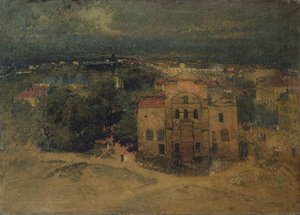
nikola petrov (1881-1916)
1881 - 1916 , Bulgaria
基本情報
- Artistic Movement Or Style: Impressionism
- Artists Or Movements Influenced By This Artist:
- Wassily Kandinsky
- Pierre-Auguste Renoir
- Artists Who Influenced This Artist: ['Ivan Tabakov']
- Date Of Birth: August 19, 1881
- Full Name: Nikola Petrov
- Nationality: Bulgarian
- Notable Artworks:
- St. Sofia Church
- Lion's Bridge in Sofia
- Place Of Birth: Vidin, Bulgaria
関連記事
光と色彩の彼方:知的な収集家のための印象派とポスト印象派
印象派とポスト印象派の傑作を深く理解し、知的なコレクションを築くための情報を提供。ArtsDotでは、高品質な油絵複製やカスタムアートをご用意。専門家が最適な作品選びをお手伝いします。

没後印象派を彩る至宝:時代を定義した10大名作
時代を彩る没後印象派の名作10選。ゴッホ、セザンヌら巨匠の傑作を深く掘り下げ、その物語と技法に迫ります。色彩豊かなアートで空間を演出。ArtsDot.comで至高のアートプリントを見つけませんか?
Beyond Impressionism: Exploring the Emotional Depth of Post-Impressionist Painting
Explore the profound emotional depth & innovative techniques of Post-Impressionism with ArtsDot. Discover Cézanne, Van Gogh, Gauguin & more – and their lasting impact on modern art.

Impressionism's Masterpieces: 10 Paintings That Defined a Movement | ArtsDot
Journey through Impressionism's heart with 10 iconic paintings by Monet, Renoir & Degas. Explore light, color & the stories behind these masterpieces. Find museum-quality art reproductions and elevate your home decor on ArtsDot.com.
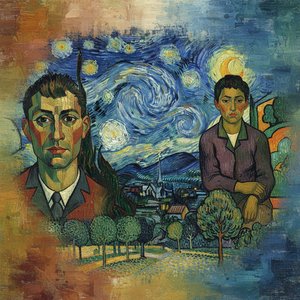
Beyond Impressionism: Exploring Emotional Depth & Formal Innovation in Post-Impressionist Art
Explore the profound emotional depth & formal innovations of Post-Impressionism with our expert guide. Discover Cézanne, Van Gogh, Gauguin & more. Learn about art history, collecting, and investing in this pivotal movement.