

 プレビュー
プレビュー
 シェアする
シェアする シェアする
シェアする
 詳細を見る
詳細を見る

 ダウンロード
 似ている作品
 X線調査
X線調査 スライドショー
 Stats
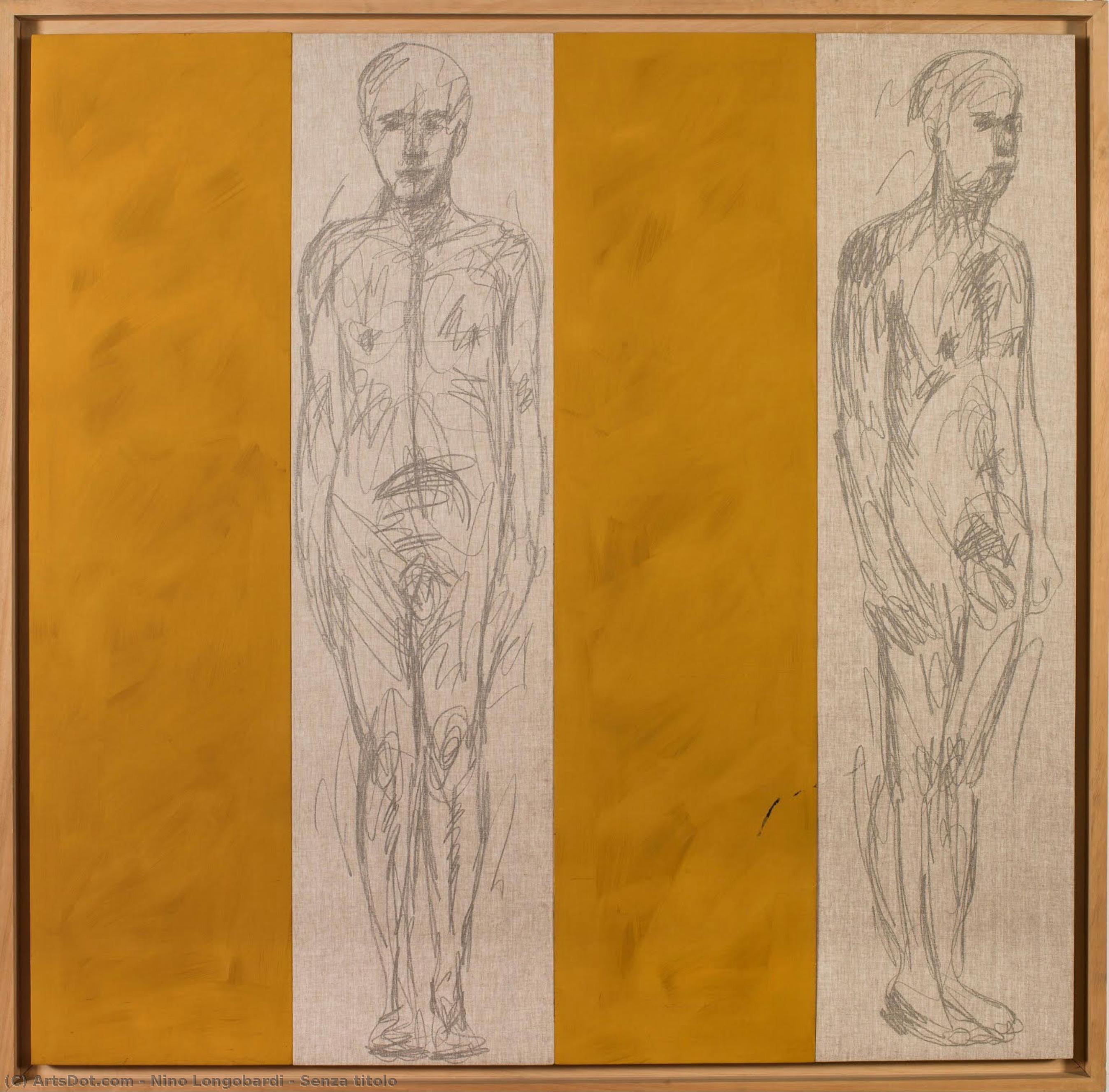
StatsSenza titolo
 Acrylic On Canvas
- WallArt
- Contemporary Minimalism
 Contemporary
 200.0 x 200.0 cm
 Ministero degli Affari Esteri e della Cooperazione Internazionale. Collezione Farnesina
 詳細を見る
詳細を見る
オンラインプレビューをはるかに凌ぐ、高解像度で鮮明なデジタル画像をご購入いただけます。
各ファイルは、社内の専門家が高度なツールと熟練した手作業によるレタッチを用いて、細心の注意を払って準備されています。すべての画像において、卓越した鮮明度、正確な色彩再現性、そして繊細なディテールを保証いたします。
最終ファイルは、プロフェッショナルな編集・印刷環境ですぐにご利用いただけるよう最適化された状態で、72時間以内にメールにてお届けいたします。これは、一流のデザインスタジオ、出版社、ギャラリーから信頼されているものと同等の品質です。
デジタルアート
個人での鑑賞、印刷、クリエイティブなプロジェクト用に、高解像度ファイルをダウンロードできます。 ( Switch to Print 手描きの絵画を購入)
デジタル画像のご注文に付随する特典
高品質なデジタル画像配信を、確かな品質で。
ArtsDot.com を選ぶことは、単に画像を手に入れることではありません。それは、プロの手によって精密に仕上げられ、満足保証が付いた高品質なデジタルアートワークを受け取ることを意味します。ご注文いただいた際に自動的に付随する内容は、以下の通りです:

メールですぐにお届け
ご注文から72時間以内に、高解像度のデジタル画像ファイルがメールでお手元に届きます。すぐにそのままご利用いただけます。

AI技術で最適化されたデジタルファイル
お客様の作品は、高度なAIツールと専門家による手作業の編集を組み合わせてプロフェッショナルに最適化されており、細部のディテール、鮮明さ、そして正確な色再現性を最大限に引き出しています。

一生涯無料の再送サービス
ファイルを誤って削除したり、紛失してしまったりしましたか?ご安心ください。いつでも無料で再送いたします。

輸入手数料は一切かかりません
関税や手数料、配送料を気にすることなく、お気に入りのアートワークをすぐにお楽しみいただけます。デジタルダウンロードは常に免税です。

色彩再現の保証
プロ仕様のツールとカラーマネジメント技術を用いることで、デジタル画像が元の色を最大限に忠実に再現することを保証いたします。

100日間満足保証
ご購入いただいたデジタル画像にご満足いただけない場合は、100日以内であれば、理由を問わず修正または100%の返金対応をさせていただきます。

100% 返金保証
ご満足いただけない場合は、デジタルファイルを受け取ってから100日以内であれば、理由を問わず全額返金いたします。

まとめ買い割引
3枚購入で10%OFF - 5枚購入で15%OFF - 10枚以上購入で20%OFF。クリエイティブなプロジェクト、ギャラリー、エージェンシーに最適です。
Nino Longobardi’s ‘Senza titolo’: A Meditation on Absence and Irpinia
Nino Longobardi's “Senza titolo” (Untitled) is a powerfully evocative work that immediately draws the viewer into a realm of quiet contemplation. Executed in stark black and white, the painting depicts two nude figures standing side-by-side against a vibrant yellow background – a combination that amplifies both the vulnerability of the human form and the raw energy of the landscape it represents. Measuring 200 x 200 cm, this piece commands attention with its deliberate simplicity and profound emotional resonance.
- The Artist’s Context: Longobardi's artistic practice is deeply rooted in the scarred geography of Campania, particularly the region devastated by the Irpinia earthquake of 1980. This seismic event served as a catalyst for his work, prompting an exploration of mortality, human fragility, and the enduring power of landscape to both witness and transform suffering.
- Technical Mastery: The artist’s technique is characterized by a meticulous attention to detail within a restrained palette. The black and white rendering lends the figures a timeless quality, reminiscent of classical sculpture while simultaneously conveying a sense of immediacy. The smooth application of paint creates subtle gradations in tone, adding depth and texture to the composition.
Symbolism Within the Composition
The placement of the two nude figures is deliberately ambiguous, fostering a sense of unease and inviting interpretation. They are not presented as lovers or companions, but rather as solitary presences confronting an unseen force – perhaps representing humanity’s relationship with nature, or the individual's struggle against inevitable loss. The yellow background isn’t merely a backdrop; it acts as a visual echo of the Irpinia landscape, hinting at the earth’s raw power and the enduring marks left by disaster. This color choice is particularly significant given Longobardi’s focus on the region’s scarred terrain.
- Nudity as Symbol: The nude figures are a recurring motif in Longobardi's work, representing vulnerability, honesty, and a stripping away of superficialities. They embody a primal connection to the earth and a confrontation with fundamental human truths.
- The Yellow Hue: The use of yellow is not accidental. It’s associated with both hope and warning – a reminder of the potential for destruction while simultaneously suggesting resilience and rebirth.
Historical Influences and Artistic Legacy
"Senza titolo" reflects Longobardi's engagement with key artistic currents of the late 20th century, notably influenced by Joseph Beuys’ emphasis on social responsibility through art and Lucio Amelio’s pioneering curatorial approach. Longobardi’s journey began in Naples following the seismic upheaval of 1980, a pivotal moment that shaped his vision. His collaboration with Amelio brought him international recognition, solidifying his position as a significant voice within contemporary Italian art.
- Beuys and Amelio: Longobardi’s work shares affinities with Beuys' concept of “social sculpture,” exploring the potential for art to engage with social and political issues. Similarly, Amelio’s curatorial practice encouraged a critical examination of the relationship between art and reality.
- Contemporary Relevance: Despite its origins in the 1980s, "Senza titolo" continues to resonate today, prompting reflection on themes of environmental devastation, human resilience, and the enduring power of memory.
A Statement for Your Space
"Senza titolo" is more than just a painting; it’s an experience. Its stark simplicity and profound emotional depth make it a compelling addition to any collection or interior space. This hand-painted reproduction captures the essence of Longobardi's vision with exceptional fidelity, offering collectors and design enthusiasts alike the opportunity to own a piece of contemporary art history. The 200 x 200 cm size ensures that this artwork will be a focal point in any room, inviting contemplation and sparking conversation.
関連作品


作家の略歴
The Echoes of Irpinia: The Poetics of Nino Longobardi
Nino Longobardi, born in Naples in 1953, is an artist whose very essence is inextricably linked to the seismic and cultural landscape of his native Campania. His artistic journey is not merely a personal evolution but a profound dialogue with the earth itself—a narrative shaped by the tremors of history and the enduring presence of the human form. Primarily self-taught, Longobary’s vision began to coalesce in the late 1960s and early 1970s, a period marked by the vibrant avant-garde currents flowing through Italy. His path was irrevocably altered when he entered the orbit of the legendary curator and dealer Lucio Amelio. Under Amelio's transformative patronage, Longobardi was introduced to a global network of contemporary masters, yet his work remained deeply rooted in the specific, often scarred, geography of Naples.
The defining moment of Longobardi’s career—and perhaps his psychological landscape—was the devastating Irpinia earthquake of 1980. This geological catastrophe did more than reshape the physical terrain of Southern Italy; it acted as a profound catalyst for his artistic inquiry into mortality and fragility. Following this upheaval, Longobardi became a vital participant in Amelio’s ambitious Terrae Motus Collection, an extraordinary curatorial project that brought together over fifty artists to grapple with the repercussions of geological instability. This period solidified his commitment to exploring existential questions through a visual language that balances the monumental with the intimate, and the permanent with the ephemeral.
The Human Figure and the Language of Absence
In the wake of seismic change, Longobardi’s focus shifted toward the human figure as a vessel for contemplating life and death. His oeuvre is characterized by a hauntingly beautiful preoccupation with skulls, nude torsos, and solitary figures that seem to emerge from—or dissolve into—the void. These subjects are rarely presented with flamboyant ornamentation; instead, he employs a disciplined, restrained palette of blacks, whites, browns, tans, and grays. This chromatic austerity serves to strip away the superficial, leaving the viewer to confront the raw vulnerability of the flesh and the stark reality of the bone.
His technique is one of meticulous precision, where smooth applications of paint create subtle gradations that lend his figures a timeless, almost sculptural quality. In works such as Senza titolo, Longobardi masterfully juxtaposes the starkness of black and white figures against vibrant, unexpected backgrounds. Such color choices are never merely decorative; they act as visual echoes of the Campania landscape—reminders of the earth's raw power and the enduring marks left by disaster. Through this interplay of light and shadow, he creates a space for quiet contemplation, where the placement of a figure can evoke a sense of profound unease or a meditative peace.
A Legacy of Glocal Significance
Longobardi’s contribution to contemporary art lies in his ability to achieve what might be termed a "glocal" perspective—an art that is intensely local in its subject matter yet universal in its emotional resonance. While his work is deeply informed by the Neapolitan experience of living "under the volcano," it transcends regional folklore to address the global human condition. He does not merely depict a place; he adopts the city and its history as both the context and the object of his investigation.
The historical significance of his work can be summarized through several key artistic pillars:
- Existential Inquiry: His ability to use the human form and skeletal imagery to bridge the gap between the living and the dead.
- Geological Connection: The integration of landscape trauma, specifically the Irpinia earthquake, into a sophisticated symbolic language.
- Aesthetic Restraint: A rejection of excess in favor of a somber, monochromatic palette that emphasizes form and texture.
- Cultural Synthesis: The successful fusion of Neapolitan identity with the broader movements of the Italian Transavantgarde and international contemporary art.
Today, Nino Longobardi remains a vital voice in the pantheon of Italian artists, reminding us that even in the face of catastrophe and the inevitability of loss, there is a profound, haunting beauty to be found in the persistence of form and the memory of the land.

Nino Longobardi
1953 - , Italy
プロフィール概要
- Artistic Movement Or Style: Transavantgarde
- Artists Or Movements Influenced By This Artist: ['Joseph Beuys']
- Artists Who Influenced This Artist: ['Lucio Amelio']
- Date Of Birth: 1953
- Full Name: nino longobardi
- Nationality: Italian
- Notable Artworks: ['Senza titolo']
- Place Of Birth: Naples, Italy