

 プレビュー
プレビュー
 シェアする
シェアする シェアする
シェアする
 詳細を見る
詳細を見る

 ダウンロード
 似ている作品
 X線調査
X線調査 スライドショー
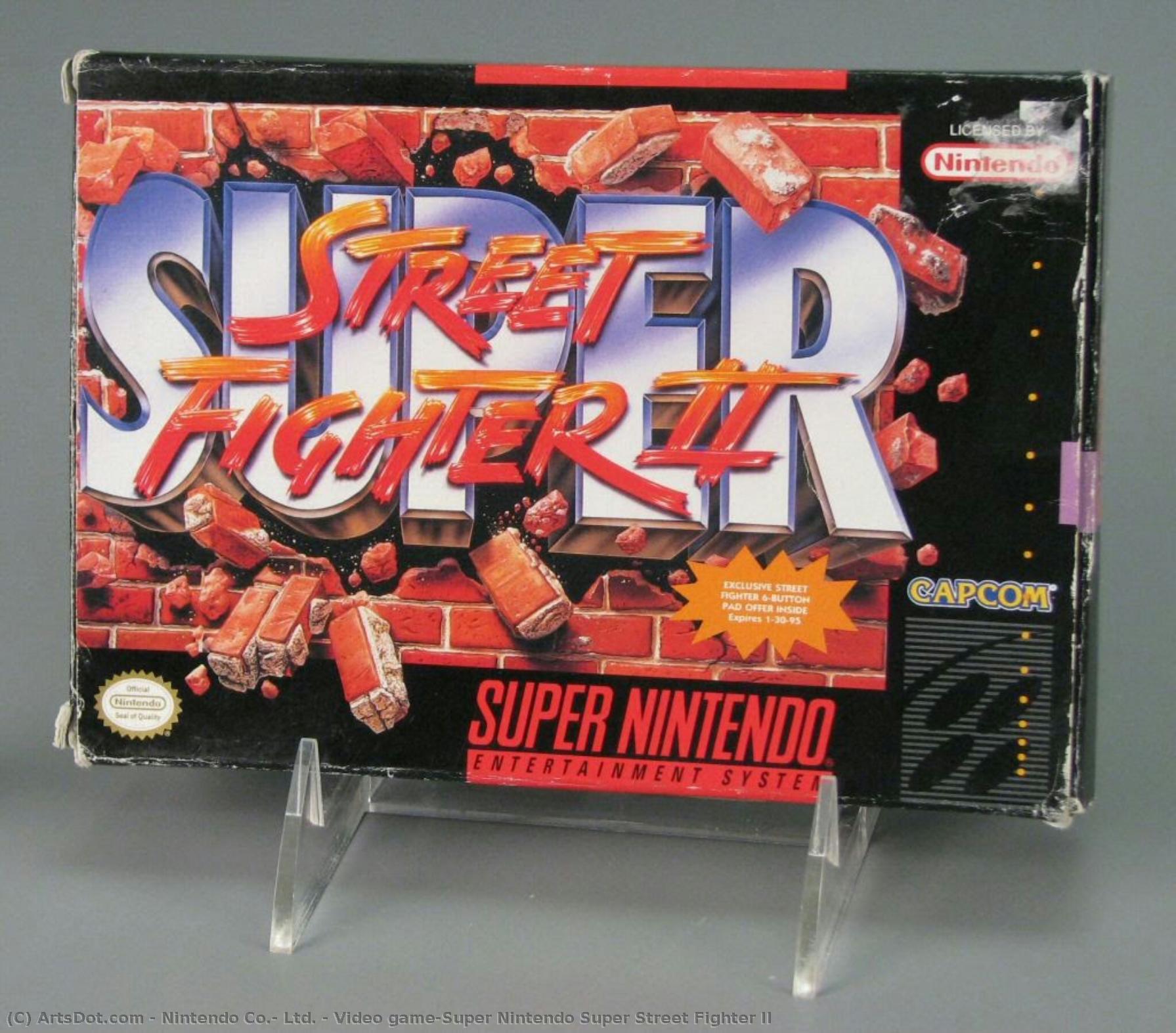
Video game:Super Nintendo Super Street Fighter II


 詳細を見る
詳細を見る
Nintendo Co., Ltd. is a legendary Japanese video game company renowned for iconic franchises like Mario, Zelda, and Pokémon. From playing cards to groundbreaking consoles like the NES, Game Boy, Wii, and Switch, Nintendo has shaped gaming history with innovative gameplay and beloved characters.
ジークレー/アートプリント
迅速な制作と多彩な仕上げオプションを備えた、ミュージアムクオリティのジークレーまたはキャンバスプリント。 ( 手描きの絵画を購入 画像を購入)




































Standard
custom
CM
INCH
作品のオリジナル比率に合わせた、当店の規定サイズからお選びください。
Loading sizes...

幅
高さ
特定のフレームやスペースに合わせて、ご自身でサイズを指定することも可能です。選択されたサイズが元の画像の比率と一致しない場合、作品をトリミングするか、鏡面反射または単色での塗りつぶしによって画像を拡張いたします。制作を開始する前に、ご確認用のデジタルモックアップをお送りいたします。
画面上のプレビューには、実際のトリミングや拡張は反映されませんのでご注意ください。最終的な構図を正確に確認できるのは、モックアップのみとなります。
カスタムサイズも承っておりますが、元の比率を維持するためには、あらかじめ用意されたリストからサイズを選択することをお勧めいたします。


 ガラスオプションは、110cm未満のサイズでのみご利用いただけます。

Video game:Super Nintendo Super Street Fighter II
ジークレー/アートプリント
複製画のサイズ
-


合計金額
$ 62
作品詳細説明
The Nintendo Family Computer, more commonly called the Famicom, was never released in North America, but this Japanese system is noteworthy as it was the predecessor to the phenomenally successful Nintendo Entertainment System. Released in Japan in 1983, the Famicom was Nintendo
関連作品








アーティストの略歴
The Enduring Legacy of Nintendo: From Hanafuda Cards to Global Icon
Nintendo Co., Ltd., a name synonymous with innovation and joy in the world of entertainment, boasts a history far richer and more complex than many realize. Founded in 1889 by Fusajiro Yamauchi in Kyoto, Japan, the company’s origins lie not in digital realms or fantastical adventures, but in the meticulous craftsmanship of *hanafuda* playing cards. These beautifully illustrated cards, depicting flowers and associated motifs, were a response to a changing social landscape where gambling was increasingly restricted. Yamauchi skillfully navigated this environment, establishing Nintendo as a leading producer despite the challenges posed by competition and the inherent durability – and therefore slow replacement rate – of his high-quality product. This early dedication to quality and adaptation would become a defining characteristic of the company’s trajectory. For decades, Nintendo persevered as a playing card manufacturer, building a foundation of business acumen and an understanding of consumer desires that would prove invaluable in its future endeavors. The very name “Nintendo,” though its precise etymology remains debated, hints at a philosophy of embracing chance and destiny – a fitting prelude to the unpredictable world of entertainment it would eventually conquer.Diversification and the Dawn of Toymaking
The mid-20th century witnessed Nintendo’s ambitious foray into diverse business ventures. Recognizing the limitations of relying solely on playing cards, the company experimented with various products, from instant noodles to a love hotel chain – endeavors that, while demonstrating entrepreneurial spirit, ultimately proved unsuccessful. However, this period of exploration laid the groundwork for a pivotal shift towards toy manufacturing in the 1960s. This transition wasn’t immediate; Nintendo initially produced toys under license, gradually developing its own creations and establishing a foothold in the burgeoning Japanese toy market. The company's ability to identify emerging trends and adapt its production methods was crucial during this phase. It was through these early forays into toys that Nintendo began to cultivate a sense of playfulness and imagination – qualities that would become central to its brand identity. This period also saw the beginnings of internal innovation, with engineers and designers starting to explore mechanical toys and games, foreshadowing the technological advancements to come.The Rise of Video Games: A Revolution in Entertainment
The 1970s marked a watershed moment for Nintendo with its entry into the world of video games. Initially developing simple electro-mechanical games, the company quickly recognized the potential of this new medium. The release of *Color TV-Game* in 1977, a series of dedicated home consoles, signaled Nintendo’s commitment to electronic entertainment. However, it was the arcade hit *Donkey Kong* in 1981 that catapulted Nintendo onto the international stage. Created by Shigeru Miyamoto, *Donkey Kong* introduced the world to Mario – a character who would become arguably the most recognizable video game icon of all time. This success wasn’t merely about technological prowess; it was about compelling gameplay, endearing characters, and a sense of adventure that resonated with players worldwide. The subsequent launch of the Nintendo Entertainment System (NES) in 1985, alongside *Super Mario Bros.*, revolutionized the home console market, rescuing it from a devastating crash and establishing Nintendo as a dominant force.Franchise Building and Global Domination
The success of the NES wasn’t simply about hardware; it was about building enduring franchises. Nintendo masterfully cultivated iconic series like *The Legend of Zelda*, *Metroid*, and *Pokémon* – each offering unique gameplay experiences, captivating narratives, and memorable characters. The introduction of portable gaming with the Game Boy in 1989 further expanded Nintendo’s reach, bringing its beloved games to a wider audience. Throughout the 1990s and 2000s, consoles like the Super NES, Game Boy Advance, Nintendo DS, and Wii continued to push boundaries, introducing innovative control schemes and appealing to diverse demographics. The Wii, in particular, with its motion-sensing technology, broadened the definition of who could be a gamer, attracting families and casual players alike. This commitment to accessibility and innovation has been consistently paired with an unwavering focus on quality – ensuring that Nintendo games are not only fun but also polished, engaging, and emotionally resonant.A Continuing Legacy: Innovation and Cultural Impact
Today, Nintendo stands as one of the wealthiest and most valuable companies in Japan, a testament to its enduring legacy of innovation and creativity. The Nintendo Switch, launched in 2017, continues this tradition, offering a hybrid console experience that seamlessly blends home and portable gaming. With over 860 million consoles sold worldwide and nearly 6 billion games shipped, Nintendo’s impact on popular culture is undeniable. Beyond the commercial success, Nintendo has fostered a sense of community among players, inspiring creativity, imagination, and shared experiences across generations. From its humble beginnings crafting *hanafuda* cards to becoming a global icon, Nintendo's story is one of adaptation, innovation, and an unwavering commitment to bringing joy to people around the world – a legacy that continues to evolve with each new console, game, and character it introduces. The company’s mascot, Mario, remains a cultural touchstone, embodying the spirit of playfulness and adventure for millions. Nintendo is more than just a video game company; it's a creator of worlds, a builder of memories, and an enduring symbol of imagination.
基本情報
- Artistic Movement Or Style: Video game development
- Date Of Death: Living
- Full Name: Nintendo Co., Ltd.
- Nationality: Japanese
- Notable Artworks:
- Mario series
- Donkey Kong
- The Legend of Zelda
- Pokémon
- Animal Crossing
- Place Of Birth: Kyoto, Japan

