 プレビュー
プレビュー
 シェアする
シェアする シェアする
シェアする
 詳細を見る
詳細を見る

 ダウンロード
 似ている作品
 X線調査
X線調査 スライドショー
 Stats
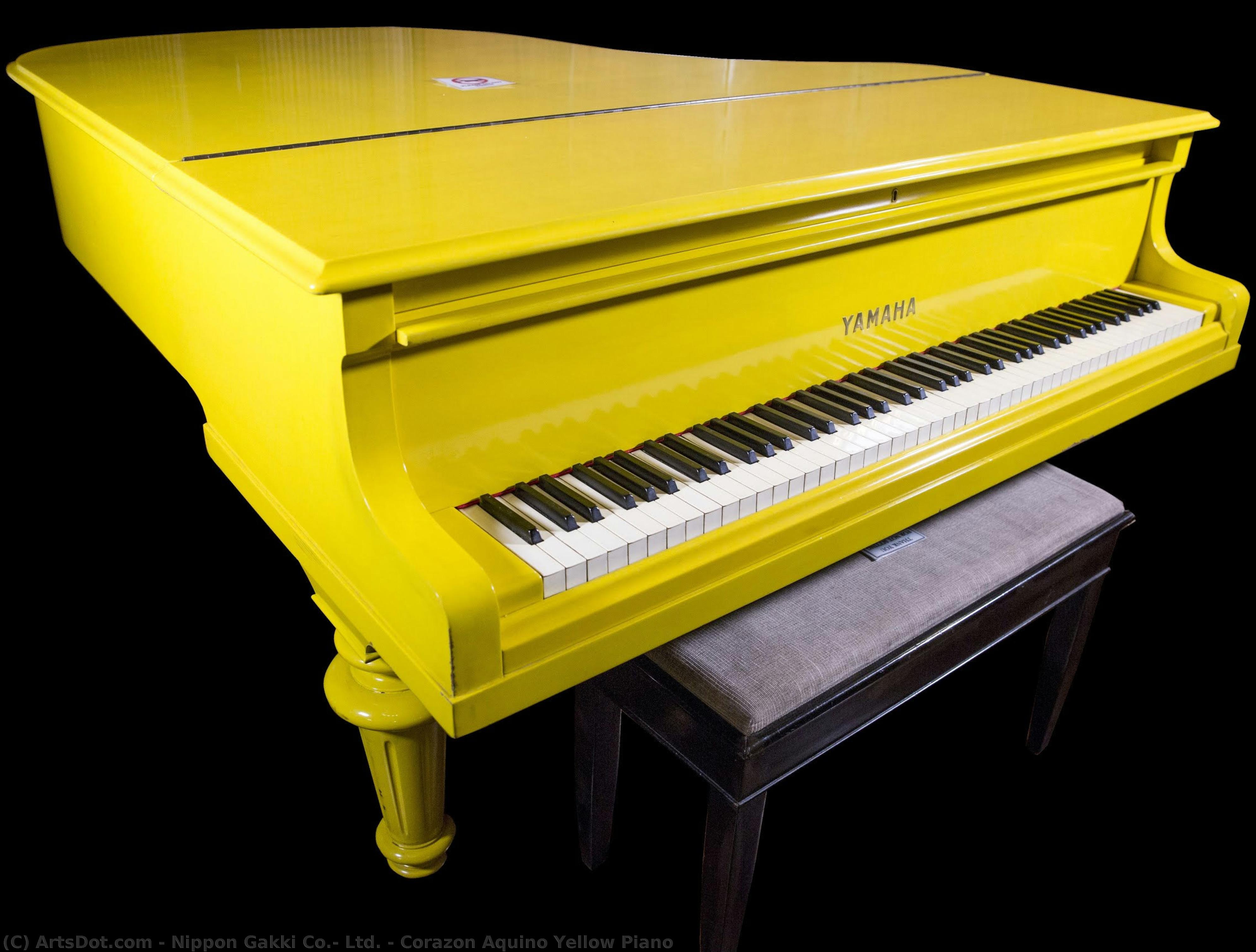
StatsCorazon Aquino Yellow Piano

 詳細を見る
詳細を見る
オンラインプレビューをはるかに凌ぐ、高解像度で鮮明なデジタル画像をご購入いただけます。
各ファイルは、社内の専門家が高度なツールと熟練した手作業によるレタッチを用いて、細心の注意を払って準備されています。すべての画像において、卓越した鮮明度、正確な色彩再現性、そして繊細なディテールを保証いたします。
最終ファイルは、プロフェッショナルな編集・印刷環境ですぐにご利用いただけるよう最適化された状態で、72時間以内にメールにてお届けいたします。これは、一流のデザインスタジオ、出版社、ギャラリーから信頼されているものと同等の品質です。
デジタルアート
個人での鑑賞、印刷、クリエイティブなプロジェクト用に、高解像度ファイルをダウンロードできます。 ( Switch to Print 手描きの絵画を購入)
デジタル画像のご注文に付随する特典
高品質なデジタル画像配信を、確かな品質で。
ArtsDot.com を選ぶことは、単に画像を手に入れることではありません。それは、プロの手によって精密に仕上げられ、満足保証が付いた高品質なデジタルアートワークを受け取ることを意味します。ご注文いただいた際に自動的に付随する内容は、以下の通りです:

メールですぐにお届け
ご注文から72時間以内に、高解像度のデジタル画像ファイルがメールでお手元に届きます。すぐにそのままご利用いただけます。

AI技術で最適化されたデジタルファイル
お客様の作品は、高度なAIツールと専門家による手作業の編集を組み合わせてプロフェッショナルに最適化されており、細部のディテール、鮮明さ、そして正確な色再現性を最大限に引き出しています。

一生涯無料の再送サービス
ファイルを誤って削除したり、紛失してしまったりしましたか?ご安心ください。いつでも無料で再送いたします。

輸入手数料は一切かかりません
関税や手数料、配送料を気にすることなく、お気に入りのアートワークをすぐにお楽しみいただけます。デジタルダウンロードは常に免税です。

色彩再現の保証
プロ仕様のツールとカラーマネジメント技術を用いることで、デジタル画像が元の色を最大限に忠実に再現することを保証いたします。

100日間満足保証
ご購入いただいたデジタル画像にご満足いただけない場合は、100日以内であれば、理由を問わず修正または100%の返金対応をさせていただきます。

100% 返金保証
ご満足いただけない場合は、デジタルファイルを受け取ってから100日以内であれば、理由を問わず全額返金いたします。

まとめ買い割引
3枚購入で10%OFF - 5枚購入で15%OFF - 10枚以上購入で20%OFF。クリエイティブなプロジェクト、ギャラリー、エージェンシーに最適です。
関連作品










作家の略歴
From Reeds to Resonance: The Legacy of Nippon Gakki
The story of Nippon Gakki Co., Ltd.—better known globally as Yamaha Corporation—is a remarkable testament to the power of innovation, adaptation, and an unwavering commitment to musical excellence. It’s a narrative that begins not with concert halls or gleaming instruments, but with the humble ambition of Torakusu Yamaha to repair reed organs in 1887. This initial foray into instrument maintenance quickly blossomed into manufacturing, driven by a keen understanding of mechanical principles and a desire to elevate the quality of musical sound available in Japan. Yamaha’s early success wasn't immediate; it was forged through meticulous craftsmanship and a dedication to overcoming technical challenges. The company initially focused on producing reed organs and harmoniums, instruments that were gaining popularity but often suffered from inconsistencies in build and tone. Torakusu Yamaha’s genius lay in his ability to standardize production while simultaneously improving the acoustic properties of these instruments, establishing a reputation for reliability and superior sound quality. This foundation would prove crucial as the company expanded its horizons beyond repair and into full-scale instrument creation.Expanding Horizons: From Organs to Pianos and Beyond
The turn of the 20th century saw Nippon Gakki embark on a period of ambitious diversification. Recognizing the growing demand for pianos, Yamaha began production in 1900, facing stiff competition from established European manufacturers. However, the company didn’t attempt to simply replicate existing designs; instead, it focused on incorporating its unique engineering expertise and adapting piano construction techniques to suit Japanese aesthetics and playing styles. This commitment to innovation led to the development of pianos with a distinctive tone—clear, resonant, and capable of expressing a wide range of musical nuances. The company’s dedication extended beyond acoustic instruments. In the post-World War II era, Yamaha boldly ventured into new territories, driven by both necessity and opportunity. The scarcity of materials prompted exploration of alternative manufacturing processes, leading to breakthroughs in motorcycle production—a surprising but ultimately successful diversification that provided vital financial stability during a period of reconstruction. This spirit of adaptability would become a defining characteristic of the company’s identity.A Symphony of Innovation: Technological Advancements
Yamaha's influence extends far beyond the realm of traditional instruments. The latter half of the 20th century witnessed an explosion of technological innovation, and Yamaha was at the forefront of many key developments in electronic music. The company pioneered the development of synthesizers, drum machines, and digital audio workstations (DAWs), tools that revolutionized music production and empowered a new generation of artists. The DX7 synthesizer, released in 1983, became an iconic instrument, its distinctive FM synthesis sound shaping the sonic landscape of pop music throughout the 1980s and beyond. This wasn’t merely about creating electronic alternatives to acoustic instruments; it was about expanding the possibilities of musical expression itself. Yamaha's commitment to research and development continued unabated, leading to advancements in audio technology, including surround sound systems, professional mixing consoles, and high-fidelity speakers.Global Resonance: A Cultural Ambassador
Today, Yamaha Corporation is a global powerhouse, its products found in concert halls, recording studios, schools, and homes around the world. The company’s impact extends beyond manufacturing; it actively supports music education through initiatives like the Yamaha Music Foundation, providing opportunities for aspiring musicians of all ages and backgrounds. Yamaha instruments are synonymous with quality, reliability, and innovation, trusted by professional musicians and cherished by amateur enthusiasts alike. The company's commitment to cultural exchange is also noteworthy, sponsoring numerous musical events and fostering collaborations between artists from diverse traditions. This dedication has cemented Yamaha’s position not just as a manufacturer of instruments, but as a true ambassador for music itself. From its humble beginnings repairing reed organs, Nippon Gakki Co., Ltd. has evolved into a global leader, shaping the sound of music and inspiring generations of musicians to explore their creative potential.Major Achievements & Historical Significance
- 1887: Founding of Nippon Gakki Co., Ltd. by Torakusu Yamaha, initially focused on reed organ repair.
- 1900: Commencement of piano manufacturing, establishing a distinct Japanese aesthetic in instrument design.
- Post-WWII: Diversification into motorcycle production to ensure financial stability and foster innovation.
- 1983: Release of the DX7 synthesizer, revolutionizing electronic music with FM synthesis technology.
- Ongoing: Continued leadership in audio technology, musical instrument manufacturing, and support for music education globally.