

 プレビュー
プレビュー
 シェアする
シェアする シェアする
シェアする
 詳細を見る
詳細を見る

 ダウンロード
 似ている作品
 X線調査
X線調査 スライドショー
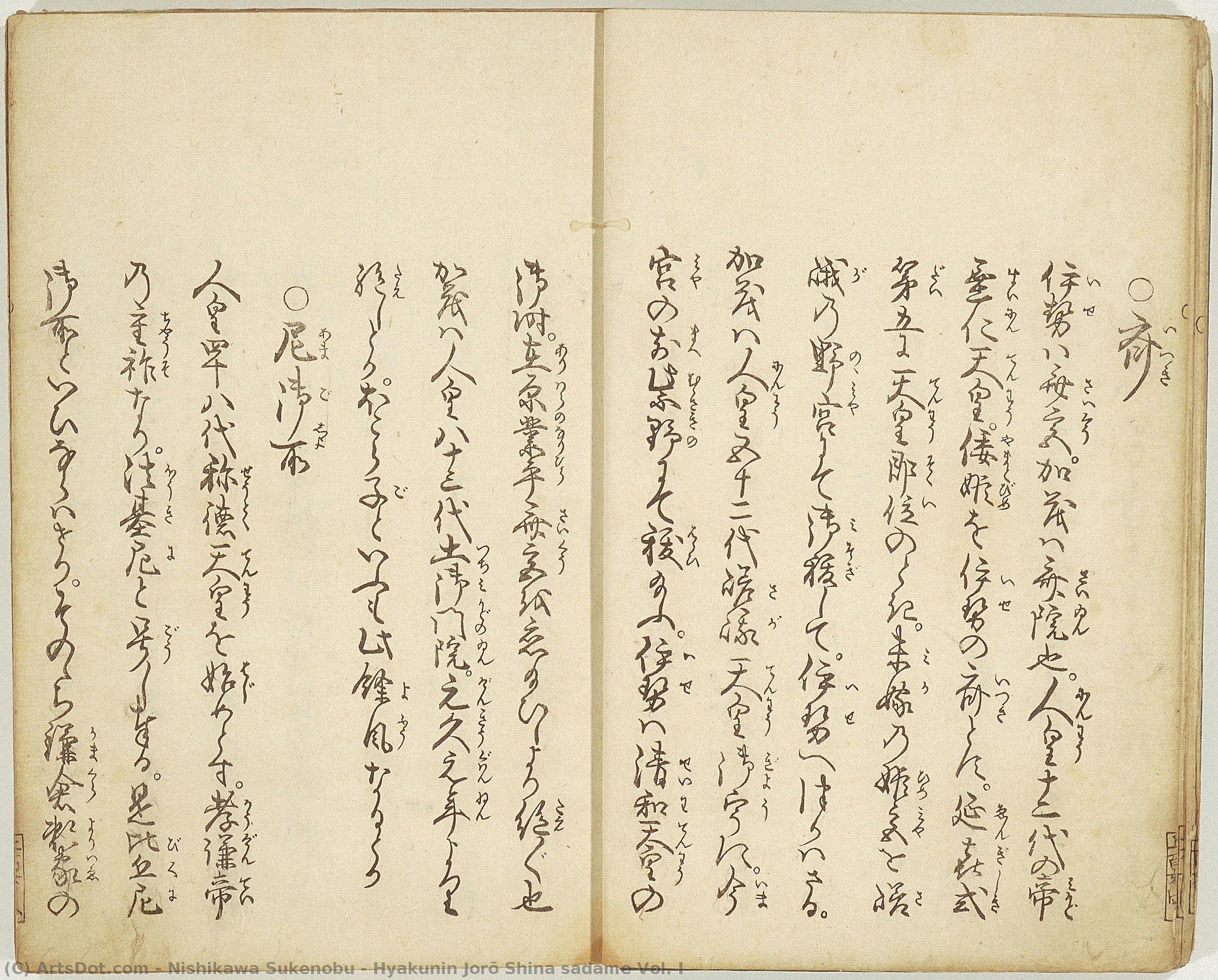
Hyakunin Jorō Shina sadame Vol. I
 Woodblock Print
- Ukiyo-e
 1723
1723- Early Modern
 30.0 x 21.0 cm
 Kyoto Prefectural Library and Archives
 詳細を見る
詳細を見る
ジークレー/アートプリント
迅速な制作と多彩な仕上げオプションを備えた、ミュージアムクオリティのジークレーまたはキャンバスプリント。 ( 手描きの絵画を購入 画像を購入)




P118B $10

P118H $10

P118W $10

P438Z $10

P508JH $12

P508YH $12

P805H $10

P805Z $10

P919BZ $10

P919G $10

P919XJ $10

P959ZH $10

P968JZ $12

W106C $8

W218G $10

W218JH $8

W218Y $10

W307PJ $10

W316G $10

W316PJ $8

W316Y $10

W398PJ $8

W4111J $10

W500HY $15

W500JH $15

W692G $12

W849H $8

W940BG $15

W953PJ $8




作品のオリジナル比率に合わせた、当店の規定サイズからお選びください。

特定のフレームやスペースに合わせて、ご自身でサイズを指定することも可能です。選択されたサイズが元の画像の比率と一致しない場合、作品をトリミングするか、鏡面反射または単色での塗りつぶしによって画像を拡張いたします。制作を開始する前に、ご確認用のデジタルモックアップをお送りいたします。
画面上のプレビューには、実際のトリミングや拡張は反映されませんのでご注意ください。最終的な構図を正確に確認できるのは、モックアップのみとなります。
カスタムサイズも承っておりますが、元の比率を維持するためには、あらかじめ用意されたリストからサイズを選択することをお勧めいたします。


 ガラスオプションは、110cm未満のサイズでのみご利用いただけます。

Hyakunin Jorō Shina sadame Vol. I
ジークレー/アートプリント
複製画のサイズ
-


合計金額
$ 62
作品詳細説明
A Whisper from the Imperial Capital
In the delicate interplay of ink and aged paper, Hyakunin Jorō Shina sadame Vol. I serves as a profound window into the soul of early 18th-century Japan. Created in 1723 by the Kyoto master Nishikawa Sukenobu, this work transcends mere documentation, offering instead an intimate encounter with the tactile history of the Edo period. The piece presents a close-up view of an ancient text, where the rhythmic flow of Japanese characters dances across weathered pages. There is a palpable sense of reverence in the way the light catches the texture of the worn paper, inviting the viewer to lean in and decipher the silent stories held within these meticulously preserved lines.
Unlike the vibrant, often boisterous prints emerging from the bustling streets of Edo during this era, Sukenobu’s work carries the refined, understated elegance characteristic of the Kyoto school. This volume is not merely a book; it is a testament to the artistry of book design and the preservation of cultural memory. The composition focuses our attention on the density of the script, suggesting a wealth of knowledge and a deep respect for tradition. For the collector or the lover of antiquities, this piece evokes a sense of scholarly quietude, making it an ideal centerpiece for spaces dedicated to contemplation, study, or the appreciation of fine historical artifacts.
The Artistry of the Kyoto Master
To understand the emotional resonance of this work, one must consider the hand of Nishikawa Sukenobu. As a master rooted in the imperial capital of Kyoto, his aesthetic was deeply influenced by the sophisticated traditions of the Kanō school and the subtle nuances of classical Japanese beauty. In Hyakuning Jorō Shina sadame, we see this mastery reflected in the balance between the complexity of the text and the organic, aged texture of the medium. The technique emphasizes the "warmth" of antiquity—a deliberate celebration of the patina that time bestows upon precious objects.
The visual impact of the piece lies in its ability to transform a scholarly subject into a work of pure aesthetic grace. For interior designers seeking to infuse a room with a sense of timelessness and intellectual depth, this reproduction offers more than just decoration; it provides an atmosphere. The neutral, earthy tones of the aged paper harmonize beautifully with contemporary minimalist settings or more traditional, opulent decors alike. It acts as a bridge between the past and the present, bringing the quiet dignity of 1723 into the modern home through the evocative power of Ukiyo-e artistry.
関連作品
アーティストの略歴
Nishikawa Sukenobu: A Kyoto Master of Female Beauty
Nishikawa Sukenobu (西川祐信; 1671 – August 20, 1750), often referred to simply as “sukenobu,” stands apart from many of his contemporaries in the Ukiyo-e movement. Unlike most artists who flocked to Edo (modern Tokyo), sukenobu remained rooted in Kyoto—the imperial capital—a distinction that profoundly shaped his artistic vision and enduring legacy. He wasn’t merely a printmaker; he was a meticulous book designer, capturing the essence of Japanese culture through exquisitely rendered images. His fame rests primarily on his captivating depictions of women, particularly those portraying them in everyday life – a subject rarely explored with such sensitivity and nuance during his era.- Early Life & Training: Sukenobu’s formative years were spent studying painting under the tutelage of prominent masters from two influential schools: Kanō Einō, championing Chinese artistic traditions and techniques emphasizing grandeur and symbolism, and Tosa Mitsusuke, who favored a more humanist approach rooted in Japanese aesthetics. This dual training instilled in him a sophisticated understanding of both Eastern and Western artistic principles.
- Early Works & Style: Sukenobu’s artistic journey commenced around 1699 with book illustrations—a hallmark of his style—demonstrating an early mastery of composition and color palettes. Notably, his signed print “Seven-Volume Shin Kanninki” (“New Patience Story”) exemplifies his distinctive aesthetic: serene landscapes interwoven with graceful figures, reflecting a profound appreciation for natural beauty.
The Hyakunin Joro Series & Its Impact
Sukenobu’s magnum opus—the Hyakunin Joro shinasadame (appreciating 100 women)—published in two volumes in 1723, cemented his reputation as a pioneer in portraying female subjects. This ambitious project aimed to celebrate the diversity of femininity across social strata, ranging from empresses to courtesans. The series’ remarkable success underscored the public's fascination with depictions of women and established sukenobu as a pivotal figure in shaping Ukiyo-e conventions concerning female representation. It showcased his ability to convey emotion and psychological depth—a rare accomplishment for printmakers of his time.- Technique & Aesthetic Considerations: Sukenobu’s technique involved meticulous attention to detail, utilizing subtle gradations of color and masterful brushwork to achieve unparalleled realism. He skillfully employed perspective and shading to create immersive scenes that captured the atmosphere of daily life—a stylistic hallmark distinguishing him from many other artists.
- Influence on Subsequent Artists: Sukenobu’s influence extended far beyond his own lifetime, inspiring subsequent generations of printmakers like Suzuki Harunobu and Kitao Shigemasa. His approach to portraying women – prioritizing psychological realism and capturing the nuances of human emotion—became a cornerstone of Japanese art history.
Notable Paintings & Beyond Printmaking
Beyond his celebrated prints, Sukenobu produced an impressive array of paintings encompassing kimono patterns, samurai portraits, illustrations of classical literature, and landscapes. These works demonstrate his versatility as an artist and underscore his commitment to exploring diverse artistic mediums—a testament to his intellectual curiosity and artistic ambition.- Legacy & Recognition: Nishikawa Sukenobu’s enduring legacy resides in his contribution to Japanese art history, particularly his groundbreaking portrayal of women. His Hyakunin Joro series continues to captivate audiences today, serving as a poignant reflection on the beauty and complexity of human experience.
Concluding Thoughts
Nishikawa Sukenobu’s unwavering dedication to capturing the essence of Japanese culture through his art—particularly his masterful depictions of women—solidifies his position as one of Ukiyo-e's most influential and aesthetically profound figures. His work transcends mere visual representation; it embodies a deep understanding of human psychology and an exquisite appreciation for the subtleties of natural beauty, ensuring his place in the annals of Japanese artistic achievement.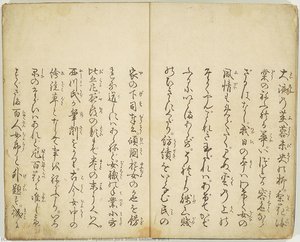
nishikawa sukenobu
1671 - 1750
基本情報
- Artistic Movement Or Style: Ukiyo-e
- Artists Or Movements Influenced By This Artist:
- Suzuki Harunobu
- Kitao Shigemasa
- Artists Who Influenced This Artist:
- Kanō Einō
- Tosa Mitsusuke
- Date Of Death: August 20, 1750
- Full Name: Nishikawa Sukenobu
- Nationality: Japanese
- Notable Artworks:
- Woman and Attendant
- The God Izanagi and Goddess Izanami
- Place Of Birth: Kyoto
関連記事

葛飾北斎:25の傑作が語る浮世絵の世界 - ArtsDot
葛飾北斎の25選:『神奈川沖浪裏』や『富嶽三十六景』など、浮世絵の世界を深く探求。木版画の技法と日本美術の美をArtsDotで。高品質なアートプリントで空間に感動を。コレクションはこちら。
Floating World: The Captivating Art and Legacy of Japanese Ukiyo-e
Explore the profound beauty of Japanese Ukiyo-e. Discover the history, masters like Hokusai, and the enduring legacy of the 'Floating World' through an expert art-historical lens.
Suzuki Harunobu: Pioneering Ukiyo-e & the Refinement of Edo Period Printmaking
Discover the revolutionary world of Suzuki Harunobu, a pioneer of ukiyo-e printmaking. Explore his exquisite nishiki-e techniques, diverse subjects & lasting impact on Japanese art history. Learn more at ArtsDot.
Ukiyo-e: Exploring Japan's Floating World & Enduring Artistic Legacy
Explore the captivating world of Ukiyo-e – Japan's iconic woodblock prints! Discover masters like Hokusai & Hiroshige, learn about Edo period culture, and find expert art collecting guidance at ArtsDot.
Serenity on Canvas: A Guide to the Timeless Beauty of Japanese Landscape Painting
Discover the serene beauty of Japanese landscape painting. From Hokusai's iconic woodblock prints to meditative sumi-e ink washes, explore a visual journey through the 'floating world' and learn how to bring this timeless Zen aesthetic into your modern home decor.

