

 プレビュー
プレビュー
 シェアする
シェアする シェアする
シェアする
 詳細を見る
詳細を見る

 ダウンロード
 似ている作品
 X線調査
X線調査 スライドショー
ALEXANDRE SEVERE FAISANT DISTRIBUER DU BLE AU PEUPLE DE ROME DANS UN TEMPS DE DISETTE


 詳細を見る
詳細を見る
ジークレー/アートプリント
迅速な制作と多彩な仕上げオプションを備えた、ミュージアムクオリティのジークレーまたはキャンバスプリント。 ( 手描きの絵画を購入 画像を購入)




P118B $10

P118H $10

P118W $10

P438Z $10

P508JH $12

P508YH $12

P805H $10

P805Z $10

P919BZ $10

P919G $10

P919XJ $10

P959ZH $10

P968JZ $12

W106C $8

W218G $10

W218JH $8

W218Y $10

W307PJ $10

W316G $10

W316PJ $8

W316Y $10

W398PJ $8

W4111J $10

W500HY $15

W500JH $15

W692G $12

W849H $8

W940BG $15

W953PJ $8




作品のオリジナル比率に合わせた、当店の規定サイズからお選びください。

特定のフレームやスペースに合わせて、ご自身でサイズを指定することも可能です。選択されたサイズが元の画像の比率と一致しない場合、作品をトリミングするか、鏡面反射または単色での塗りつぶしによって画像を拡張いたします。制作を開始する前に、ご確認用のデジタルモックアップをお送りいたします。
画面上のプレビューには、実際のトリミングや拡張は反映されませんのでご注意ください。最終的な構図を正確に確認できるのは、モックアップのみとなります。
カスタムサイズも承っておりますが、元の比率を維持するためには、あらかじめ用意されたリストからサイズを選択することをお勧めいたします。


 ガラスオプションは、110cm未満のサイズでのみご利用いただけます。

ALEXANDRE SEVERE FAISANT DISTRIBUER DU BLE AU PEUPLE DE ROME DANS UN TEMPS DE DISETTE
ジークレー/アートプリント
複製画のサイズ
-


合計金額
$ 62
A Dramatic Tableau of Justice and Mercy
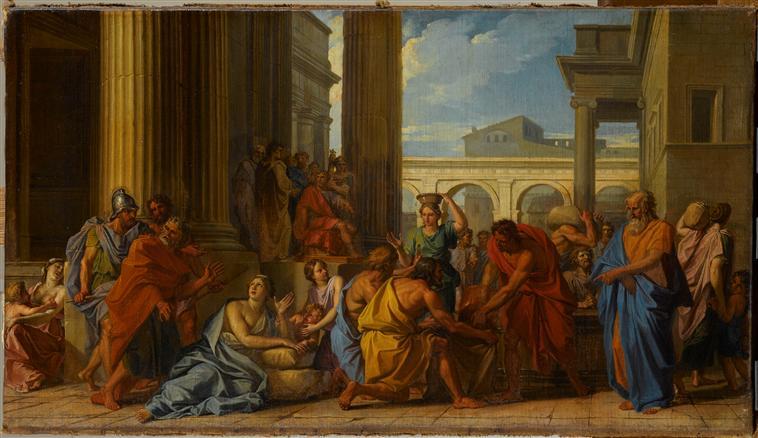
Noël Nicolas Coypel’s “Alexandre Sévère faisant distribuer du blé au peuple de Rome dans un temps de disette” is not merely a painting; it's a meticulously crafted stage for a pivotal moment in Roman history, rendered with the dramatic intensity characteristic of the Baroque era. Completed around 1673, this monumental oil on canvas transports the viewer directly into the heart of a public accusation and judgment – a scene brimming with political tension, social unrest, and ultimately, a poignant display of mercy. The composition immediately commands attention: a vast architectural setting, likely inspired by Roman forums, dominates the background, hinting at the gravity of the proceedings unfolding before it. At its center stands Alexandre Sévère, the Roman governor, distributing grain to the impoverished populace – an act intended to quell rising discontent but simultaneously serving as the focal point for a chorus of accusations. The painting’s power lies not just in its subject matter, but also in Coypel's masterful command of technique and his deep understanding of Baroque principles. He employs *chiaroscuro* with breathtaking skill, sculpting light and shadow to create a palpable sense of drama and movement. The figures are bathed in a theatrical glow, highlighting their gestures and expressions while simultaneously plunging the background into relative darkness, emphasizing the importance of the central action. The brushwork is layered and textured – particularly evident in the folds of clothing and the rough surfaces of the crowd – lending a remarkable physicality to the scene. Coypel’s meticulous attention to detail extends to the rendering of fabrics, armor, and facial features, each element contributing to the overall sense of realism and immediacy. The use of color is rich and saturated, with deep reds, blues, and browns dominating the palette, creating a visually arresting experience that mirrors the emotional intensity of the subject matter.The Context of Crisis and Governance
To fully appreciate “Alexandre Sévère faisant distribuer du blé au peuple de Rome dans un temps de disette,” it’s crucial to understand the historical context in which it was created. The 17th century witnessed a period of significant political and economic instability in Rome, marked by food shortages, rising taxes, and widespread social unrest. The populace, burdened by hardship and resentment towards the ruling elite, frequently took to the streets to voice their grievances. Alexandre Sévère’s act of distributing grain was an attempt to appease these tensions, but it also provided a convenient pretext for public accusations – a carefully orchestrated spectacle designed to expose corruption and challenge the authority of the governor. Coypel's painting captures this volatile atmosphere with remarkable precision, depicting not just a logistical event, but a complex interplay of power, justice, and social unrest.Symbolism and Emotional Resonance
Beyond its historical context, the painting is rich in symbolic meaning. The act of distribution itself represents an attempt to restore order and alleviate suffering – a gesture of mercy intended to appease a restless populace. However, the faces of those accusing Sévère are filled with anger, despair, and accusation, suggesting that their grievances run far deeper than mere hunger. The woman kneeling before Sévère, pleading for mercy, embodies the vulnerability of the marginalized and the desperate hope for redress. The pyramidal composition further reinforces this dynamic, with Sévère at its apex representing authority and judgment, while the figures below represent the collective voice of the people. Coypel masterfully uses these elements to create a scene that is both visually compelling and emotionally resonant, inviting viewers to contemplate the complexities of justice, power, and social responsibility.A Legacy in Reproduction
Today, “Alexandre Sévère faisant distribuer du blé au peuple de Rome dans un temps de disette” stands as a testament to Noël Coypel’s artistic skill and his ability to capture the drama and complexity of historical events. Reproductions offer an accessible way to experience this powerful work of art, bringing its rich details and emotional depth into any space. When selecting a reproduction, consider the quality of materials used – a hand-painted reproduction will undoubtedly capture the nuances of Coypel’s original technique more faithfully than a digitally printed image. This painting remains a compelling reminder of the enduring themes of social justice, political power, and the human condition—a timeless masterpiece brought to life through meticulous artistry and historical insight.関連作品



アーティストの略歴
古典の光の中に築かれた遺産:ノエル・ニコラ・コイペルの生涯と芸術
崇敬される先駆者、ニコラ・プッサンの名とともに語られることの多いノエル・ニコラ・コイペルは、17世紀フランス絵画における極めて重要な人物でした。1628年12月25日、パリの中心部で産声を上げたコイペルの芸術への道のりは、決して瞬く間に名声を得るようなものではありませんでした。それはむしろ、家族の励ましと古典的伝統への深い没入によって形作られた、緩やかな上昇の軌跡でした。彼の父もまた画家でしたが、目覚ましい成功を収めたわけではありませんでした。しかし、その父こそが幼いノエルに最初の火を灯したのです。その情熱は、後に彼の人生そのものを定義することになります。この幼少期の経験は、単なる基礎に留まりませんでした。それはコイプリの中に、技術を習得するだけでなく、厳格な研究と献身を通じて芸術の地位を高めようとする強い決意を植え付けたのです。初期の修行とプッサンによる影響
コイペルの形成期において、ニコラ・プッサンの作品への心酔は決定的な影響を与えました。秩序、明晰さ、そして古典的な主題を重視するプッサンの偉大な精神は、若き芸術家の心に深く共鳴したのです。この憧憬は単なる受動的なものではありませんでした。コイペルはプッサンの技法を理解し、模倣しようと能動的に努め、その構図や色彩感覚、形態へのアプローチを細部まで緻密に研究しました。彼の成長における決定的な一歩は、ルーヴル宮殿のために数多くの絵画制作を担っていた著名な装飾家、シャルル・エラールの下で働いたことでした。この依頼は彼にかけがえのない実践的経験をもたらし、フランスで最も権威ある芸術プロジェクトの一つに貢献しながら、自らの技術を磨く機会を与えました。また、彼はノエル・キリエールの指導からも恩恵を受け、古典的な原理と構図のバランスに関する理解をさらに洗練させていきました。公的な役割と壮大な依頼によって定義されたキャリア
コイペルのキャリアは、フランスの芸術界における一連の重要な地位とともに展開していきました。1672年、彼はローマにある権威あるフランス・アカデミーのディレクターに任命されました。この職務により、彼はヨーロッパの芸術の心臓部で4年間にわたり、自らの古典的な感性をさらに育む機会を得たのです。この任命は単なる名誉ではありませんでした。それは、芸術界のリーダーとしての彼の才能と潜在能力が認められたことを意味していました。フランスに帰国した後、コイペルは絵画アカデミーのディレクターへと昇り詰め、次世代の芸術家を育成し、アカデミックな卓越性の基準を守ることに身を捧げました。彼の最も称賛される業績の中には、ルーヴルやパリの他の重要な機関のための大規模な装飾プロジェクトが含まれます。なかでも『ノートルダム大聖堂における聖ヤコブの殉教』は、古典的な主題の習熟、劇的な構図、そして卓越した技術の証として存在しています。それは、彼の様式を特徴づける優雅さと壮大さを凝縮した、力強い描写です。家族の遺産と永続する影響
コイペルという名は、ノエル・ニコラ個人を超えて、芸術的才能の代名詞となりました。息子のアントワーヌとノエル=ニコラ・コイペルは父の足跡をたどり、優れた画家として自らの地位を確立し、家族の遺産を継承することに貢献しました。この家族的な献身は、コイペルの家庭における芸術教育の重要性と、ノエル・ニコラの模範が与えた永続的な影響を物語っています。自身の多作な作品群を超えて、コイペルは大きな変革期にあったフランスの芸術シーンを形作る上で極めて重要な役割を果たしました。古典的な原理へのこだわりと、洗練された優雅な感覚の融合は、後世の多くの芸術家たちに消えることのない足跡を残しました。彼は単なる画家ではありませんでした。彼は教師であり、行政官であり、そして芸術的卓越性の擁護者でもあったのです。その影響は今日においても感じ取ることができます。『聖ヤコブの殉教』のような傑作を含む彼の作品の広がりを探索するには、ArtsDot.comのようなリソースを訪れてみてください。そこでは、彼の絵画の包括的なコレクションが発見されるのを待っています。彼の芸術は、古典絵画が持つ不朽の美しさと時代を超えた魅力の強力な象徴として、今もなお輝き続けています。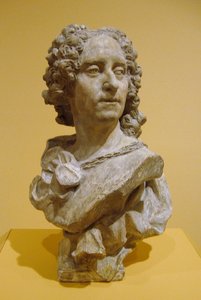
ノエル・ニコラ・コイペル
1628 - 1707 , フランス
基本情報
- Artistic Movement Or Style: 古典主義絵画
- Artists Who Influenced This Artist: ['ニコラ・プッサン']
- Date Of Birth: 1628年12月25日
- Date Of Death: 1707年
- Full Name: ノエル・ニコラ・コペル
- Nationality: フランス
- Notable Artworks: ['聖ジェームズの殉教']
- Place Of Birth: フランス、パリ
関連記事

バロックのドラマ:現代のインテリアに壮麗さと情感を取り込む
バロック様式の歴史、絵画、家具の魅力をご紹介。ArtsDotでは、高品質な油絵複製やカスタムポートレートをご提供し、現代のインテリアに壮麗さと情感を取り入れます。アートコンサルテーションも承ります。

The Dramatic Flourish: Exploring the Baroque Movement's Enduring Legacy in Art History
Explore the dramatic world of Baroque art! Discover iconic artists like Caravaggio & Rubens, defining techniques, and its lasting impact on art history. Expert insights for collectors & enthusiasts at ArtsDot.

バロック美術を極めた至宝:時代を彩る10大名作の世界
バロック美術の華!カラヴァッジョ、ベルニーニら巨匠が創り上げた10大名作を徹底解剖。ドラマチックな色彩と豪華絢爛の世界観に触れ、至宝のアートプリントで空間を彩ろう。ArtsDot.comで美術館品質の複製と洗練されたインテリアを見つけましょう!

The Visceral Stage: Exploring Dramatic Narratives & Emotional Intensity in Baroque Art
Explore the dramatic world of Baroque art! Discover iconic masters like Caravaggio & Rembrandt, their techniques, and the movement's lasting impact. Expert insights for collectors & enthusiasts at ArtsDot.
Theatricality & Triumph: Baroque Drama in Painting & Sculpture
Explore the dramatic world of Baroque art! Discover its history, defining characteristics, & lasting influence on painting & sculpture. Expert insights into Caravaggio, Zurbarán, and Bernini – plus high-quality reproductions at ArtsDot.

