

 プレビュー
プレビュー
 プリントを購入
 シェアする
シェアする シェアする
シェアする
 詳細を見る
詳細を見る

 ダウンロード
 似ている作品
 X線調査
X線調査 スライドショー
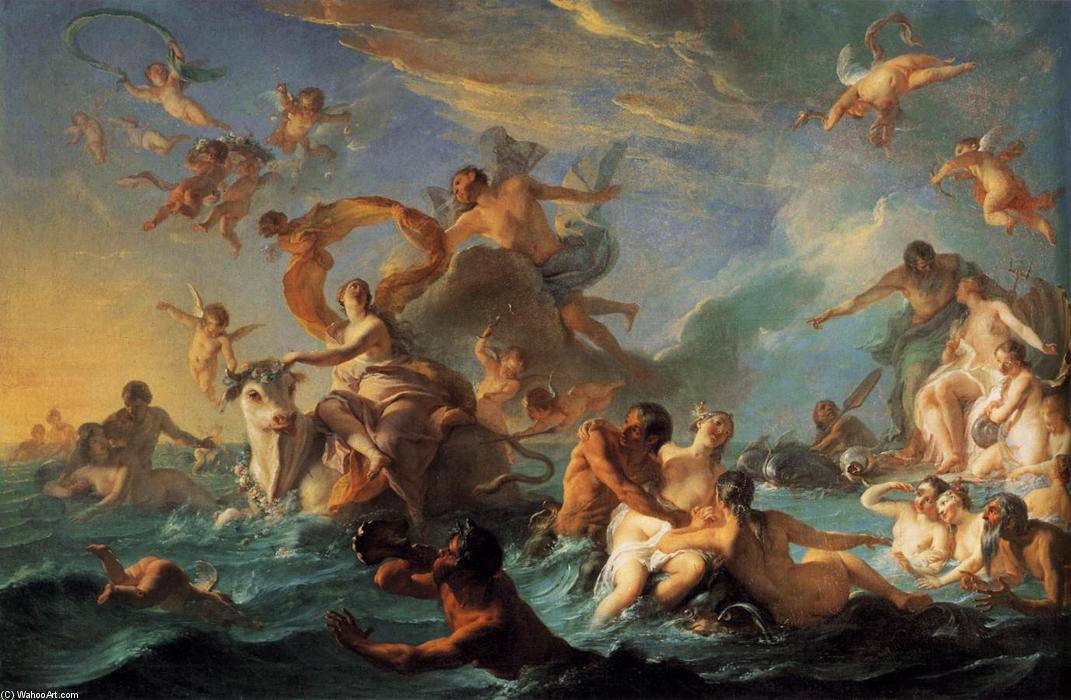
The Rape of Europa
 Oil On Canvas
- WallArt
- Baroque art
 1727
1727 128.0 x 194.0 cm
 フィラデルフィア美術館
 詳細を見る
詳細を見る




P118B $10

P118H $10

P118W $10

P438Z $10

P508JH $12

P508YH $12

P805H $10

P805Z $10

P919BZ $10

P919G $10

P919XJ $10

P959ZH $10

P968JZ $12

W106C $8

W218G $10

W218JH $8

W218Y $10

W307PJ $10

W316G $10

W316PJ $8

W316Y $10

W398PJ $8

W4111J $10

W500HY $15

W500JH $15

W692G $12

W849H $8

W940BG $15

W953PJ $8




作品のオリジナル比率に合わせた、当店の規定サイズからお選びください。

特定のフレームやスペースに合わせて、ご希望のサイズをご入力いただけます。選択されたサイズが元の画像の比率と異なる場合、アートワークをトリミングするか、手描きで要素を追加して絵画を拡張いたします。デジタルモックアップ を制作し、制作開始前にご確認(承認)をいただきます。
画面上のプレビューは、実際のトリミングや拡張を正確に反映しているものではありません。最終的な構図は、モックアップによってのみ正確にご確認いただけます。
カスタムサイズもご利用いただけますが、元の比率を維持するためには、あらかじめ用意されたリストからサイズを選択することをお勧めいたします。
ご注文後、ArtsDot.com チームより詳細な指示をお送りするとともに、仕上がりイメージ(モックアップ)をご提供いたします。


 ガラスオプションは、110cm未満のサイズでのみご利用いただけます。

The Rape of Europa
複製技法
複製画のサイズ
-


合計金額
$ 263
作品解説
The Dramatic Narrative of "The Rape of Europa" by Noël Nicolas Coypel
Noël Nicolas Coypel’s “The Rape of Europa,” completed in 1727, is more than just a depiction of a classical myth; it's a meticulously crafted Baroque drama brimming with movement, emotion, and the calculated power of light. Measuring 128 x 194 cm, this oil on canvas work transports the viewer directly into the heart of a chaotic narrative – a scene ripped from the myths of Greece, rendered with a technical mastery that speaks to Coypel’s deep engagement with the artistic legacy of Nicolas Poussin.
- Subject Matter: The painting portrays Zeus, disguised as a magnificent white bull, carrying off Europa, a princess of Crete. This iconic scene, rife with themes of seduction, power, and divine intervention, was a popular subject for artists during the Baroque period.
- Baroque Style: Coypel’s work exemplifies the hallmarks of the Baroque style – dynamic composition, dramatic use of chiaroscuro (the contrast between light and dark), and an emphasis on emotional intensity. The swirling clouds, the muscular figures, and the palpable sense of urgency all contribute to this effect.
- Technical Execution: Noticeable is Coypel’s attention to detail; from the intricate folds of Europa's drapery to the precise rendering of Zeus’s powerful physique, every element has been carefully considered and executed with a remarkable level of skill.
A Symphony of Color and Light – Technique and Composition
Coypel’s masterful use of color is central to the painting's impact. The palette leans heavily into earth tones—ochres, browns, and grays—creating a sense of grounded realism that contrasts sharply with the fantastical elements of the scene. However, these muted hues are punctuated by brilliant highlights, particularly in the illuminated clouds and on Europa’s skin, drawing the viewer’s eye to the focal point of the composition. The dynamic diagonal lines created by the figures' movements further enhance the sense of movement and tension.
The composition itself is a carefully constructed pyramid, with Europa at its apex. This arrangement directs the viewer’s gaze upwards towards Zeus, emphasizing his dominance and the gravity of the event. The foreground figures, engaged in various activities – swimming, reaching out – serve to heighten the drama and immerse the audience within the unfolding narrative.
Historical Context and Artistic Influences
"The Rape of Europa" was created during a period of significant artistic innovation in France, influenced heavily by the work of Nicolas Poussin. Coypel’s training undoubtedly involved studying Poussin's classical compositions, resulting in a style characterized by clarity, order, and a focus on idealized forms. The painting reflects the Château de Fontainebleau style prevalent at the time – known for its elegance, grandeur, and mythological themes.
Coypel was a key figure within the French Baroque art scene, contributing to the court of Louis XV. His ability to seamlessly blend classical influences with contemporary artistic trends solidified his reputation as one of the era’s most accomplished painters. The painting's creation in 1727 places it squarely within the High Baroque period, a time when artists sought to evoke powerful emotions and convey complex narratives through their work.
Symbolism and Emotional Impact
Beyond its narrative content, “The Rape of Europa” is rich in symbolism. The bull represents Zeus’s raw power and untamed nature, while Europa embodies innocence and vulnerability. The scene can be interpreted as a commentary on the abuse of power, the allure of the divine, and the tragic consequences of unchecked desire.
The painting's emotional impact is undeniable – it evokes feelings of awe, terror, and pity. Coypel’s skillful manipulation of light and shadow, combined with his attention to detail, creates a scene that is both visually stunning and emotionally resonant. It remains a powerful testament to the enduring appeal of classical mythology and the artistic genius of Noël Nicolas Coypel.
関連作品


アーティストの略歴
古典の光の中に築かれた遺産:ノエル・ニコラ・コイペルの生涯と芸術
崇敬される先駆者、ニコラ・プッサンの名とともに語られることの多いノエル・ニコラ・コイペルは、17世紀フランス絵画における極めて重要な人物でした。1628年12月25日、パリの中心部で産声を上げたコイペルの芸術への道のりは、決して瞬く間に名声を得るようなものではありませんでした。それはむしろ、家族の励ましと古典的伝統への深い没入によって形作られた、緩やかな上昇の軌跡でした。彼の父もまた画家でしたが、目覚ましい成功を収めたわけではありませんでした。しかし、その父こそが幼いノエルに最初の火を灯したのです。その情熱は、後に彼の人生そのものを定義することになります。この幼少期の経験は、単なる基礎に留まりませんでした。それはコイプリの中に、技術を習得するだけでなく、厳格な研究と献身を通じて芸術の地位を高めようとする強い決意を植え付けたのです。初期の修行とプッサンによる影響
コイペルの形成期において、ニコラ・プッサンの作品への心酔は決定的な影響を与えました。秩序、明晰さ、そして古典的な主題を重視するプッサンの偉大な精神は、若き芸術家の心に深く共鳴したのです。この憧憬は単なる受動的なものではありませんでした。コイペルはプッサンの技法を理解し、模倣しようと能動的に努め、その構図や色彩感覚、形態へのアプローチを細部まで緻密に研究しました。彼の成長における決定的な一歩は、ルーヴル宮殿のために数多くの絵画制作を担っていた著名な装飾家、シャルル・エラールの下で働いたことでした。この依頼は彼にかけがえのない実践的経験をもたらし、フランスで最も権威ある芸術プロジェクトの一つに貢献しながら、自らの技術を磨く機会を与えました。また、彼はノエル・キリエールの指導からも恩恵を受け、古典的な原理と構図のバランスに関する理解をさらに洗練させていきました。公的な役割と壮大な依頼によって定義されたキャリア
コイペルのキャリアは、フランスの芸術界における一連の重要な地位とともに展開していきました。1672年、彼はローマにある権威あるフランス・アカデミーのディレクターに任命されました。この職務により、彼はヨーロッパの芸術の心臓部で4年間にわたり、自らの古典的な感性をさらに育む機会を得たのです。この任命は単なる名誉ではありませんでした。それは、芸術界のリーダーとしての彼の才能と潜在能力が認められたことを意味していました。フランスに帰国した後、コイペルは絵画アカデミーのディレクターへと昇り詰め、次世代の芸術家を育成し、アカデミックな卓越性の基準を守ることに身を捧げました。彼の最も称賛される業績の中には、ルーヴルやパリの他の重要な機関のための大規模な装飾プロジェクトが含まれます。なかでも『ノートルダム大聖堂における聖ヤコブの殉教』は、古典的な主題の習熟、劇的な構図、そして卓越した技術の証として存在しています。それは、彼の様式を特徴づける優雅さと壮大さを凝縮した、力強い描写です。家族の遺産と永続する影響
コイペルという名は、ノエル・ニコラ個人を超えて、芸術的才能の代名詞となりました。息子のアントワーヌとノエル=ニコラ・コイペルは父の足跡をたどり、優れた画家として自らの地位を確立し、家族の遺産を継承することに貢献しました。この家族的な献身は、コイペルの家庭における芸術教育の重要性と、ノエル・ニコラの模範が与えた永続的な影響を物語っています。自身の多作な作品群を超えて、コイペルは大きな変革期にあったフランスの芸術シーンを形作る上で極めて重要な役割を果たしました。古典的な原理へのこだわりと、洗練された優雅な感覚の融合は、後世の多くの芸術家たちに消えることのない足跡を残しました。彼は単なる画家ではありませんでした。彼は教師であり、行政官であり、そして芸術的卓越性の擁護者でもあったのです。その影響は今日においても感じ取ることができます。『聖ヤコブの殉教』のような傑作を含む彼の作品の広がりを探索するには、ArtsDot.comのようなリソースを訪れてみてください。そこでは、彼の絵画の包括的なコレクションが発見されるのを待っています。彼の芸術は、古典絵画が持つ不朽の美しさと時代を超えた魅力の強力な象徴として、今もなお輝き続けています。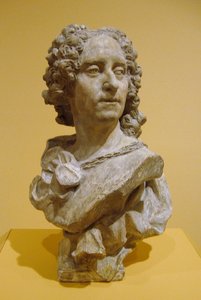
ノエル・ニコラ・コイペル
1628 - 1707 , フランス
基本情報
- Artistic Movement Or Style: 古典主義絵画
- Artists Who Influenced This Artist: ['ニコラ・プッサン']
- Date Of Birth: 1628年12月25日
- Date Of Death: 1707年
- Full Name: ノエル・ニコラ・コペル
- Nationality: フランス
- Notable Artworks: ['聖ジェームズの殉教']
- Place Of Birth: フランス、パリ
関連記事

Giclée Prints: Archival Quality & Aesthetic Nuances for the Discerning Collector
Explore the world of giclée prints with ArtsDot. Learn about archival quality, aesthetic nuances & investment potential. Expert guidance for discerning art collectors seeking museum-quality reproductions and lasting value.

The Enduring Legacy of Fine Art Prints: Technique, History & Aesthetic Impact
Explore the rich history & techniques of fine art prints. Discover investment potential, assess authenticity, and learn how to preserve your collection with expert guidance. Trusted insights for discerning collectors.

バロックのドラマ:現代のインテリアに壮麗さと情感を取り込む
バロック様式の歴史、絵画、家具の魅力をご紹介。ArtsDotでは、高品質な油絵複製やカスタムポートレートをご提供し、現代のインテリアに壮麗さと情感を取り入れます。アートコンサルテーションも承ります。

Echoes of Time: Exploring the Enduring Appeal & Historical Context of Vintage Art Prints
Explore the captivating world of vintage art prints! Discover their history, collecting tips & enduring appeal. Expert insights on chromolithography and building a legacy collection with ArtsDot.

バロック美術を極めた至宝:時代を彩る10大名作の世界
バロック美術の華!カラヴァッジョ、ベルニーニら巨匠が創り上げた10大名作を徹底解剖。ドラマチックな色彩と豪華絢爛の世界観に触れ、至宝のアートプリントで空間を彩ろう。ArtsDot.comで美術館品質の複製と洗練されたインテリアを見つけましょう!

