

 プレビュー
プレビュー
 シェアする
シェアする シェアする
シェアする
 詳細を見る
詳細を見る

 ダウンロード
 似ている作品
 X線調査
X線調査 スライドショー
 統計情報
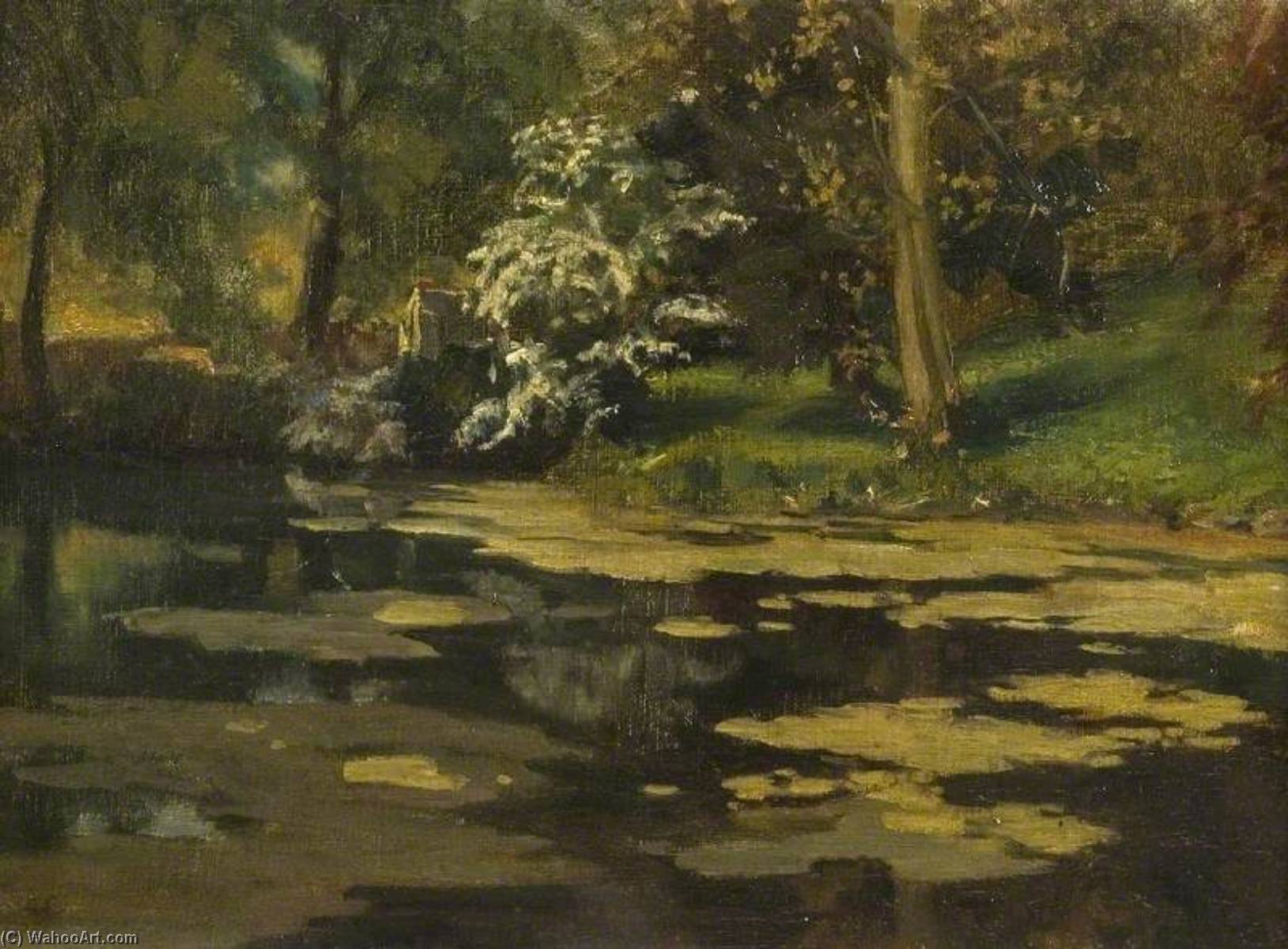
統計情報Lake
 25.0 x 35.0 cm
 詳細を見る
詳細を見る
オンラインプレビューをはるかに凌ぐ、高解像度で鮮明なデジタル画像をご購入いただけます。
各ファイルは、社内の専門家が高度なツールと熟練した手作業によるレタッチを用いて、細心の注意を払って準備されています。すべての画像において、卓越した鮮明度、正確な色彩再現性、そして繊細なディテールを保証いたします。
最終ファイルは、プロフェッショナルな編集・印刷環境ですぐにご利用いただけるよう最適化された状態で、72時間以内にメールにてお届けいたします。これは、一流のデザインスタジオ、出版社、ギャラリーから信頼されているものと同等の品質です。
デジタルアート
個人での鑑賞、印刷、クリエイティブなプロジェクト用に、高解像度ファイルをダウンロードできます。 ( プリント版に切り替え 手描きの絵画を購入)
デジタル画像のご注文に付随する特典
高品質なデジタル画像配信を、確かな品質で。
ArtsDot.com を選ぶことは、単に画像を手に入れることではありません。それは、プロの手によって精密に仕上げられ、満足保証が付いた高品質なデジタルアートワークを受け取ることを意味します。ご注文いただいた際に自動的に付随する内容は、以下の通りです:

メールですぐにお届け
ご注文から72時間以内に、高解像度のデジタル画像ファイルがメールでお手元に届きます。すぐにそのままご利用いただけます。

AI技術で最適化されたデジタルファイル
お客様の作品は、高度なAIツールと専門家による手作業の編集を組み合わせてプロフェッショナルに最適化されており、細部のディテール、鮮明さ、そして正確な色再現性を最大限に引き出しています。

一生涯無料の再送サービス
ファイルを誤って削除したり、紛失してしまったりしましたか?ご安心ください。いつでも無料で再送いたします。

輸入手数料は一切かかりません
関税や手数料、配送料を気にすることなく、お気に入りのアートワークをすぐにお楽しみいただけます。デジタルダウンロードは常に免税です。

色彩再現の保証
プロ仕様のツールとカラーマネジメント技術を用いることで、デジタル画像が元の色を最大限に忠実に再現することを保証いたします。

100日間満足保証
ご購入いただいたデジタル画像にご満足いただけない場合は、100日以内であれば、理由を問わず修正または100%の返金対応をさせていただきます。

100% 返金保証
ご満足いただけない場合は、デジタルファイルを受け取ってから100日以内であれば、理由を問わず全額返金いたします。

まとめ買い割引
3枚購入で10%OFF - 5枚購入で15%OFF - 10枚以上購入で20%OFF。クリエイティブなプロジェクト、ギャラリー、エージェンシーに最適です。
関連作品










作家の略歴
Norman Hirst: Sculptor of Decay and the Echoes of Mortality
Norman Hirst, a name often whispered in circles devoted to conceptual art and the unsettling beauty of decay, remains one of the 20th century’s most provocative figures. Born in Leeds in 1862, his life was marked by a restless spirit and an increasingly morbid fascination with mortality – a preoccupation that would ultimately define his singular artistic vision. Hirst wasn't simply an artist; he was a chronicler of the ephemeral, a sculptor who wrestled with the uncomfortable truths of life, death, and the passage of time, employing techniques both startlingly modern and deeply rooted in Victorian sensibilities.
Hirst’s early years were far from conventional. He abandoned formal education after a brief stint at art school, opting instead for the physicality of construction work – a period he later described as profoundly formative. It was during this time that he encountered the visceral realities of death and decomposition firsthand, experiences which would irrevocably shape his artistic trajectory. His early works, often small-scale sculptures crafted from plaster and wood, began to subtly hint at the themes that would dominate his mature career: the vulnerability of the human form, the inevitability of decay, and the unsettling beauty found within the process of dissolution.
The 1920s witnessed a significant shift in Hirst’s artistic practice. He embraced the burgeoning field of taxidermy, meticulously preserving animal specimens – often sourced from local slaughterhouses – and presenting them in increasingly elaborate and disturbing arrangements. These early taxidermic works, such as “Arab Coastal Village” (a haunting depiction of a Middle Eastern scene populated by deceased animals) and "Sherwood Forest," were not merely displays of preserved creatures; they were carefully constructed narratives exploring themes of loss, memory, and the relationship between humanity and the natural world. The use of formaldehyde to preserve these specimens was a deliberate choice, lending an eerie translucence to the figures and emphasizing their vulnerability.
Hirst’s most enduring legacy lies in his exploration of decomposition – a subject he approached with unflinching honesty and a remarkable eye for detail. His later works, particularly those created in the 1940s and 50s, involved the systematic dissection and preservation of animal carcasses, often suspended within glass cases or presented as freestanding sculptures. These pieces, like “Damien Hirst” (a meticulously rendered depiction of a decaying cow), were profoundly unsettling yet undeniably captivating, forcing viewers to confront their own anxieties about mortality and the fragility of life. The sheer scale of these installations – some reaching several feet in height – further amplified their impact, creating an immersive experience that lingered long after it was over.
The Influence of Victorian Aesthetics
Despite his embrace of modern techniques like taxidermy and formaldehyde preservation, Hirst’s work is deeply indebted to the aesthetic sensibilities of the Victorian era. The meticulous detail with which he rendered even the most gruesome aspects of decay reflects a Victorian fascination with death and mourning – a period characterized by elaborate funeral rituals, sentimental poetry, and an obsession with preserving the physical remains of loved ones. His use of natural materials—wood, plaster, animal hides—also echoes the Victorian appreciation for craftsmanship and the beauty of the natural world.
However, Hirst’s work transcends mere imitation; he subverts Victorian conventions by presenting death not as a subject of sentimental mourning but as an unsettling spectacle. He strips away the veneer of respectability associated with traditional funerary practices, forcing viewers to confront the raw and visceral reality of decomposition. This deliberate transgression is what ultimately distinguishes Hirst's art from earlier Victorian depictions of mortality.
Formaldehyde and the Illusion of Life
The adoption of formaldehyde as a preservation medium was pivotal in shaping Hirst’s artistic vision. Formaldehyde, a chemical compound known for its pungent odor and ability to halt decomposition, creates an eerie translucence within the preserved specimens – effectively suspending them between life and death. This technique not only preserves the physical form of the animals but also imbues them with a ghostly quality, suggesting that they are simultaneously present and absent.
Hirst’s use of formaldehyde is particularly significant in his later works, where he often suspended entire carcasses within glass cases, creating an unsettling tableau vivant. The clear medium allows viewers to examine the intricate details of decay – the discoloration of skin, the fragmentation of bones, the gradual disintegration of tissue – with a disconcerting intimacy. The effect is both repulsive and strangely beautiful, highlighting the inherent paradoxes of life and death.
Legacy and Critical Reception
Norman Hirst’s work was largely overlooked during his lifetime, but he has since been recognized as a pioneering figure in conceptual art. His unflinching exploration of mortality, coupled with his innovative use of materials and techniques, challenged conventional notions of beauty and artistic representation. While some critics have dismissed his work as morbid or sensationalistic, others have hailed it as a profound meditation on the human condition.
Hirst’s influence can be seen in the work of numerous contemporary artists who explore themes of death, decay, and the body. His legacy lies not only in his individual artworks but also in his willingness to confront uncomfortable truths and push the boundaries of artistic expression. His sculptures continue to provoke debate and inspire awe, reminding us of our own mortality and the enduring power of art to grapple with the most profound mysteries of existence.
Notable Works
- Arab Coastal Village (1928): A meticulously rendered tableau featuring a collection of deceased animals arranged within a coastal setting.
- Sherwood Forest (1930s): A complex installation depicting a forest scene populated by taxidermic animals, reflecting themes of loss and memory.
- Damien Hirst (1940s-50s): A monumental sculpture featuring a fully dissected cow suspended within a glass case, showcasing the artist’s fascination with decomposition.
norman hirst
1862 - 1956
プロフィール概要
- Artistic Movement Or Style: Conceptual Art, Sculpture
- Artists Or Movements Influenced By This Artist: ['Damien Hirst']
- Artists Who Influenced This Artist: ['Francis Davison']
- Date Of Birth: 1862
- Date Of Death: 1956
- Full Name: Norman Hirst
- Nationality: British
- Notable Artworks:
- Arab Coastal Village
- Sherwood Forest
- Untitled
- Place Of Birth: United Kingdom