

 プレビュー
プレビュー
 シェアする
シェアする シェアする
シェアする
 詳細を見る
詳細を見る

 ダウンロード
 似ている作品
 X線調査
X線調査 スライドショー
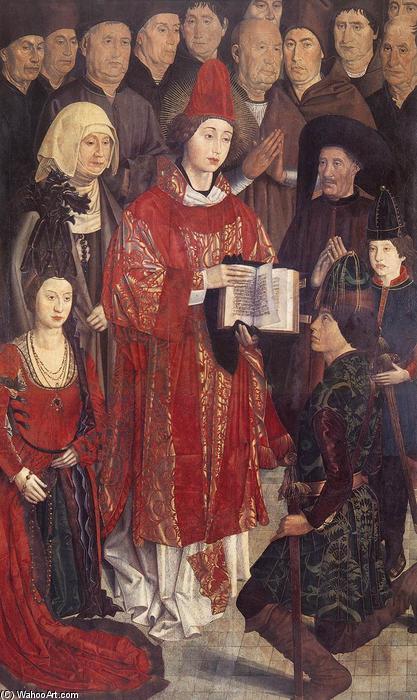
Altarpiece of Saint Vincent, the panel of the Infants
 1460
1460 207.0 x 129.0 cm
 Museu Nacional de Arte Antiga
 詳細を見る
詳細を見る
ジークレー/アートプリント
迅速な制作と多彩な仕上げオプションを備えた、ミュージアムクオリティのジークレーまたはキャンバスプリント。 ( 手描きの絵画を購入 画像を購入)




































作品のオリジナル比率に合わせた、当店の規定サイズからお選びください。

特定のフレームやスペースに合わせて、ご自身でサイズを指定することも可能です。選択されたサイズが元の画像の比率と一致しない場合、作品をトリミングするか、鏡面反射または単色での塗りつぶしによって画像を拡張いたします。制作を開始する前に、ご確認用のデジタルモックアップをお送りいたします。
画面上のプレビューには、実際のトリミングや拡張は反映されませんのでご注意ください。最終的な構図を正確に確認できるのは、モックアップのみとなります。
カスタムサイズも承っておりますが、元の比率を維持するためには、あらかじめ用意されたリストからサイズを選択することをお勧めいたします。


 ガラスオプションは、110cm未満のサイズでのみご利用いただけます。

Altarpiece of Saint Vincent, the panel of the Infants
ジークレー/アートプリント
複製画のサイズ
-


合計金額
$ 62
関連作品
アーティストの略歴
Nuno Gonçalves: The Soul of 15th-Century Portugal
Nuno Gonçalves, a name largely shrouded in the mists of time yet resonating powerfully within Portuguese art history, stands as a pivotal figure bridging the late Middle Ages and the burgeoning Renaissance. Born around 1420 in Portugal – precise dates remain elusive, lost to the vagaries of historical record – he served as court painter to King Afonso V, leaving behind a legacy embodied most strikingly by the “Saint Vincent Panels.” These monumental works offer an unparalleled glimpse into the social fabric and artistic sensibilities of 15th-century Portugal, a nation poised on the brink of its Age of Discovery. His life remains remarkably obscure, yet his art speaks volumes, demanding our attention and inviting us to contemplate the man behind the brush.
Early speculation suggests Gonçalves’s training may have been rooted in the artistic traditions of Flanders, possibly under the tutelage of a master working in Brussels. The striking resemblance between his work – particularly the Saint Vincent Panels – and the meticulous realism, dramatic lighting, and emotional depth characteristic of Jan van Eyck, Hugo van der Goes, and Dieric Bouts strongly supports this theory. The influence of Flemish painting is undeniable, yet Gonçalves skillfully adapted these techniques to forge a distinctly Portuguese style, imbuing his work with a uniquely national character.
The Saint Vincent Panels: A Chronicle in Paint
At the heart of Gonçalves’s artistic achievement lies the “Saint Vincent Panels,” a polyptych housed within the Museu Nacional de Arte Antiga in Lisbon. These twelve panels, created primarily between 1460 and 1470, are not merely religious depictions; they are vibrant chronicles of Portuguese society. The scenes unfold with astonishing detail, portraying clergy, nobility, merchants, artisans, peasants – a microcosm of the nation’s diverse population. The figures are rendered with remarkable psychological depth, each face conveying a wealth of emotion and character.
The panels' narrative structure is complex and layered. They depict Saint Vincent of Fora, a local Portuguese saint, but simultaneously function as a social commentary. Gonçalves masterfully captures the hierarchy of power – the regal bearing of the nobility, the solemnity of the clergy, and the industriousness of the commoners. The inclusion of Prince Henry the Navigator, a key figure in Portugal’s maritime expansion, within the third panel has fueled decades of debate among art historians. While some argue for its authenticity, others suggest it may have been added later, reflecting the importance of this patron to the royal court. The very existence of the panels themselves is a testament to Gonçalves's skill and influence; they are considered the pinnacle of Portuguese antique art.
Historical Context and Artistic Influences
Gonçalves’s work emerged during a period of immense transformation in Portugal. The reign of Afonso V witnessed a surge in national pride, fueled by successful voyages of exploration and the establishment of trading posts along the African coast. This era fostered a desire to document and celebrate Portuguese achievements – a sentiment powerfully expressed through Gonçalves's art. He was deeply embedded within the royal court, serving as a visual recorder of its ceremonies, portraits, and political events.
Beyond his Flemish influences, Gonçalves’s work also reflects elements of Gothic painting, particularly in its use of color and decorative detail. However, he transcends these earlier styles by imbuing his paintings with a sense of realism and psychological depth that was largely absent in contemporary art. The meticulous observation of human anatomy, the subtle nuances of expression, and the dramatic lighting all contribute to the panels’ enduring power.
Legacy and Enduring Mystery
Despite the considerable scholarly attention devoted to Nuno Gonçalves, many aspects of his life remain shrouded in mystery. The lack of biographical details – birthdate, death date, even a confirmed portrait – adds to the aura of intrigue surrounding this enigmatic artist. The debate over the authorship of the Saint Vincent Panels continues to this day, with some scholars suggesting that Hugo van der Goes may have collaborated on their creation.
Nevertheless, Nuno Gonçalves’s legacy is firmly established as one of Portugal's greatest artistic figures. The “Saint Vincent Panels” stand as a testament to his skill, vision, and profound understanding of the Portuguese people. They offer an invaluable window into a pivotal moment in Portuguese history – a time of exploration, expansion, and artistic innovation. Gonçalves’s work continues to captivate viewers centuries after its creation, reminding us of the enduring power of art to illuminate the past and shape our understanding of the present.
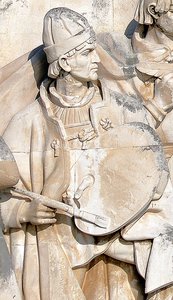
nuno gonçalves
1420 - 1490 , Portugal
基本情報
- Artistic Movement Or Style: Renaissance painting
- Artists Who Influenced This Artist: ['Jan van Eyck, Hugo van der Goes, Dieric Bouts],\n "Artists or movements influenced by this artist": ["Portuguese Renaissance"]\n}']
- Date Of Birth: c. 1420, Portugal
- Date Of Death: 1490
- Full Name: Nuno Gonçalves
- Nationality: Portuguese
- Notable Artworks:
- Saint Vincent Panels
- Franciscan Saint
- St. Theotonius (?)
- Altarpiece of Saint Vincent
- Place Of Birth: Portugal

