

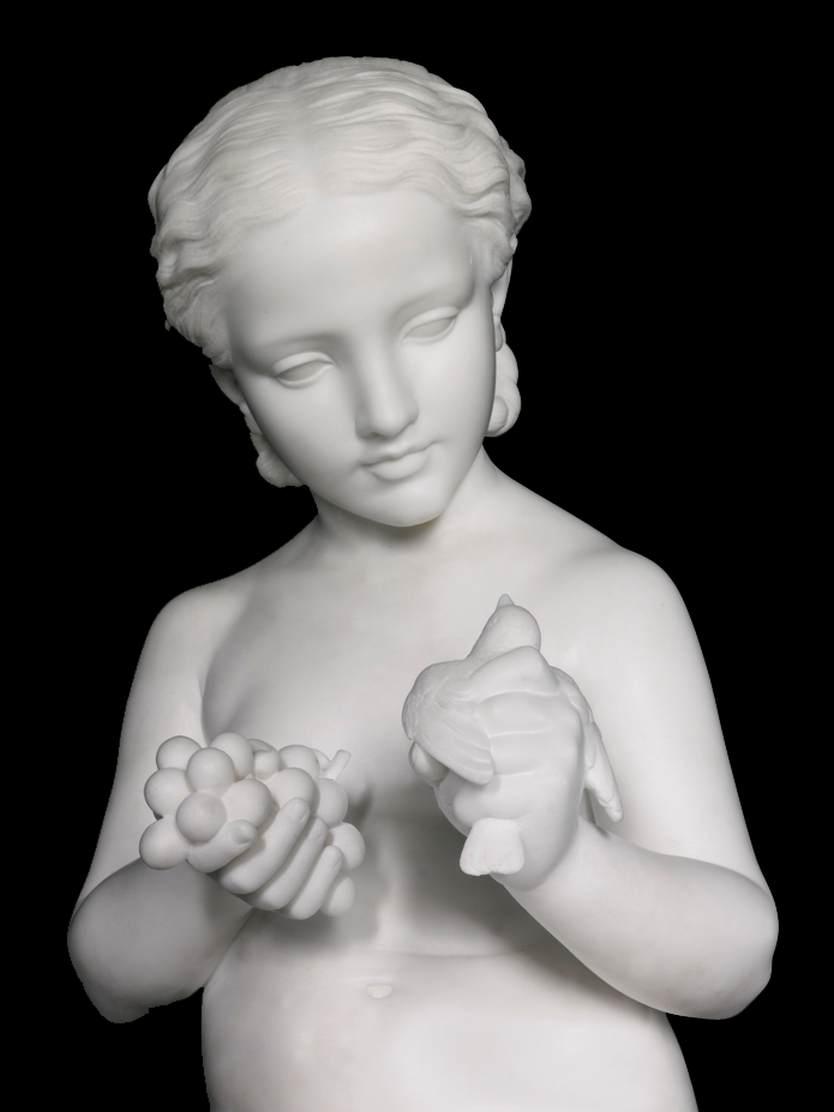
 プレビュー
プレビュー
 プリントを購入
 シェアする
シェアする シェアする
シェアする
 詳細を見る
詳細を見る

 ダウンロード
 似ている作品
 X線調査
X線調査 スライドショー
Young Girl Holding Grapes and a Bird (detail)
 詳細を見る
詳細を見る




































作品のオリジナル比率に合わせた、当店の規定サイズからお選びください。

特定のフレームやスペースに合わせて、ご希望のサイズをご入力いただけます。選択されたサイズが元の画像の比率と異なる場合、アートワークをトリミングするか、手描きで要素を追加して絵画を拡張いたします。デジタルモックアップ を制作し、制作開始前にご確認(承認)をいただきます。
画面上のプレビューは、実際のトリミングや拡張を正確に反映しているものではありません。最終的な構図は、モックアップによってのみ正確にご確認いただけます。
カスタムサイズもご利用いただけますが、元の比率を維持するためには、あらかじめ用意されたリストからサイズを選択することをお勧めいたします。
ご注文後、ArtsDot.com チームより詳細な指示をお送りするとともに、仕上がりイメージ(モックアップ)をご提供いたします。


 ガラスオプションは、110cm未満のサイズでのみご利用いただけます。

Young Girl Holding Grapes and a Bird (detail)
複製技法
複製画のサイズ
-


合計金額
$ 263
関連作品


アーティストの略歴
Odoardo Fantacchiotti: A Sculptor of Neoclassical Grace
Odoardo Fantacchiotti (1811-1877) stands as a pivotal figure in 19th-century Italian sculpture, a master whose refined neoclassical style breathed new life into classical ideals while simultaneously reflecting the artistic currents of his time. Born in Rome and deeply rooted in Florentine art circles, Fantacchiotti’s career spanned decades, marked by a dedication to meticulous craftsmanship and a profound understanding of human form – qualities that secured his place as one of the era's most distinguished sculptors.
Fantacchiotti’s early artistic development was profoundly shaped by his family legacy. His father, Cesare Fantacchiotti, was already an established sculptor in Florence, and Odoardo benefited from a rich environment steeped in artistic tradition. He enrolled at the prestigious Accademia di Belle Arti di Firenze, where he studied under influential figures like Stefano Ricci, a follower of Canova and Thorvaldsen – artists whose emphasis on anatomical accuracy and emotional expression deeply resonated with Fantacchiotti’s own aesthetic sensibilities. Ricci's teachings instilled in him a rigorous approach to modeling and a commitment to capturing the “bello naturale,” or natural beauty, a core principle that guided his artistic practice throughout his career.
The Roman Roots and Florentine Flourishing
Despite being born in Rome, Fantacchiotti’s formative years were spent in Florence, a city renowned for its artistic heritage. This relocation proved crucial to his development, exposing him to the vibrant art scene of the Tuscan capital and fostering connections with leading patrons and institutions. He quickly gained recognition for his ability to translate classical forms into compelling contemporary sculptures. His early works demonstrated a remarkable skill in capturing subtle nuances of expression and conveying a sense of dignified serenity – hallmarks that would become increasingly prominent in his later creations.
Fantacchiotti’s public commissions were particularly significant, reflecting the tastes and aspirations of Florentine society. He created numerous statues for prominent buildings, including the celebrated Boccaccio and Accursius figures adorning the Loggia of the Uffizi – a testament to his ability to seamlessly integrate classical motifs into the urban landscape. His work on the monument to Francesco Redi and the bust of Ferdinando II de’ Medici further solidified his reputation as a skilled sculptor capable of capturing the likenesses of important historical figures with remarkable precision and grace.
A Master of Marble: Key Works and Techniques
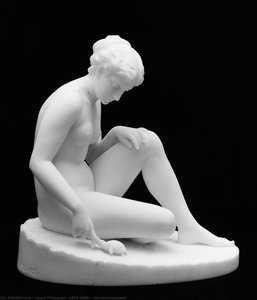
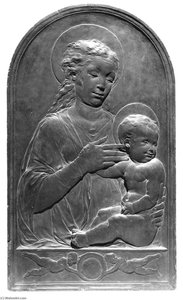
Fantacchiotti's mastery lay particularly in his handling of marble. He possessed an extraordinary ability to coax beauty from this challenging medium, achieving a luminous quality that seemed to imbue his sculptures with life. His works often exhibit a remarkable polish and refinement, reflecting his meticulous attention to detail and his deep understanding of the material’s properties. The “Virgin and Child” relief, now housed in the Victoria and Albert Museum, exemplifies this skill perfectly – its delicate folds of drapery and serene expressions captivating viewers with their understated elegance.
Beyond these prominent pieces, Fantacchiotti produced a diverse range of sculptures, including medallions, busts, and allegorical figures. His subjects frequently drew inspiration from classical mythology and history, but he always approached them with a contemporary sensibility, imbuing his creations with a sense of timeless beauty and human dignity. Notably, his work was often mistaken for that of Donatello, highlighting the exceptional quality of his craftsmanship.
Legacy and Influence
Odoardo Fantacchiotti’s legacy extends beyond his individual works; he played a vital role in reviving interest in neoclassical sculpture during a period when Romanticism dominated artistic trends. His commitment to classical ideals—anatomical accuracy, balanced composition, and the pursuit of beauty—provided a crucial counterpoint to the more emotionally charged styles of the era. His son, Cesare Fantacchiotti, continued the family tradition as a sculptor, ensuring that the legacy of Odoardo’s artistic vision lived on for generations to come.
Fantacchiotti's sculptures continue to be admired for their elegance, grace, and technical mastery. They stand as enduring reminders of a pivotal moment in Italian art history—a time when classical ideals were reinterpreted and reimagined through the lens of 19th-century sensibilities.
odoardo fantacchiotti
1811 - 1877
基本情報
- Artistic Movement Or Style: Neoclassical Sculpture
- Artists Or Movements Influenced By This Artist:
- Canova
- Bartolini
- Artists Who Influenced This Artist: ['Aristodemo Costoli']
- Date Of Birth: May 20, 1811
- Date Of Death: June 24, 1877
- Full Name: Odoardo Fantacchiotti
- Nationality: Italian
- Notable Artworks:
- Boccaccio Statue
- Redi Medallions
- Ferdinando Medici
- Place Of Birth: Rome, Italy