

 プレビュー
プレビュー
 プリントを購入
 シェアする
シェアする シェアする
シェアする
 詳細を見る
詳細を見る

 ダウンロード
 似ている作品
 X線調査
X線調査 スライドショー
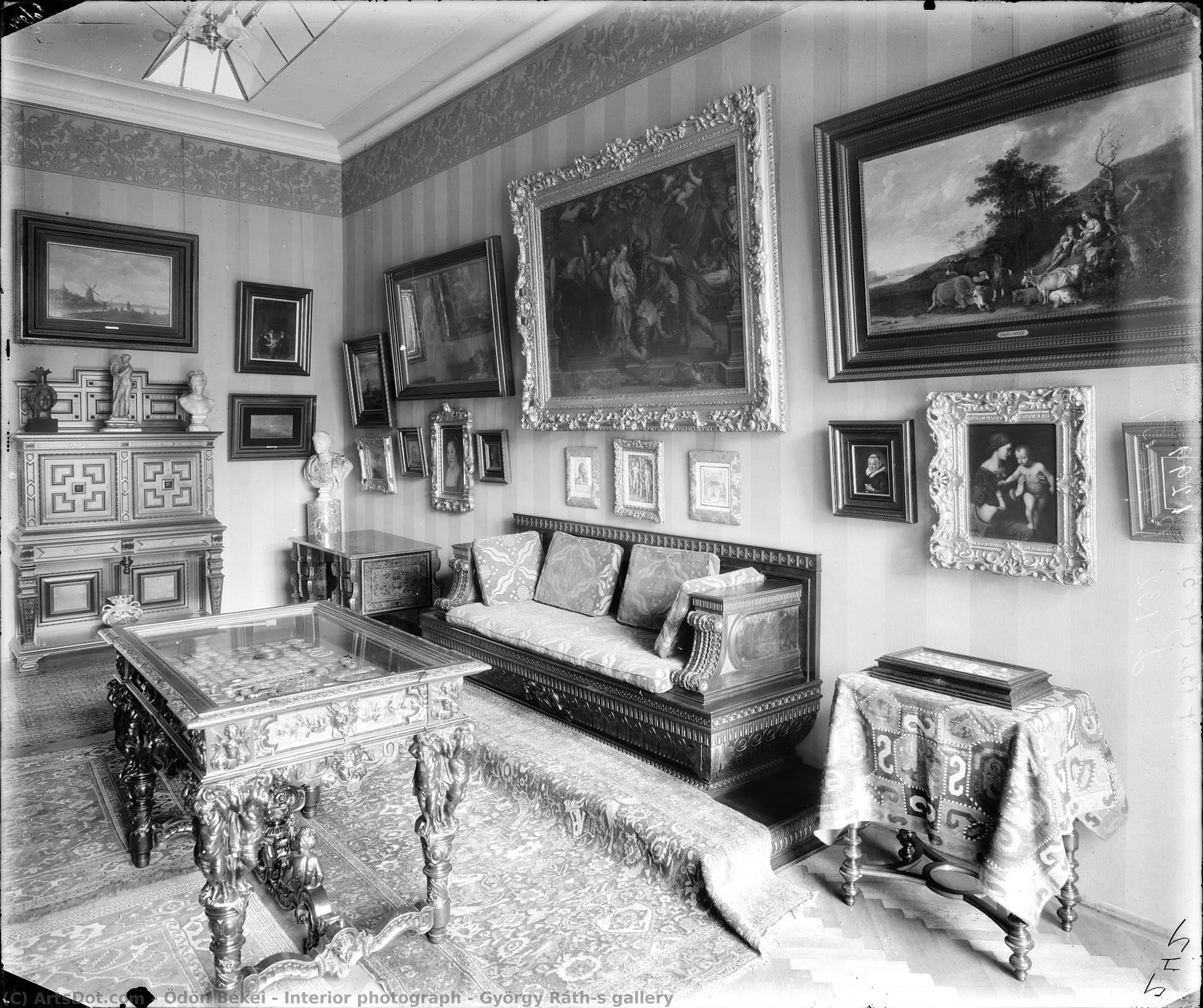
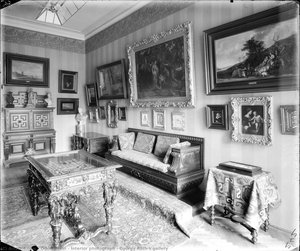
Interior photograph – György Ráth’s gallery
 1906
1906 26.0 x 32.0 cm
 Museum of Applied Arts
 詳細を見る
詳細を見る
オンラインプレビューをはるかに凌ぐ、高解像度で鮮明なデジタル画像をご購入いただけます。
各ファイルは、社内の専門家が高度なツールと熟練した手作業によるレタッチを用いて、細心の注意を払って準備されています。すべての画像において、卓越した鮮明度、正確な色彩再現性、そして繊細なディテールを保証いたします。
最終ファイルは、プロフェッショナルな編集・印刷環境ですぐにご利用いただけるよう最適化された状態で、72時間以内にメールにてお届けいたします。これは、一流のデザインスタジオ、出版社、ギャラリーから信頼されているものと同等の品質です。
デジタル画像のご注文に付随する特典
高品質なデジタル画像配信を、確かな品質で。
ArtsDot.com を選ぶことは、単に画像を手に入れることではありません。それは、プロの手によって精密に仕上げられ、満足保証が付いた高品質なデジタルアートワークを受け取ることを意味します。ご注文いただいた際に自動的に付随する内容は、以下の通りです:

メールですぐにお届け
ご注文から72時間以内に、高解像度のデジタル画像ファイルがメールでお手元に届きます。すぐにそのままご利用いただけます。

AI技術で最適化されたデジタルファイル
お客様の作品は、高度なAIツールと専門家による手作業の編集を組み合わせてプロフェッショナルに最適化されており、細部のディテール、鮮明さ、そして正確な色再現性を最大限に引き出しています。

一生涯無料の再送サービス
ファイルを誤って削除したり、紛失してしまったりしましたか?ご安心ください。いつでも無料で再送いたします。

輸入手数料は一切かかりません
関税や手数料、配送料を気にすることなく、お気に入りのアートワークをすぐにお楽しみいただけます。デジタルダウンロードは常に免税です。

色彩再現の保証
プロ仕様のツールとカラーマネジメント技術を用いることで、デジタル画像が元の色を最大限に忠実に再現することを保証いたします。

100日間満足保証
ご購入いただいたデジタル画像にご満足いただけない場合は、100日以内であれば、理由を問わず修正または100%の返金対応をさせていただきます。

100% 返金保証
ご満足いただけない場合は、デジタルファイルを受け取ってから100日以内であれば、理由を問わず全額返金いたします。

まとめ買い割引
3枚購入で10%OFF - 5枚購入で15%OFF - 10枚以上購入で20%OFF。クリエイティブなプロジェクト、ギャラリー、エージェンシーに最適です。
関連作品






作家の略歴
Ödön Békei: Capturing the Soul of Early 20th Century Budapest
Ödön Békei (1876-1956) wasn’t a name widely recognized during his lifetime, yet his photographs offer an invaluable window into the vibrant and rapidly changing cityscape of early 20th century Budapest. A Hungarian photographer primarily known for his work in the pages of the influential newspaper Új Idők (New Times), Békei possessed a remarkable eye for detail and a subtle ability to capture not just appearances, but also the atmosphere and spirit of his subjects. His legacy rests largely on the extensive collection of his photographs housed at the György Ráth Gallery in Budapest, revealing a career dedicated to documenting the evolution of a city undergoing significant social, political, and economic transformation.
Born in Budapest, Békei’s early life was marked by a fascination with visual arts. He initially pursued studies in architecture but soon found himself drawn to photography as a means of observation and artistic expression. He began his professional career in 1896, establishing a studio on Váci Street – a central artery of the city at the time – and quickly gained recognition for his portraits and documentary work. His early photographs frequently featured prominent figures of Hungarian society: politicians, intellectuals, artists, and members of the burgeoning bourgeois class. These weren’t simply formal portraits; Békei skillfully used lighting and composition to reveal character and convey a sense of the subject's position within the social hierarchy.
Békei’s most significant contribution lies in his extensive coverage of Budapest for Új Idők, a newspaper known for its progressive stance and commitment to documenting contemporary life. He photographed everything from bustling marketplaces and crowded streets to grand public buildings and intimate domestic scenes. His images offer a remarkably detailed record of the city's architecture, fashion, social customs, and daily routines. Notably, he captured the construction of Budapest’s iconic infrastructure – bridges, tram lines, and new building projects – providing a visual chronicle of urban development. His work demonstrated an acute awareness of the interplay between tradition and modernity, reflecting the complex tensions inherent in a rapidly industrializing nation.
The Art of Documentary Photography
Békei’s photographic style was characterized by its meticulousness and realism. He employed a direct approach, often working on location with his subjects, which allowed him to capture candid moments and authentic expressions. He favored natural light whenever possible, utilizing it to create subtle gradations of tone and texture. His compositions were generally balanced and restrained, avoiding excessive ornamentation or manipulation. While he wasn’t an experimentalist in the way later photographers would be, Békei possessed a deep understanding of photographic technique – mastering exposure, focus, and darkroom processes to achieve his desired effects.
Crucially, Békei's work transcends mere documentation; it possesses a quiet beauty and emotional resonance. He wasn’t simply recording events; he was attempting to capture the essence of Budapest—its energy, its contradictions, and its spirit. His photographs invite viewers to step back in time and experience the city as it was lived by its inhabitants. The images are imbued with a sense of nostalgia, reflecting both the grandeur of the past and the anxieties of a society grappling with rapid change.
Influences and Context
Békei’s work can be understood within the broader context of European documentary photography at the turn of the 20th century. He was influenced by figures such as Alfred Stieglitz, who championed the artistic potential of photography, and Eugène Atget, a Parisian street photographer known for his evocative images of urban life. However, Békei’s work possesses a distinctly Hungarian sensibility, reflecting the unique cultural and historical circumstances of his country.
The political climate of Hungary during Békei's career was particularly significant. The late 19th and early 20th centuries witnessed periods of both reform and repression, with the Austro-Hungarian Empire struggling to maintain control over a diverse population. Békei’s photographs provide valuable insights into these turbulent times, documenting social unrest, political debates, and the everyday lives of ordinary people.
Legacy and Significance
Despite his relatively modest recognition during his lifetime, Ödön Békei's photographs have since been recognized as a crucial contribution to Hungarian art history. The György Ráth Gallery houses one of the most important collections of early 20th-century photography in Europe, ensuring that Békei’s work will continue to be studied and appreciated for generations to come.
His images offer a rare and intimate glimpse into Budapest at a pivotal moment in its history—a city on the cusp of modernity, grappling with tradition, and striving to define its own identity. Békei's legacy lies not only in his technical skill but also in his ability to capture the soul of a city through the lens of his camera.
ödön békei
1876 - 1956 , Hungary
プロフィール概要
- Artistic Movement Or Style: Photography
- Artists Or Movements Influenced By This Artist: ['']
- Artists Who Influenced This Artist: ['']
- Date Of Birth: March 17, 1876
- Date Of Death: May 10, 1956
- Full Name: Ödön Békei
- Nationality: Hungarian
- Notable Artworks:
- L'Illustration cover
- Tóth Béla portrait
- Bajcsy-Zsilinszky street
- Király Színház
- Place Of Birth: Budapest, Hungary