

 プレビュー
プレビュー
 プリントを購入
 シェアする
シェアする シェアする
シェアする
 詳細を見る
詳細を見る

 ダウンロード
 似ている作品
 X線調査
X線調査 スライドショー
Wesley Girls School, Cape Coast


 詳細を見る
詳細を見る




P118B $10

P118H $10

P118W $10

P438Z $10

P508JH $12

P508YH $12

P805H $10

P805Z $10

P919BZ $10

P919G $10

P919XJ $10

P959ZH $10

P968JZ $12

W106C $8

W218G $10

W218JH $8

W218Y $10

W307PJ $10

W316G $10

W316PJ $8

W316Y $10

W398PJ $8

W4111J $10

W500HY $15

W500JH $15

W692G $12

W849H $8

W940BG $15

W953PJ $8




作品のオリジナル比率に合わせた、当店の規定サイズからお選びください。

特定のフレームやスペースに合わせて、ご希望のサイズをご入力いただけます。選択されたサイズが元の画像の比率と異なる場合、アートワークをトリミングするか、手描きで要素を追加して絵画を拡張いたします。デジタルモックアップ を制作し、制作開始前にご確認(承認)をいただきます。
画面上のプレビューは、実際のトリミングや拡張を正確に反映しているものではありません。最終的な構図は、モックアップによってのみ正確にご確認いただけます。
カスタムサイズもご利用いただけますが、元の比率を維持するためには、あらかじめ用意されたリストからサイズを選択することをお勧めいたします。
ご注文後、ArtsDot.com チームより詳細な指示をお送りするとともに、仕上がりイメージ(モックアップ)をご提供いたします。


 ガラスオプションは、110cm未満のサイズでのみご利用いただけます。

Wesley Girls School, Cape Coast
複製技法
複製画のサイズ
-


合計金額
$ 263
Wesley Girls School, Cape Coast – A Testament to Tropical Modernism
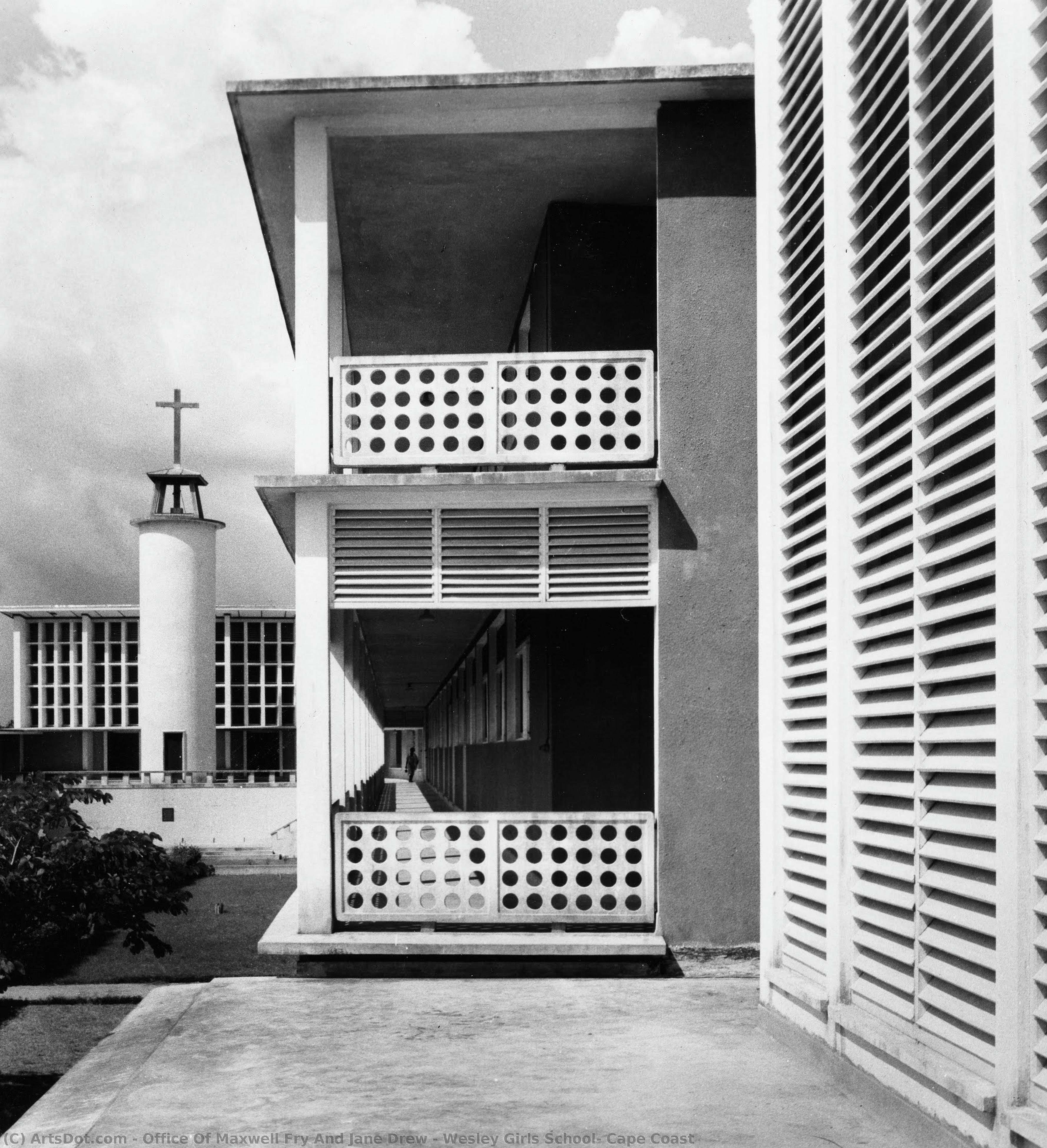
The photograph captures a striking example of Tropical Modernism, born from the confluence of European architectural innovation and the urgent need for social reform in postcolonial Ghana. Designed by Fry, Drew & Partners in 1947, the Wesley Girls School dormitory block stands as a monument to this influential aesthetic – a deliberate rejection of Victorian grandeur in favor of functionality, simplicity, and responsiveness to climatic conditions. The image itself is meticulously composed, prioritizing architectural detail while subtly conveying a sense of optimism and progress.- Composition & Perspective: The photograph’s angled perspective offers a dynamic view of the building's façade, avoiding a static frontal presentation. Strong vertical lines created by the windows emphasize structural integrity and contribute to visual depth, guiding the viewer’s gaze upwards towards the roofline.
- Color Palette & Light: Strikingly devoid of color, the grayscale tones highlight textural variations within the concrete walls – evidence of careful consideration for the tropical climate. Diffused daylight illuminates the building evenly, minimizing harsh shadows and fostering a serene atmosphere.
- Architectural Style: Fry Drew’s design embodies the core tenets of Tropical Modernism: clean lines, geometric forms (primarily rectangular), and expansive glazing to maximize ventilation and minimize heat gain. The building's austere materiality—concrete reinforced with steel—reflects both durability and a commitment to rational construction techniques.
Maxwell Fry & Jane Drew – Pioneers of Adaptive Modernism
The Office of Maxwell Fry and Jane Drew, later Fry, Drew & Partners, emerged as pivotal figures in shaping British architectural thought during the postwar era. Recognizing the limitations of applying European modernist principles to tropical environments, Fry and Drew championed a collaborative vision that prioritized local needs alongside global design standards. Their approach wasn’t merely about constructing buildings; it was about fostering social cohesion and empowering communities through thoughtful spatial organization—a philosophy deeply rooted in humanist values.- Collaborative Vision: Fry and Drew's partnership exemplifies the spirit of innovation that characterized their time, blending European modernist ideals with sensitivity to climatic conditions and cultural context.
- The Colonial Context: Their work in Ghana was undertaken during a period of significant social transformation—a conscious effort by British colonial governments to invest in education and infrastructure while simultaneously addressing pressing challenges faced by African societies.
- Influence Beyond Borders: Fry Drew’s legacy extends far beyond Britain, influencing architectural developments across India, Iran, and numerous other nations where their designs championed sustainable practices and promoted a harmonious relationship between buildings and landscapes.
Symbolism & Emotional Resonance – A Beacon of Hope
The Wesley Girls School dormitory block transcends its physical form to embody broader aspirations for social advancement and cultural enrichment. The clock tower, positioned slightly off-center, serves as a visual reminder of time—a symbol of tradition alongside the embrace of modern design principles. More profoundly, however, the building represents optimism—a conviction that rational architecture could contribute to creating a brighter future for Ghana’s young women.- Functionality & Form: The building's minimalist aesthetic speaks to Fry Drew’s belief in prioritizing functionality over ornamentation—a deliberate rejection of Victorian excess and an affirmation of humanist values.
- Climate Adaptation: Its design reflects a profound understanding of tropical climate—maximizing ventilation, minimizing heat gain, and utilizing durable materials to withstand extreme weather conditions.
- Cultural Significance: The Wesley Girls School embodies Ghana’s commitment to education and empowerment—a testament to Fry Drew's vision of architecture as a catalyst for social progress and cultural renewal.
Technical Considerations – Craftsmanship & Material Innovation
Fry Drew’s mastery of Tropical Modernism is evident in the meticulous execution of their design—a fusion of European architectural techniques with locally sourced materials adapted to climatic conditions. The use of reinforced concrete—a relatively new material at the time—demonstrates a commitment to rational construction methods and ensures structural stability. Furthermore, expansive glazing maximizes natural light penetration while promoting airflow—essential strategies for maintaining comfortable indoor temperatures in Ghana’s humid climate.Concluding Remarks – An Enduring Legacy
The Wesley Girls School dormitory block stands as a timeless emblem of Tropical Modernism—a testament to Fry Drew & Partners' pioneering spirit and their unwavering belief in architecture’s capacity to shape societies for the better. Its enduring appeal lies not only in its aesthetic beauty but also in its profound symbolic significance—a beacon of hope illuminating the path toward progress, sustainability, and cultural enrichment.関連作品










関連記事
Roger Eliot Fry: Redefining Modern Vision & The Bloomsbury Aesthetic
Explore the revolutionary impact of Roger Fry on modern art & the Bloomsbury Group. Discover his pivotal role in introducing Post-Impressionism to Britain and reshaping aesthetic understanding. Learn about his exhibitions, theories, and lasting legacy.

Marianne North's Masterpieces: 25 Botanical Paintings That Bloom With Adventure | ArtsDot
Journey through the vibrant world of Marianne North’s botanical paintings! Explore 25 iconic artworks from this Victorian artist, celebrating exotic flora & travel. Find museum-quality reproductions and curated decor ideas at ArtsDot.com.

Alan Clutton-Brock: A Study in British Landscape Painting & Atmospheric Realism
Explore the life & critical work of Alan Clutton-Brock, a leading British art critic renowned for his insights into landscape painting and atmospheric realism. Discover his influence on post-war artistic discourse.

The Resonance of Modernity: Exploring Emotional Tones in Contemporary Artwork
Explore the emotional depth of modern art with expert insights on abstract expressionism, Color Field painting & key artists like Rothko & Pollock. Discover investment potential and curated selections for discerning collectors.

