

 プレビュー
プレビュー
 シェアする
シェアする シェアする
シェアする
 詳細を見る
詳細を見る

 ダウンロード
 似ている作品
 X線調査
X線調査 スライドショー
 Stats
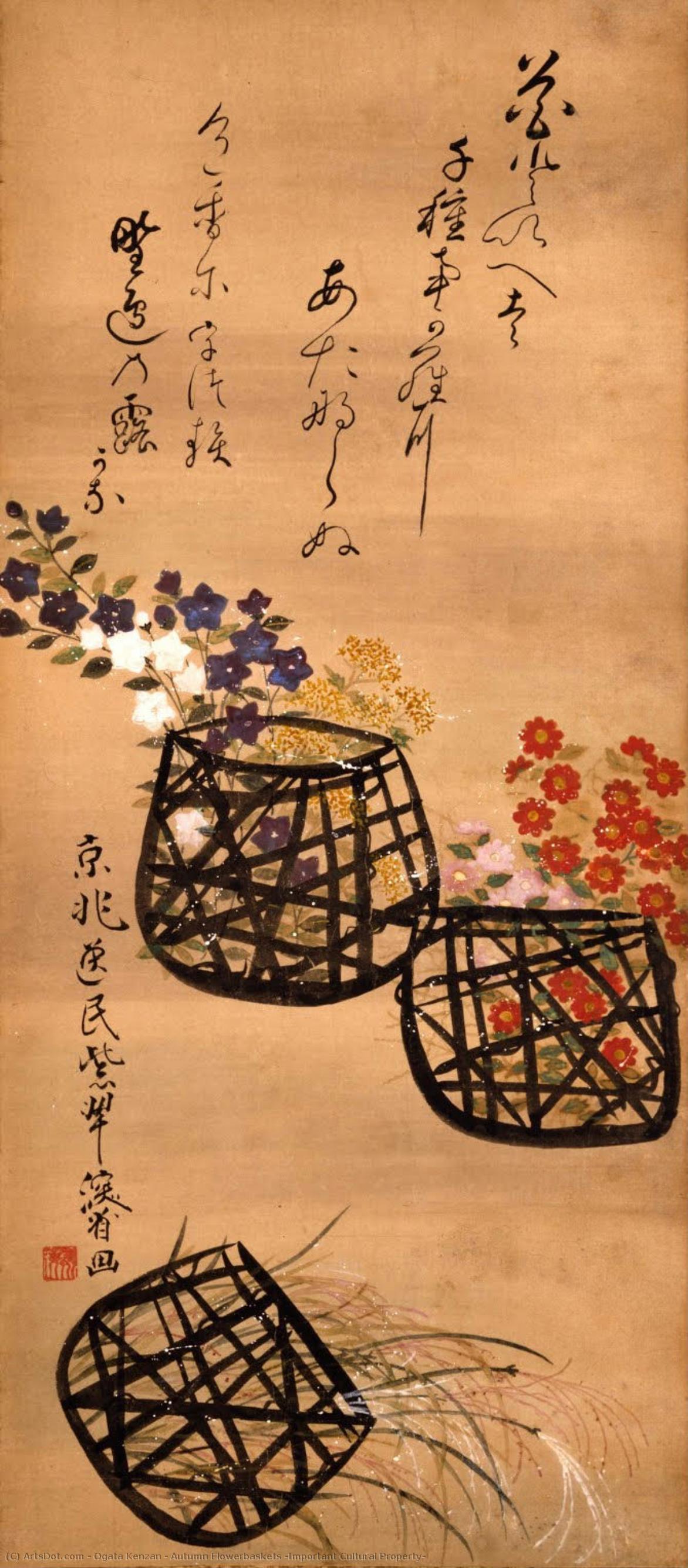
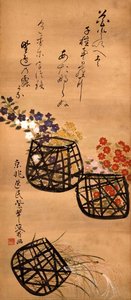
StatsAutumn Flowerbaskets (Important Cultural Property)
 Rinpa
Rinpa 49.0 x 112.0 cm
 Fukuoka Art Museum
 詳細を見る
詳細を見る
オンラインプレビューをはるかに凌ぐ、高解像度で鮮明なデジタル画像をご購入いただけます。
各ファイルは、社内の専門家が高度なツールと熟練した手作業によるレタッチを用いて、細心の注意を払って準備されています。すべての画像において、卓越した鮮明度、正確な色彩再現性、そして繊細なディテールを保証いたします。
最終ファイルは、プロフェッショナルな編集・印刷環境ですぐにご利用いただけるよう最適化された状態で、72時間以内にメールにてお届けいたします。これは、一流のデザインスタジオ、出版社、ギャラリーから信頼されているものと同等の品質です。
デジタルアート
個人での鑑賞、印刷、クリエイティブなプロジェクト用に、高解像度ファイルをダウンロードできます。 ( Switch to Print 手描きの絵画を購入)
デジタル画像のご注文に付随する特典
高品質なデジタル画像配信を、確かな品質で。
ArtsDot.com を選ぶことは、単に画像を手に入れることではありません。それは、プロの手によって精密に仕上げられ、満足保証が付いた高品質なデジタルアートワークを受け取ることを意味します。ご注文いただいた際に自動的に付随する内容は、以下の通りです:

メールですぐにお届け
ご注文から72時間以内に、高解像度のデジタル画像ファイルがメールでお手元に届きます。すぐにそのままご利用いただけます。

AI技術で最適化されたデジタルファイル
お客様の作品は、高度なAIツールと専門家による手作業の編集を組み合わせてプロフェッショナルに最適化されており、細部のディテール、鮮明さ、そして正確な色再現性を最大限に引き出しています。

一生涯無料の再送サービス
ファイルを誤って削除したり、紛失してしまったりしましたか?ご安心ください。いつでも無料で再送いたします。

輸入手数料は一切かかりません
関税や手数料、配送料を気にすることなく、お気に入りのアートワークをすぐにお楽しみいただけます。デジタルダウンロードは常に免税です。

色彩再現の保証
プロ仕様のツールとカラーマネジメント技術を用いることで、デジタル画像が元の色を最大限に忠実に再現することを保証いたします。

100日間満足保証
ご購入いただいたデジタル画像にご満足いただけない場合は、100日以内であれば、理由を問わず修正または100%の返金対応をさせていただきます。

100% 返金保証
ご満足いただけない場合は、デジタルファイルを受け取ってから100日以内であれば、理由を問わず全額返金いたします。

まとめ買い割引
3枚購入で10%OFF - 5枚購入で15%OFF - 10枚以上購入で20%OFF。クリエイティブなプロジェクト、ギャラリー、エージェンシーに最適です。
関連作品

作家の略歴
The Soul of the Edo Period: The Life and Legacy of Ogata Kenzan
In the vibrant, culturally rich landscape of the Edo period, few names resonate with as much grace and multidisciplinary mastery as Ogata Kenzan. Born in 1663 as Ogata Shinsei into a prosperous Kyoto kimono merchant family, Kenzan was destined for a life steeped in the finest aesthetics of Japan. His upbringing within the Kariganeya shop—a business patronized by the very elite of the Tokugawa shogunate—provided him with an intimate understanding of texture, pattern, and the profound importance of visual harmony. While his elder brother, the legendary painter Ogata Kōrin, would go on to define the expressive brushwork of the Rinpa school, Kenzan carved a unique path that bridged the gap between the tactile world of ceramics and the ethereal realm of painting.
Kenzan’s artistic journey was deeply rooted in the traditions of Kyoto. He sought mentorship under the esteemed potter Nonomura Ninsei, whose mastery of Kyō ware provided Kenzan with a foundational command over subtle glazes and elegant forms. This training was not merely technical; it was an immersion into a philosophy where every vessel held the potential for storytelling. As he matured, Kenzan established his own kiln in Narutaki, mirroring the workshop environments of his predecessors. His work began to reflect a revolutionary approach to ceramics, where he treated the clay surface not just as a functional medium, but as a canvas for intricate, painterly compositions.
A Symbiosis of Clay and Canvas
The true brilliance of Kenzan lies in his ability to fuse disparate artistic disciplines into a singular, cohesive vision. Through his close collaboration with his brother Kōrin, Kenzan became a pivotal figure in the Rinpa school. Together, they pioneered a style characterized by asymmetrical arrangements and evocative depictions of the natural world. In Kenzan’s hands, pottery became an extension of painting. He utilized the ceramic surface to express themes of seasonal change, using graceful grasses, delicate blossoms, and flowing water to breathe life into stoneware and porcelain.
His technical achievements were marked by a sophisticated use of Kyō ware and Kiyomizu ware techniques. Kenzan’s signature style often featured:
- Intricate Decorative Motifs: The use of bold yet delicate designs that captured the fleeting beauty of nature, such as autumn ivy or spring blossoms.
- Calligraphic Integration: A seamless blending of poetic text and visual imagery, where the rhythm of the brushstrokes in calligraphy complemented the organic shapes of the painted flora.
- Innovative Glazing: The application of subtle, translucent glazes that allowed for a sense of depth and three-dimensionality even within a relatively flat design language.
As he aged, Kenzan’s focus shifted. In his later years, having passed the stewardship of his ceramics studio to his adopted son, he turned his full attention toward purely graphic works. This period saw him producing striking paintings and calligraphy that leaned into a more minimalist, graphic aesthetic, proving that his creative spirit remained undiminished by time.
Historical Significance and Enduring Influence
The historical importance of Ogata Kenzan extends far beyond the boundaries of 18th-century Japan. He was a master of tranquility and innovation, a creator who could honor the weight of tradition while simultaneously pushing the boundaries of what a ceramic object could represent. His ability to elevate functional objects—bowls, plates, and tea utensils—into works of high art fundamentally altered the trajectory of Japanese decorative arts.
Today, Kenzan is remembered not just as a potter or a painter, but as a complete artist whose work embodies the spirit of the Edo period. His legacy lives on in the enduring popularity of the Rinpa style and in the continued reverence for Kyō ware. To study a piece by Kenzan is to witness a profound dialogue between the earth and the brush, a testament to a life spent seeking beauty in the simplest forms of nature. His influence remains a cornerstone for collectors and scholars alike, standing as a monumental pillar of Japanese cultural heritage.
ogata kenzan
1663 - 1743
プロフィール概要
- Artistic Movement Or Style: Rinpa School
- Artists Or Movements Influenced By This Artist: ["Hon'ami Kōetsu"]
- Artists Who Influenced This Artist: ['Ogata Kōrin']
- Date Of Death: 1743
- Full Name: Ogata Kenzan
- Nationality: Japanese
- Notable Artworks: ['Autumn Flowerbaskets']
- Place Of Birth: Kyoto