

 プレビュー
プレビュー
 シェアする
シェアする シェアする
シェアする
 詳細を見る
詳細を見る

 ダウンロード
 似ている作品
 X線調査
X線調査 スライドショー
 Stats
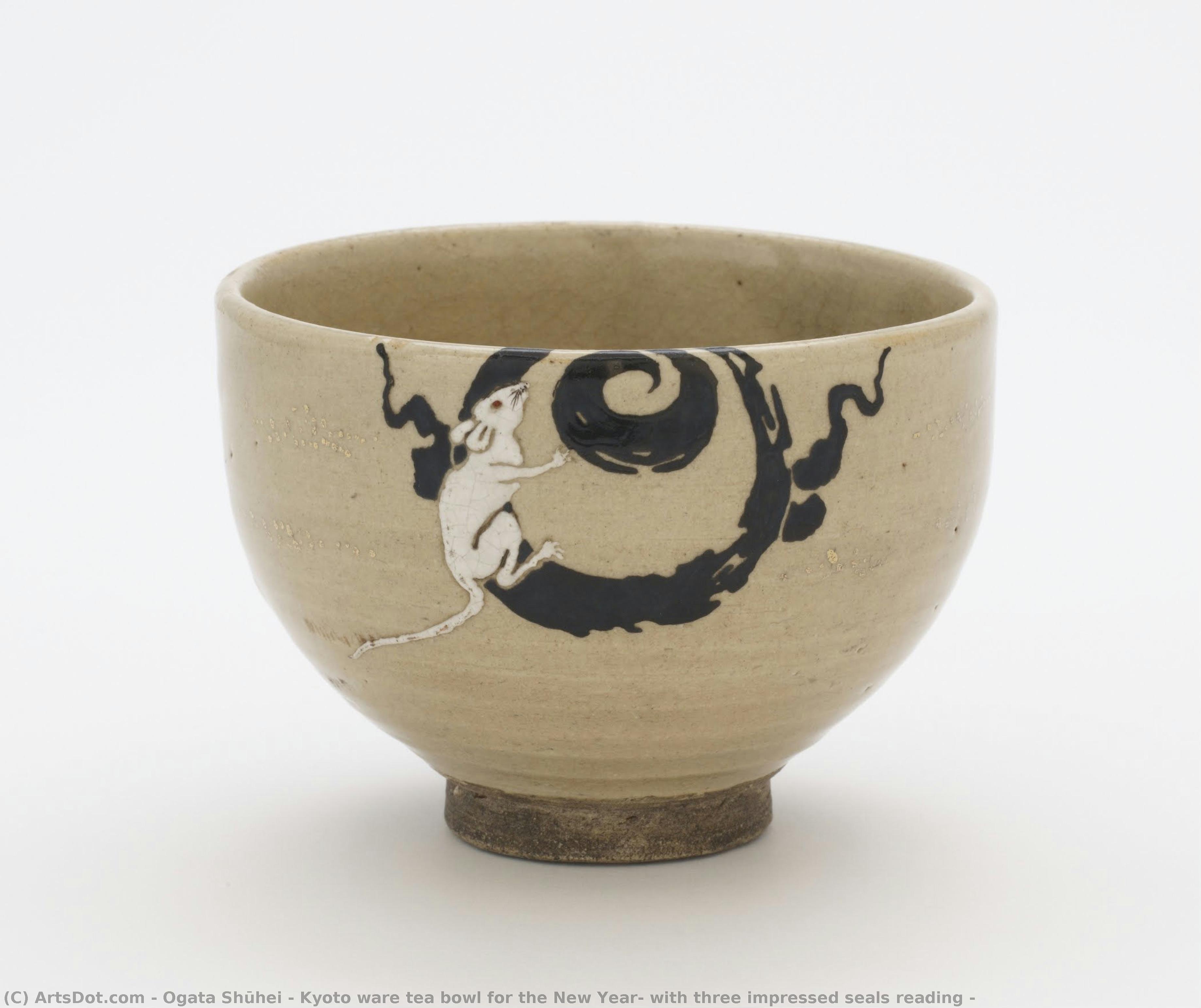
StatsKyoto ware tea bowl for the New Year, with three impressed seals reading


 詳細を見る
詳細を見る
オンラインプレビューをはるかに凌ぐ、高解像度で鮮明なデジタル画像をご購入いただけます。
各ファイルは、社内の専門家が高度なツールと熟練した手作業によるレタッチを用いて、細心の注意を払って準備されています。すべての画像において、卓越した鮮明度、正確な色彩再現性、そして繊細なディテールを保証いたします。
最終ファイルは、プロフェッショナルな編集・印刷環境ですぐにご利用いただけるよう最適化された状態で、72時間以内にメールにてお届けいたします。これは、一流のデザインスタジオ、出版社、ギャラリーから信頼されているものと同等の品質です。
デジタルアート
個人での鑑賞、印刷、クリエイティブなプロジェクト用に、高解像度ファイルをダウンロードできます。 ( Switch to Print 手描きの絵画を購入)
デジタル画像のご注文に付随する特典
高品質なデジタル画像配信を、確かな品質で。
ArtsDot.com を選ぶことは、単に画像を手に入れることではありません。それは、プロの手によって精密に仕上げられ、満足保証が付いた高品質なデジタルアートワークを受け取ることを意味します。ご注文いただいた際に自動的に付随する内容は、以下の通りです:

メールですぐにお届け
ご注文から72時間以内に、高解像度のデジタル画像ファイルがメールでお手元に届きます。すぐにそのままご利用いただけます。

AI技術で最適化されたデジタルファイル
お客様の作品は、高度なAIツールと専門家による手作業の編集を組み合わせてプロフェッショナルに最適化されており、細部のディテール、鮮明さ、そして正確な色再現性を最大限に引き出しています。

一生涯無料の再送サービス
ファイルを誤って削除したり、紛失してしまったりしましたか?ご安心ください。いつでも無料で再送いたします。

輸入手数料は一切かかりません
関税や手数料、配送料を気にすることなく、お気に入りのアートワークをすぐにお楽しみいただけます。デジタルダウンロードは常に免税です。

色彩再現の保証
プロ仕様のツールとカラーマネジメント技術を用いることで、デジタル画像が元の色を最大限に忠実に再現することを保証いたします。

100日間満足保証
ご購入いただいたデジタル画像にご満足いただけない場合は、100日以内であれば、理由を問わず修正または100%の返金対応をさせていただきます。

100% 返金保証
ご満足いただけない場合は、デジタルファイルを受け取ってから100日以内であれば、理由を問わず全額返金いたします。

まとめ買い割引
3枚購入で10%OFF - 5枚購入で15%OFF - 10枚以上購入で20%OFF。クリエイティブなプロジェクト、ギャラリー、エージェンシーに最適です。
A Whisper of Elegance: Decoding the Kyoto Ware Tea Bowl by Ogata Shūhei
Ogata Shūhei (1788-1839) stands as a monumental figure in the annals of Japanese ceramics, specifically celebrated for his transformative approach to *Kyoto ware*. His oeuvre transcends mere craftsmanship; it embodies a profound understanding of artistic expression and cultural significance. Produced around 1800, this tea bowl exemplifies Shūhei’s mastery—a harmonious fusion of tradition and innovation that continues to captivate collectors and inspire designers alike. The piece isn't simply beautiful to look upon; it speaks volumes about the aesthetic sensibilities of Edo-period Japan.The Artistry of Polychrome Decoration: Technique and Innovation
Shūhei’s genius resided in his pioneering use of polychrome overglaze decoration—a technique that elevated ceramic artistry far beyond its predecessors. Unlike earlier styles focused on monochrome hues, Shūhei skillfully applied vibrant pigments onto the fired clay surface, creating intricate patterns and motifs that shimmered with color. This method demanded meticulous planning and execution, requiring artisans to prepare a glaze base carefully calibrated to withstand subsequent layers of pigment application. The resulting surfaces possessed an unparalleled luminosity and depth—a testament to Shūhei’s dedication to pushing the boundaries of ceramic technique. Detailed observation reveals subtle gradations of tone and texture, demonstrating a mastery of glazing that remains remarkable even today.Symbolism Embedded in Form and Motif: A Reflection of New Year Traditions
The central image – a stylized mouse—holds significant symbolic resonance within Japanese culture, particularly during the New Year celebrations. Traditionally, mice represent prosperity and good fortune, symbolizing fertility and abundance as they navigate through cracks to emerge into the sunlight. The swirling patterns surrounding the mouse echo the dynamism of springtime blossoms and convey wishes for growth and renewal. These motifs are skillfully rendered in delicate brushstrokes against a muted earthy backdrop—a deliberate contrast that underscores the bowl’s understated elegance. The placement of the seals, meticulously impressed onto the glaze, further reinforces this connection to auspicious symbolism, signifying longevity and honor – values deeply cherished during the festive season.Historical Context: Shūhei's Place Within Edo Period Artistic Landscape
Ogata Shūhei flourished during the Edo period (1689-1868), a time characterized by relative peace and economic prosperity under Tokugawa rule. This stability fostered an environment conducive to artistic experimentation and refinement, allowing artists like Shūhei to develop distinctive styles that reflected the prevailing cultural values. Kyoto ware, as a whole, represented the pinnacle of decorative ceramics—a favored medium for aristocratic patronage and a symbol of refined taste. Shūhei’s work stands apart from his contemporaries due to its exceptional chromatic richness and sculptural form, establishing him as one of the foremost ceramicists of his era and securing his enduring legacy within Japanese art history.Emotional Resonance: Capturing Tranquility and Beauty
More than just an object of aesthetic pleasure, this Kyoto ware tea bowl embodies a profound sense of tranquility and beauty—qualities that resonate deeply with viewers even today. The subtle interplay of color and form invites contemplation, prompting us to appreciate the artistry of meticulous craftsmanship and the enduring power of symbolic imagery. Its understated elegance speaks to a desire for harmony and refinement – values that continue to inspire interior designers seeking pieces that elevate spaces with grace and sophistication. Owning a reproduction allows one to experience this timeless beauty firsthand.関連作品
作家の略歴
Ogata Shūhei: Master of Kyoto’s Polychrome Ceramics
Ogata Shūhei (1788-1839), born in Kyoto, Japan, stands as a pivotal figure in the history of Japanese ceramics, particularly renowned for his mastery of *Kyoto ware*. His career spanned nearly five decades, during which he elevated the art of polychrome overglaze decoration and refined shapes to unprecedented heights. Shūhei’s work represents a harmonious blend of traditional techniques and innovative artistic vision, securing his legacy as one of the most celebrated ceramicists of the Edo period. He was not merely a potter; he was an orchestrator of color and form, imbuing each piece with a sense of elegance, refinement, and subtle narrative.Early Life and Training: A Foundation in Tradition
Shūhei’s artistic journey began within a family steeped in the traditions of Japanese ceramics. While specific details regarding his early training remain somewhat elusive, it is understood that he was nurtured under the guidance of skilled artisans, absorbing the fundamental techniques of clay preparation, firing processes, and glazing methods. His lineage connected him to the esteemed Ogata Kenzan, a master potter whose influence undoubtedly shaped Shūhei’s artistic sensibilities. This connection provided access to established workshops and instilled within him a deep respect for the historical precedents of Kyoto ware – a style characterized by its understated beauty and meticulous craftsmanship. Early influences likely included the aesthetic principles of *wabi-sabi*, emphasizing imperfection, simplicity, and the appreciation of natural materials.The Art of Polychrome Overglaze: A Signature Style
Shūhei’s most distinctive contribution to Japanese ceramics lies in his innovative use of polychrome overglazes. Unlike earlier techniques that relied on underglaze colors, Shūhei skillfully applied layers of brilliantly colored enamels *after* the ceramic had been fired and glazed. This method allowed for an astonishing depth and vibrancy of color, creating intricate patterns and scenes that shimmered with life. His palette was remarkably diverse, encompassing shades of red, green, blue, yellow, and gold – often combined in unexpected and captivating ways. The meticulous application of these overglazes demanded exceptional skill and patience, a testament to Shūhei’s dedication and artistic control. The technique itself involved carefully controlling the firing temperature to ensure proper adhesion and prevent cracking or blistering of the enamel layers.Notable Works and Artistic Themes
Shūhei's oeuvre is characterized by a remarkable range of subjects, reflecting both traditional motifs and subtle personal expressions. He produced an extensive collection of *Kyoto ware* tea bowls, vases, and other decorative objects, each imbued with a unique character. A particularly celebrated piece is the “Kyoto Ware Tea Bowl for the New Year, with Three Impressed Seals Reading ‘Shuhei’,” currently held in the collection of the National Museum of Asian Art (NMAA). This bowl exemplifies his mastery of form and color, featuring a bold rat embracing a flaming jewel – a symbol of prosperity and good fortune associated with the Lunar New Year. Other notable works include intricately decorated vases depicting scenes from nature, such as birds, flowers, and landscapes, often rendered in delicate, stylized forms. His work also frequently incorporated auspicious symbols and motifs, reflecting his understanding of Japanese cultural values and beliefs. The Metropolitan Museum of Art holds a Sencha Teapot (Kyūsu) with Chinese Children Engaged in Literati Activities by Shūhei, showcasing his ability to integrate foreign artistic influences into his distinctive style.Legacy and Historical Significance
Ogata Shūhei’s influence on the development of Japanese ceramics is profound. He elevated *Kyoto ware* to new heights of artistry, establishing a standard for polychrome decoration that would be emulated by subsequent generations of potters. His refined shapes, vibrant colors, and intricate designs continue to captivate collectors and art enthusiasts worldwide. His work is exhibited in prestigious museums such as the Metropolitan Museum of Art in New York, solidifying his place among the most important figures in Japanese ceramic history. Shūhei’s legacy extends beyond individual works; he represents a pivotal moment in the evolution of Japanese aesthetics, demonstrating the power of tradition combined with artistic innovation. His dedication to meticulous craftsmanship and his profound understanding of color and form ensure that his art will continue to inspire and delight for centuries to come.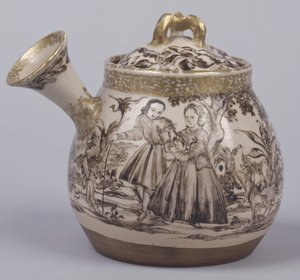
ogata shūhei
1788 - 1839 , Japan
プロフィール概要
- Artistic Movement Or Style: Kyoto ware
- Date Of Birth: 1788
- Date Of Death: 1839
- Full Name: Ogata Shūhei
- Nationality: Japanese
- Notable Artworks:
- Kyoto ware tea bowl
- Tea bowls and vases
- Place Of Birth: Kyoto, Japan