

 プリントを購入
 シェアする
シェアする シェアする
シェアする
 詳細を見る
詳細を見る

 ダウンロード
 似ている作品
 スライドショー
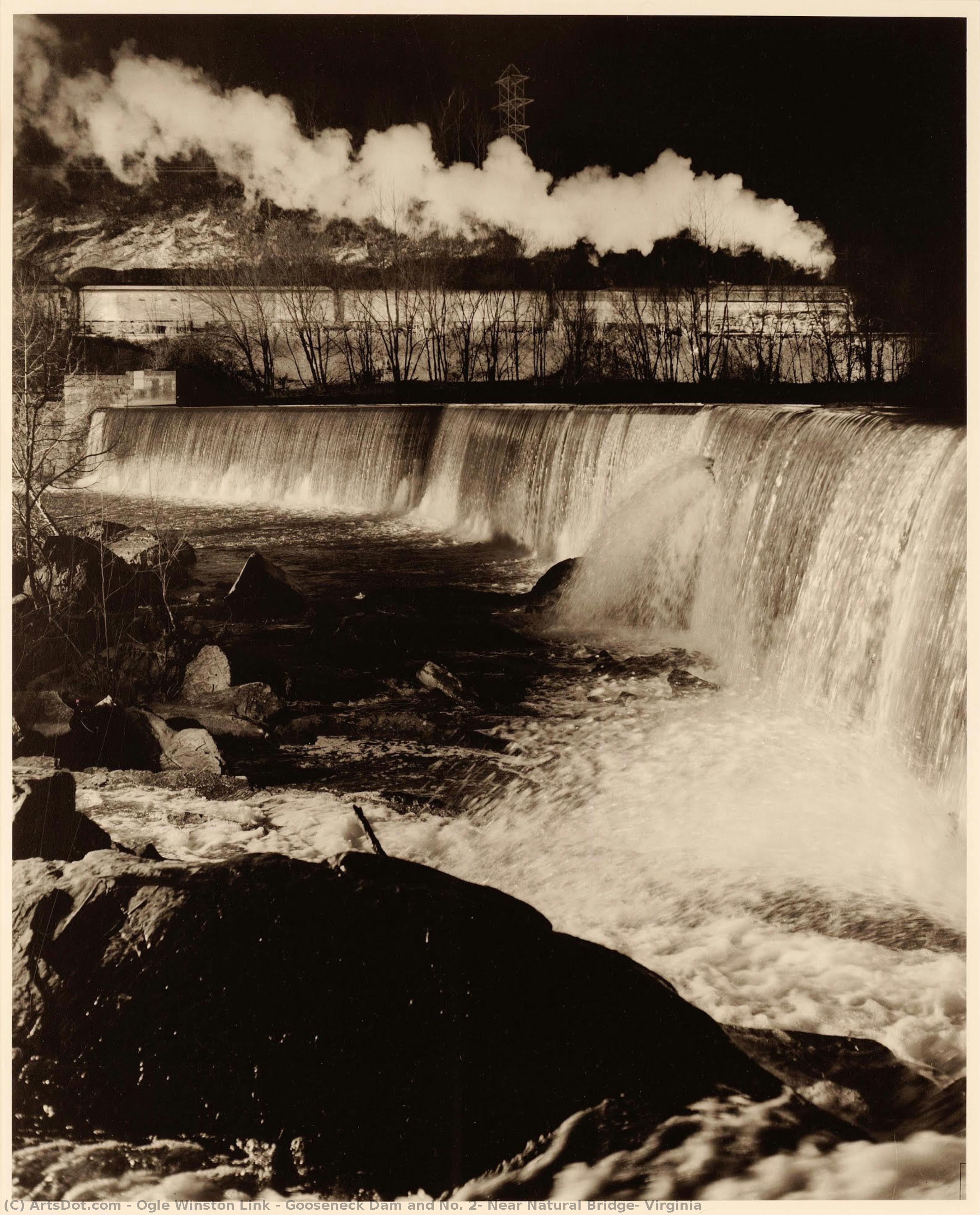
Gooseneck Dam and No. 2, Near Natural Bridge, Virginia


 詳細を見る
詳細を見る
オンラインプレビューをはるかに凌ぐ、高解像度で鮮明なデジタル画像をご購入いただけます。
各ファイルは、社内の専門家が高度なツールと熟練した手作業によるレタッチを用いて、細心の注意を払って準備されています。すべての画像において、卓越した鮮明度、正確な色彩再現性、そして繊細なディテールを保証いたします。
最終ファイルは、プロフェッショナルな編集・印刷環境ですぐにご利用いただけるよう最適化された状態で、72時間以内にメールにてお届けいたします。これは、一流のデザインスタジオ、出版社、ギャラリーから信頼されているものと同等の品質です。
デジタル画像のご注文に付随する特典
高品質なデジタル画像配信を、確かな品質で。
ArtsDot.com を選ぶことは、単に画像を手に入れることではありません。それは、プロの手によって精密に仕上げられ、満足保証が付いた高品質なデジタルアートワークを受け取ることを意味します。ご注文いただいた際に自動的に付随する内容は、以下の通りです:

メールですぐにお届け
ご注文から72時間以内に、高解像度のデジタル画像ファイルがメールでお手元に届きます。すぐにそのままご利用いただけます。

AI技術で最適化されたデジタルファイル
お客様の作品は、高度なAIツールと専門家による手作業の編集を組み合わせてプロフェッショナルに最適化されており、細部のディテール、鮮明さ、そして正確な色再現性を最大限に引き出しています。

一生涯無料の再送サービス
ファイルを誤って削除したり、紛失してしまったりしましたか?ご安心ください。いつでも無料で再送いたします。

輸入手数料は一切かかりません
関税や手数料、配送料を気にすることなく、お気に入りのアートワークをすぐにお楽しみいただけます。デジタルダウンロードは常に免税です。

色彩再現の保証
プロ仕様のツールとカラーマネジメント技術を用いることで、デジタル画像が元の色を最大限に忠実に再現することを保証いたします。

60日間満足保証
ご購入いただいたデジタル画像にご満足いただけない場合は、60日以内であれば、修正または100%の返金(理由を問う必要はありません)をさせていただきます。

100% 返金保証
ご満足いただけない場合は、デジタルファイルを受け取ってから60日以内であれば、理由を問わず全額返金いたします。

まとめ買い割引
3枚購入で10%OFF - 5枚購入で15%OFF - 10枚以上購入で20%OFF。クリエイティブなプロジェクト、ギャラリー、エージェンシーに最適です。
作品の詳細
A Moment Frozen in Monochrome: The Majesty of the Rails
In this evocative black and white photograph, titled Gooseneck Dam and No. 2, Near Natural Bridge, Virginia, the viewer is transported to a vanished era of industrial grace and rugged American landscapes. Captured in 1956 by the legendary photographer Ogle Winston Link, the image presents a breathtaking convergence of man-made engineering and the untamed power of nature. A locomotive, heavy with the weight of history, winds its way through a mountainous terrain, tracing tracks that hug the edge of a rushing river. The composition is anchored by the dramatic presence of a waterfall in the background, where the water cascades with a silent, silver intensity, mirroring the movement of the train itself. This is not merely a documentation of machinery; it is a poetic study of motion and stillness, where the rhythmic pulse of the steam engine meets the eternal flow of the natural world.
The artistry of Link lies in his masterful command of light and shadow, a technique that breathes life into the monochromatic palette. Through his lens, the textures of the scene are rendered with profound clarity—from the metallic sheen of the train cars to the misty, ethereal spray of the falls and the rugged, weathered surfaces of the surrounding cliffs. The presence of figures scattered along the tracks adds a layer of human narrative, suggesting a shared moment of awe or perhaps the diligent labor required to maintain these vital arteries of commerce. These onlookers serve as our proxies, inviting us to step into this historical tableau and feel the vibration of the tracks beneath our feet.
For the discerning collector or interior designer, this piece offers much more than a nostalgic glimpse into the mid-century American landscape. It serves as a sophisticated focal point that brings a sense of timelessness and structural elegance to any space. The stark contrast and deep tonal range of Link’s photography provide a dramatic tension that complements both minimalist modern interiors and more traditional, classic settings. As an artwork, it symbolizes the enduring spirit of exploration and the complex relationship between human progress and environmental preservation.
Owning a high-quality reproduction of this masterpiece allows one to preserve the haunting beauty of the steam era within a contemporary home. It is an invitation to contemplate the passage of time and the grandeur of the American wilderness. Whether placed in a quiet study or as a commanding statement in a grand living area, Gooseneck Dam and No. 2 continues to stir the soul, offering a window into a world where every shadow tells a story and every frame is a testament to the enduring power of the photographic medium.
関連作品
作家の略歴
Marc Chagall: A Life Painted in Dreams
Born Moishe Chagall in Vitebsk, Belarus, on July 7, 1887, Marc Chagall’s life was a vibrant tapestry woven from the threads of Russian Jewish heritage, Parisian artistic innovation, and deeply personal emotion. His early years were steeped in the traditions of his family – a herring merchant father and a mother who instilled in him a love for literature and music. Despite limited formal education, Chagall's innate talent blossomed through informal instruction by local artists, setting the stage for a career that would profoundly impact the art world.
Chagall’s artistic journey began in Saint Petersburg, where he enrolled in several academies but quickly found himself drawn to the burgeoning avant-garde scene. It was here, encountering the works of Fauvism and Cubism, that he embraced a radical shift in his style – a move towards brighter colors and fragmented forms, reflecting the dynamism of modern life. He moved to Paris in 1911, immersing himself in the vibrant atmosphere of Montparnasse, where he encountered fellow artists like Léger, Soutine, and Apollinaire, absorbing their influences while forging his own distinctive voice.
The First World War dramatically altered Chagall’s life. With the outbreak of hostilities, he returned to Vitebsk, only to find himself embroiled in political turmoil and ultimately exiled from Russia. This period marked a turning point, leading him to settle in Paris and later, in 1923, to settle permanently in Nice, France. During this time, his work became increasingly introspective, exploring themes of memory, faith, and the complexities of human relationships. His paintings began to incorporate elements of Russian folklore and Jewish mysticism, creating a uniquely personal visual language.
The Early Years: Roots in Russia and Parisian Influence
Chagall’s formative years were deeply rooted in his Belarusian heritage. The vibrant colors, folk traditions, and religious symbolism of his childhood profoundly shaped his artistic vision. His early works often depicted scenes from Russian peasant life – simple, honest depictions of rural existence imbued with a sense of nostalgia and longing. These paintings, characterized by bold outlines and luminous hues, established a distinctive style that would become instantly recognizable.
However, Chagall’s exposure to Parisian art during his time in Saint Petersburg proved transformative. He was captivated by the Fauvist movement's emphasis on color and emotion, as well as the Cubist exploration of form and perspective. These influences led him to experiment with new techniques and approaches, gradually moving away from the more realistic depictions of his early work towards a more expressive and symbolic style.
His time in Paris was also marked by intense social interaction within the artistic community. He befriended prominent figures such as Max Jacob, André Salmon, and Guillaume Apollinaire, engaging in intellectual discussions and exchanging ideas that further fueled his creative development. These encounters broadened his horizons and exposed him to a wider range of artistic perspectives.
The “Russian Years” (1915-1922): A Return to Memory and Faith
Following the outbreak of World War I, Chagall returned to Vitebsk, only to find himself caught in the upheaval of the Russian Revolution. His attempts to contribute to the new Soviet government were met with suspicion and ultimately led to his exile. This period marked a significant shift in his artistic focus, as he turned inward to explore themes of memory, loss, and faith – deeply personal subjects rooted in his Jewish heritage.
During this time, Chagall produced some of his most emotionally resonant works, including *I and the Village* (1915), a poignant depiction of his childhood home, and *The Fiddler* (1916), a powerful evocation of Russian folk culture. These paintings are characterized by their dreamlike quality, fragmented forms, and symbolic imagery – reflecting Chagall’s desire to capture the essence of his past.
Despite facing political challenges and personal hardships, Chagall continued to exhibit his work in Moscow and Saint Petersburg, maintaining connections with leading intellectuals and artists. His commitment to artistic expression remained unwavering, even amidst the turmoil of revolutionary Russia.
Mature Style & Legacy (1923-2001): A Universal Language
Chagall’s move to Nice in 1923 marked a new chapter in his career. The warm Mediterranean climate and the vibrant artistic community provided an ideal environment for him to develop his mature style. During this period, he experimented with new techniques and materials, incorporating elements of Surrealism and exploring themes of love, marriage, and family.
His later works are characterized by their fantastical imagery, bold colors, and dynamic compositions. He continued to draw inspiration from Russian folklore, Jewish mysticism, and his personal experiences, creating a visual language that was both deeply rooted in his past and universally resonant. Chagall’s paintings often depict scenes of everyday life – couples dancing, children playing, religious figures – rendered with a sense of joy, wonder, and profound emotion.
Marc Chagall died on March 28, 2001, leaving behind an extraordinary body of work that continues to captivate audiences around the world. His unique artistic vision—a blend of personal memory, cultural heritage, and emotional intensity—solidifies his place as one of the most important artists of the 20th century.
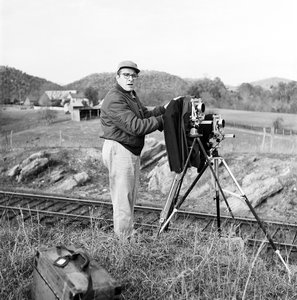
ogle winston link
1914 - 2001

