

 プリントを購入
 シェアする
シェアする シェアする
シェアする
 詳細を見る
詳細を見る

 ダウンロード
 似ている作品
 スライドショー
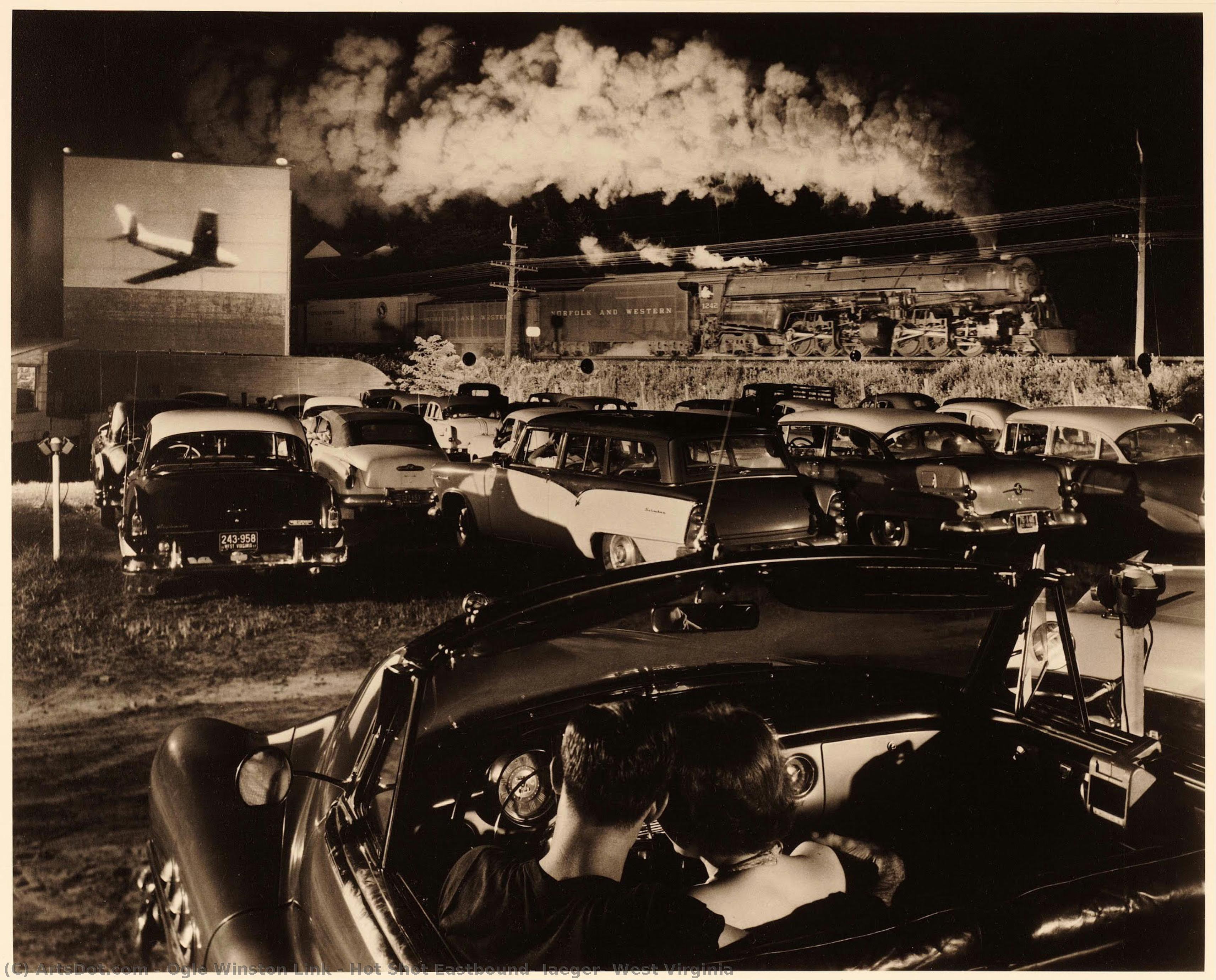
Hot Shot Eastbound, Iaeger, West Virginia


 詳細を見る
詳細を見る




































作品のオリジナル比率に合わせた、当店の規定サイズからお選びください。

特定のフレームやスペースに合わせて、ご希望のサイズをご入力いただけます。選択されたサイズが元の画像の比率と異なる場合、アートワークをトリミングするか、手描きで要素を追加して絵画を拡張いたします。デジタルモックアップ を制作し、制作開始前にご確認(承認)をいただきます。
画面上のプレビューは、実際のトリミングや拡張を正確に反映しているものではありません。最終的な構図は、モックアップによってのみ正確にご確認いただけます。
カスタムサイズもご利用いただけますが、元の比率を維持するためには、あらかじめ用意されたリストからサイズを選択することをお勧めいたします。
ご注文後、ArtsDot.com チームより詳細な指示をお送りするとともに、仕上がりイメージ(モックアップ)をご提供いたします。


 ガラスオプションは、110cm未満のサイズでのみご利用いただけます。

Hot Shot Eastbound, Iaeger, West Virginia
複製技法
複製画のサイズ
-


合計金額
$ 288
作品解説
A Midnight Symphony in Silver and Shadow
In the quiet, moonlit expanse of West Virginia, 1956, Ogle Winston Link captured more than just a moment; he froze a heartbeat of American history. Hot Shot Eastbound, Iaeger, West Virginia is a breathtaking masterwork of black-and-white photography that transports the viewer into the luminous, nocturnal world of mid-century leisure. The scene unfolds at a drive-in movie theater, where the darkness of the night is pierced by dramatic, high-contrast lighting. In the foreground, a couple sits nestled within the curves of a classic convertible, bathed in a bright, cinematic spotlight that renders them as the protagonists of their own private drama. This intentional use of light creates an intimate stage, pulling the viewer into a shared moment of romance and quiet observation amidst the vastness of the night.
Beyond this intimate foreground, the composition expands into a complex, layered tapestry of mid-century life. The middle ground teems with the silhouettes of parked cars and the subtle movements of people, all part of a larger social ritual. Above this terrestrial gathering, the sky becomes a theater of motion, featuring an airplane gliding through the darkness and a steam train trailing its ghostly plumes. This layering of elements—the car, the plane, and the locomotive—creates a profound sense of depth and kinetic energy. Link’s ability to balance these disparate planes of focus ensures that while the eye is drawn to the central couple, it is never permitted to rest, constantly wandering through the textures of grain, steam, and shadow that define this iconic era.
The Art of the Night: Technique and Nostalgia
As a pioneer of night photography, Link utilized the traditional silver gelatin process to achieve a tonal range that feels almost tactile. The grainy texture inherent in the film of the 1950s adds a layer of atmospheric grit, lending the image an authentic, documentary-style realism. There is a rhythmic quality to the composition, where horizontal lines of automobiles and structures are punctuated by the vertical ascent of the airplane, creating a structured yet dynamic visual flow. The stark contrast between the deep, velvety blacks and the brilliant, blown-out highlights serves not only to define form but to evoke a powerful sense of nostalgia.
For the collector or interior designer, this piece offers much more than mere decoration; it provides an emotional anchor. It symbolizes a vanished era of simplicity, where mass entertainment and communal experiences were centered around the shared magic of the silver screen and the rhythmic pulse of the railroad. To hang a reproduction of this work is to invite a sense of timelessness and cinematic grandeur into a space. It serves as a conversation piece that celebrates the beauty found in the shadows, making it an exquisite choice for those looking to add depth, history, and a touch of mid-century soul to a sophisticated modern interior.
関連作品

関連記事

White on Canvas: 10 Masterpieces & Timeless Elegance for Your Home Decor
Explore 10 iconic white paintings by Monet, Whistler & Rothko! Discover the stories behind these serene masterpieces and their impact on art history. Find museum-quality reproductions for your home decor at .

Dark Masterpieces: 10 Iconic Paintings Dominated by Black Tones |
Explore 10 iconic paintings dominated by black tones, from Rembrandt’s chiaroscuro to Goya's dark expressions. Discover the stories behind these masterpieces & find museum-quality art reproductions for your home at .

Monochrome Visions: Exploring the Aesthetic & Historical Significance of Black & White Photography
Explore the rich history & artistic power of black and white photography. From early techniques to iconic masters like Ansel Adams, discover why monochrome continues to captivate art lovers today. Expert insights for collectors.
白黒の静寂:写真から生まれる古典絵画の世界 - ミニマリズムと光の芸術 | ArtsDot
ArtsDotで、思い出の写真を感動的な絵画に。熟練のアーティストが手作業で古典絵画のような美を再現します。高品質な油絵レプリカやカスタム肖像画で、あなたの空間を芸術的に彩りませんか?無料アート相談も実施中。

The Subtleties of White: Exploring Absence, Light & Symbolism in Art History
Explore the profound symbolism & history of white in art! From ancient purity to modern abstraction, discover how artists have used absence & light. Expert insights from ArtsDot.

