

 プリントを購入
 シェアする
シェアする シェアする
シェアする
 詳細を見る
詳細を見る

 ダウンロード
 似ている作品
 スライドショー
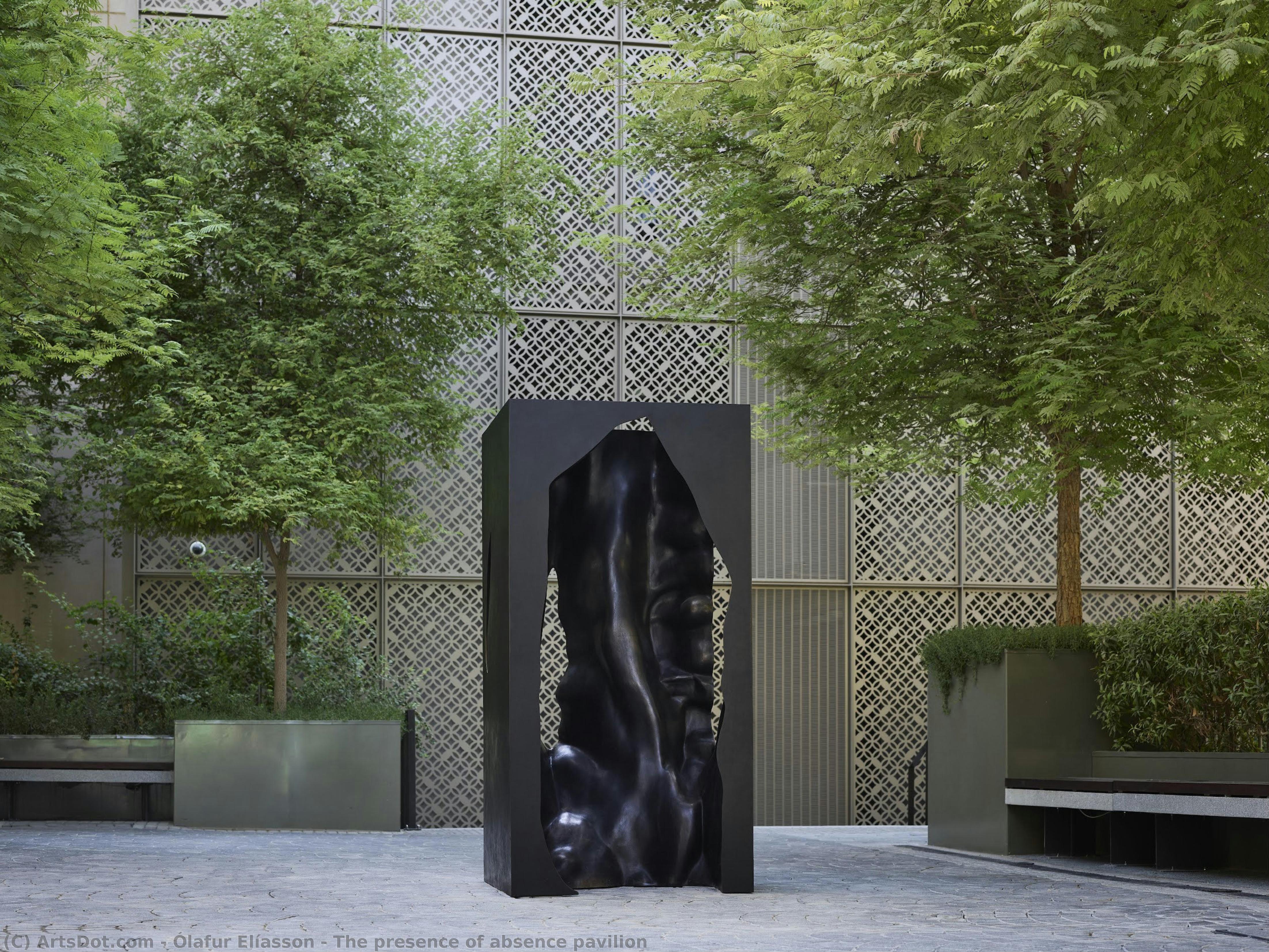
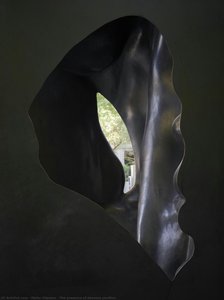
The presence of absence pavilion
 Sculpture Bronze
- Contemporary
 200.0 x 100.0 cm
 Expo 2020 Dubai
 詳細を見る
詳細を見る
オンラインプレビューをはるかに凌ぐ、高解像度で鮮明なデジタル画像をご購入いただけます。
各ファイルは、社内の専門家が高度なツールと熟練した手作業によるレタッチを用いて、細心の注意を払って準備されています。すべての画像において、卓越した鮮明度、正確な色彩再現性、そして繊細なディテールを保証いたします。
最終ファイルは、プロフェッショナルな編集・印刷環境ですぐにご利用いただけるよう最適化された状態で、72時間以内にメールにてお届けいたします。これは、一流のデザインスタジオ、出版社、ギャラリーから信頼されているものと同等の品質です。
デジタル画像のご注文に付随する特典
高品質なデジタル画像配信を、確かな品質で。
ArtsDot.com を選ぶことは、単に画像を手に入れることではありません。それは、プロの手によって精密に仕上げられ、満足保証が付いた高品質なデジタルアートワークを受け取ることを意味します。ご注文いただいた際に自動的に付随する内容は、以下の通りです:

メールですぐにお届け
ご注文から72時間以内に、高解像度のデジタル画像ファイルがメールでお手元に届きます。すぐにそのままご利用いただけます。

AI技術で最適化されたデジタルファイル
お客様の作品は、高度なAIツールと専門家による手作業の編集を組み合わせてプロフェッショナルに最適化されており、細部のディテール、鮮明さ、そして正確な色再現性を最大限に引き出しています。

一生涯無料の再送サービス
ファイルを誤って削除したり、紛失してしまったりしましたか?ご安心ください。いつでも無料で再送いたします。

輸入手数料は一切かかりません
関税や手数料、配送料を気にすることなく、お気に入りのアートワークをすぐにお楽しみいただけます。デジタルダウンロードは常に免税です。

色彩再現の保証
プロ仕様のツールとカラーマネジメント技術を用いることで、デジタル画像が元の色を最大限に忠実に再現することを保証いたします。

100日間満足保証
ご購入いただいたデジタル画像にご満足いただけない場合は、100日以内であれば、理由を問わず修正または100%の返金対応をさせていただきます。

100% 返金保証
ご満足いただけない場合は、デジタルファイルを受け取ってから100日以内であれば、理由を問わず全額返金いたします。

まとめ買い割引
3枚購入で10%OFF - 5枚購入で15%OFF - 10枚以上購入で20%OFF。クリエイティブなプロジェクト、ギャラリー、エージェンシーに最適です。
A Dialogue Between Void and Light: Examining Olafur Eliasson’s “The Presence of Absence Pavilion”
Olafur Eliasson's "The presence of absence pavilion" stands as a testament to the artist’s profound exploration of perception and his masterful manipulation of natural elements within architectural space. Constructed from bronze, this sculpture isn’t merely an object; it’s an invitation to contemplate the elusive relationship between visibility and obscurity—a concept central to Eliasson's artistic philosophy rooted in phenomenology and Gestalt psychology. The installation, situated within a courtyard setting, immediately establishes a striking contrast: the dark, monolithic pavilion juxtaposed against the vibrant greenery of surrounding trees. This deliberate pairing speaks volumes about Eliasson’s preoccupation with how our senses interpret reality, prompting viewers to consider what is seen versus what remains unseen.- Material and Technique: Crafted from bronze—a material known for its durability and ability to retain detail—the pavilion's surface reflects the dappled sunlight filtering through foliage. The artist’s meticulous attention to texture contributes significantly to the overall experience, mirroring the rough bark of the trees and highlighting the geometric pattern adorning the courtyard wall. Digital photography was employed to capture this scene with exceptional clarity, ensuring that every nuance of light and shadow is faithfully reproduced.
- Spatial Composition: The pavilion’s placement within the courtyard creates a layered visual narrative. Foreground trees provide depth, while the pavilion itself dominates the middle ground, anchoring the composition. The textured wall serves as a backdrop, reinforcing the sense of spatial enclosure and inviting contemplation. Eliasson's collaboration with architect Einar Thorsteinn further solidified his commitment to geometric forms and innovative architectural designs.
- Symbolism & Context: The sculpture’s dark form symbolizes absence, representing potential or unrealized possibilities. Conversely, the sunlight embodies presence—the tangible reality of illumination and warmth. Eliasson's exploration aligns with broader artistic trends questioning established perspectives on visual experience during the late 20th century.
関連作品


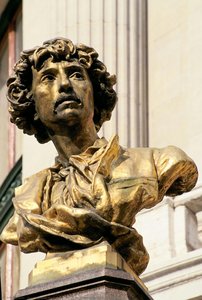
作家の略歴
Ólafur Elíasson: A Biography
Early Life and Education
- Born in Copenhagen, Denmark in 1967 to Icelandic parents, Elías Hjörleifsson and Ingibjörg Olafsdottir.
- Spent formative years navigating dual cultural identities – Danish and Icelandic.
- Showed early artistic promise with his first solo exhibition at age 15.
- Studied at the Royal Danish Academy of Fine Arts from 1989 to 1995, a period crucial for developing his conceptual approach.
Artistic Development and Influences
- Elíasson’s work evolved from early landscape drawings to large-scale installations exploring perception, light, and natural phenomena.
- Influenced by phenomenology and Gestalt psychology, focusing on how viewers experience space and reality.
- Collaboration with architect Einar Thorsteinn significantly impacted his geometric works and spatial designs.
- Inspired by artists like Robert Irwin and James Turrell who also manipulate perception through light and space.
Key Themes and Artistic Style
- Central themes include the relationship between humans and nature, artificial versus natural environments, and the subjective experience of reality.
- His style is characterized by large-scale installations that often incorporate elemental materials like light, water, air temperature, and mirrors.
- Immersive experiences are a hallmark of his work, inviting viewers to actively participate in and question their surroundings.
- Frequently blends art with scientific inquiry, exploring concepts from physics, optics, and meteorology.
Major Achievements and Notable Works
- Represented Denmark at the 50th Venice Biennale in 2003, gaining international recognition.
- “The Weather Project” (2003) at Tate Modern’s Turbine Hall – a monumental installation creating an artificial sun and sky, becoming one of his most iconic works.
- Designed the Serpentine Gallery Pavilion in 2007, showcasing innovative architectural design.
- Created “New York City Waterfalls” (2008), transforming Manhattan’s waterfront with cascading waterfalls.
- Co-founded Studio Other Spaces with Sebastian Behmann, expanding his practice into architecture and urban interventions.
- Designed the Harpa Concert Hall in Reykjavik, Iceland – a stunning architectural landmark.
Historical Significance and Legacy
- Elíasson is considered one of the most influential contemporary artists working today.
- His work challenges traditional notions of art by blurring boundaries between disciplines—art, science, architecture, and environmentalism.
- He has sparked important conversations about climate change, sustainability, and our relationship with the natural world.
- Continues to push the boundaries of artistic practice through innovative installations, architectural projects, and public interventions.
- Currently a professor at the Berlin University of the Arts, nurturing future generations of artists and thinkers.
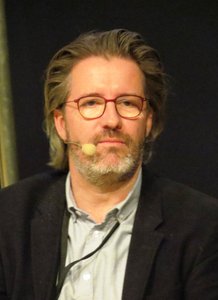
ólafur elíasson
1967 - , Denmark
プロフィール概要
- Birth Date: 1967-02-05
- Birth Place: Copenhagen, Denmark
- Movement:
- Installation Art
- Contemporary Art
- Environmental Art
- Name: Ólafur Elíasson
- Nationality:
- Danish
- Icelandic
- Notable Works:
- The Weather Project
- Serpentine Gallery Pavilion 2007
- New York City Waterfalls
- The Presence of Absence Pavilion