

 プレビュー
プレビュー
 シェアする
シェアする シェアする
シェアする
 詳細を見る
詳細を見る

 ダウンロード
 似ている作品
 X線調査
X線調査 スライドショー
 Stats
StatsStreet on Podil


 詳細を見る
詳細を見る
オンラインプレビューをはるかに凌ぐ、高解像度で鮮明なデジタル画像をご購入いただけます。
各ファイルは、社内の専門家が高度なツールと熟練した手作業によるレタッチを用いて、細心の注意を払って準備されています。すべての画像において、卓越した鮮明度、正確な色彩再現性、そして繊細なディテールを保証いたします。
最終ファイルは、プロフェッショナルな編集・印刷環境ですぐにご利用いただけるよう最適化された状態で、72時間以内にメールにてお届けいたします。これは、一流のデザインスタジオ、出版社、ギャラリーから信頼されているものと同等の品質です。
デジタルアート
個人での鑑賞、印刷、クリエイティブなプロジェクト用に、高解像度ファイルをダウンロードできます。 ( Switch to Print 手描きの絵画を購入)
デジタル画像のご注文に付随する特典
高品質なデジタル画像配信を、確かな品質で。
ArtsDot.com を選ぶことは、単に画像を手に入れることではありません。それは、プロの手によって精密に仕上げられ、満足保証が付いた高品質なデジタルアートワークを受け取ることを意味します。ご注文いただいた際に自動的に付随する内容は、以下の通りです:

メールですぐにお届け
ご注文から72時間以内に、高解像度のデジタル画像ファイルがメールでお手元に届きます。すぐにそのままご利用いただけます。

AI技術で最適化されたデジタルファイル
お客様の作品は、高度なAIツールと専門家による手作業の編集を組み合わせてプロフェッショナルに最適化されており、細部のディテール、鮮明さ、そして正確な色再現性を最大限に引き出しています。

一生涯無料の再送サービス
ファイルを誤って削除したり、紛失してしまったりしましたか?ご安心ください。いつでも無料で再送いたします。

輸入手数料は一切かかりません
関税や手数料、配送料を気にすることなく、お気に入りのアートワークをすぐにお楽しみいただけます。デジタルダウンロードは常に免税です。

色彩再現の保証
プロ仕様のツールとカラーマネジメント技術を用いることで、デジタル画像が元の色を最大限に忠実に再現することを保証いたします。

100日間満足保証
ご購入いただいたデジタル画像にご満足いただけない場合は、100日以内であれば、理由を問わず修正または100%の返金対応をさせていただきます。

100% 返金保証
ご満足いただけない場合は、デジタルファイルを受け取ってから100日以内であれば、理由を問わず全額返金いたします。

まとめ買い割引
3枚購入で10%OFF - 5枚購入で15%OFF - 10枚以上購入で20%OFF。クリエイティブなプロジェクト、ギャラリー、エージェンシーに最適です。
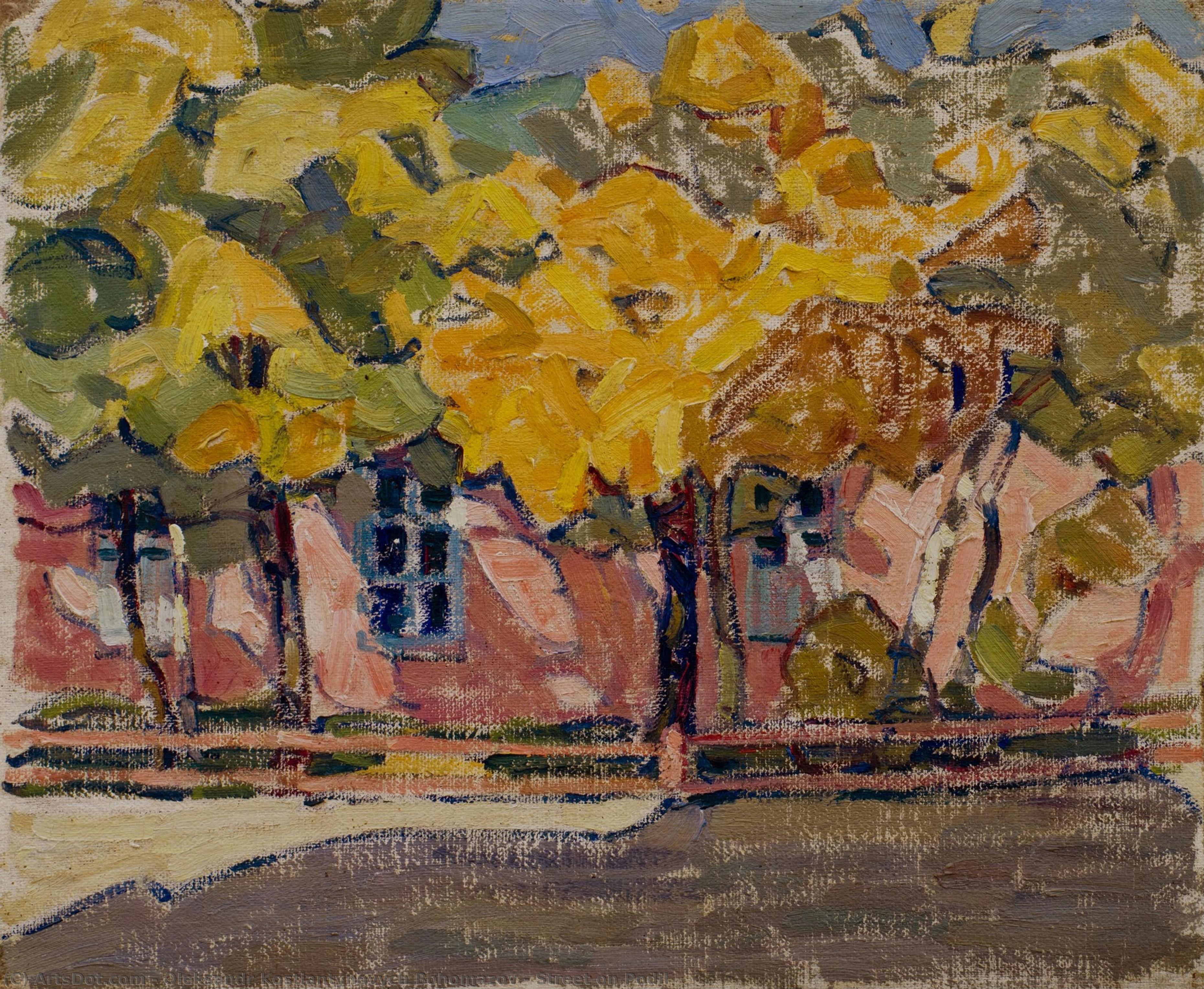
A Golden Afternoon in Kyiv: The Vibrancy of Street on Podil
In the heart of 1912, the bustling streets of Podil were captured not merely as a geographical location, but as a living, breathing organism through the visionary eyes of Oleksandr Kostiantynovych Bohomazov. Street on Podil serves as a breathtaking window into a bygone era, where the rhythmic pulse of urban life meets the quiet majesty of nature. The canvas is bathed in the warm, amber glow of autumn, with trees adorned in brilliant yellow leaves that seem to flicker like candlelight against the sky. This interplay of light and color creates a sense of temporal magic, inviting the viewer to step into a moment where time feels suspended amidst the gentle movement of passersby and the playful presence of dogs wandering the sidewalk.
The composition is a masterclass in creating depth and dimension. Bohomazov utilizes the natural architecture of the tree-lined street to guide the eye through the scene, leading the observer from the immediate foreground into the hazy, atmospheric distance. This technique does more than just replicate a physical space; it builds an immersive environment where the viewer feels the cool autumn air and hears the distant murmur of the city. The figures scattered along the path—some solitary, some in small groups—provide a human scale to the grandeur of the landscape, grounding the avant-garde sensibilities of the artist in the relatable, everyday beauty of communal life.
The Avant-Garde Spirit: Technique and Emotional Resonance
As a pioneer of the Ukrainian avant-garde, Bohomazov brings a sophisticated level of theoretical depth to this work. While the subject matter appears tranquil, the brushwork hints at the emerging Cubo-Futurist and Spectralist influences that would define his career. There is a deliberate energy in how the colors are applied, creating a texture that feels both tactile and ethereal. The vibrant yellows and earthy tones are not merely descriptive; they are emotive, designed to evoke the bittersweet nostalgia of a changing season. For the collector or interior designer, this piece offers a profound emotional anchor, providing a sophisticated palette of gold and ochre that can breathe warmth and historical character into any curated space.
To possess a reproduction of Street on Podil is to hold a fragment of art history’s most transformative period. It is an invitation to celebrate the intersection of urban progress and natural splendor. Whether placed in a sunlit gallery or as a focal point in a modern living room, the painting acts as a conversation starter—a testament to the enduring power of light, movement, and the human spirit captured in a single, golden moment of 1912.
関連作品
作家の略歴
Vincent van Gogh: A Life Painted in Bold Emotion
Vincent van Gogh, a name synonymous with passionate brushstrokes and intensely colored landscapes, remains one of the most recognizable figures in art history. Born in 1853 in Groot-Zundert, Netherlands, his life was tragically short – just seventeen years – yet within that brief span, he produced over two thousand works, leaving behind an extraordinary legacy that continues to resonate with audiences worldwide. More than simply a painter, Van Gogh was a man consumed by his art, driven by a profound need to capture the world around him and, perhaps more importantly, the turbulent emotions within himself.
Van Gogh’s early life offered little indication of the artistic genius he would become. He worked as an art dealer, a missionary, and even briefly as a teacher – roles that provided limited fulfillment. It wasn't until his late twenties, however, that he finally dedicated himself to painting, initially influenced by the Barbizon School artists who favored depicting rural life with earthy tones and realistic detail. His early works, particularly those created in Nuenen (1883-1885), such as *The Potato Eaters*, demonstrate this influence – a gritty portrayal of peasant farmers reflecting Van Gogh’s desire to connect with the working class and capture their honest existence. These paintings, characterized by dark palettes and thick impasto, foreshadowed his later stylistic developments.
Parisian Transformation: Embracing Impressionism and Beyond
A pivotal moment in Van Gogh's artistic journey arrived in 1886 when he moved to Paris. This relocation proved transformative, exposing him to the vibrant world of Parisian art and dramatically altering his style. He encountered the works of Impressionists like Claude Monet and Pierre-Auguste Renoir, absorbing their techniques of capturing fleeting moments of light and color. However, Van Gogh didn’t simply imitate; he pushed these influences further, experimenting with brighter palettes, looser brushstrokes, and a greater emphasis on subjective perception. The influence of Neo-Impressionism, particularly the pointillist technique championed by Georges Seurat and Paul Signac, is also evident in his Parisian paintings, such as *Self-Portrait with a Straw Hat*, where he employed small dots of color to create shimmering effects.
He began to explore complementary colors – juxtaposing hues like blue and orange or red and green – to intensify the visual impact of his work. This bold approach, combined with his expressive brushwork, created a sense of dynamism and emotional intensity that would become hallmarks of his style. The Parisian period was also marked by intense personal struggles, contributing to the psychological depth evident in many of his self-portraits.
Southern France: The Yellow Years
In 1888, Van Gogh moved to Arles in southern France, seeking a haven for artistic creation and hoping to establish an artist’s colony. This period, often referred to as the “yellow years,” is characterized by a particularly vibrant use of yellow – a color he associated with sunlight, optimism, and hope. He painted numerous scenes of sunflowers, wheatfields, and landscapes bathed in golden light, capturing the beauty and intensity of the Provençal countryside. Notable works from this time include *Sunflowers* (a series of paintings), *The Yellow House*, and *Wheatfield with Crows*.
Despite his artistic successes, Van Gogh’s mental health deteriorated during this period. He suffered from episodes of intense anxiety and depression, exacerbated by the isolation and challenges of establishing his artistic community. His strained relationship with fellow artist Paul Gauguin ultimately led to a dramatic breakdown in July 1888, culminating in Van Gogh's self-inflicted mutilation of his ear.
Late Works & Legacy
Following his hospitalization in Arles, Van Gogh moved to Saint-Rémy and later Auvers-sur-Oise, where he continued to paint prolifically. His late works are characterized by a heightened sense of emotional intensity and experimentation with form and color. *The Starry Night*, painted while residing at the Saint-Paul-de-Mausole asylum, is perhaps his most iconic work – a swirling, dreamlike depiction of the night sky filled with turbulent energy. Other significant paintings from this period include *Wheatfield with Crows* and *At Eternity’s Gate*.
Van Gogh died on July 29, 1890, at the age of 37, leaving behind a body of work that was largely unrecognized during his lifetime. It wasn't until after his death, through the efforts of his brother Theo and later art critics, that Van Gogh’s genius began to be appreciated. Today, he is celebrated as a pioneer of modern art, whose expressive use of color, dynamic brushwork, and deeply personal vision profoundly influenced generations of artists – from Expressionists like Edvard Munch to Abstract Expressionists like Jackson Pollock. His work continues to captivate viewers with its raw emotion, vibrant colors, and enduring power.
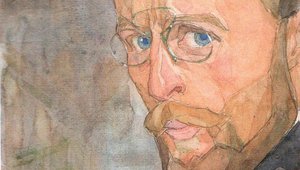
oleksandr kostiantynovych bohomazov
1880 - 1930 , Ukraine
プロフィール概要
- Artistic Movement Or Style: Post-Impressionism
- Artists Or Movements Influenced By This Artist:
- Fauves
- Expressionism
- Artists Who Influenced This Artist:
- Jean-François Millet
- Theo van Gogh
- Date Of Birth: March 30, 1853
- Date Of Death: July 29, 1890
- Full Name: Vincent Willem van Gogh
- Nationality: Dutch
- Notable Artworks:
- Sunflowers
- Bedroom in Arles
- The Starry Night
- Wheatfield with Crows
- Place Of Birth: Ghent, Belgium