

 プレビュー
プレビュー
 シェアする
シェアする シェアする
シェアする
 詳細を見る
詳細を見る

 ダウンロード
 似ている作品
 X線調査
X線調査 スライドショー
 Stats
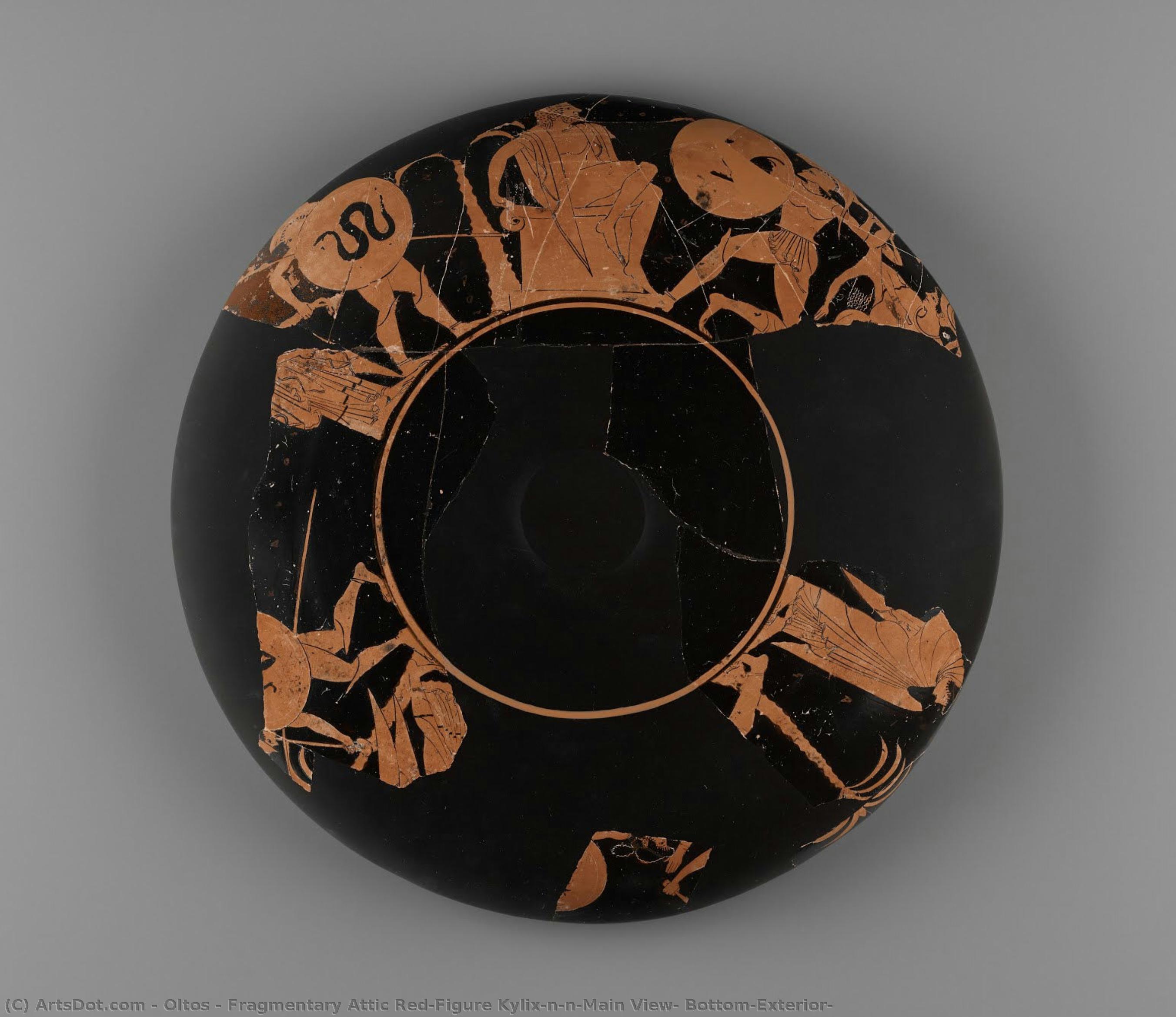
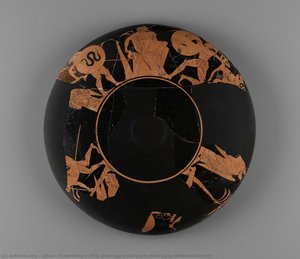
StatsFragmentary Attic Red-Figure Kylix\n\n(Main View, Bottom/Exterior)


 詳細を見る
詳細を見る
ジークレー/アートプリント
迅速な制作と多彩な仕上げオプションを備えた、ミュージアムクオリティのジークレーまたはキャンバスプリント。 ( 手描きの絵画を購入 Switch to Digital Image)




P118B $10

P118H $10

P118W $10

P438Z $10

P508JH $12

P508YH $12

P805H $10

P805Z $10

P919BZ $10

P919G $10

P919XJ $10

P959ZH $10

P968JZ $12

W106C $8

W218G $10

W218JH $8

W218Y $10

W307PJ $10

W316G $10

W316PJ $8

W316Y $10

W398PJ $8

W4111J $10

W500HY $15

W500JH $15

W692G $12

W849H $8

W940BG $15

W953PJ $8




作品のオリジナル比率に合わせた、当店の規定サイズからお選びください。

特定のフレームやスペースに合わせて、ご自身でサイズを指定することも可能です。選択されたサイズが元の画像の比率と一致しない場合、作品をトリミングするか、鏡面反射または単色での塗りつぶしによって画像を拡張いたします。制作を開始する前に、ご確認用のデジタルモックアップをお送りいたします。
画面上のプレビューには、実際のトリミングや拡張は反映されませんのでご注意ください。最終的な構図を正確に確認できるのは、モックアップのみとなります。
カスタムサイズも承っておりますが、元の比率を維持するためには、あらかじめ用意されたリストからサイズを選択することをお勧めいたします。


 ガラスオプションは、110cm未満のサイズでのみご利用いただけます。

Fragmentary Attic Red-Figure Kylix\n\n(Main View, Bottom/Exterior)
ジークレー/アートプリント
複製画のサイズ
-


合計金額
$ 62
A Whisper from Ancient Troy: Examining Oltos’s Fragmentary Attic Red-Figure Kylix
The Athenian workshop of Nikosthenes stands as a cornerstone in understanding the artistic currents of Late Archaic Greece, and within its legacy resides one singularly remarkable figure – Olthos. Despite the frustrating paucity of biographical details—primarily gleaned from fragmentary inscriptions and meticulous stylistic analysis—Olthos’s output—approximately 150 vases—continues to captivate art historians with its understated elegance and profound insight into the artistic sensibilities of his time. He represents a fascinating anomaly amongst his contemporaries, prioritizing solo execution and mastering red-figure technique with an almost obsessive dedication that distinguishes him from the more flamboyant innovators vying for recognition. The Stylistic Revelation: Red-Figure Technique Olthos’s distinctive style is immediately apparent upon encountering his work. Unlike the prevalent black-figure method—where figures are rendered in silhouette against a dark background—Olthos championed red-figure painting, a revolutionary technique that involved applying pigment to the recessed areas of the vase surface while leaving the raised areas untouched. This approach demanded unparalleled precision and artistry, allowing for astonishing detail and tonal nuance – qualities exquisitely realized in his depictions of mythological narratives and scenes from daily life. The subtle gradations of color achieved through this method convey emotion and texture with remarkable effectiveness, elevating the vase beyond mere decorative object to a vessel imbued with artistic intention. A Narrative Tapestry: Scenes from the Sack of Troy The kylix itself serves as a canvas for an ambitious retelling of Homer’s epic poem—the Iliad—specifically focusing on the pivotal siege of Troy. Olthos skillfully employs multiple vignettes, separated by palm trees, to chronicle key events in the Trojan War. Each scene is meticulously rendered with painstaking attention to detail, capturing dramatic poses and expressions that convey the anxieties and triumphs of the warriors involved. The depiction of Priam’s agonized grief—seated upon Zeus Herkeios altar—is particularly poignant, reflecting the profound psychological depth characteristic of Olthos's artistic vision. Furthermore, the portrayal of Ajax battling Kassandra embodies heroic struggle and underscores the importance of divine retribution in Homeric cosmology. Symbolism Embedded Within Form: The Significance of Detail Beyond mere storytelling, Olthos’s work is laden with symbolic meaning. The inclusion of figures like Achilles and Hector—representing opposing forces within the epic poem—highlights the clash between honor and glory. The depiction of Zeus Herkeios altar symbolizes divine authority and underscores the belief that gods actively intervene in human affairs. Even seemingly minor elements, such as the spiral bracelets adorning the female figures – likely Hekabe – contribute to the overall narrative framework, reinforcing themes of resilience and remembrance. Olthos’s meticulous attention to detail—evident in the drapery folds, facial expressions, and musculature—serves not only to enhance visual realism but also to convey deeper philosophical concepts. Emotional Resonance: Capturing the Human Condition Ultimately, Olthos's Fragmentary Attic Red-Figure Kylix transcends its formal constraints to evoke a powerful emotional response in the viewer. The artist’s masterful manipulation of color and form captures the essence of human experience—fear, grief, triumph, and devotion—transforming the vase into an enduring testament to the artistic achievements of Late Archaic Athens. It invites contemplation on themes of mortality, heroism, and divine justice, reminding us that art possesses the capacity to illuminate the complexities of the human condition across millennia. Its beauty lies not merely in its visual splendor but also in its ability to resonate with our deepest sensibilities—a legacy that continues to inspire artists and collectors alike.関連作品
アーティストの略歴
The Silent Maestro of Athenian Red-Figure Painting
In the vibrant, sun-drenched workshops of Late Archaic Athens, amidst the rhythmic spinning of potter's wheels and the scent of drying clay, lived a figure whose name whispers through the centuries with an enigmatic grace. Oltos remains one of the most captivating enigmas of the ancient Greek world—a shadowy master whose brushstrokes captured the very essence of a transitioning era. While many of his contemporaries sought fame through sprawling workshops and prolific, often chaotic production, Oltos carved out a legacy defined by a singular, focused dedication to his craft. His known output, approximately 150 vases, serves as a precious, finite collection of glimpses into an artistic soul that prioritized understated elegance over the flamboyant innovations that characterized much of the period.
The life of Oltos is reconstructed not through grand biographies, but through the silent testimony of the clay itself. Active in Athens between 525 BC and 500 BC, he emerged from the prestigious workshop of the potter Nikosthenes. This formative period was crucial, as it immersed him in the tradition of bilingual vases—vessels that bridged the gap between the ancient black-figure technique and the burgeoning red-figure revolution. Under the influence of masters like Psiax and the Antimenes Painter, Oltos mastered the meticulous detail and tonal gradations required for black-figure interiors, yet it was his embrace of the red-figure method that would ultimately define his artistic spirit.
A Revolution in Clay and Color
To observe a work by Oltos is to witness a technical revolution unfolding in real-time. He became a champion of the red-figure technique, a transformative approach where the artist leaves the figures in the natural reddish hue of the clay while painting the surrounding background with a dark slip. This shift allowed for an unprecedented level of anatomical precision and emotional depth. Unlike the rigid silhouettes of the black-figure era, Oltos’s figures possessed a newfound fluidity; he could render the subtle ripple of muscle, the delicate fold of drapery, and the nuanced expression of a hero in the throes of battle or the quiet repose of daily life.
His development was further enriched by a profound collaboration with Euphronios, one of the most influential figures of the period. Together, they pushed the boundaries of ceramic form, establishing a workshop that produced some of the earliest known stamnos vases. This partnership infused Oltos’s work with a distinctive drawing style characterized by expansive compositions and graceful, sweeping lines. Through this synergy of sculptural vision and painterly precision, Oltos helped transition Greek art from the decorative patterns of the Archaic period toward the more naturalistic and dynamic sensibilities of the Classical age.
Legacy Written in Myth and Motion
The true significance of Oltos lies in his ability to weave complex narratives onto the curved surfaces of his vessels. His work often serves as a visual tapestry of the Iliad, particularly the harrowing tales from the Sack of Troy. In his hands, a simple kylix becomes a stage where mythological vignettes are separated by delicate motifs, such as palm trees, guiding the viewer through the epic tragedy of the Trojan War. He did not merely decorate; he narrated, using the red-figure medium to imbue legendary figures with a sense of movement and human vulnerability.
Though his biographical details remain frustratingly sparse, the physical evidence of his hand is undeniable. Two specific pieces—a cup held in Berlin and another in Tarquinia—bear his signature, a rare moment of self-assertion from an artist often lost in the shadows of history. His contribution to the Athenian canon is marked by several enduring achievements:
- Technical Mastery: The seamless integration of black-figure precision with the expressive potential of red-figure painting.
- Narrative Innovation: The use of sophisticated composition to tell multi-layered mythological stories within a single vessel.
- Historical Bridge: Serving as a vital link between the rigid traditions of the 6th century BC and the fluid naturalism of the 5th century BC.
Today, the works attributed to Oltos reside in the world's most prestigious collections, from the British Museum to the Metropolitan Museum of Art and the Getty Museum. He remains a silent maestro, an artist whose true voice is heard not in words, but in the enduring beauty of the terracotta he transformed into eternal art.
oltos
Greece
基本情報
- Artistic Movement Or Style: Late Archaic Vase Painting
- Artists Or Movements Influenced By This Artist:
- Euphronios
- Andokides
- Artists Who Influenced This Artist:
- Nikosthenes
- Psiax
- Full Name: Oltos
- Nationality: Greek
- Notable Artworks:
- Fragmentary Attic Kylix
- Attic Plate
- Place Of Birth: Athens, Greece
関連記事

Golden Hour on the Nile: Symbolism & Artistic Legacy of Egyptian Sunsets
Explore the rich symbolism of Egyptian sunset paintings & their artistic legacy. Discover how color, ritual, and landscape shaped ancient beliefs – a guide for discerning collectors.

アンリ・マティスの傑作25選:色彩と情熱の軌跡|ArtsDot
アンリ・マティスの傑作25選🎨 色彩と情熱が織りなす世界を旅する。フォーヴィスム代表の巨匠、マティスの絵画の魅力と歴史を紐解きます。ArtsDotで高品質なアートプリントや複製画を見つけ、インテリアに芸術的な輝きを✨ Explore the full collection online

マーク・ロスコ傑作25選:色彩が織りなす深遠な世界|ArtsDot
マーク・ロスコの傑作25選。抽象表現主義を代表する巨匠、色彩が織りなす深遠な世界を探求します。絵画の背景や技法、感動的なストーリーを紐解き、ArtsDotで高品質なアートプリントをお楽しみください。リビングやオフィスにモダンアートを飾るなら!

Fluid Reflections: Exploring Water's Symbolism in Art History – From Myth to Impressionism
Explore the rich symbolism of water in art history – from ancient myths to Impressionism's fleeting beauty. Discover masterpieces & find your perfect serene artwork with ArtsDot.com.

Crimson Threads of Narrative: Exploring Symbolism & Representation in Artworks Featuring the Red Dress
Explore the rich symbolism of the red dress in art history! From ancient power displays to iconic portraits like Cézanne’s 'Madame Cezanne', discover the cultural and artistic significance behind this captivating color. Expert analysis & insights.