

 プレビュー
プレビュー
 プリントを購入
 シェアする
シェアする シェアする
シェアする
 詳細を見る
詳細を見る

 ダウンロード
 似ている作品
 X線調査
X線調査 スライドショー
Painting for the Burial
 Acrylic On Paper
- WallArt
- Conceptual Art
 14.0 x 14.0 cm
 Modern Art Oxford
 詳細を見る
詳細を見る




P118B $10

P118H $10

P118W $10

P438Z $10

P508JH $12

P508YH $12

P805H $10

P805Z $10

P919BZ $10

P919G $10

P919XJ $10

P959ZH $10

P968JZ $12

W106C $8

W218G $10

W218JH $8

W218Y $10

W307PJ $10

W316G $10

W316PJ $8

W316Y $10

W398PJ $8

W4111J $10

W500HY $15

W500JH $15

W692G $12

W849H $8

W940BG $15

W953PJ $8




作品のオリジナル比率に合わせた、当店の規定サイズからお選びください。

特定のフレームやスペースに合わせて、ご希望のサイズをご入力いただけます。選択されたサイズが元の画像の比率と異なる場合、アートワークをトリミングするか、手描きで要素を追加して絵画を拡張いたします。デジタルモックアップ を制作し、制作開始前にご確認(承認)をいただきます。
画面上のプレビューは、実際のトリミングや拡張を正確に反映しているものではありません。最終的な構図は、モックアップによってのみ正確にご確認いただけます。
カスタムサイズもご利用いただけますが、元の比率を維持するためには、あらかじめ用意されたリストからサイズを選択することをお勧めいたします。
ご注文後、ArtsDot.com チームより詳細な指示をお送りするとともに、仕上がりイメージ(モックアップ)をご提供いたします。


 ガラスオプションは、110cm未満のサイズでのみご利用いただけます。

Painting for the Burial
複製技法
複製画のサイズ
-


合計金額
$ 263
A Moment Frozen in Time: The Essence of “Painting for the Burial”
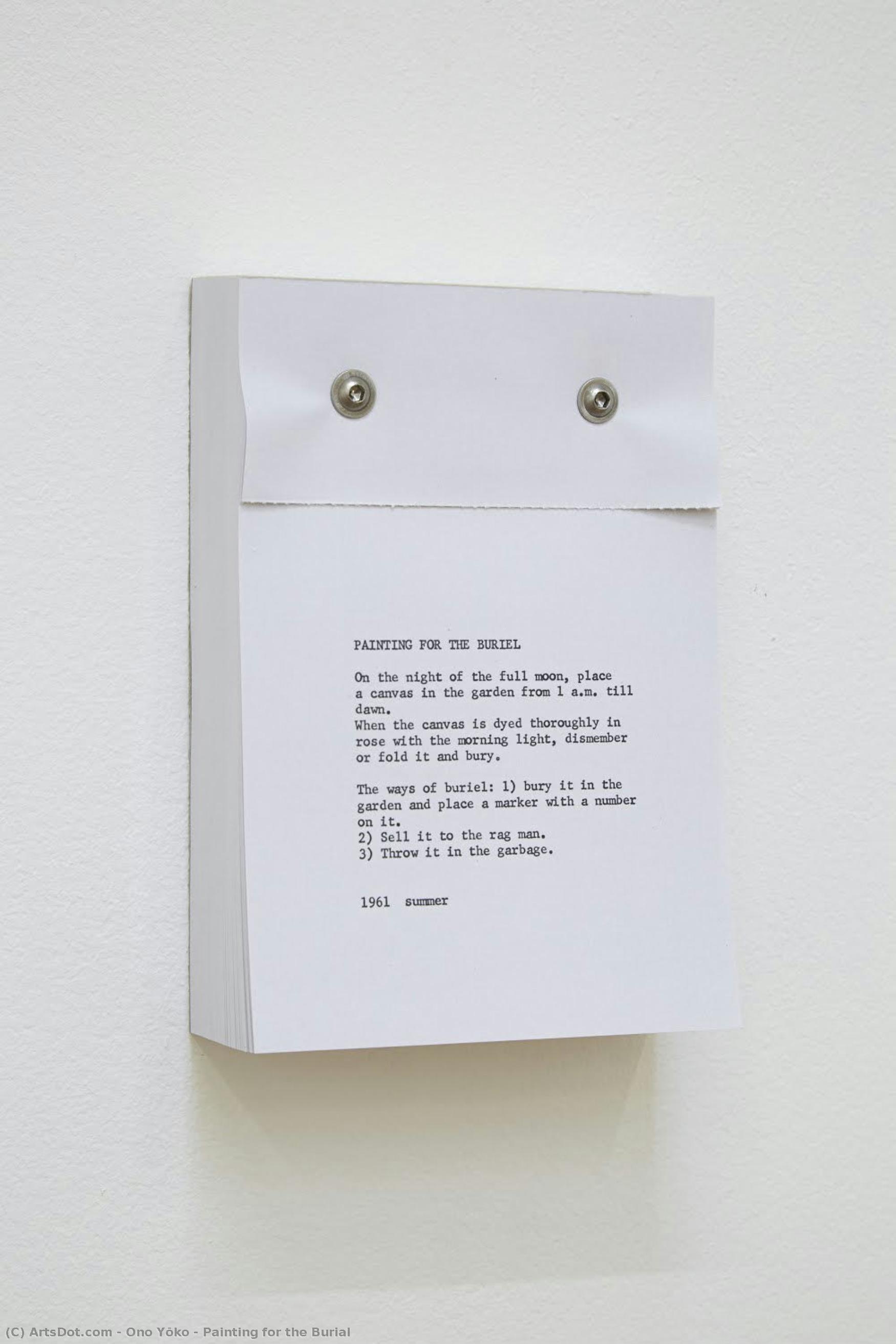
Yoko Ono's "Painting for the Burial," a deceptively simple work executed in 1961, isn’t merely an instruction manual for discarding art; it’s a profound meditation on impermanence, value systems, and the very nature of artistic creation. The photograph capturing this installation – a single sheet of paper bearing typed instructions affixed to a stark white wall – possesses a quiet intensity that belies its minimalist appearance. It's a deliberate rejection of traditional notions of art as something precious, enduring, and worthy of preservation, instead presenting it as vulnerable, subject to the cycles of life and decay.
The piece emerged from Ono’s burgeoning conceptual practice during a period of intense experimentation within the New York avant-garde scene. Influenced by Fluxus and Dadaist principles, she sought to dismantle established artistic conventions, questioning what constituted “art” in the first place. "Painting for the Burial" embodies this spirit perfectly, stripping away the trappings of aesthetic beauty and focusing solely on the idea itself – an instruction to bury a painting, effectively rendering it obsolete. This act of deliberate destruction is not simply nihilistic; it’s a provocative assertion that art's value lies not in its physical form but in the concept it embodies, the questions it raises, and the dialogue it sparks.
Deconstructing Form: Composition, Color, and Texture
The photograph’s composition is strikingly reductive. The white wall serves as a powerful backdrop, amplifying the starkness of the instruction sheet. The vertical orientation emphasizes the height of the wall, creating a sense of contained space – almost like a stage for this singular act. Black ink provides sharp contrast against the white paper, drawing the eye immediately to the text. Subtle variations in the white tones suggest diffused natural light, lending a quiet, contemplative atmosphere to the scene.
- Lines & Shapes: Straight lines dominate – the edges of the envelope and the mounting hardware (two screws) create a sense of order and precision, juxtaposed against the irregular shapes formed by the typed text.
- Color Palette: The limited palette—primarily white and black—reinforces the piece’s conceptual focus, eliminating distractions and highlighting the core message.
- Texture: A smooth texture is evident in both the wall and the plastic envelope, while the printed text introduces a slightly rougher tactile quality, grounding the image in the physical world despite its conceptual nature.
Symbolism and Context: Beyond the Instruction
The title itself – “Painting for the Burial” – is laden with symbolic weight. It immediately evokes themes of mortality, loss, and the cyclical nature of existence. Burying a painting can be interpreted as an act of letting go, releasing it from its intended purpose, and acknowledging its vulnerability to time and decay. This resonates deeply within Ono’s broader body of work, which frequently explores themes of peace, activism, and challenging societal norms.
Furthermore, the piece subtly critiques traditional notions of artistic value. By suggesting that a painting's worth lies not in its physical presence but in the act of creation and the ideas it represents, Ono challenges viewers to reconsider their assumptions about what constitutes “art.” The instructions themselves – "bury it in the garden," "sell it to the rag man," or "throw it in the garbage" – offer a range of responses, highlighting the ambiguity inherent in the concept. It’s an invitation to engage with the artwork on multiple levels, prompting reflection on art's role in society and its relationship to life and death.
A Legacy of Conceptual Innovation
“Painting for the Burial” stands as a pivotal work in Yoko Ono’s career and a cornerstone of conceptual art. Inspired by artists like Marcel Duchamp, who questioned the definition of art through readymades, Ono pushed the boundaries of artistic expression, prioritizing ideas over traditional aesthetics. The photograph itself—a simple yet powerful image—serves as a testament to her innovative spirit and enduring influence on contemporary art. It’s a piece that continues to provoke thought and challenge viewers to reconsider their understanding of art's purpose and value.
関連作品
アーティストの略歴
芸術とアクティビズムが織りなす生涯
1933年に東京で生まれたオノ・ヨーコは、その芸術的な歩みが既存の枠組みを超越している稀有な存在です。日本の名門の家庭に育った彼女は、恵まれた環境を礎としながらも、第二次世界大戦という激動によってその人生を劇的に塗り替えられました。この経験は、人間の苦しみに対する深い感受性と、平和への揺るぎない献身を彼女の心に刻み込み、それらは後に彼女の芸術の中核をなすテーマとなりました。幼少期からピアノの研鑽を通じて創造的な表現への天賦の才を見せていた彼女ですが、その探求心はやがてより広範な芸術領域へと広がっていきます。1952年のニューヨークへの移住は決定的な転機となり、胎動する前衛芸術のシーンに身を投じることで、芸術そのものの既成概念に挑むキャリアの舞台が整ったのです。サラ・ローレンス大学での学びは彼女に知的な基盤を与えましたが、彼女の芸術的精神に真の火を灯したのは、ニューヨーク・ダウンタウンの活気溢れるアート界でした。前衛への没入:フルクサスとコンセプチュアルな始まり
オノは瞬く間に1960年代のニューヨーク・アートシーンにおける急進的な実験精神に惹きつけられ、フルクサス運動の主要なメンバーとなりました。この国際的なコレクティヴは、伝統的な芸術の境界を解体しようと試み、偶然性やパフォーマンス、そして日常生活そのものを創造的なインスピレーションの正当な源泉として受け入れました。沈黙や不確定性を重んじるジョン・ケージのような作曲家や、ラ・モンテ・ヤングといったアーティストから影響を受け、オノはコンセプチュアルな概念を中心とした独自の芸術的語彙を構築し始めます。彼女の初期作品は、伝統的な意味での絵画や彫刻ではありませんでした。それは、思考を喚起し観客を直接的に巻き込むために設計された「イベント」であり、「ハプニング」であり、「インストラクション(指示)」だったのです。これらのパフォーマンスはしばしばカテゴリー化を拒み、美学よりも概念を優先させ、アーティストと観客の境界を曖昧にしました。その代表的な例が「インストラクション・ペインティング」シリーズです。これは鑑賞者が自ら完成させるための簡潔な指示を提示することで、受動的な観察者を、作品創造における能動的な参加者へと変容させたのです。この「参加」への強調は、彼女の後の作品の多くを定義づける重要な要素の前兆となりました。芸術的境界の拡張:パフォーマンスから平和へ
オノの芸術的成果は驚くほど多岐にわたり、コンセプチュアル・アート、パフォーマンス・アート、音楽、映画制作、そしてたゆまぬ平和活動にまで及びます。彼女の「インストラクション・ピース」は、とりわけ『グレープフルーツ』(1964年)にまとめられたものが、コンセプチュアル・アートへの最も象徴的な貢献と言えるでしょう。「雨粒を想像してください」といった遊び心のあるものから、「変えたいと思うことを考えてください」という深遠なものまで、これらの詩的なプロンプトは、観客が自らの想像力を働かせ、自身の精神の中で作品を完成させるよう誘います。また、「リバプール・スカイラダー」のようなインスタレーションは、都市空間と相互作用し、思索を促す記念碑的な構造物を作り出すことで、彼女のパブリック・アートへの献身を示しています。「ウィッシュ・ツリー(願いの木)」シリーズでは、訪れる人々がタグに願いを書き込み、枝に結びつけますが、これは彼女のキャリアを通じて繰り返されるモチーフである「希望」「集団的な意志」「平和への切望」を具現化しています。こうした世界的な調和への願いは、1966年に始まったジョン・レノンとの関係を経て、より顕著なものとなりました。1969年の結婚はメディアの激しい注目の的となりましたが、同時に二人の共同のアクティビズムのための強力なプラットフォームとなりました。二人はベトナム戦争に対する象徴的な抗議活動として有名な「ベッド・イン」を敢行し、「プラスティック・オノ・バンド」を結成して、『ウェディング・アルバム』や『ダブル・ファンタジー』といった批評家から高く評価されたアルバムを発表し、1980年にはグラミー賞を受賞しました。革新と提唱が残した不朽の遺産
1980年のジョン・レノンの悲劇的な死の後、オノはセントラルパークの「ストロベリー・フィールズ」や、アイスランドに平和への献辞として建てられた「イマジン・ピース・タワー」などの取り組みを通じて、彼の遺志を守ることに身を捧げました。彼女は今もなお、平和、環境の持続可能性、そして人権といった、自らの心に深く刻まれた大義のために芸術を創造し、提唱し続けています。彼女の先駆的な活動は、さまざまな分野の世代を超えたアーティストたちに深い影響を与え、従来の規範に挑戦し、芸術表現の可能性を押し広げてきました。コンセツアリズム、観客の参加、そして社会との関わりを重視するオノの手法は、現代の芸術実践においても驚くほど今日的な意義を持ち続けています。彼女は画期的なアーティストとしてだけでなく、自らのプラットフォームを利用してポジティブな変化を促進した勇気ある活動家としても認められており、芸術界と世界の情勢の両方に消えることのない足跡を残しています。彼女の作品は、芸術とは単に眺めるためのものではなく、対話、癒やし、そして変革のための触媒となり得るのだということを私たちに思い出させてくれます。 オノ・ヨーコの持つ影響力は今日においても響き渡り、より平和で公平な世界を思い描くよう、アーティストや活動家たちにインスピレーションを与え続けています。
小野 洋子
1933 - , 日本
基本情報
- Artistic Movement Or Style: コンセプチュアル・アート、フルクサス
- Artists Or Movements Influenced By This Artist:
- パフォーマンス・アート
- アヴァンギャルド音楽
- Artists Who Influenced This Artist:
- ジョン・ケージ
- ラ・モンテ・ヤング
- Date Of Birth: 1933年
- Full Name: オノ・ヨーコ
- Nationality: 日本人
- Notable Artworks:
- グレープフルーツ
- リバプール・スカイラダー
- ウィッシュ・ツリー
- ハチ公はっぽ
- Place Of Birth: 日本、東京
関連記事

Beyond Representation: Conceptual Art & the Enduring Legacy of Ideas
Explore the profound impact of Conceptual Art with ArtsDot. Discover its history, key artists like Duchamp & Kosuth, and learn how to collect this influential movement. Expert insights for discerning art collectors.
Minimalist Masterpieces: 10 Artworks for Serene Home Decor | ArtsDot
Find serenity with 10 minimalist masterpieces! Explore Agnes Martin, Rothko & more. Discover the stories behind iconic abstract art, neutral palettes & calming designs. Museum-quality reproductions at ArtsDot.com – elevate your home decor today!
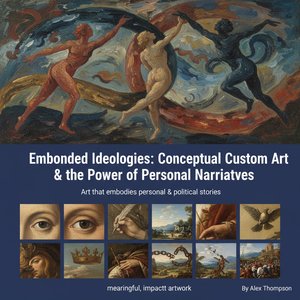
Embodied Ideologies: Conceptual Custom Art & the Power of Personal Narratives
Explore the power of conceptual custom art. Discover how hand-painted oil paintings embody personal & political narratives. Expert guidance for collectors seeking meaningful, impactful artwork.
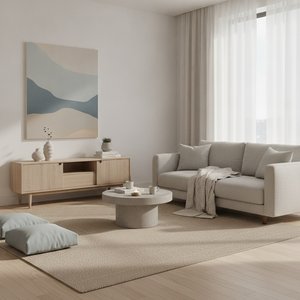
The Art of Calm: Transforming Your First Shared Space with the Serenity of Minimalist Art
Transform your first shared home into a serene sanctuary with the beauty of minimalist art. From geometric abstractions to bespoke oil paintings, ArtsDot.com offers expert curation and hand-painted masterpieces to help you design a timeless, peaceful space.
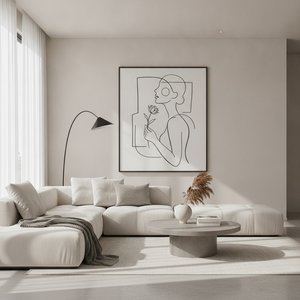
Mastering Minimalist Elegance: An Expert Decorator’s Guide to Transforming Spaces with Modern Line Art
Elevate your interior design projects with the effortless sophistication of modern line art. Our expert guide explores how minimalist contours and custom-made masterpieces can transform any space into a curated sanctuary. Discover professional tips for creating impactful, elegant walls.

