 プレビュー
プレビュー
 シェアする
シェアする シェアする
シェアする
 詳細を見る
詳細を見る

 ダウンロード
 似ている作品
 X線調査
X線調査 スライドショー
 統計情報
統計情報聖母マリアと聖エステファニウス、幼きイエスと天使の家族


 詳細を見る
詳細を見る
手描き油彩複製画
当社のアーティストが、お客様のご希望のサイズと額縁に合わせて、キャンバスに手描きで制作する油彩画です。 ( プリント版に切り替え デジタル画像販売へ切り替え)




P118B $10

P118H $10

P118W $10

P438Z $10

P508JH $12

P508YH $12

P805H $10

P805Z $10

P919BZ $10

P919G $10

P919XJ $10

P959ZH $10

P968JZ $12

W106C $8

W218G $10

W218JH $8

W218Y $10

W307PJ $10

W316G $10

W316PJ $8

W316Y $10

W398PJ $8

W4111J $10

W500HY $15

W500JH $15

W692G $12

W849H $8

W940BG $15

W953PJ $8




作品のオリジナル比率に合わせた、当店の規定サイズからお選びください。

特定のフレームやスペースに合わせて、ご希望のサイズをご入力いただけます。選択されたサイズが元の画像の比率と異なる場合、アートワークをトリミングするか、手描きで要素を追加して絵画を拡張いたします。デジタルモックアップ を制作し、制作開始前にご確認(承認)をいただきます。
画面上のプレビューは、実際のトリミングや拡張を正確に反映しているものではありません。最終的な構図は、モックアップによってのみ正確にご確認いただけます。
カスタムサイズもご利用いただけますが、元の比率を維持するためには、あらかじめ用意されたリストからサイズを選択することをお勧めいたします。
ご注文後、ArtsDot.com チームより詳細な指示をお送りするとともに、仕上がりイメージ(モックアップ)をご提供いたします。


 ガラスオプションは、110cm未満のサイズでのみご利用いただけます。

聖母マリアと聖エステファニウス、幼きイエスと天使の家族
複製技法
複製画のサイズ
-


合計金額
$ 263
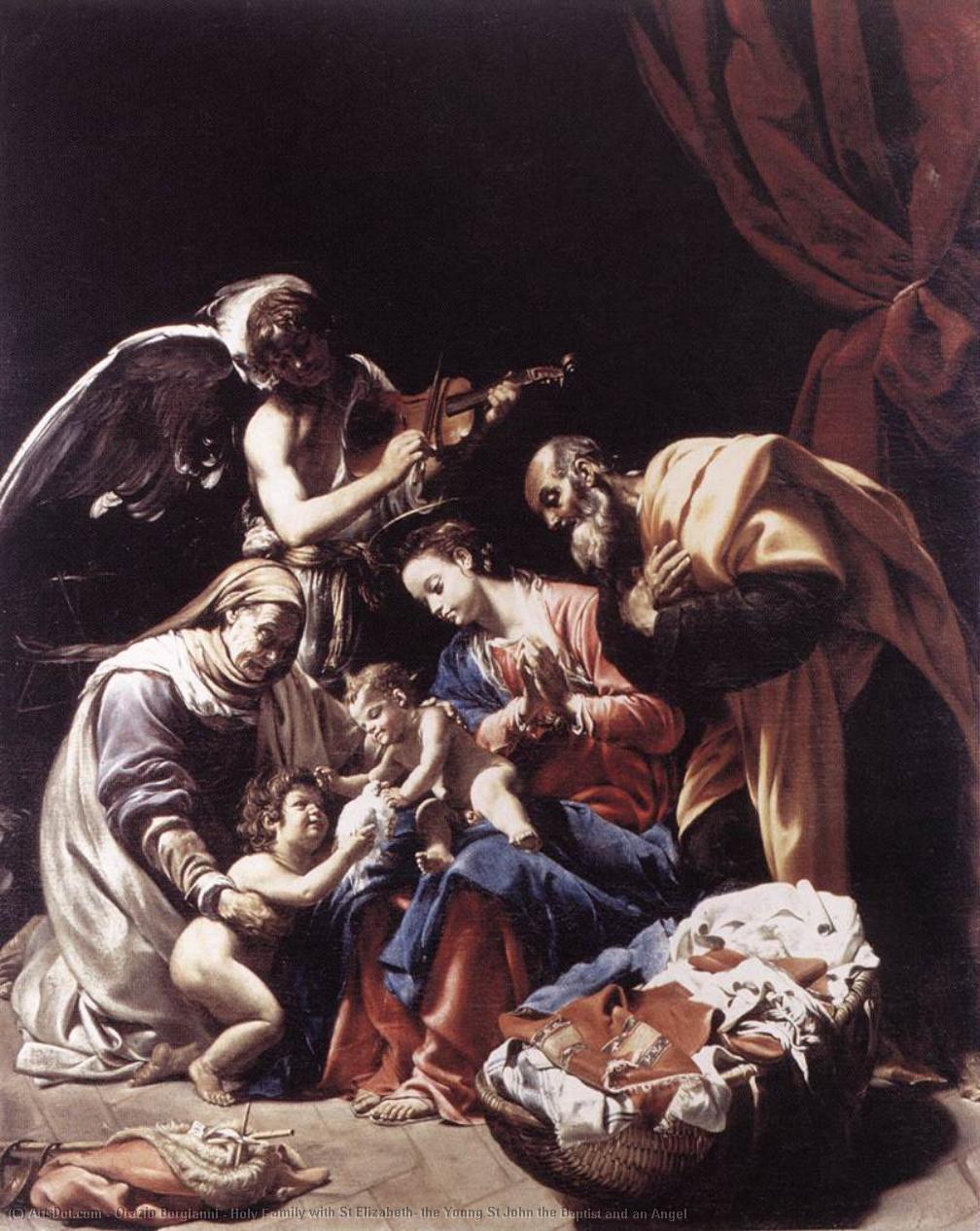
聖母マリアと聖エステル、幼きヨハネバプテシストと天使の家族
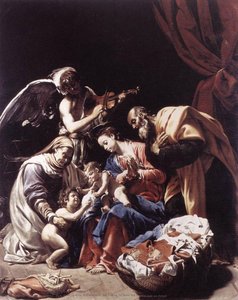
この絵はイタリアのローマで活躍した画家オラシオ・ボルジアニによって制作された作品です。1609年に完成され、サン・シルヴェストロ教会に飾られました。この絵は聖母マリアとイエスを含む聖家族を zobrazuje( zobrazuje )とともに、聖エステルと幼きヨハネバプテシストが描かれています。天使は左側と右側に配置されており、聖家族の周囲にはヴァイオリンが置かれています。また、絵の中にバスケットがあり、その奥には3冊の本があります。この作品はラファエロの影響を受けた絵画であり、特に光と影のコントラストや人物の質感表現において特徴的なスタイルを持っています。聖家族はヨハネバプテシストとの対話が親密で直接的です。ダビデの賛美歌を象徴する鳩は聖家族の周囲に配置されています。この絵は当時の宗教美術における重要な作品であり、聖母マリアとイエスの愛と慈悲を表現しています。特にバスケットはイタリアの画家ジュリオ・ロマンコによる「聖母の猫」で用いられたモチーフです。この絵は自然主義的な技法を用い、聖家族の感情や精神性を豊かに表現しています。- 作品名:聖母マリアと聖エステル、幼きヨハネバプテシストと天使の家族
- 画家:オラシオ・ボルジアニ
- 制作年:1609年
- 技法:油絵
- サイズ:約226 × 173.5 cm
- 所蔵美術館:ローマ国立美術博物館
関連作品
アーティストの略歴
Giorgio Vasari: The Architect of Artistic Biography
Giorgio Vasari, born in Arezzo in 1511 and tragically passing away in Florence in 1574, wasn’t merely a painter or architect; he was the pivotal figure who essentially invented the modern art historical biography. Often considered the “minister of culture” to the powerful Medici court in Florence, Vasari’s magnum opus, *The Lives of the Most Excellent Painters, Sculptors, and Architects*, remains a cornerstone of Western artistic understanding, shaping how we perceive and interpret the careers of countless artists from the Renaissance onwards. His work wasn't simply a chronicle; it was a deliberate construction of an idealized narrative, elevating Florence as the undisputed center of artistic innovation – a perspective that, while now recognized for its inherent biases, fundamentally altered the trajectory of art historical scholarship.
Vasari’s early life provided a surprisingly robust foundation for his later endeavors. Initially apprenticed to Guillaume de Marcillat, a stained-glass artist and painter in Arezzo, he received a grounding in both technical skill and humanist learning, including Latin. This early exposure to classical thought would prove crucial in shaping his approach to art history. He then moved to Florence, where he honed his skills under the tutelage of Andrea del Sarto and Baccio Bandinelli, absorbing the prevailing artistic trends of the time. Crucially, Vasari’s education extended beyond the purely visual; he was a keen observer of human nature and possessed an astute understanding of patronage and social dynamics – qualities that would later inform his biographical writing.
A Renaissance Man: Painter, Architect, and Art Historian
Vasari's career spanned diverse artistic disciplines. He excelled as both a painter and architect, contributing significantly to the aesthetic landscape of Florence during the High Renaissance. His architectural designs are particularly noteworthy, including the grand loggia of the Palazzo degli Uffizi, a masterpiece that still dominates the Florentine skyline. However, it’s his role as an art historian – specifically, the author of *The Lives* – that secures his enduring legacy. This monumental work wasn't simply a collection of artist portraits; it was a carefully constructed argument for the importance of artistic innovation and the elevation of Florence as the birthplace of Western art.
The structure of *The Lives* is itself remarkable. Vasari organized his subjects chronologically, grouping them into categories – painters, sculptors, and architects – and presenting each artist’s life alongside a detailed analysis of their works. He meticulously documented not only the artistic achievements but also the personal circumstances, struggles, and even supposed moral failings of each subject. This biographical approach, unprecedented in its scope and ambition, established a new standard for art historical writing. It's important to acknowledge that Vasari’s account is often riddled with inaccuracies and embellishments; he frequently invented details or exaggerated events to bolster his narrative. However, despite these flaws, *The Lives* remains an invaluable source of information about the Renaissance artistic world.
Influences and Artistic Style
Vasari's artistic style reflects the prevailing trends of the Mannerist period, a transitional phase between the High Renaissance and the Baroque. His paintings are characterized by a refined elegance, meticulous detail, and a sophisticated use of color and composition. While he embraced the stylistic innovations of his time – such as complex spatial arrangements and dramatic lighting – he also retained a strong sense of classical proportion and harmony. His architectural work similarly demonstrates a mastery of Renaissance principles, blending functionality with aesthetic beauty.
Vasari was profoundly influenced by several key figures. Leonardo da Vinci, for instance, held a particularly revered position in his writings, serving as a model for artistic excellence and intellectual curiosity. Michelangelo, despite Vasari’s later reservations about the sculptor's temper, also received considerable attention. Furthermore, Vasari drew inspiration from classical texts and humanist ideals, seeking to understand art within a broader cultural context. He was deeply influenced by the concept of *rinascita* (rebirth), popularized by Jules Michelet, which emphasized the revival of classical learning and artistic values during the Renaissance.
Legacy and Historical Significance
Giorgio Vasari’s impact on art history is immeasurable. His *Lives* established a precedent for biographical writing that continues to shape our understanding of artists today. He not only documented the lives of the great masters but also shaped their reputations, often elevating them to legendary status. His emphasis on Florence as the center of artistic innovation helped to solidify the city’s position as a cultural powerhouse – a narrative that has been both celebrated and critiqued over time.
Despite criticisms regarding factual inaccuracies and his inherent bias in favor of Florentine artists, Vasari remains a foundational figure in Western art history. His work provides invaluable insights into the Renaissance artistic world and continues to be studied and debated by scholars today. His legacy extends beyond the realm of art history; he is also considered one of the first cultural critics, offering a unique perspective on the relationship between art, society, and power.
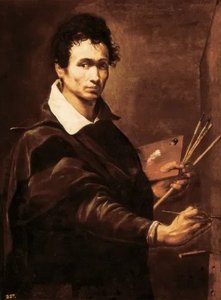
orazio borgianni
1574 - 1616 , Italy
基本情報
- Artistic Movement Or Style: Mannerism, Renaissance
- Artists Or Movements Influenced By This Artist:
- Renaissance artists
- Vasari's concept
- Artists Who Influenced This Artist:
- Guglielmo da Marsiglia
- Andrea del Sarto
- Date Of Birth: July 30, 1511
- Date Of Death: June 27, 1574
- Full Name: Giorgio Vasari
- Nationality: Italian
- Notable Artworks:
- Lives of the Most Eminent Painters...
- Tomb of Michelangelo
- Place Of Birth: Arezzo, Tuscany
関連記事
Cecco del Caravaggio: Rediscovering the Shadowy Genius of Francesco Buoneri
Explore the captivating world of Cecco del Caravaggio (Francesco Buoneri), a pivotal Baroque artist. Discover his dramatic realism, mysterious life, and lasting legacy with ArtsDot's expert analysis.

The Enduring Legacy of Family Portraiture: A Historical & Artistic Exploration
Explore the rich history of family portraiture with ArtsDot. Discover artistic styles, symbolism & collecting insights. Commission a custom oil painting or appraise your existing artwork today!

Evolving Portraits: Personalized Art as a Chronicle of Family Life Across Generations
Create a timeless family legacy with custom portraits! ArtsDot connects you with skilled artists for heirloom-quality paintings & prints. Explore styles, commission your unique artwork today.
Civic Virtue and Artistic Rivalry: Patronage and Innovation in the Italian Renaissance Republics, 1400–1600
Explore the Italian Renaissance! Discover how competitive patronage & humanist ideals fueled artistic innovation in republics like Florence & Venice. Expert insights for art lovers and collectors.
Caravaggio's Revolutionary Realism: A Study of Light, Shadow, and the Human Condition
Explore the revolutionary realism of Caravaggio! Discover his mastery of light & shadow (tenebrism), dramatic religious scenes, and lasting influence on Baroque art history. A comprehensive guide for art enthusiasts.