

 プレビュー
プレビュー
 プリントを購入
 シェアする
シェアする シェアする
シェアする
 詳細を見る
詳細を見る

 ダウンロード
 似ている作品
 X線調査
X線調査 スライドショー
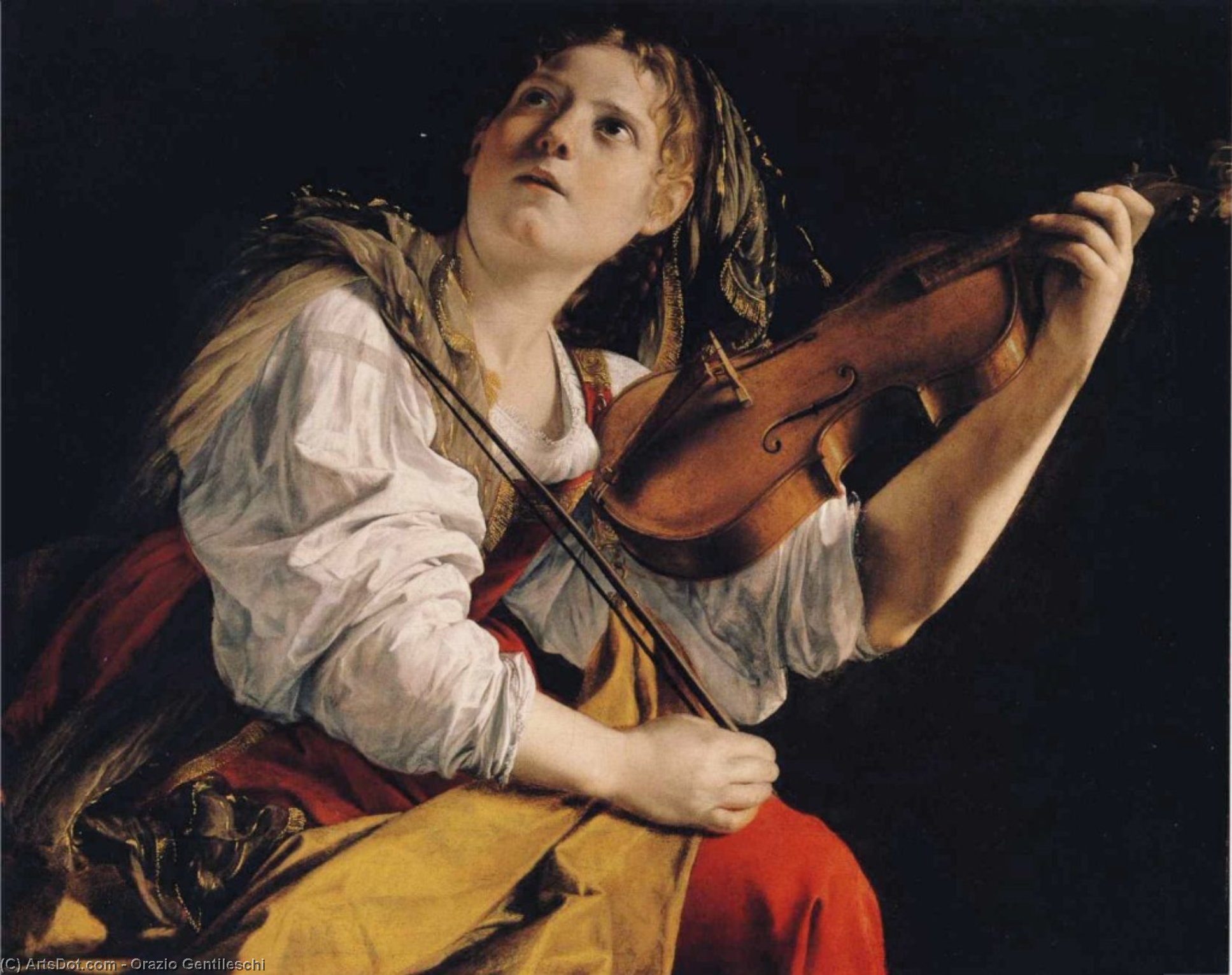
Young Woman Playing a Violin


 詳細を見る
詳細を見る
オンラインプレビューをはるかに凌ぐ、高解像度で鮮明なデジタル画像をご購入いただけます。
各ファイルは、社内の専門家が高度なツールと熟練した手作業によるレタッチを用いて、細心の注意を払って準備されています。すべての画像において、卓越した鮮明度、正確な色彩再現性、そして繊細なディテールを保証いたします。
最終ファイルは、プロフェッショナルな編集・印刷環境ですぐにご利用いただけるよう最適化された状態で、72時間以内にメールにてお届けいたします。これは、一流のデザインスタジオ、出版社、ギャラリーから信頼されているものと同等の品質です。
デジタル画像のご注文に付随する特典
高品質なデジタル画像配信を、確かな品質で。
ArtsDot.com を選ぶことは、単に画像を手に入れることではありません。それは、プロの手によって精密に仕上げられ、満足保証が付いた高品質なデジタルアートワークを受け取ることを意味します。ご注文いただいた際に自動的に付随する内容は、以下の通りです:

メールですぐにお届け
ご注文から72時間以内に、高解像度のデジタル画像ファイルがメールでお手元に届きます。すぐにそのままご利用いただけます。

AI技術で最適化されたデジタルファイル
お客様の作品は、高度なAIツールと専門家による手作業の編集を組み合わせてプロフェッショナルに最適化されており、細部のディテール、鮮明さ、そして正確な色再現性を最大限に引き出しています。

一生涯無料の再送サービス
ファイルを誤って削除したり、紛失してしまったりしましたか?ご安心ください。いつでも無料で再送いたします。

輸入手数料は一切かかりません
関税や手数料、配送料を気にすることなく、お気に入りのアートワークをすぐにお楽しみいただけます。デジタルダウンロードは常に免税です。

色彩再現の保証
プロ仕様のツールとカラーマネジメント技術を用いることで、デジタル画像が元の色を最大限に忠実に再現することを保証いたします。

60日間満足保証
ご購入いただいたデジタル画像にご満足いただけない場合は、60日以内であれば、修正または100%の返金(理由を問う必要はありません)をさせていただきます。

100% 返金保証
ご満足いただけない場合は、デジタルファイルを受け取ってから60日以内であれば、理由を問わず全額返金いたします。

まとめ買い割引
3枚購入で10%OFF - 5枚購入で15%OFF - 10枚以上購入で20%OFF。クリエイティブなプロジェクト、ギャラリー、エージェンシーに最適です。
作品の詳細
Young Woman Playing a Violin – A Baroque Portrait of Grace and Reverence
The painting “Young Woman Playing a Violin,” attributed to Orazio Gentileschi (1563–1639), stands as a testament to the burgeoning artistic fervor of the early 17th century, specifically during the transition from Mannerism to Baroque aesthetics. Executed around 1624, this captivating portrait encapsulates the spirit of its time—a period marked by dramatic shifts in artistic sensibilities and an increasing emphasis on naturalism alongside spiritual contemplation. It’s a piece that continues to resonate with viewers today due to its masterful composition, luminous color palette, and profound exploration of human emotion. A Masterful Synthesis of Mannerist Influence and Caravaggio's Vision Gentileschi’s artistic journey began in Tuscany, where he honed his skills under the tutelage of Francesco da Sangallo, absorbing the architectural principles that would inform his later works. However, it was his encounter with Michelangelo Buonarroti—Caravaggio—that irrevocably altered his stylistic trajectory. Caravaggio's revolutionary approach to chiaroscuro – dramatic contrasts between light and dark – profoundly impacted Gentileschi’s technique, resulting in a style characterized by intense realism achieved through masterful manipulation of light and shadow. This influence is palpable in “Young Woman Playing Violin,” where Gentileschi skillfully employs Caravaggio’s techniques to sculpt the figure's form and imbue it with an aura of solemn beauty. The artist deliberately utilized Caravaggio’s dramatic lighting, highlighting the woman’s face and hands while casting deep shadows across her dress, creating a palpable sense of depth and emotion—a hallmark of Baroque art that departed significantly from the stylized forms favored by Mannerism. The Figure: A Symbol of Virtue and Musical Inspiration At the heart of the composition lies a young woman, poised gracefully before her violin. Her posture exudes composure and serenity, reflecting the ideals of Renaissance virtue—a characteristic prevalent in Baroque art. The violinist’s gaze is directed upwards, suggesting contemplation and perhaps an invocation of divine inspiration – mirroring Saint Cecilia, whose legend recounts her unwavering devotion to God and her musical talent. Gentileschi meticulously rendered the woman's facial expression with remarkable sensitivity, conveying a quiet dignity and inner peace that speaks volumes about the artist’s understanding of human psychology. The subtle shading around her eyes adds to this impression of solemn beauty, reinforcing the painting’s spiritual dimension. Historical Context: Baroque Art and Patronage in Rome “Young Woman Playing Violin” emerged during a period of immense artistic innovation in Rome—the Baroque era—fueled by papal patronage and driven by a desire to express religious fervor through visual art. The Catholic Church commissioned numerous paintings depicting saints and biblical figures, aiming to inspire piety and reaffirm its authority amidst the turbulent political landscape of the time. Gentileschi’s work exemplifies this trend, aligning with the broader artistic movement's commitment to realism and emotional intensity—a deliberate reaction against the intellectualized aesthetic of Mannerism. The painting was likely commissioned by a wealthy Roman family who wished to honor Saint Cecilia and celebrate musical excellence. Technical Considerations: Oil on Canvas and Caravaggio’s Influence Revisited Gentileschi executed “Young Woman Playing Violin” on canvas using oil paint—a technique that allowed for unprecedented levels of detail and luminosity compared to previous mediums like tempera. The artist skillfully blended pigments to achieve a rich, velvety texture and meticulously rendered the textures of fabric and skin with astonishing accuracy. Furthermore, Gentileschi’s masterful use of chiaroscuro – Caravaggio's signature style – elevates the painting beyond mere representation, transforming it into an emotionally charged experience for the viewer. The dramatic interplay of light and shadow not only enhances the visual impact but also underscores the spiritual significance of the scene—a testament to Gentileschi’s artistic genius and his unwavering dedication to capturing the essence of human emotion within a framework of Baroque aesthetics. Concluding Remarks: An Enduring Legacy of Beauty and Emotion “Young Woman Playing Violin” remains an enduring masterpiece, captivating audiences centuries after its creation with its exquisite beauty and profound emotional resonance. It stands as a symbol of artistic triumph—a demonstration of Gentileschi’s ability to synthesize Mannerist influences with Caravaggio's revolutionary techniques—resulting in a work that transcends time and continues to inspire admiration for its masterful composition and luminous color palette. Its depiction of Saint Cecilia embodies the spiritual ideals of the Baroque period, reminding us of the power of art to convey profound emotions and elevate the human spirit.関連作品
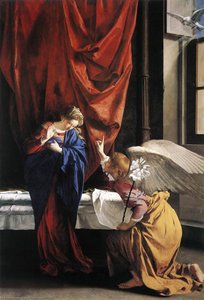
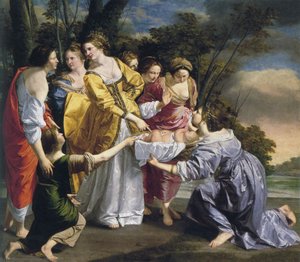
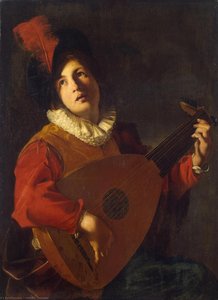
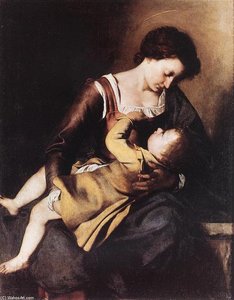
作家の略歴
トスカーナの夜明け:オラツィオ・ジェンティレスキの生涯と芸術
1563年、イタリアのトスカーナ地方の穏やかな丘陵地帯に生まれたオラツィオ・ジェンティレスキは、マニエリスムからバロック絵画への移行期において重要な役割を担うことになる芸術家の道を歩み始めました。当初は「オラツィオ・ロミ」という名で知られていた彼は、当時の芸術の中心地であったローマへと向かい、コラ・デッラマータの工房で技術を磨き、フランチェスコ・ダ・サンガッロの建築的な感性を吸収しました。これらの初期の影響は、彼のスタイルが劇的に進化していく過程においても一貫して見られる、形式と構成に対する細心の注意という特徴を彼に植え付けました。ジェンティレスキの初期の作品は、しばしば他の芸術家によって構想された大規模な装飾計画に貢献するものでしたが、これは協調性と適応性を教える一方で、独立した表現への芽生えた野心を暗示していました。影を抱きしめて:カラヴァッジョの影響と芸術的発展
17世紀初頭は、ジェンティレスキの芸術的軌跡における転換点となりました。革命的な自然主義画家カラヴァッジョがローマのアートシーンに登場し、光と影の劇的な使い方—テネブリズム—そして容赦ない写実性によって確立された慣習を覆しました。ジェンティレスキはこの激震に深く影響を受け、自身の作品にカラヴァッジョの要素を取り入れました。しかし彼は単なる模倣者ではありませんでした。むしろ、カラヴァッジョの革新を既存の芸術的感性を通して濾過したのです。劇的な強度を維持しながらも、ジェンティレスキはカラヴァッジョのテネブリズムの厳しさを和らげ、より明るい色彩と洗練されたディテールへのアプローチを取り入れました。その結果生まれた絵画は、感情的な力強さと優雅な美しさを兼ね備え—同時代の人々とは異なる独自の融合を特徴づけました。聖書の場面や神話の物語が頻繁にテーマとなり、ジェンティレスキは信仰、英雄主義、人間の脆弱性といったテーマを探求する説得力のある視覚的なストーリーテリングを可能にしました。宮廷を巡る旅人:パリからロンドンへ
ジェンティレスキの芸術的評判はイタリア国境を超えて広まりました。彼の才能は有力者の庇護を引きつけ、ヨーロッパ各地を巡る遍歴へと導きました。彼はマリー・ド・メディチの宮廷で過ごし、洗練されたスタイルが女王の優雅さと洗練への嗜好と共鳴しました。この時期には、より複雑な構成と高められた装飾性が彼の作品に見られるようになり、キャリアの最終章を定義することになるイングランドへの招待を受けました。1626年にチャールズ1世の宮廷画家として任命されたジェンティレスキは、イギリスにおけるカラヴァッジョ主義の主要な提唱者の一人となり、イギリスのバロック絵画の発展に大きな影響を与えました。彼は野心的なプロジェクトに取り組み、グリニッジ宮殿(現在はマールボロー・ハウス)の天井画シリーズなど、大規模な装飾計画に対する彼の習熟度を示し、時代の主要な芸術家としての地位を確立しました。遺産と永続的な影響
オラツィオ・ジェンティレスキの芸術界への貢献は多岐にわたります。彼はマニエリスムとバロックの間を取り持ち、カラヴァッジョの革新を取り入れながらも独自のスタイルを確立しました。鮮やかな色彩、劇的な構成、洗練された技術の使用は、ヨーロッパ各地の世代の芸術家に影響を与えました。彼はイギリスへのカラヴァッジョ主義の導入に貢献し、そこに消えない足跡を残しました。しかし、彼の最も永続的な遺産はおそらく娘のアルトゥメシア・ジェンティレスキにあるでしょう。父親の工房で訓練された彼女は、バロック時代の最も有名な女性画家の一人となり、家族の芸術的伝統を受け継ぎ、自身も名声を得ました。今日、ジェンティレスキの作品は世界中の著名な美術館やギャラリーに所蔵されており—フィレンツェのウフィツィ美術館からヴェネツィアのアカデミア美術館まで—彼の永続的な輝きと芸術史への持続的な影響を証明しています。彼の絵画は、感情的な深さ、技術的な巧みさ、そして時代を超越した美しさで観客を魅了し続けています。- 主要な作品: “ダナエ”、“受胎告知”、“聖母マリア”
- 主な影響: マニエリスム、カラヴァッジョ
- 芸術的スタイル: バロック、劇的な構成、鮮やかな色彩。
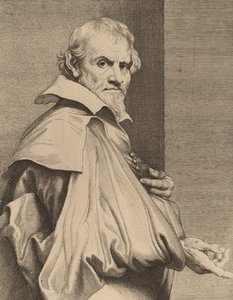
オラツィオ・ジェンティレスキ
1563 - 1639 , イタリア
プロフィール概要
- Artistic Movement Or Style: バロック、カラヴァッジョ派
- Artists Or Movements Influenced By This Artist:
- アルテミジア・ジェンティレスキ
- バロック美術
- Artists Who Influenced This Artist:
- カラヴァッジョ
- フランチェスコ・ダ・サングallo
- Date Of Birth: 1563年
- Date Of Death: 1639年
- Full Name: オラツィオ・ジェンティレスキ
- Nationality: イタリア人
- Notable Artworks (List Of Titles):
- ダナエ
- 受胎告知
- 聖母マリア
- Place Of Birth (City And Country): トスカーナ州、イタリア

