

 プレビュー
プレビュー
 シェアする
シェアする シェアする
シェアする
 詳細を見る
詳細を見る

 ダウンロード
 似ている作品
 X線調査
X線調査 スライドショー
 統計情報
統計情報Medea Rejuvenating Aeson


 詳細を見る
詳細を見る
手描き油彩複製画
当社のアーティストが、お客様のご希望のサイズと額縁に合わせて、キャンバスに手描きで制作する油彩画です。 ( プリント版に切り替え デジタル画像販売へ切り替え)




P118B $10

P118H $10

P118W $10

P438Z $10

P508JH $12

P508YH $12

P805H $10

P805Z $10

P919BZ $10

P919G $10

P919XJ $10

P959ZH $10

P968JZ $12

W106C $8

W218G $10

W218JH $8

W218Y $10

W307PJ $10

W316G $10

W316PJ $8

W316Y $10

W398PJ $8

W4111J $10

W500HY $15

W500JH $15

W692G $12

W849H $8

W940BG $15

W953PJ $8




作品のオリジナル比率に合わせた、当店の規定サイズからお選びください。

特定のフレームやスペースに合わせて、ご希望のサイズをご入力いただけます。選択されたサイズが元の画像の比率と異なる場合、アートワークをトリミングするか、手描きで要素を追加して絵画を拡張いたします。デジタルモックアップ を制作し、制作開始前にご確認(承認)をいただきます。
画面上のプレビューは、実際のトリミングや拡張を正確に反映しているものではありません。最終的な構図は、モックアップによってのみ正確にご確認いただけます。
カスタムサイズもご利用いただけますが、元の比率を維持するためには、あらかじめ用意されたリストからサイズを選択することをお勧めいたします。
ご注文後、ArtsDot.com チームより詳細な指示をお送りするとともに、仕上がりイメージ(モックアップ)をご提供いたします。


 ガラスオプションは、110cm未満のサイズでのみご利用いただけます。

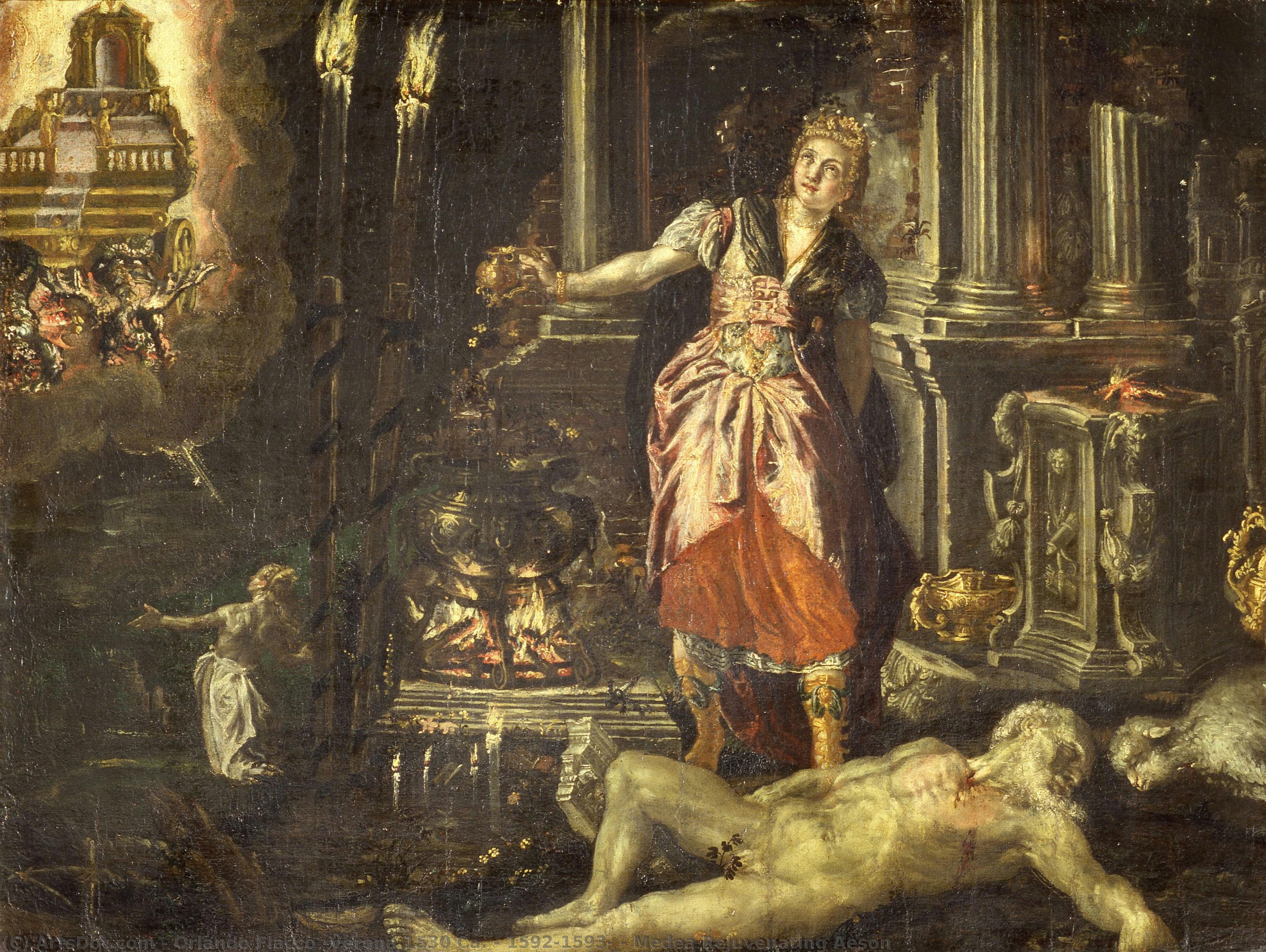
Medea Rejuvenating Aeson
複製技法
複製画のサイズ
-


合計金額
$ 263
A Nocturne of Magic and Myth
In the shadowy, enigmatic depths of Orlando Flacco’s Medea Rejuvenating Aeson, we are invited into a world where the boundaries between the mundane and the miraculous dissolve. This evocative masterpiece captures a pivotal moment of ancient sorcery, centered on the legendary figure of Medea. The scene unfolds as a masterful nocturne, utilizing a dramatic interplay of light and shadow to evoke the esoteric atmosphere of the late 16th century. As the sorceress performs her transformative ritual, turning a slain ram into a vibrant lamb within a bubbling cauldron, the viewer is drawn into a state of breathless anticipation. The painting does not merely depict a myth; it breathes life into the very concept of alchemy and the profound mystery of metamorphosis.
The composition is structured with a theatrical brilliance that suggests an epilogue unfolding in the distance. While the foreground focuses on the intense, concentrated energy of Medea’s magic, the background offers a glimpse of her eventual flight in a chariot drawn by dragons—a visual echo of Euripides' tragic narrative. This layering of time and action creates a profound sense of depth, making the canvas feel like a window into a multi-dimensional saga. For the discerning collector, this piece offers more than just aesthetic beauty; it provides a complex narrative tapestry that rewards repeated contemplation.
Mastery of Light and Mannerist Elegance
Technically, Flacco demonstrates an extraordinary command over the chiaroscuro effects that define the era's fascination with light. The illumination seems to emanate from the magical process itself, casting a spectral glow upon the faces of the onlookers and the surrounding landscape. This deliberate use of lighting serves to heighten the emotional tension, pulling the eye toward the center of the ritual while leaving much of the periphery shrouded in a mysterious, velvety darkness. The brushwork, though subtle, lends a tactile quality to the textures of the scene—from the heavy folds of the garments to the primal elements of the cauldron and the animals involved.
The stylistic influence of Mannerism is evident in the dramatic positioning of the figures and the heightened emotionality of their expressions. There is an inherent tension in the way the characters surround Medea, a mixture of awe, fear, and desperate hope that resonates deeply with anyone moved by the human condition. This piece is not merely a historical document but a psychological study of power and its consequences. For interior designers seeking to anchor a room with a sense of history and intellectual weight, this artwork serves as a sophisticated focal point, bringing an air of classical grandeur and storytelling intrigue to any curated space.
A Timeless Addition to the Connoisseur's Collection
Owning a reproduction of such a profound work is an opportunity to possess a fragment of the Renaissance spirit. Medea Rejuvenating Aeson embodies the intellectual curiosity of its time—a period where science, magic, and literature were inextricably linked. The painting’s ability to evoke both the terror of the unknown and the wonder of transformation makes it a versatile piece for high-end decor, whether placed in a library, a study, or a formal gallery setting.
As an investment in art appreciation, this work stands as a testament to the enduring power of myth. It invites conversation and serves as a bridge to the classical past, offering a sophisticated aesthetic that transcends modern trends. Whether you are drawn to its dark, atmospheric beauty or its complex historical layers, this painting promises to be a captivating presence that inspires awe and reflection for generations to come.
関連作品
アーティストの略歴
Quentin Matsys: A Pioneer of Antwerp’s Artistic Renaissance
Quentin Matsys, a figure shrouded in both legend and scholarly debate, stands as a pivotal artist within the burgeoning artistic landscape of 16th-century Flanders. Born around 1465/6 – though precise dates remain elusive, often debated between 1466 and 1470 – his life began not with brushes and pigments but with the clang of an anvil. Tradition holds that he was a skilled ironsmith in Leuven, Belgium, abandoning this practical trade to pursue his true calling: painting. This early apprenticeship, though perhaps embellished by folklore, speaks to a common thread among many artists of the period—a grounding in craftsmanship that informed their artistic sensibilities. Matsys’s career unfolded primarily in Antwerp, a vibrant port city rapidly becoming a center for commerce, culture, and artistic innovation. It was here, amidst the bustling workshops and competitive guild environment, that he established himself as a leading painter, laying the foundations for what would become known as the Antwerp School of painting. Matsys’s early works demonstrate a clear debt to Jan van Eyck and Rogier van der Weyden, the masters who had previously dominated Flemish art. His initial paintings are characterized by meticulous detail, rich colors, and a focus on realistic representation— hallmarks of the Early Netherlandish style. However, unlike his predecessors, Matsys gradually introduced elements that would distinguish his work: a subtle shift towards greater dynamism, a heightened sense of theatricality, and, crucially, a burgeoning interest in satire and moralizing themes. This evolution is particularly evident in his portraits, where he captured not just the outward appearance of his subjects but also their personalities and social standing with remarkable acuity. The “Ugly Duchess,” perhaps his most famous work, exemplifies this approach—a strikingly honest depiction of a woman whose beauty was far from conventional, offering a commentary on vanity and societal expectations.A Master of Technique and Innovation
Matsys’s technical skill is undeniable. He possessed an exceptional command of oil paint, utilizing layering techniques to achieve astonishingly luminous colors and intricate details. His use of perspective, while not entirely revolutionary at the time, was notably advanced for its era, creating a sense of depth and spatial realism in his compositions. However, Matsys’s true genius lay not just in replicating reality but in manipulating it—in subtly altering proportions, introducing unexpected gestures, and employing dramatic lighting to heighten emotional impact. He experimented with new compositional arrangements, often placing figures within complex, layered spaces that invited the viewer's eye to explore every corner of the canvas. Furthermore, Matsys was a pioneer in portraiture, developing innovative techniques for capturing likenesses and conveying personality. His portraits are not merely representations of individuals; they are psychological studies, offering glimpses into the inner lives of his subjects.The Antwerp School and Artistic Influence
Matsys is widely considered the founder of the Antwerp School of painting, a movement that profoundly shaped the course of Northern Renaissance art. His influence extended far beyond his own workshop, inspiring generations of artists who followed in his footsteps. Artists such as Joachim Patinir, Hugo van der Goes, and Pieter Bruegel the Elder all studied under Matsys or were directly influenced by his work. The Antwerp School’s distinctive style—characterized by its rich colors, meticulous detail, and often allegorical or moralizing themes—became a dominant force in Flemish painting throughout the 16th century. Matsys's emphasis on dynamism and theatricality paved the way for later artists to explore more expressive forms of representation.Themes and Symbolism
Matsys’s paintings frequently explored complex theological, moral, and philosophical themes. He was particularly interested in depicting scenes from the Bible, but he often approached these subjects with a critical eye, questioning traditional interpretations and offering alternative perspectives. His works are replete with symbolism—hidden meanings embedded within the details of his compositions. For example, in “The Temptation of St. Anthony,” the landscape itself becomes a metaphor for the spiritual struggles faced by the saint. His satirical depictions of contemporary society, such as the "Ugly Duchess," served as social commentary, challenging conventional notions of beauty and virtue.Legacy and Historical Significance
Quentin Matsys died in Antwerp in 1530, leaving behind a remarkably diverse body of work that continues to fascinate art historians today. While his life remains somewhat enigmatic—the details of his early training and personal life are shrouded in legend—his artistic legacy is firmly established. He was a pivotal figure in the transition from Early Netherlandish painting to Mannerism, bridging the gap between tradition and innovation. His pioneering techniques, his insightful portraits, and his willingness to challenge conventional norms cemented his place as one of the most important artists of the 16th century. His work serves as a testament to the vibrant artistic spirit of Antwerp during a period of profound social and cultural change, offering a valuable window into the complexities of Renaissance Europe.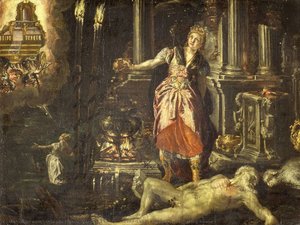
orlando flacco (verona 1530 ca. - 1592/1593)
1530 - 1592 , Italy
基本情報
- Artistic Movement Or Style: Early Netherlandish
- Artists Or Movements Influenced By This Artist: ['Antwerp School']
- Artists Who Influenced This Artist: ['Hans Memling']
- Date Of Birth: 1466/65
- Date Of Death: 1530
- Full Name: Quentin Matsys
- Nationality: Flemish
- Notable Artworks:
- The Ugly Duchess
- Assumption of the Virgin
- Place Of Birth: Leuven, Belgium
関連記事

The Enigmatic Realm of Magic Realism: Exploring Subconscious Narratives & Reality's Edge
Explore the captivating world of Magic Realism! Discover its origins, key artists like García Márquez & Colunga Marín, and how it blends reality with the fantastical. Expert insights & high-quality art reproductions at ArtsDot.
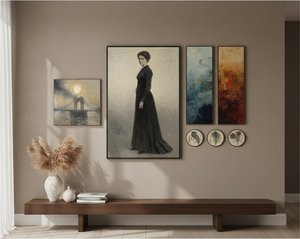
ジェームズ・マクニール・ホイストラー:至高の25選 - 美と調和を求めた芸術家の軌跡 | ArtsDot
ジェームズ・マクニール・ホイストラーの至高の25選。ノクターン、印象派、美しい色彩に満ちた作品群を紐解きます。ArtsDotで高品質なアートプリントとインテリアをお楽しみください。名画の世界へ – ArtsDot.com
神話と個人的な象徴が織りなす世界:油絵による自己の神話の表現
油絵で自己の神話を表現しませんか?象徴主義、色彩心理学、構図など専門的な知識を基に、内面世界を深掘りするアート作品をご提案。高級美術品からカスタムオーダーまで、ArtsDotがあなたの創造性をサポートします。
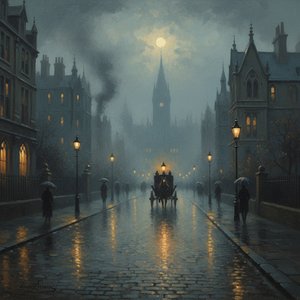
John Atkinson Grimshaw: Atmospheric Realism & the Victorian Nocturne
Explore the captivating world of John Atkinson Grimshaw, Victorian master of atmospheric nightscapes. Discover his iconic paintings, unique techniques & enduring legacy. Learn about collecting Grimshaw's art today!
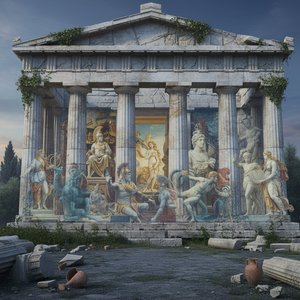
Echoes of Olympus: Mythological Narratives in Western Art Through the Ages
Explore the captivating history of mythological narratives in Western art! From ancient Greece to modern masterpieces, discover iconic artworks & symbolism. Expert analysis and high-quality reproductions at ArtsDot.