

 プレビュー
プレビュー
 プリントを購入
 シェアする
シェアする シェアする
シェアする
 詳細を見る
詳細を見る

 ダウンロード
 似ている作品
 X線調査
X線調査 スライドショー
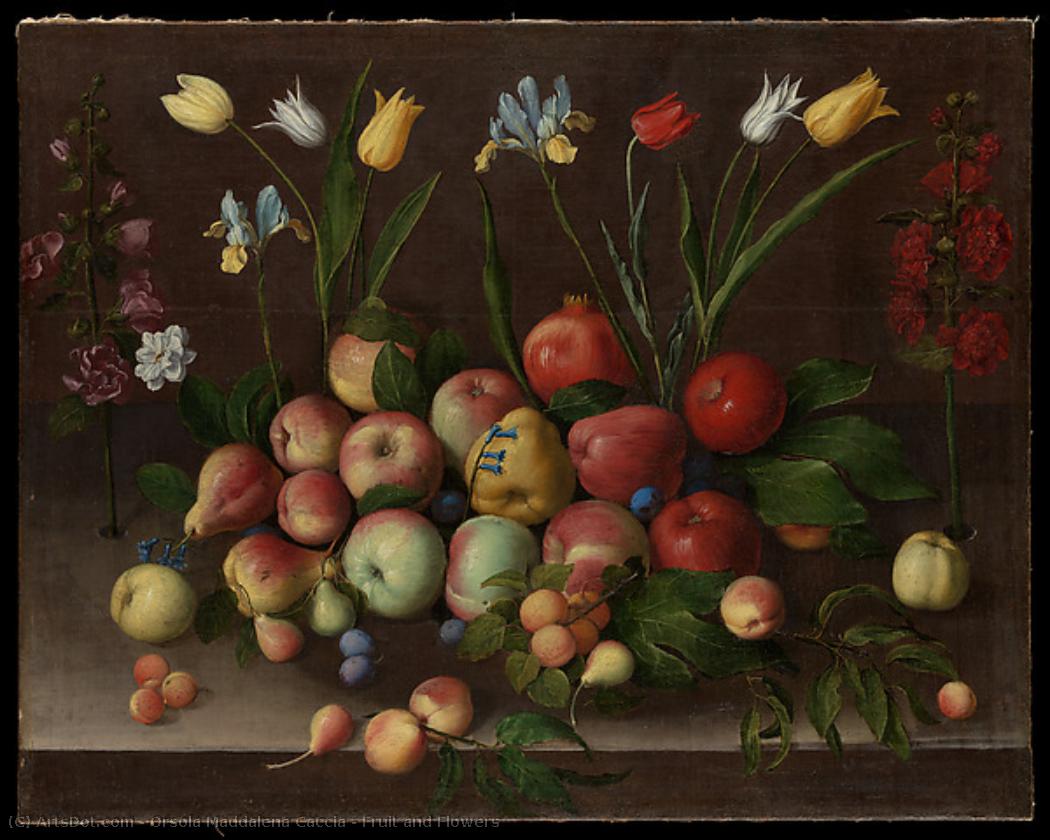
Fruit and Flowers
 Oil On Canvas
- WallArt
- Northern Mannerism
 1630
1630 76.0 x 99.0 cm
 メトロポリタン美術館
 詳細を見る
詳細を見る




P118B $10

P118H $10

P118W $10

P438Z $10

P508JH $12

P508YH $12

P805H $10

P805Z $10

P919BZ $10

P919G $10

P919XJ $10

P959ZH $10

P968JZ $12

W106C $8

W218G $10

W218JH $8

W218Y $10

W307PJ $10

W316G $10

W316PJ $8

W316Y $10

W398PJ $8

W4111J $10

W500HY $15

W500JH $15

W692G $12

W849H $8

W940BG $15

W953PJ $8




作品のオリジナル比率に合わせた、当店の規定サイズからお選びください。

特定のフレームやスペースに合わせて、ご希望のサイズをご入力いただけます。選択されたサイズが元の画像の比率と異なる場合、アートワークをトリミングするか、手描きで要素を追加して絵画を拡張いたします。デジタルモックアップ を制作し、制作開始前にご確認(承認)をいただきます。
画面上のプレビューは、実際のトリミングや拡張を正確に反映しているものではありません。最終的な構図は、モックアップによってのみ正確にご確認いただけます。
カスタムサイズもご利用いただけますが、元の比率を維持するためには、あらかじめ用意されたリストからサイズを選択することをお勧めいたします。
ご注文後、ArtsDot.com チームより詳細な指示をお送りするとともに、仕上がりイメージ(モックアップ)をご提供いたします。


 ガラスオプションは、110cm未満のサイズでのみご利用いただけます。

Fruit and Flowers
複製技法
複製画のサイズ
-


合計金額
$ 263
作品解説
Orsola Maddalena Caccia’s “Fruit and Flowers”: A Delicate Dance of Color and Symbolism
Orsola Maddalena Caccia (1596–1676) stands as a remarkable testament to artistic achievement within the confines of religious devotion—a figure whose legacy transcends mere skill, establishing her as a pioneer who fundamentally reshaped perceptions of female artists during the Baroque era. Unlike many contemporaries preoccupied with grand narratives and heroic subjects, Caccia’s oeuvre focused on intimate depictions of nature, specifically still lifes brimming with vibrant flora and luscious fruit. Her “Fruit and Flowers,” painted circa 1630, exemplifies this stylistic preference, offering a glimpse into both artistic innovation and the prevailing cultural sensibilities of her time.A Masterful Blend of Mannerism and Observation
Caccia’s approach to painting distinguishes itself from the dominant Northern European style prevalent during the period. While artists like Rembrandt meticulously rendered portraits with dramatic chiaroscuro—the interplay of light and shadow—Caccia embraced a Mannerist aesthetic characterized by stylized forms, flattened perspectives, and an emphasis on decorative detail. However, this stylistic choice wasn’t merely about adhering to convention; it served as a vehicle for conveying profound emotional resonance. Caccia's meticulous observation of the natural world – evident in the precise rendering of individual tulip stems and iris petals – contrasted sharply with the idealized representations favored by her peers, demonstrating an intellectual curiosity alongside artistic prowess.The Language of Flowers: Symbolism Within Still Life
“Fruit and Flowers” is more than just a beautiful arrangement; it’s laden with symbolic meaning rooted in Renaissance floral language. Roses, prominently positioned on the left side of the canvas, traditionally represent love and beauty—a sentiment echoed by their rich crimson hue. Alongside them are lilies, symbolizing purity and innocence, further enriching the visual narrative. The inclusion of apples – representing knowledge and temptation – introduces a subtle tension within the composition. These carefully chosen flowers weren’t simply decorative elements; they functioned as conduits for conveying complex ideas about faith, desire, and moral contemplation—themes central to Caccia's artistic vision.Technical Brilliance: Oil on Canvas and Delicate Brushwork
The painting’s execution showcases Caccia’s mastery of oil paint – a medium favored by artists across Europe during this period – allowing for unparalleled luminosity and tonal subtlety. Her brushstrokes are remarkably delicate, capturing the velvety texture of petals and the glistening sheen of fruit with astonishing accuracy. The artist skillfully utilized glazing techniques—applying thin layers of translucent pigment over previous coats—to build up depth and create a captivating illusion of three-dimensionality. This meticulous attention to detail underscores Caccia’s dedication to achieving artistic perfection and reflects the prevailing standards of excellence within the Venetian art world, where she honed her craft under the tutelage of Titian and Tintoretto.A Legacy of Quiet Innovation
“Fruit and Flowers” remains a captivating artwork not only for its aesthetic beauty but also for its historical significance—a beacon illuminating the path for women artists seeking recognition during a time when societal expectations often confined female creativity to domestic pursuits. Orsola Maddalena Caccia’s unwavering commitment to her craft, coupled with her profound understanding of artistic principles and symbolic language, cemented her place as one of the most influential painters of her era—a figure whose enduring legacy continues to inspire admiration and scholarly inquiry today.関連作品
アーティストの略歴
Orsola Maddalena Caccia: A Nun’s Revolutionary Art
Orsola Maddalena Caccia, born Theodora Caccia in Moncalvo, Italy, in 1596, stands as a pivotal figure in the history of art – a testament to creativity blossoming within the confines of religious life. Her journey, spanning nearly eight decades, is one of quiet revolution, challenging conventional notions about artistic practice and paving the way for women’s participation in the burgeoning world of painting during the 17th century. More than just a skilled artist, Orsola was a pioneer, an abbess, and a teacher who fundamentally shifted perspectives on the role of nuns within the church and as creators. Her legacy is not one of grand, public acclaim, but rather a slow, deliberate unveiling of a remarkable body of work that continues to captivate art historians today.A Life Shaped by Art and Faith
Orsola’s early life was deeply intertwined with the artistic traditions of her family. Born into a lineage of painters – her father, Guglielmo Caccia, was a respected artist in his own right – she received an invaluable education in technique and composition from a young age. She learned to mix pigments, study anatomy, and master the subtle nuances of perspective within her father’s studio, assisting him with preparatory sketches and secondary figures in his paintings. This apprenticeship provided a solid foundation for her future endeavors. However, Orsola's life took an unexpected turn when, at the age of twenty-four, she entered the Ursuline convent of Bianzè. This decision wasn’t merely a shift in lifestyle; it represented a profound transformation – a deliberate choice to dedicate her artistic talents to God and the community. The convent itself was strategically located on the borderlands between powerful warring states—Gonzaga, Mantua, Monferrato, and Savoy—necessitating its establishment as a safer haven for the Ursuline sisters. Her father’s foresight in securing permission and providing resources for this new foundation ensured that Orsola's artistic path would continue within the walls of her childhood home.The Convent Studio: A Space for Innovation
Upon relocating to the newly founded convent in Moncalvo, Orsola established a dedicated studio—a remarkable achievement for a woman operating within the constraints of religious life. This wasn’t simply a room where she painted; it was a center of artistic production and instruction. She welcomed novitiates into her workshop, imparting her knowledge and fostering a new generation of female artists within the convent community. This act of mentorship was revolutionary in itself – challenging the prevailing belief that women were incapable of serious artistic training or independent creative expression. Orsola’s influence extended beyond her immediate students; she became a respected figure within the local art scene, receiving commissions from patrons both near and far, including members of the nobility. Her work reflected a blend of Mannerist influences inherited from her father, combined with a distinctly personal style that emphasized emotional depth and meticulous detail.A Pioneer in Still Life and Religious Iconography
Orsola’s artistic output spanned several distinct genres: religious altarpieces, intimate devotional paintings, and, most notably, pioneering still lifes. While the Italian art world was beginning to embrace the dramatic innovations of Caravaggio and other Baroque masters, Orsola's work offered a quieter, more contemplative approach. Her still lifes, particularly those created later in her career, are considered groundbreaking for their time – showcasing an unprecedented level of detail and realism in depicting flowers, fruits, and everyday objects. These weren’t merely decorative elements; they were imbued with symbolic meaning, reflecting the convent's devotion to nature and God’s creation. Her religious paintings, often featuring depictions of the Virgin Mary and Christ Child, are characterized by a serene beauty and a profound sense of spirituality. The use of rich colors, intricate patterns, and carefully rendered figures creates an atmosphere of reverence and contemplation. She skillfully blended traditional iconography with subtle personal touches, imbuing her works with a unique emotional resonance.Legacy and Recognition
Orsola Maddalena Caccia’s life and work remained largely obscured for centuries after her death in 1676. Her contributions were overshadowed by the prominence of male artists and the limitations placed upon women within the art world. However, in recent decades, scholars have begun to recognize Orsola's significance as a truly exceptional artist – a woman who defied expectations, established a thriving artistic practice within a religious context, and profoundly influenced the development of both religious painting and still life in Italy. Her legacy is not one of fleeting fame but rather enduring recognition as a pioneer, an innovator, and a testament to the power of creativity to transcend social boundaries. Today, her paintings are treasured for their beauty, their technical skill, and their poignant reflection of a remarkable woman’s journey – a nun who dared to paint her way into art history.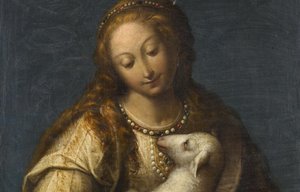
Orsola Maddalena Caccia
1596 - 1676 , Italy
基本情報
- Artistic Movement Or Style: Mannerism, Religious Painting
- Artists Or Movements Influenced By This Artist: ['Ursuline nuns']
- Artists Who Influenced This Artist: ['Guglielmo Caccia (father)']
- Date Of Birth: 1596-12-04
- Date Of Death: 1676
- Full Name: Orsola Maddalena Caccia
- Nationality: Italian
- Notable Artworks:
- Birth of the Virgin
- St. Luke in his Studio
- Place Of Birth: Moncalvo, Italy
関連記事
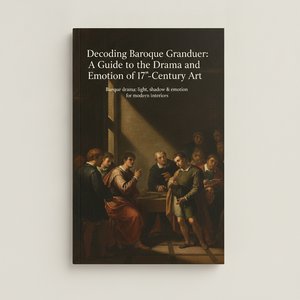
Decoding Baroque Grandeur: A Guide to the Drama and Emotion of 17th-Century Art
Explore the breathtaking drama of 17th-century Baroque art. Our expert guide decodes the use of chiaroscuro, emotional intensity, and historical grandeur to help you appreciate and curate timeless masterpieces for your collection.

バロック美術を極めた至宝:時代を彩る10大名作の世界
バロック美術の華!カラヴァッジョ、ベルニーニら巨匠が創り上げた10大名作を徹底解剖。ドラマチックな色彩と豪華絢爛の世界観に触れ、至宝のアートプリントで空間を彩ろう。ArtsDot.comで美術館品質の複製と洗練されたインテリアを見つけましょう!
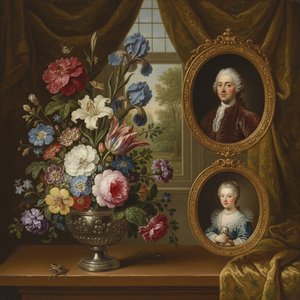
Jan van Kessel the Elder: A Baroque Master of Floral Still Life & Miniature Portraiture
Discover the exquisite detail of Jan van Kessel the Elder's Baroque floral still lifes & captivating miniatures. Explore his artistic legacy, scientific precision, and lasting influence on 17th-century Flemish painting.
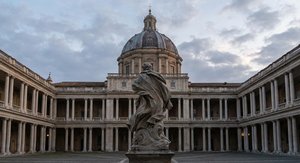
Baroque Classicism: Reconciling Drama & Order in 17th-Century Art
Explore the captivating world of Baroque Classicism! Discover its history, key artists like Caravaggio & Rubens, and defining characteristics. Expert insights & high-quality reproductions at ArtsDot.
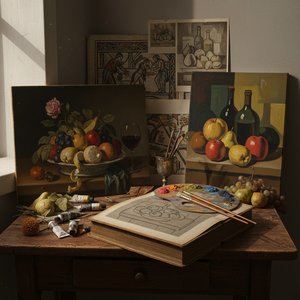
Silent Narratives: Exploring the Enduring Appeal of Still Life Painting Across Centuries
Explore the rich history of still life painting with ArtsDot. Discover Dutch Masters, decode vanitas symbolism & learn about collecting timeless art. Expert insights and museum-quality reproductions.

