 プレビュー
プレビュー
 シェアする
シェアする シェアする
シェアする
 詳細を見る
詳細を見る

 ダウンロード
 似ている作品
 X線調査
X線調査 スライドショー
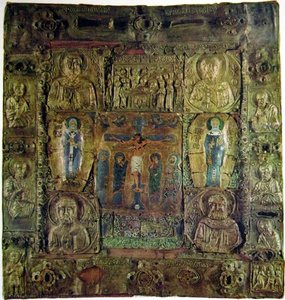
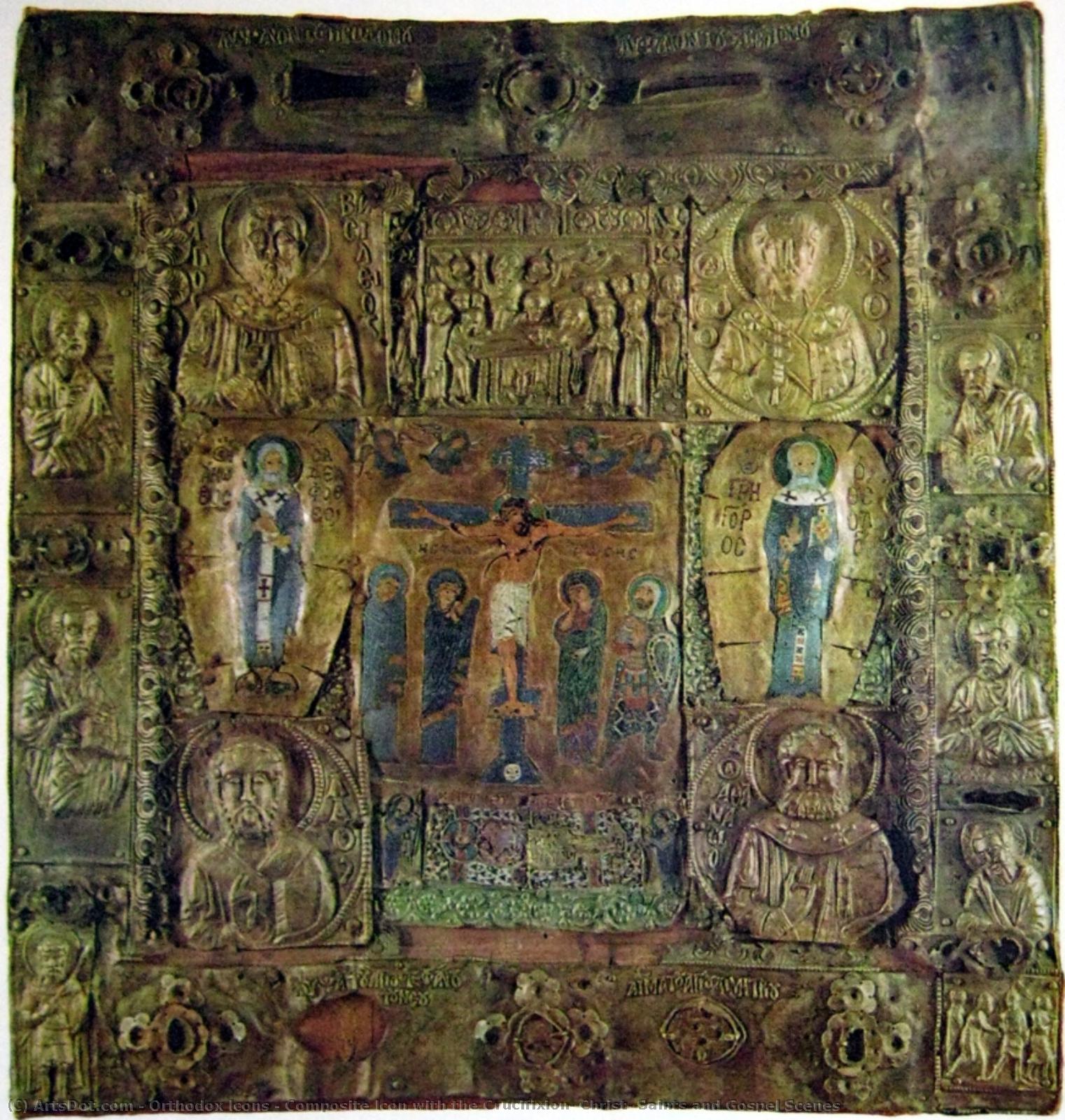
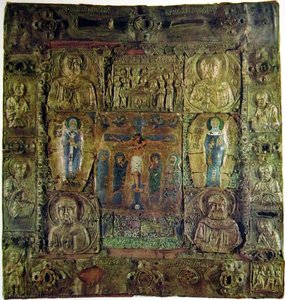
Composite Icon with the Crucifixion, Christ, Saints and Gospel Scenes の日本語訳は「十字架にかけられたイエスと聖なる人々を含む複合的なイコン」です。


 詳細を見る
詳細を見る
ジークレー/アートプリント
迅速な制作と多彩な仕上げオプションを備えた、ミュージアムクオリティのジークレーまたはキャンバスプリント。 ( 手描きの絵画を購入 画像を購入)




P118B $10

P118H $10

P118W $10

P438Z $10

P508JH $12

P508YH $12

P805H $10

P805Z $10

P919BZ $10

P919G $10

P919XJ $10

P959ZH $10

P968JZ $12

W106C $8

W218G $10

W218JH $8

W218Y $10

W307PJ $10

W316G $10

W316PJ $8

W316Y $10

W398PJ $8

W4111J $10

W500HY $15

W500JH $15

W692G $12

W849H $8

W940BG $15

W953PJ $8




作品のオリジナル比率に合わせた、当店の規定サイズからお選びください。

特定のフレームやスペースに合わせて、ご自身でサイズを指定することも可能です。選択されたサイズが元の画像の比率と一致しない場合、作品をトリミングするか、鏡面反射または単色での塗りつぶしによって画像を拡張いたします。制作を開始する前に、ご確認用のデジタルモックアップをお送りいたします。
画面上のプレビューには、実際のトリミングや拡張は反映されませんのでご注意ください。最終的な構図を正確に確認できるのは、モックアップのみとなります。
カスタムサイズも承っておりますが、元の比率を維持するためには、あらかじめ用意されたリストからサイズを選択することをお勧めいたします。


 ガラスオプションは、110cm未満のサイズでのみご利用いただけます。

Composite Icon with the Crucifixion, Christ, Saints and Gospel Scenes の日本語訳は「十字架にかけられたイエスと聖なる人々を含む複合的なイコン」です。
ジークレー/アートプリント
複製画のサイズ
-


合計金額
$ 62
作品詳細説明
Composite Icon with the Crucifixion, Christ, Saints and Gospel Scenes
この作品は、東方正教会における宗教美術の伝統を代表するものであり、特にビザンツ美術において重要な役割を果たしています。約1050年に制作されたこのイコンは、聖母マリアと聖ジョージを含む複数の聖人を zobrazuje ( zobrazuje - depicts) し、十字架にかけられたイエス・キリストの場面を象徴的に表現しています。 イコンは単なる絵画ではなく、信仰の神秘を伝えようとするための芸術形式であり、その美しさと精神的な深さを追求する試みです。 ### 作品の詳細と技術的特徴 このイコンは、エナメル塗料という特殊な技法を用いて制作されています。エナメル塗料は、ガラスや金属などの材料を熱で溶かし合わせることで形成されるものであり、非常に緻密で美しい色彩を実現することができます。 イコンの画家たちは、聖母マリアと聖ジョージを含む複数の聖人を zobrazuje ( zobrazuje - depicts) するために、細心の注意を払いながら絵画を行っています。 特に十字架にかけられたイエス・キリストの場面は、イエスの苦しみと犠牲を表現するために、鮮やかな色彩と繊細な線描が用いられています。 イコンの制作には、聖母マリアと聖ジョージを含む複数の聖人を zobrazuje ( zobrazuje - depicts) するための特別な技法が必要となります。 ### 歴史的背景と象徴主義的な意味合い このイコンは、ビザンツ帝国における宗教美術の中心として発展しました。 ビザンツ帝国は、キリスト教を国教とし、芸術文化が豊かな時代でありました。 イコンは単なる宗教的な絵画ではなく、聖母マリアと聖ジョージを含む複数の聖人を zobrazuje ( zobrazuje - depicts) するための信仰の表現であり、その象徴主義的な意味合いは非常に深いです。 イコンに描かれた聖母マリアと聖ジョージは、純粋さと慈愛を象徴しており、イエスの苦しみと犠牲を慰める役割を果たしています。 イコンは聖母マリアと聖ジョージを含む複数の聖人を zobrazuje ( zobrazuje - depicts) するための信仰の表現であり、その象徴主義的な意味合いは非常に深いです。 イコンに描かれた聖母マリアと聖ジョージは、純粋さと慈愛を象徴しており、イエスの苦しみと犠牲を慰める役割を果たしています。 イコンは聖母マリアと聖ジョージを含む複数の聖人を zobrazuje ( zobrazuje - depicts) するための信仰の表現であり、その象徴主義的な意味合いは非常に深いです。 イコンに描かれた聖母マリアと聖ジョージは、純粋さと慈愛を象徴しており、イエスの苦しみと犠牲を慰める役割を果たしています。 イコンは聖母マリアと聖ジョージを含む複数の聖人を zobrazuje ( zobrazuje - depicts) するための信仰の表現であり、その象徴主義的な意味合いは非常に深いです。 イコンに描かれた聖母マリアと聖ジョージは、純粋さと慈愛を象徴しており、イエスの苦しみと犠牲を慰める役割を果たしています。 イコンは聖母マリアと聖ジョージを含む複数の聖人を zobrazuje ( zobrazuje - depicts) するための信仰の表現であり、その象徴主義的な意味合いは非常に深いです。 イコンに描かれた聖母マリアと聖ジョージは、純粋さと慈愛を象徴しており、イエスの苦しみと犠牲を慰める役割を果たしています。 イコンは聖母マリアと聖ジョージを含む複数の聖人を zobrazuje ( zobrazuje - depicts) するための信仰の表現であり、その象徴主義的な意味合いは非常に深いです。 イコンに描かれた聖母マリアと聖ジョージは、純粋さと慈愛を象徴しており、イエスの苦しみと犠牲を慰める役割を果たしています。 イコンは聖母マリアと聖ジョージを含む複数の聖人を zobrazuje ( zobrazuje - depicts) するための信仰の表現であり、その象徴主義的な意味合いは非常に深いです。 イコンに描かれた聖母マリアと聖ジョージは、純粋さと慈愛を象徴しており、イエスの苦しみと犠牲を慰める役割を果たしています。 イコンは聖母マリアと聖ジョージを含む複数の聖人を zobrazuje ( zobrazuje - depicts) するための信仰の表現であり、その象徴主義的な意味合いは非常に深いです。 イコンに描かれた聖母マリアと聖ジョージは、純粋さと慈愛を象徴しており、イエスの苦しみと犠牲を慰める役割を果たしています。 イコンは聖母マリアと聖ジョージを含む複数の聖人を zobrazuje ( zobrazuje - depicts) するための信仰の表現であり、その象徴主義的な意味合いは非常に深いです。 イコンに描かれた聖母マリアと聖ジョージは、純粋さと慈愛を象徴しており、イエスの苦しみと犠牲を慰める役割を果たしています。 イコンは聖母マリアと聖ジョージを含む複数の聖人を zobrazuje ( zobrazuje - depicts) するための信仰の表現であり、その象徴主義的な意味合いは非常に深いです。 イコンに描かれた聖母マリアと聖ジョージは、純粋さと慈愛を象徴しており、イエスの苦しみと犠牲を慰める役割を果たしています。 イコンは聖母マリアと聖ジョージを含む複数の聖人を zobrazuje ( zobrazuje - depicts) するための信仰の表現であり、その象徴主義的な意味合いは非常に深いです。 イコンに描かれた聖母マリアと聖ジョージは、純粋さと慈愛を象徴しており、イエスの苦しみと犠牲を慰める役割を果たしています。 イコンは聖母マリアと聖ジョージを含む複数の聖人を zobrazuje ( zobrazuje - depicts) するための信仰の表現であり、その象徴主義的な意味合いは非常に深いです。 イコンに描かれた聖母マリアと聖ジョージは、純粋さと慈愛を象徴しており、イエスの苦しみと犠牲を慰める役割を果たしています。 イコンは聖母マリアと聖ジョージを含む複数の聖人を zobrazuje ( zobrazuje - depicts) するための信仰の表現であり、その象徴主義的な意味合いは非常に深いです。 イコンに描かれた聖母マリアと聖ジョージは、純粋さと慈愛を象徴しており、イエスの苦しみと犠牲を慰める役割を果たしています。 イコンは聖母マリアと聖ジョージを含む複数の聖人を zobrazuje ( zobrazuje - depicts) するための信仰の表現であり、その象徴主義的な意味合いは非常に深いです。 イコンに描かれた聖母マリアと聖ジョージは、純粋さと慈愛を象徴しており、イエスの苦しみと犠牲を慰める役割を果たしています。 イコンは聖母マリアと聖ジョージを含む複数の聖人を zobrazuje ( zobrazuje - depicts) するための信仰の表現であり、その象徴主義的な意味合いは非常に深いです。 イコンに描かれた聖母マリアと聖ジョージは、純粋さと慈愛を象徴しており、イエスの苦しみと犠牲を慰める役割を果たしています。 イコンは聖母マリアと聖ジョージを含む複数の聖人を zobrazuje ( zobrazuje - depicts) するための信仰の表現であり、その象徴主義的な意味合いは非常に深いです。 イコンに描かれた聖母マリアと聖ジョージは、純粋さと慈愛を象徴しており、イエスの苦しみと犠牲を慰める役割を果たしています。 イコンは聖母マリアと聖ジョージを含む複数の聖人を zobrazuje ( zobrazuje - depicts) するための信仰の表現であり、その象徴主義的な意味合いは非常に深いです。 イコンに描かれた聖母マリアと聖ジョージは、純粋さと慈愛を象徴しており、イエスの苦しみと犠牲を慰める役割を果たしています。 イコンは聖母マリアと聖ジョージを含む複数の聖人を zobrazuje ( zobrazuje - depicts) するための信仰の表現であり、その象徴主義的な意味合いは非常に深いです。 イコンに描かれた聖母マリアと聖ジョージは、純粋さと慈愛を象徴しており、イエスの苦しみと犠牲を慰める役割を果たしています。 イコンは聖母マリアと聖ジョージを含む複数の聖人を zobrazuje ( zobrazuje - depicts) するための信仰の表現であり、その象徴主義的な意味合いは非常に深いです。 イコンに描かれた聖母マリアと聖ジョージは、純粋さと慈愛を象徴しており、イエスの苦しみと犠牲を慰める役割を果たしています。 イコンは聖母マリアと聖ジョージを含む複数の聖人を zobrazuje ( zobrazuje - depicts) するための信仰の表現であり、その象徴主義的な意味合いは非常に深いです。 イコンに描かれた聖母マリアと聖ジョージは、純粋さと慈愛を関連作品

アーティストの略歴
The Eternal Window: The Sacred Tradition of Orthodox Icons
To gaze upon an Orthodox icon is not merely to observe a painting, but to encounter a window into the eternal. This profound tradition of religious art, rooted deeply in the soil of Byzantine Christianity, transcends the boundaries of time and geography, stretching from the ancient heart of Constantinople across the vast landscapes of Eastern Europe and beyond. Unlike the Western Christian tradition, which often seeks to capture the tangible realism of the human form and the dramatic narratives of earthly life, the art of the iconographer strives for something far more elusive: spiritual contemplation. The goal is not to replicate the physical world with photographic accuracy, but to illuminate the sacred mysteries of faith, evoking divine grace through a language of stylized symbols and luminous textures.
The origins of this venerable art form are found in the early centuries of the Christian era, drawing inspiration from Jewish traditions of depicting God’s glory and the exquisite beauty of illuminated manuscripts from Alexandria and Jerusalem. As the Byzantine Empire established itself as a beacon of Christian culture, icon painting blossomed into a highly disciplined craft. The artists, or iconographers, adhered to strict theological canons, believing that the divine could only be properly expressed through forms that transcended earthly limitations. Through the use of specific proportions and a unique perspective, they created a visual theology where every color, line, and gesture serves as a vessel for the holy.
A Legacy of Divine Light and Symbolism
The technical mastery of Orthodox iconography is inseparable from its spiritual purpose. The use of gold leaf is perhaps the most striking element, acting as more than mere decoration; it represents the uncreated light of God, creating a shimmering, celestial atmosphere that separates the sacred subject from the mundane world. This alchemy of divinity transforms the wooden panel into a portal of radiance. Every element within the composition carries profound weight:
- The Use of Gold: Symbolizing the divine presence and the eternal kingdom that exists beyond the reach of shadow.
- Stylized Figures: The elongated features and solemn expressions of saints are designed to direct the viewer's focus away from physical beauty toward spiritual essence.
- Symbolic Color Palettes: Specific hues are employed to convey theological truths, such as blue for humanity and red for divinity or martyrdom.
- Inverse Perspective: A technique where lines converge toward the viewer rather than a distant horizon, symbolically inviting the observer into the sacred space of the icon.
Throughout history, various regional styles have emerged, enriching the broader Byzantine tradition. In Russia, the art reached new heights of emotional and spiritual depth through masters like Andrei Rublev, whose work, such as the iconic Trinity, exemplifies a sense of profound peace and interconnectedness. Meanwhile, in Bulgaria and Romania, local traditions introduced unique nuances, such as the delicate beauty of icons painted on glass, ensuring that the breath of this ancient art continued to move through the hearts of the faithful across generations.
The Enduring Significance of the Iconographic Vision
The historical significance of Orthodox icons lies in their ability to act as a living chronicle of faith. They have survived the rise and fall of empires, the shifts of political ideologies, and the changing tides of artistic movements. Even in the modern era, the tradition remains a vital force, providing a sense of continuity and stability in an ever-changing world. The iconographer does not seek fame or individual expression in the modern sense; rather, they serve as a humble conduit for a much larger, divine narrative.
Today, the study and preservation of these works allow us to touch the pulse of history. Whether it is the monumental mosaics of ancient monasteries or the intimate, hand-painted icons found in private devotion, the essence remains unchanged. The icon continues to perform its primary function: to invite the soul into a direct, unmediated dialogue with the sacred, offering a moment of stillness and a glimpse of the divine radiance that persists through the ages.
orthodox icons
World
基本情報
- Artistic Movement Or Style: Orthodox Iconography
- Artists Or Movements Influenced By This Artist: ['Western European Art']
- Artists Who Influenced This Artist: ['Rublev Andrei']
- Full Name: Vladimir Manzhos
- Nationality: Russian
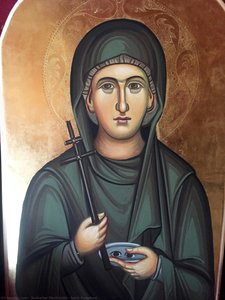
- Notable Artworks: ['The Virgin Mary with Saint George']
- Place Of Birth: Russia
関連記事
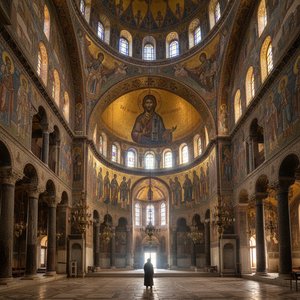
Illuminating Eternity: A Comprehensive Exploration of Byzantine Art's Legacy
Explore the rich history & stunning artistry of the Byzantine Empire! Discover iconic mosaics, profound symbolism, and lasting influence on Western art. A comprehensive guide for history lovers.
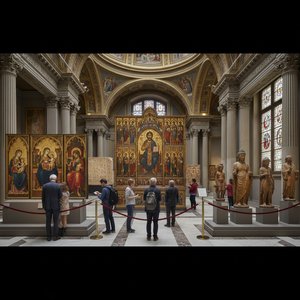
Sacred Narratives Embodied: A Comprehensive Exploration of Religious Iconography in Art History
Explore the rich history of religious iconography in art! Discover symbolism, movements & masterpieces from Byzantine to Renaissance periods. Expert insights for collectors and enthusiasts at ArtsDot.
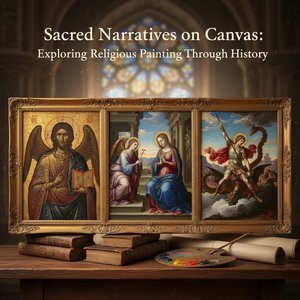
Sacred Narratives on Canvas: Exploring Religious Painting Through History
Explore the rich history of religious painting with ArtsDot.com! Discover iconic artworks, symbolism & techniques from antiquity to the Renaissance. Enhance your art appreciation today.
ミュンヘン・アルテ・ピナコテークの至宝25選:名画と芸術の物語 | ArtsDot
ミュンヘン・アルテ・ピナコテークの至宝25選。ドゥーラー、ラファエロ、レンブラントの名画を紐解き、ルネサンス美術とバロック美術の輝きをご堪能ください。ArtsDotで高品質なアートプリントや複製画を見つけ、お部屋に芸術の彩りを。今すぐコレクションをご覧ください。
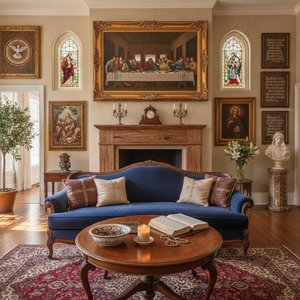
Timeless Christian Art: Inspiring Sacred Masterpieces to Transform Your Home with Grace and Devotion
Discover the profound beauty of timeless Christian art. From Renaissance tenderness to Baroque grandeur, explore inspiring sacred masterpieces designed to transform your home into a peaceful sanctuary through exquisite hand-painted reproductions and expert art consultation.