 プレビュー
プレビュー
 プリントを購入
 シェアする
シェアする シェアする
シェアする
 詳細を見る
詳細を見る

 ダウンロード
 似ている作品
 X線調査
X線調査 スライドショー
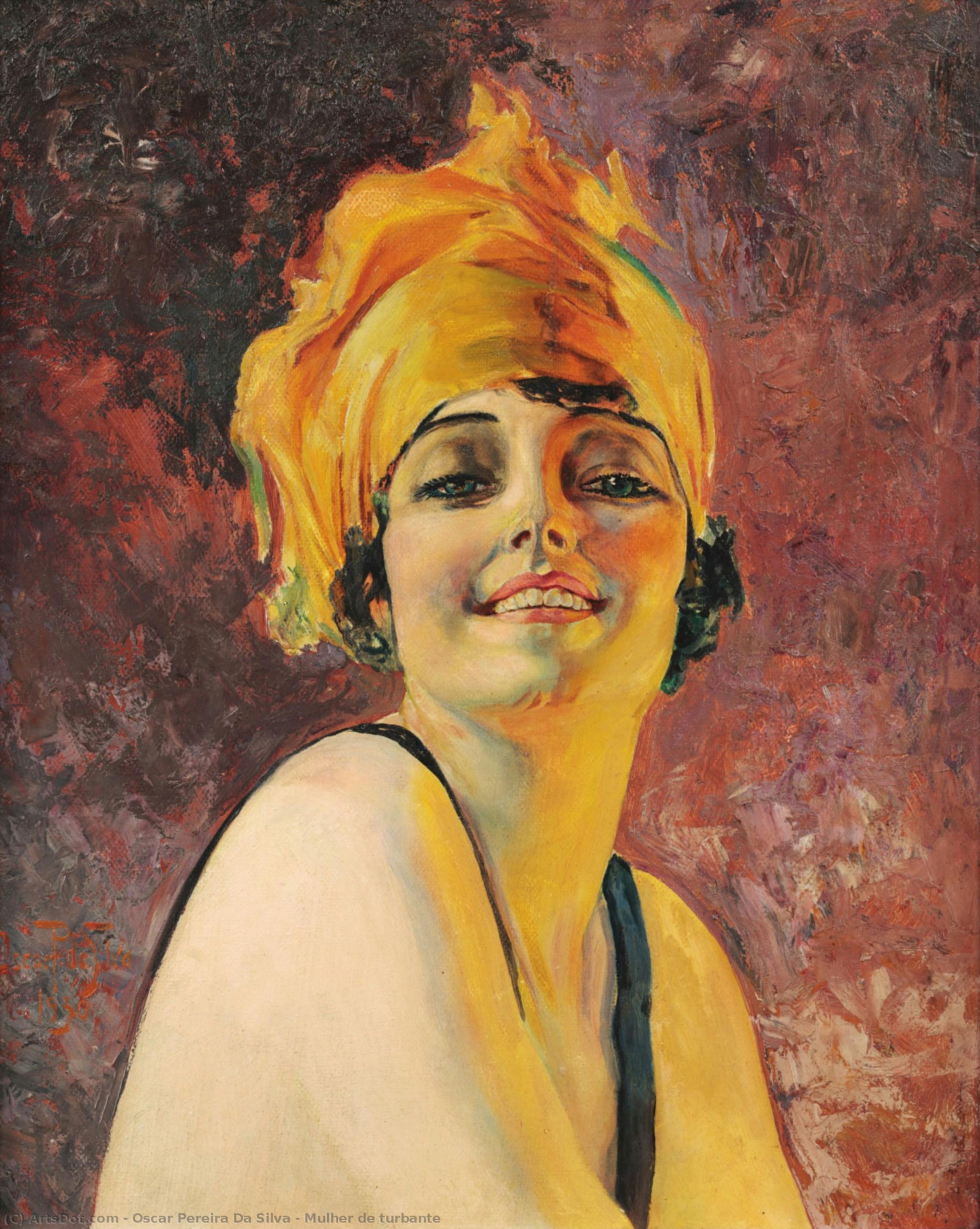
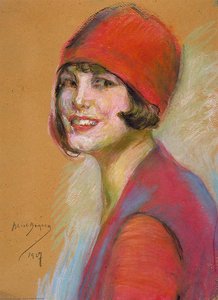
Mulher de turbante
 Oil On Canvas
- WallArt
- Art Deco
 1930
1930 41.0 x 33.0 cm
 Pinacoteca do Estado de São Paulo
 詳細を見る
詳細を見る




P118B $10

P118H $10

P118W $10

P438Z $10

P508JH $12

P508YH $12

P805H $10

P805Z $10

P919BZ $10

P919G $10

P919XJ $10

P959ZH $10

P968JZ $12

W106C $8

W218G $10

W218JH $8

W218Y $10

W307PJ $10

W316G $10

W316PJ $8

W316Y $10

W398PJ $8

W4111J $10

W500HY $15

W500JH $15

W692G $12

W849H $8

W940BG $15

W953PJ $8




作品のオリジナル比率に合わせた、当店の規定サイズからお選びください。

特定のフレームやスペースに合わせて、ご希望のサイズをご入力いただけます。選択されたサイズが元の画像の比率と異なる場合、アートワークをトリミングするか、手描きで要素を追加して絵画を拡張いたします。デジタルモックアップ を制作し、制作開始前にご確認(承認)をいただきます。
画面上のプレビューは、実際のトリミングや拡張を正確に反映しているものではありません。最終的な構図は、モックアップによってのみ正確にご確認いただけます。
カスタムサイズもご利用いただけますが、元の比率を維持するためには、あらかじめ用意されたリストからサイズを選択することをお勧めいたします。
ご注文後、ArtsDot.com チームより詳細な指示をお送りするとともに、仕上がりイメージ(モックアップ)をご提供いたします。


 ガラスオプションは、110cm未満のサイズでのみご利用いただけます。

Mulher de turbante
複製技法
複製画のサイズ
-


合計金額
$ 263
作品解説
The Enigmatic Beauty of *Mulher de Turbante*
Oscar Pereira da Silva’s *Mulher de Turbante*, painted in 1930, is more than just a portrait; it's a captivating glimpse into the heart of Brazilian identity and artistic evolution. Born in São Fidélis, Brazil, in 1867, Da Silva emerged as a pivotal figure during a period of profound transformation for his nation – transitioning from imperial rule to the nascent Republic. His art served not only as a visual record but also as a deliberate engagement with this shifting historical landscape, imbued with a unique blend of academic training and a distinctly Brazilian sensibility.
The painting immediately draws the eye with its vibrant palette dominated by yellows and oranges, skillfully layered to create an atmosphere of warmth and vitality. The subject, a woman radiating confidence and allure, is presented in a strikingly loose style – a departure from the rigid formality of earlier academic traditions. Da Silva employs expressive brushstrokes, prioritizing emotional impact over photographic realism, leaning heavily into the burgeoning Impressionistic movement that was gaining traction across Europe at the time. This technique lends the work a sense of dynamism, as if capturing a fleeting moment of joy and grace.
A Portrait Steeped in Symbolism
The most striking element of *Mulher de Turbante* is undoubtedly the woman’s elaborate yellow turban – a detail that transcends mere ornamentation. In this context, it's likely a potent symbol of glamour, exoticism, and perhaps even a connection to Brazilian cultural heritage. The choice of yellow itself carries significant weight; associated with royalty, prosperity, and enlightenment, it elevates the subject to a position of importance and beauty. The swirling patterns in the background further contribute to this sense of movement and dynamism, suggesting both the woman’s vibrant spirit and the energy of Brazil itself.
Furthermore, considering Da Silva's life and career, the turban can be interpreted as a nod to the influence of Art Deco aesthetics, which were gaining popularity during this period. The stylized forms and bold colors found in *Mulher de Turbante* reflect this trend, adding an element of sophistication and modernity to the portrait.
Craftsmanship and Historical Context
Painted in 1930, *Mulher de Turbante* represents a fascinating intersection of artistic influences. Da Silva’s early training at the Imperial Academy of Fine Arts instilled within him a deep respect for classical techniques, evident in his meticulous attention to detail and masterful use of light and shadow. However, he skillfully integrated these traditions with the more expressive approaches of Impressionism and Art Deco, creating a unique style that is distinctly Brazilian.
The painting’s creation coincided with a period of significant social and political change in Brazil. The country was grappling with its transition to a republic, and artists were increasingly exploring themes of national identity and cultural heritage. Da Silva's work reflects this broader context, offering a nuanced portrait of Brazilian society during a time of great upheaval.
A Timeless Masterpiece
*Mulher de Turbante* is not merely a beautiful painting; it’s a powerful testament to Oscar Pereira da Silva’s artistic vision and his deep understanding of the Brazilian spirit. Its vibrant colors, expressive brushstrokes, and evocative symbolism continue to captivate viewers today, offering a glimpse into a bygone era and a profound appreciation for the beauty and complexity of Brazilian art.
Reproductions of this captivating work are available through ArtsDot.com, allowing you to bring this timeless masterpiece into your home or office – a vibrant reminder of Brazil’s rich artistic heritage.
関連作品

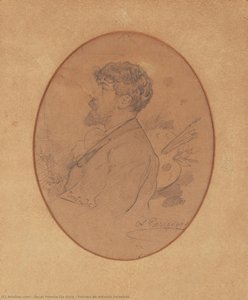
![[hercule Florence] — オスカル・ペレイラ・ダ・シルヴァ, Academic Portraiture](/media/artworks/images-thumb/6e/59/6e59d1f45a12e06cc4a46aa211b8e19f.jpg)
アーティストの略歴
ブラジルの歴史を彩る一筆:オスカル・ペレイラ・ダ・シルヴァの生涯と芸術
1867年、ブラジルの小さな町サン・フィデリスに生まれたオスカル・ペレイラ・ダ・シルヴァは、国家の芸術的景観における極めて重要な人物としてその名を刻みました。彼の人生は、帝政の終焉から共和制の勃興へと向かう、ブラジルにとって激動の変革期と重なります。彼の芸術は、こうした時代の移り変わりを映し出す鏡であると同時に、歴史的物語へと意図的に向き合うための手段でもありました。幼い頃から絵画への情熱を燃やした彼は、1882年に帝国美術アカデミーに入学します。そこでエリス・ヴィスコンティ、エドゥアルド・サ、ジョアン・バティスタ・ダ・コスタといった高名な芸術家たちの指導を受け、その技術を磨き上げました。この時期に築かれた基礎は、数十年にわたるキャリアの礎となり、ブラジル美術に消えることのない足跡を残すこととなったのです。アカデミックな訓練を通じて培われた古典的技法への畏敬の念は、後の彼の作品を定義づける大きな特徴となりました。彼は単に様式を模倣したのではなく、構図、解剖学、光と影といった芸術の本質的な原理を吸収し、それらを自らの芸術的ビジョンとして表現することに成功したのです。パリのサロンからサンパウロの芸術の核心へ
ペレイラ・ダ・シルヴァの野心は、ブラジルの国境を越えて広がっていました。1889年、彼はペドロ2世皇帝から授与された念願の奨学金を得て、パリへと旅立ちます。エコール・デ・ボザールでの日々は、ジャン=レオン・ジェロームやレオン・ボナといった巨匠たちの影響下で過ごす、極めて重要な形成期となりました。しかし、ヨーロッパを席巻していた前衛的な運動に身を投じた同時代の多くの画家たちとは異なり、ペレイラ・ダ・シルヴァは伝統的な美学への信念を貫きました。彼は決して革新を拒絶したわけではなく、むしろ確立された技法を洗練させ、自らの芸術的目標に合わせて適応させる道を選んだのです。1896年にブラジルへ帰国すると、彼はサンパウロに定住し、急速に発展する同市の芸術界において中心的な存在となりました。画家としての活動にとどまらず、教育にも情熱を注ぎ、サンパロット工芸学校などで教鞭を執ったほか、後の美術学校へと発展するヌクレオ・アルティスティコを設立しました。この教育への献身は、芸術的訓練と古典技法の継承がいかに重要であるかという彼の信念を物語っています。国家のテーマと芸術的様式
ペレイラ・ダ・シルヴァの作品群は驚くほど多岐にわたり、歴史画、肖像画、宗教画、風俗画、静物画、そして風景画まで網羅しています。しかし、彼のキャリアを通じて一貫しているのは、ブラジルの歴史とアイデンティティの探求です。20世紀初頭、ブラジルでナショナリズムが高まる中、彼は『ポルト・セグロへのカブラルの上陸』や『サンパウロの創建』といった壮大な規模の歴史画でそれに応えました。これらの作品は単なる過去の出来事の挿絵ではなく、国家の誇りと集団的記憶を呼び起こすために緻密に構成された物語でした。また、肖像画においても卓越した才能を発揮し、サンパウロ社会の著名人たちの姿を捉えました。彼の肖像画は、細部への徹底したこだわり、心理的な洞察、そして優雅な構図を特徴としています。さらに、教会や礼拝堂のために描かれた数多くの宗教画では、構図と色彩における熟練した技量を見せつけました。特筆すべきは、彼がブラジルの民俗的伝統をあえて作品に取り入れることを避け、ヨーロッパの巨匠たちからインスピズムを得た「アンティーク・スタイル」を選択した点です。この様式的な選択は、美術史家の間で議論の対象となってきました。一部では、あまりにアカデミックでブラジルの文化的現実から乖離しているという批判もありましたが、一方でその技術的な輝きと芸術的な誠実さを称賛する声も多く存在します。遺産と永続する影響力
1939年、オスカル・ペレイラ・ダ・シルヴァはサンパウロでその生涯を閉じましたが、彼が残した豊かな遺産は今なおブラジル美術史の中で響き続けています。彼の作品はサンパウロ州立ピナコテカやイピランガ博物館に堂々と展示されており、訪れる人々は彼の芸術的功績を包括的に目にすることができます。あからさまな「ブラジルらしさ」を拒絶した姿勢が一部から批判を浴びることもありましたが、その卓越した技術、構図の妙、そして歴史的物語への献身は否定しようのないものです。彼は、ヨーロッパのアカデミックな伝統とブラジルの国家的アイデンティティが交差する魅力的な接点を象徴しており、自らの文化的形成に苦闘する国家の複雑さと矛盾を体現しています。芸術的な革新と確立された技法への敬意を両立させようとした後世のブラジル人芸術家たちの作品の中にも、彼の影を見出すことができます。ペレイラ・ダ・シルヴァの芸術は、歴史とは単なる事実の集積ではなく、芸術家の眼を通じて絶えず再解釈され、再構築され続ける生きた物語であることを、私たちに力強く思い出させてくれます。 彼の絵画は、ブラジルの過去、現在、そして未来を深く見つめるよう私たちを誘い、悠久の時の流れの中における私たち自身の在り方を問いかけてくるのです。さらなる探求のために
- ArtsDot: 厳選された彼の作品集を見る: https://ArtsDot.com/@/oscar-pereira-da-silva
- Wikipedia: 彼の生涯とキャリアをより深く知る: https://en.wikipedia.org/wiki/oscar_pereira_da_silva
- イピランガ博物館コレクション (via ArtsDot): この歴史的な博物館に収蔵された作品を探索する: /ja/art/show/art-d3bb4k-ja/
- サンパウロ州立ピナコテカ展覧会 (via ArtsDot): この名高いギャラリーで展示されている作品を見つける: /ja/art/show/art-d3bqyz-ja/
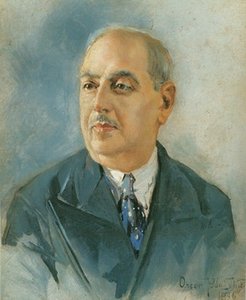
オスカル・ペレイラ・ダ・シルヴァ
1867 - 1939 , ブラジル
基本情報
- Artistic Movement Or Style: アンティーク様式
- Artists Who Influenced This Artist:
- エリゼウ・ヴィスコンティ
- ジャン=レオン・ジェローム
- レオン・ボナ
- Date Of Birth: 1867年8月29日
- Date Of Death: 1939年1月17日
- Full Name: オスカル・ペレイラ・ダ・シルヴァ
- Nationality: ブラジル人
- Notable Artworks:
- 風景
- 女性の裸体
- ローマの奴隷
- Place Of Birth: ブラジル、サン・フィデリス
関連記事

レオナルド・ダ・ヴィンチ:至高の25選 - 芸術、科学、そして不朽の名作の世界
レオナルド・ダ・ヴィンチの至宝25選。モナリザ、最後の晩餐…ルネサンス美術を代表する名画の世界へ。芸術史、技法、そして感動の物語を紐解き、お部屋に飾る高級複製画で特別な空間を。ArtsDot.comで全コレクションをご覧ください。

The Enduring Legacy of Oil on Canvas: Technique, History & Aesthetic Impact
Explore the rich history & techniques of oil painting – from Renaissance masters to Impressionism. Discover pigments, layering methods, and why this timeless medium endures. Expert insights for artists & art enthusiasts.
Leonardo da Vinci: A Renaissance Master’s Synthesis of Art, Science & Human Observation – Reinterpreted for the Collector
Explore Leonardo da Vinci’s timeless masterpieces with ArtsDot. Discover insights into his art, science, and legacy – trusted expertise for discerning collectors seeking authentic reproductions & investment opportunities.

Oil on Canvas: A Historical & Technical Exploration of a Timeless Artistic Medium
Explore the rich history & enduring techniques of oil painting on canvas. Discover the science behind its longevity, conservation practices, and contemporary relevance. Expert insights for art enthusiasts.
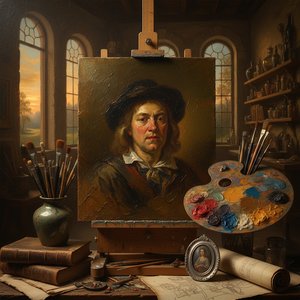
The Enduring Legacy of Oil Paint: Technique, History & Emotional Resonance in Western Art
Explore the rich history & techniques of oil painting! Discover Renaissance masters, scientific principles behind color, and emotional resonance in art. Learn about glazing, layering, and atmospheric perspective – a guide for enthusiasts & collectors.