

 プレビュー
プレビュー
 シェアする
シェアする シェアする
シェアする
 詳細を見る
詳細を見る

 ダウンロード
 似ている作品
 X線調査
X線調査 スライドショー
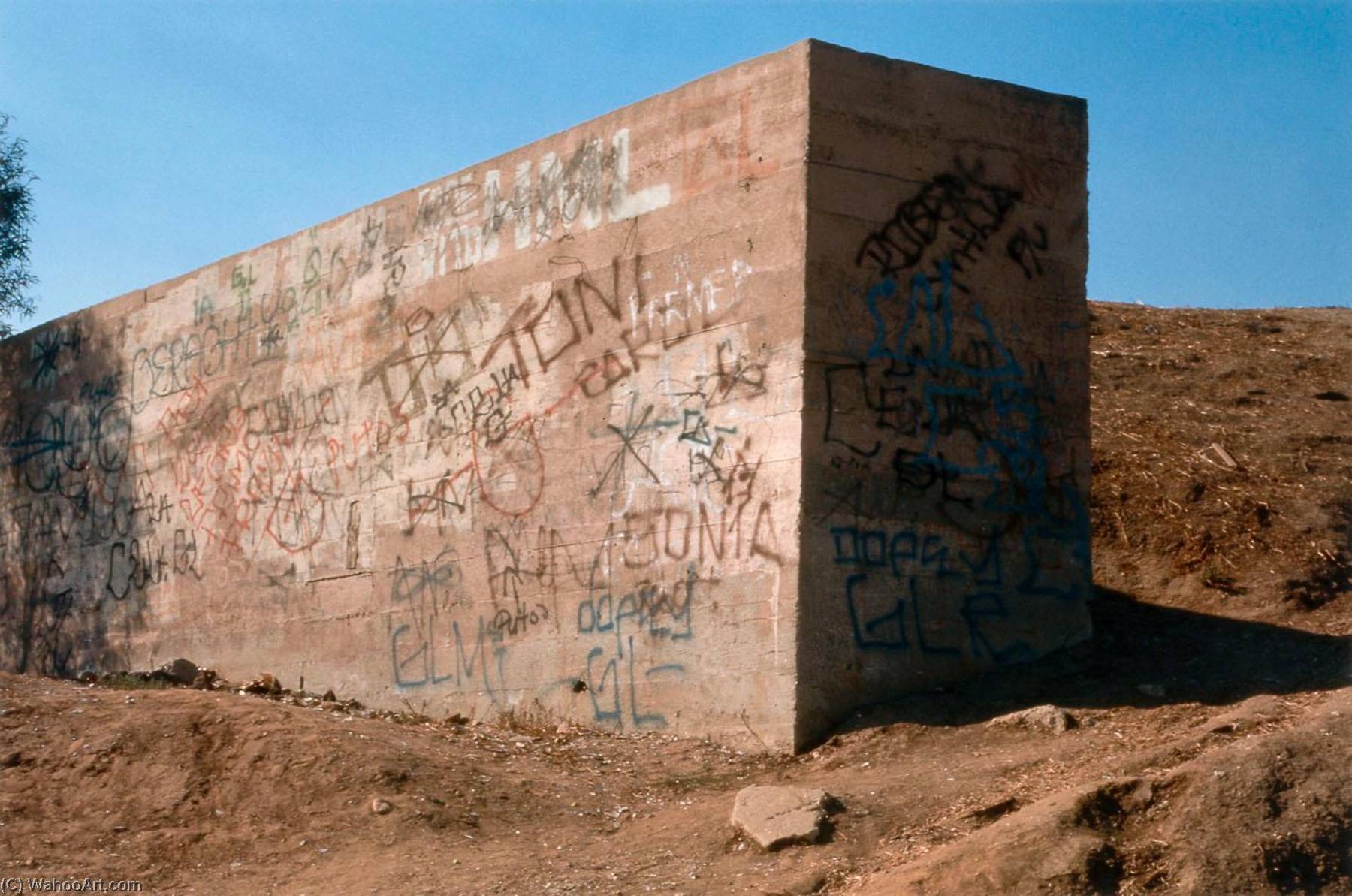
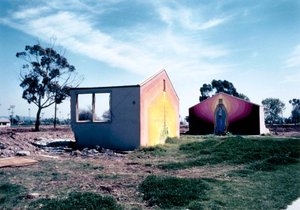
Geraghty Wall in East Los Angeles
 Contemporary Realism
 2012
2012 43.0 x 56.0 cm
 詳細を見る
詳細を見る
ジークレー/アートプリント
迅速な制作と多彩な仕上げオプションを備えた、ミュージアムクオリティのジークレーまたはキャンバスプリント。 ( 手描きの絵画を購入 画像を購入)




































作品のオリジナル比率に合わせた、当店の規定サイズからお選びください。

特定のフレームやスペースに合わせて、ご自身でサイズを指定することも可能です。選択されたサイズが元の画像の比率と一致しない場合、作品をトリミングするか、鏡面反射または単色での塗りつぶしによって画像を拡張いたします。制作を開始する前に、ご確認用のデジタルモックアップをお送りいたします。
画面上のプレビューには、実際のトリミングや拡張は反映されませんのでご注意ください。最終的な構図を正確に確認できるのは、モックアップのみとなります。
カスタムサイズも承っておりますが、元の比率を維持するためには、あらかじめ用意されたリストからサイズを選択することをお勧めいたします。


 ガラスオプションは、110cm未満のサイズでのみご利用いただけます。

Geraghty Wall in East Los Angeles
ジークレー/アートプリント
複製画のサイズ
-


合計金額
$ 62
関連作品
アーティストの略歴
Oscar R. Castillo: A Voice of the Border
Oscar R. Castillo’s work isn't merely visual; it’s a deeply felt resonance with the complexities and beauty of the borderlands – specifically, the region between McAllen, Texas, and Reynosa, Mexico. Born in 1945 to Mexican emigrant parents, Castillo’s identity is inextricably linked to this liminal space, a zone of cultural exchange, struggle, and profound human connection. His art isn't about documenting landscapes or events; it’s about embodying the spirit of that border – its contradictions, its resilience, and its quiet dignity.
Castillo’s early life was profoundly shaped by his upbringing in McAllen. Growing up immersed in both American and Mexican cultures fostered a unique perspective, one where he felt simultaneously “too American for Mexico, but too Mexican for the U.S.” This duality became a cornerstone of his artistic vision. He began seriously pursuing theater at age 14, initially drawn to the camaraderie and creative outlet it offered. His exposure to playwrights like Tanya Saracho, who would later become a prominent voice in television, ignited a passion for storytelling and shaped his approach to visual narrative. His formative years were also marked by an early fascination with film, particularly Carlito’s Way, which instilled in him a deep appreciation for the power of cinematic language and the ability of actors to embody complex characters.
The Roots of a Visual Voice
Castillo's artistic journey began with photography, initially as a way to capture the vibrant energy of his hometown. However, it was his time in the Marine Corps during the Vietnam War that truly solidified his commitment to visual storytelling. Stationed in Japan, he discovered a passion for manipulating light and shadow, experimenting with composition and capturing fleeting moments. This early exposure to photographic techniques laid the groundwork for his later development as a painter. Crucially, it was during this period that he began to document the social and political realities of the Chicano movement, creating powerful images that captured the spirit of protest and resistance.
His work from this era—often depicting rallies, demonstrations, and everyday life within the Chicano community—stands as a vital historical record. Unlike many photographers who sought to portray the movement through heroic narratives, Castillo’s photographs were raw, intimate, and unflinchingly honest. He wasn't interested in glorifying violence or celebrating victory; he wanted to capture the human cost of struggle, the quiet dignity of those fighting for their rights. These images, largely unseen during his lifetime, are now recognized as essential documents of a pivotal period in American history.
A Painter’s Palette: Influences and Technique
Castillo's transition to painting reflects a deepening engagement with Mexican culture and a desire to move beyond the constraints of photographic representation. He draws heavily from the traditions of Oaxacan painting, particularly its emphasis on vibrant color, symbolic imagery, and a sense of mysticism. His work is characterized by bold brushstrokes, rich pigments, and a deliberate layering of textures—a technique that creates a tactile quality reminiscent of traditional Mexican folk art.
However, Castillo’s style isn't simply an imitation of Oaxacan painting; it’s a unique synthesis of influences. He incorporates elements of European realism alongside the symbolism and iconography of Mexican culture, creating images that are both deeply personal and universally resonant. His use of color is particularly striking—he employs a palette of intense reds, yellows, and blues to evoke the heat and vibrancy of the borderlands, while also suggesting a sense of mystery and spirituality.
Legacy and Recognition
Oscar R. Castillo’s work has gained increasing recognition in recent years, thanks in part to the efforts of institutions like the Smithsonian American Art Museum and Pomona College's Cuentos project. His paintings are now exhibited in galleries and museums across the United States and Mexico, and his images have been featured in numerous publications. His legacy extends beyond his artistic achievements; he is also a respected educator and mentor, inspiring generations of young artists to explore their own cultural identities through visual expression.
Castillo’s art serves as a powerful reminder of the importance of preserving and celebrating diverse voices—particularly those from marginalized communities. His work challenges viewers to confront uncomfortable truths about history, identity, and social justice, while also offering a glimpse into the beauty and resilience of the human spirit. He is not just an artist; he’s a chronicler, a storyteller, and a vital voice for the borderlands.
基本情報
- Artistic Movement Or Style: Contemporary Painting
- Artists Or Movements Influenced By This Artist:
- European painting
- Nuyorican Poets Cafe
- Artists Who Influenced This Artist:
- Stevie Wonder
- Celia Cruz
- Oscar D'León
- Full Name: Oscar R. Castillo
- Nationality: Mexican-American
- Notable Artworks:
- Plaza de la Raza
- Border Stories
- Place Of Birth: El Paso, TX, USA
関連記事
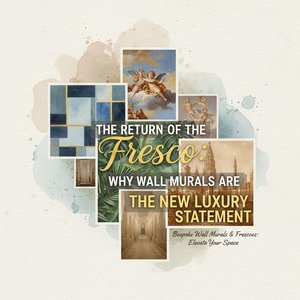
高級デザインにおけるフレスコ画の隆盛:壁画芸術の再興と新たな表現
ホテルデザインを格上げするフレスコ画の魅力とは?古代から現代までの歴史、技法、デザインプロセスを解説。ArtsDot.comでカスタムオーダーも可能です。空間を彩る壁画芸術の世界をご体験ください。
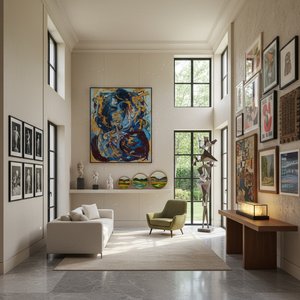
ヴェネツィア・ビエンナーレ厳選25作品:芸術と歴史が織りなす至高のコレクション | ArtsDot
ヴェネツィア・ビエンナーレの至宝25選。印象派から現代アートまで、名画の背景にある物語と芸術家の情熱を紐解きます。ArtsDotで、キャンバスアートや油絵複製をお楽しみください。今すぐコレクションをご覧ください。
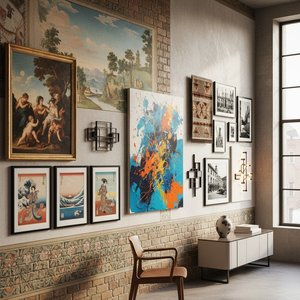
Transforming Spaces: A Comprehensive Exploration of Wall Decor Through Art History & Contemporary Practice
Explore the art of transforming spaces with our comprehensive guide to wall decor. From historical movements to contemporary trends, discover how to curate impactful interiors and commission bespoke artwork for a truly personalized aesthetic.
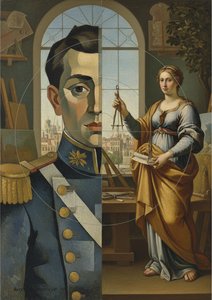
Roger de la Fresnaye: Cubism, Tradition & the Search for Order in Early 20th-Century French Painting
Explore the captivating world of Roger de la Fresnaye, a pivotal French Cubist painter. Discover his unique blend of tradition & modernity, influences, and lasting legacy with ArtsDot.
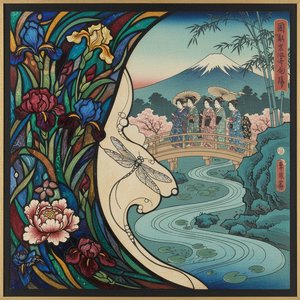
John La Farge: Pioneering American Colorism & Japonisme's Influence
Explore the groundbreaking work of John La Farge, a pioneer of American colorism and stained glass. Discover his captivating Japonisme-inspired murals & lasting legacy in 19th-century art. Expert insights for collectors.