

 プレビュー
プレビュー
 プリントを購入
 シェアする
シェアする シェアする
シェアする
 詳細を見る
詳細を見る

 ダウンロード
 似ている作品
 X線調査
X線調査 スライドショー
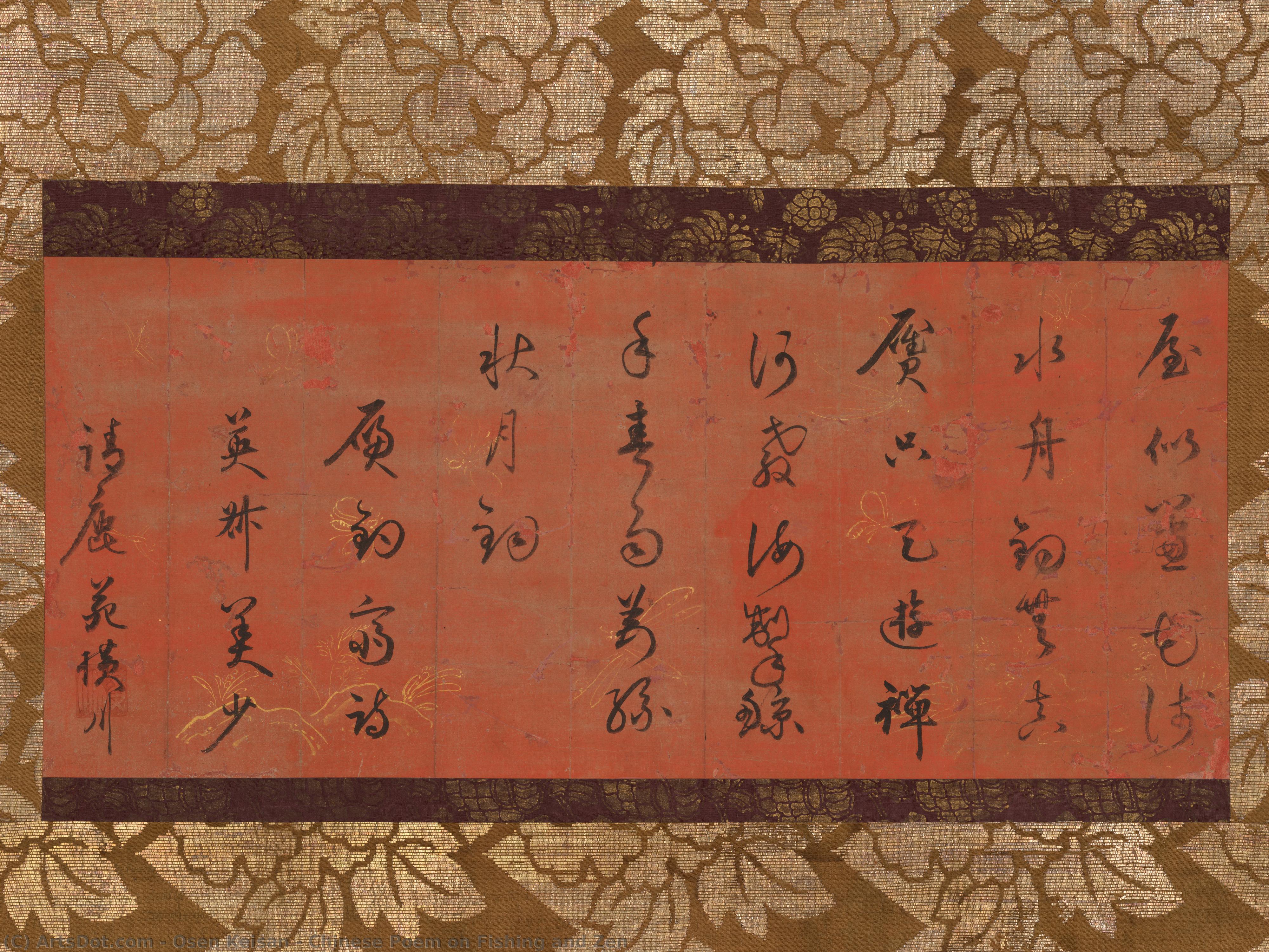
Chinese Poem on Fishing and Zen
 Ink On Paper
- Zen Calligraphy
 401
401- Early Modern
 22.0cm x 50.0cm
 詳細を見る
詳細を見る




P118B $10

P118H $10

P118W $10

P438Z $10

P508JH $12

P508YH $12

P805H $10

P805Z $10

P919BZ $10

P919G $10

P919XJ $10

P959ZH $10

P968JZ $12

W106C $8

W218G $10

W218JH $8

W218Y $10

W307PJ $10

W316G $10

W316PJ $8

W316Y $10

W398PJ $8

W4111J $10

W500HY $15

W500JH $15

W692G $12

W849H $8

W940BG $15

W953PJ $8




作品のオリジナル比率に合わせた、当店の規定サイズからお選びください。

特定のフレームやスペースに合わせて、ご希望のサイズをご入力いただけます。選択されたサイズが元の画像の比率と異なる場合、アートワークをトリミングするか、手描きで要素を追加して絵画を拡張いたします。デジタルモックアップ を制作し、制作開始前にご確認(承認)をいただきます。
画面上のプレビューは、実際のトリミングや拡張を正確に反映しているものではありません。最終的な構図は、モックアップによってのみ正確にご確認いただけます。
カスタムサイズもご利用いただけますが、元の比率を維持するためには、あらかじめ用意されたリストからサイズを選択することをお勧めいたします。
ご注文後、ArtsDot.com チームより詳細な指示をお送りするとともに、仕上がりイメージ(モックアップ)をご提供いたします。


 ガラスオプションは、110cm未満のサイズでのみご利用いただけます。

Chinese Poem on Fishing and Zen
複製技法
複製画のサイズ
-


合計金額
$ 263
A Poetic Convergence of Zen and Nature
In the delicate dance of ink upon vibrant, orange-red dyed paper, the Chinese Poem on Fishing and Zen offers a profound window into the spiritual landscape of late Edo-period Japan. Created by the eminent Zen monk-literatus Ōsen Keisan, this masterpiece is far more than a mere calligraphic exercise; it is a meditative journey captured in brushstrokes. The artwork presents a quatrain that weaves together the humble reality of a fisherman’s life with the expansive, infinite reaches of Buddhist philosophy. As the eye wanders across the flowing characters, one finds a world where a simple hut resembles a shallow-water skiff amidst reeds, and where the act of fishing becomes a metaphor for navigating the vast ocean of Buddhist Law. The piece invites the viewer to transcend the mundane, finding stillness in the rhythmic movement of the ink.
The technical mastery displayed in this work is nothing short of breathtaking. Keisan utilizes a sophisticated combination of standard, semi-cursive, and cursive scripts, creating a visual rhythm that mirrors the ebb and flow of water. Each stroke is executed with a flamboyant yet controlled energy, demonstrating the artist's absolute command over his medium. The choice of orange-red paper provides a warm, luminous backdrop that breathes life into the dark ink, while subtle gold accents lend an air of sacredness to the composition. This interplay of color and texture creates a sense of depth, making the calligraphy appear as though it is floating upon a sunset-lit river, much like the subject matter of the poem itself.
The Soul of the Literati Tradition
To understand this work, one must look to the historical context of the Gozan Bungaku culture. As a prominent figure within the Rinzai Zen sect and a confidant to the eighth Ashikaga shogun, Keisan was a bridge between the monastic world and the high literary salons of Kyoto. His ability to infuse classical Chinese poetic forms with the spontaneous spirit of Zen calligraphy reflects the intellectual sophistication of his era. The symbolism embedded within the text is deeply evocative: the use of fine spring rain as a fishing line and the crescent moon as a hook suggests a delicate, almost ethereal connection between the human spirit and the cosmos. It is an invitation to find the extraordinary within the ordinary.
For the discerning collector or interior designer, this reproduction serves as a powerful focal point that brings both tranquility and intellectual depth to a space. The artwork’s ability to balance intense visual warmth with meditative stillness makes it an ideal centerpiece for a study, a serene lounge, or a contemplative gallery setting. It does not merely decorate a wall; it commands the atmosphere, offering a continuous stream of inspiration for those who appreciate the profound intersection of fine art, ancient poetry, and spiritual wisdom. Owning such a piece is an opportunity to preserve a fragment of Japan's golden age of Zen literature and calligraphic excellence.
関連作品
アーティストの略歴
The Master of Meticulous Realism: The Life of Osen Keisan
In the vibrant cultural landscape of Japan’s late Edo period, few artists captured the quiet, breathing essence of the natural world as tenderly as Osen Keisan. Born in the bustling merchant city of Osaka in 1751, Keisan emerged during an era of profound artistic transition, a time when the rigid traditions of the past were beginning to bloom into new, more observational forms of expression. His life, spanning from the mid-eighteenth century to his passing in 1828, was dedicated to a pursuit of truth through the brush, seeking to bridge the gap between the seen world and the painted canvas with unparalleled precision.
The foundation of Keisan’s extraordinary talent was laid under the watchful eye of one of Japan's most influential masters, Maruyama Okyo. This apprenticeship was more than mere technical training; it was an immersion into a revolutionary way of seeing. From Okyo, Keisan inherited a devotion to the shasei style—a method centered on direct observation and naturalism. This mentorship instilled in him a profound respect for the subtle textures of life, teaching him that true beauty lies not in exaggeration, but in the delicate, faithful rendering of reality. As he matured, Keisan refined this inherited legacy, developing a signature touch that balanced scientific accuracy with a poetic, almost ethereal, grace.
A Symphony of Nature: Themes and Artistry
To gaze upon a work by Osen Keisan is to enter a sanctuary of stillness. His repertoire was a celebration of the organic, characterized by a meticulous attention to detail that commanded the viewer's full presence. He moved through his subjects with the ease of a naturalist, finding profound meaning in the simplest of forms. His artistry can be explored through several distinct yet harmonious lenses:
- The Breath of Landscapes: Keisan’s landscapes are far more than mere backdrops; they are atmospheric journeys. He possessed a rare ability to balance the structural realism of terrain with an aesthetic appeal that evokes the shifting light and seasonal moods of the Japanese countryside.
- Floral Elegance: In his floral compositions, every petal and stem is treated with reverence. His depictions of blossoms demonstrate not only a mastery of color but a deep botanical understanding, allowing the viewer to sense the very fragrance of the subject through the medium of ink and pigment.
- The Vitality of Avian Art: Perhaps nowhere is his skill more evident than in his paintings of birds. Keisan rendered feathers and sinew with such startling precision that his avian subjects seem poised to take flight from the silk or paper, capturing a sense of life and movement that transcends the static nature of art.
Legacy and Historical Significance
While Osen Keisan may not have achieved the global fame of some of his contemporaries outside the borders of Japan, his impact within the nation's artistic canon remains deeply significant. He stood as a vital link in the evolution of Japanese realism, contributing to a movement that moved away from stylized abstraction toward a more intimate connection with the physical world. His work helped define the aesthetic sensibilities of the late Edo period, influencing subsequent generations of artists who sought to capture the fleeting beauty of the natural realm.
Today, his legacy is preserved in prestigious institutions such as the Osaka City Museum of Fine Arts, where his works serve as a testament to his enduring mastery. When we look at his paintings, we see more than just historical artifacts; we see a lifelong dialogue between an artist and the world around him—a dialogue that continues to resonate with anyone who finds wonder in the intricate details of life. His contributions remain a cornerstone of Japanese art history, reminding us that there is infinite complexity to be found in a single flower or a solitary bird.
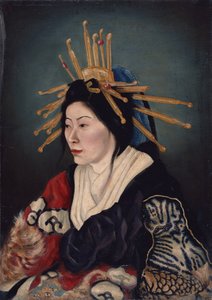
osen keisan
1751 - 1828 , Japan
基本情報
- Artistic Movement Or Style: English Rococo
- Artists Or Movements Influenced By This Artist:
- Romanticism
- Caricature
- Artists Who Influenced This Artist:
- Nicolas Poussin
- Claude Lorrain
- Date Of Birth: November 5, 1697
- Date Of Death: April 28, 1764
- Full Name: William Hogarth
- Nationality: British
- Notable Artworks:
- Beer Street and Gin Lane
- Marriage A-la-Mode
- A Rake's Progress
- Industry and Idleness
- Place Of Birth: London, England
関連記事
Golden Glow: How to Use Metallic Gold Artworks to Elevate Your Home Decor with Timeless Luxury
Discover how to elevate your home with the timeless elegance of metallic gold artworks. From sculptural metal pieces to gilded oil paintings, learn expert interior design tips for integrating luxurious gold accents into your space with sophistication and grace.

Crimson Threads of Narrative: Exploring Symbolism & Representation in Artworks Featuring the Red Dress
Explore the rich symbolism of the red dress in art history! From ancient power displays to iconic portraits like Cézanne’s 'Madame Cezanne', discover the cultural and artistic significance behind this captivating color. Expert analysis & insights.
マーク・ロスコ傑作25選:色彩が織りなす深遠な世界|ArtsDot
マーク・ロスコの傑作25選。抽象表現主義を代表する巨匠、色彩が織りなす深遠な世界を探求します。絵画の背景や技法、感動的なストーリーを紐解き、ArtsDotで高品質なアートプリントをお楽しみください。リビングやオフィスにモダンアートを飾るなら!

Golden Masterpieces: 10 Paintings That Define Art History | ArtsDot
Explore 10 breathtaking paintings where gold leaf shines! From Klimt to Byzantine icons, discover art history’s most gilded masterpieces. Find museum-quality reproductions & elevate your home decor with ArtsDot. Explore the full collection online.
Acrylic on Paper: A Modern Canvas for Contemporary Expression
Explore the versatility of acrylic painting on paper! Discover expert techniques, artist insights & archival practices for creating stunning contemporary art. Learn more at ArtsDot.

