

 プレビュー
プレビュー
 プリントを購入
 シェアする
シェアする シェアする
シェアする
 詳細を見る
詳細を見る

 ダウンロード
 似ている作品
 X線調査
X線調査 スライドショー
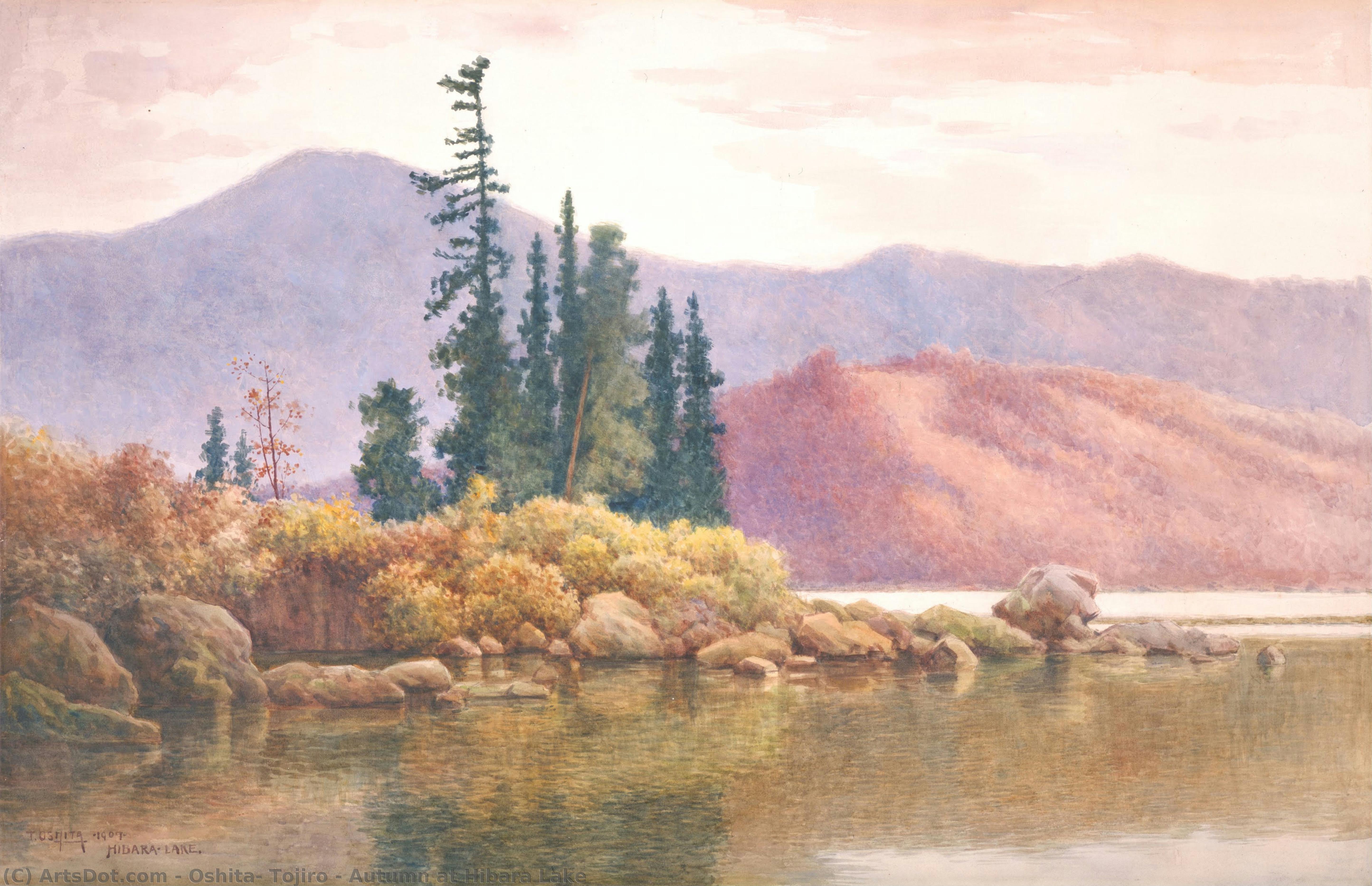
Autumn at Hibara Lake
 Impressionism
 97.0 x 61.0 cm
 Iwami Art Museum
 詳細を見る
詳細を見る
オンラインプレビューをはるかに凌ぐ、高解像度で鮮明なデジタル画像をご購入いただけます。
各ファイルは、社内の専門家が高度なツールと熟練した手作業によるレタッチを用いて、細心の注意を払って準備されています。すべての画像において、卓越した鮮明度、正確な色彩再現性、そして繊細なディテールを保証いたします。
最終ファイルは、プロフェッショナルな編集・印刷環境ですぐにご利用いただけるよう最適化された状態で、72時間以内にメールにてお届けいたします。これは、一流のデザインスタジオ、出版社、ギャラリーから信頼されているものと同等の品質です。
デジタル画像のご注文に付随する特典
高品質なデジタル画像配信を、確かな品質で。
ArtsDot.com を選ぶことは、単に画像を手に入れることではありません。それは、プロの手によって精密に仕上げられ、満足保証が付いた高品質なデジタルアートワークを受け取ることを意味します。ご注文いただいた際に自動的に付随する内容は、以下の通りです:

メールですぐにお届け
ご注文から72時間以内に、高解像度のデジタル画像ファイルがメールでお手元に届きます。すぐにそのままご利用いただけます。

AI技術で最適化されたデジタルファイル
お客様の作品は、高度なAIツールと専門家による手作業の編集を組み合わせてプロフェッショナルに最適化されており、細部のディテール、鮮明さ、そして正確な色再現性を最大限に引き出しています。

一生涯無料の再送サービス
ファイルを誤って削除したり、紛失してしまったりしましたか?ご安心ください。いつでも無料で再送いたします。

輸入手数料は一切かかりません
関税や手数料、配送料を気にすることなく、お気に入りのアートワークをすぐにお楽しみいただけます。デジタルダウンロードは常に免税です。

色彩再現の保証
プロ仕様のツールとカラーマネジメント技術を用いることで、デジタル画像が元の色を最大限に忠実に再現することを保証いたします。

60日間満足保証
ご購入いただいたデジタル画像にご満足いただけない場合は、60日以内であれば、修正または100%の返金(理由を問う必要はありません)をさせていただきます。

100% 返金保証
ご満足いただけない場合は、デジタルファイルを受け取ってから60日以内であれば、理由を問わず全額返金いたします。

まとめ買い割引
3枚購入で10%OFF - 5枚購入で15%OFF - 10枚以上購入で20%OFF。クリエイティブなプロジェクト、ギャラリー、エージェンシーに最適です。
関連作品




作家の略歴
Introduction: A Life Painted in Layers
Joan Mitchell (1925–1992) stands as a pivotal figure within the abstract expressionist movement, yet her artistic journey was profoundly shaped by a deeply personal and often turbulent life. Born in Chicago to a family steeped in artistic appreciation – attending symphonies, visiting museums, and engaging with poetry – Mitchell’s early exposure fostered a lifelong love of creative pursuits. However, this idyllic beginning was shadowed by the mental illness of her mother, creating an atmosphere of instability that profoundly influenced her perspective and ultimately fueled her distinctive visual language. Her formative years were spent in France, a period crucial to her artistic development as she moved away from representational art and embraced abstraction, experimenting with color and form in response to the landscapes and experiences of this new environment. Returning to New York in 1949, Mitchell quickly became integrated into the vibrant “New School” scene, exhibiting at the influential “9th Street Show” in 1951 – a watershed moment that firmly established her as one of the leading young Abstract Expressionist painters of her generation. Her work wasn’t merely about depicting external reality; it was an intensely internal exploration of emotion, memory, and the raw energy of experience.Early Influences and Artistic Development
Mitchell's artistic trajectory reveals a fascinating interplay between personal trauma and formal experimentation. The instability within her family life instilled in her a sensitivity to emotional currents – a quality that would become central to her painting style. Her early studies at the School of the Art Institute of Chicago provided a foundational understanding of technique, but it was her time in France that truly unlocked her artistic potential. Away from the constraints of traditional academic training, she began to explore color as a primary means of expression, moving beyond representational imagery and delving into the expressive possibilities of pure form and hue. Mitchell’s palette became increasingly bold and chromatic, reflecting not just external landscapes but also the intensity of her inner world. She was particularly drawn to the work of Wassily Kandinsky, whose theories on color and emotion profoundly influenced her approach to abstraction. Furthermore, she found inspiration in poetry – particularly the works of T.S. Eliot and Ezra Pound – which informed her use of fragmented imagery and evocative symbolism. Her paintings are not simply visual compositions; they are layered narratives, imbued with a sense of longing, melancholy, and ultimately, resilience.The Language of Color and Landscape
Joan Mitchell’s most distinctive characteristic was undoubtedly her masterful manipulation of color. She didn't merely apply paint to canvas; she used it as a vehicle for conveying complex emotions and psychological states. Her landscapes—often inspired by the American Southwest, particularly New Mexico—were not literal depictions but rather distilled expressions of atmosphere, mood, and feeling. Mitchell’s approach was deeply intuitive, relying on direct observation and an immediate response to the visual world. She would often work rapidly, layering colors with a loose, gestural brushstroke, allowing the paint itself to dictate the composition. Her color choices were rarely arbitrary; each hue carried a specific weight of meaning, evoking associations of memory, emotion, and personal experience. Critics have noted that her use of red, for example, frequently signified passion or danger, while blues and greens conveyed feelings of solitude or introspection. Mitchell’s landscapes are not static scenes but dynamic expressions of the artist's inner life, projected onto the external world.Legacy and Historical Significance
Joan Mitchell’s contribution to abstract expressionism extends beyond her individual paintings; she fundamentally shifted our understanding of what art could be. She demonstrated that abstraction could be a powerful tool for exploring deeply personal themes – trauma, memory, and the human condition – without resorting to representational imagery. Her work paved the way for subsequent generations of female artists who sought to challenge traditional artistic conventions and express their unique perspectives. Mitchell’s influence can be seen in the work of countless contemporary painters, including Helen Frankenthaler, Lee Krasner, and many others. Her paintings continue to resonate with viewers today because they tap into universal human experiences – feelings of vulnerability, longing, and resilience—and invite us to engage with our own inner landscapes. She remains a vital voice within the history of art, reminding us that true artistic expression lies not in replicating reality but in revealing the complexities of the human spirit.
oshita, tojiro
1951 - , Japan
プロフィール概要
- Artistic Movement Or Style: Abstract Expressionism
- Artists Or Movements Influenced By This Artist:
- Pollock
- De Kooning
- Artists Who Influenced This Artist:
- Picasso
- Klee
- Matisse
- Date Of Birth: February 12, 1925
- Full Name: Joan Mitchell
- Nationality: American
- Notable Artworks:
- Untitled (1950)
- Red and Yellow
- Blue Hill
- Black Tree
- Place Of Birth: Chicago, USA

