

 プレビュー
プレビュー
 プリントを購入
 シェアする
シェアする シェアする
シェアする
 詳細を見る
詳細を見る

 ダウンロード
 似ている作品
 X線調査
X線調査 スライドショー
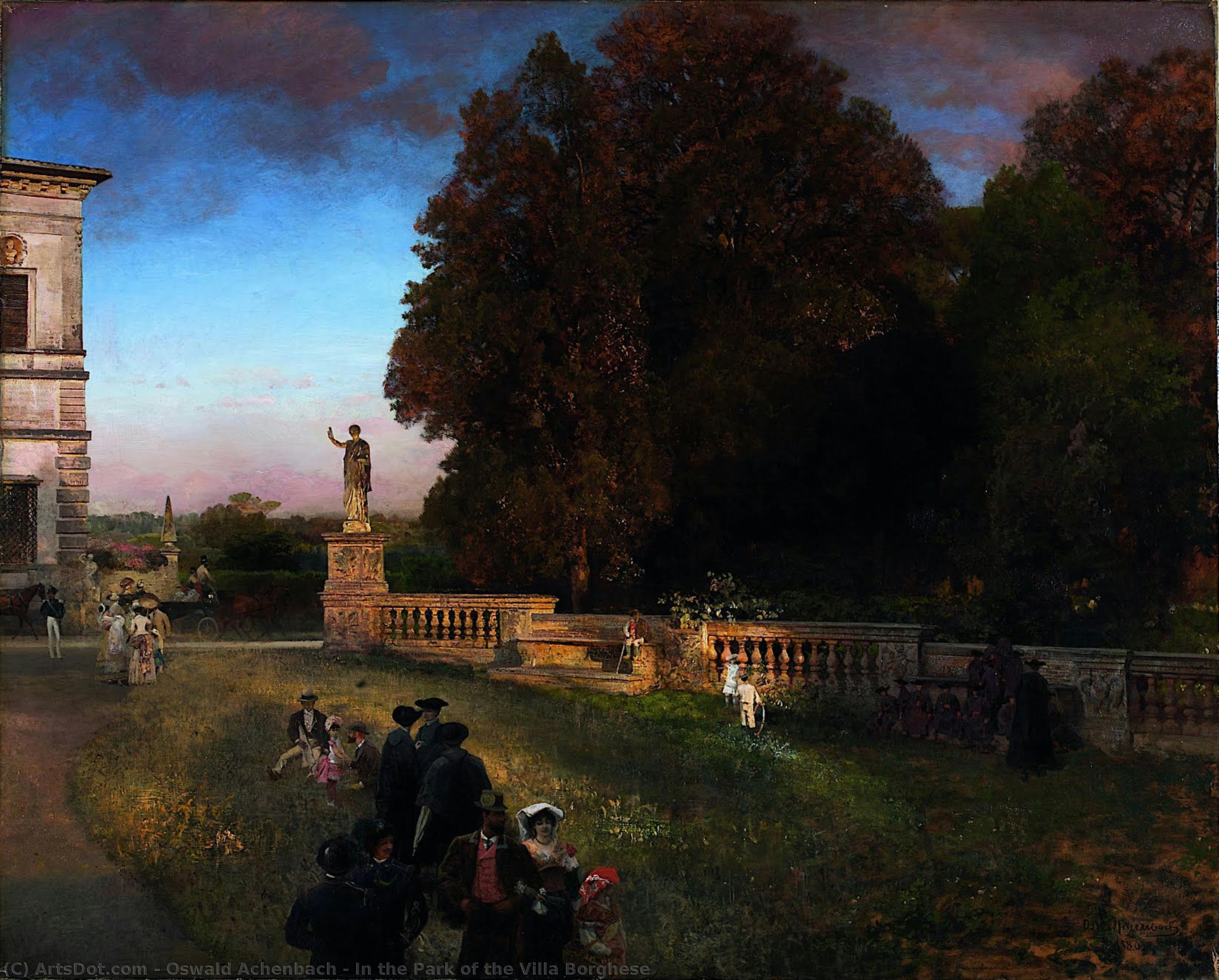
In the Park of the Villa Borghese
 Oil On Canvas
- WallArt
- Impressionist Landscape Painting
 1886
1886- 19th Century
 1520.0 x 1220.0 cm
 Kunstpalast
 詳細を見る
詳細を見る




P118B $10

P118H $10

P118W $10

P438Z $10

P508JH $12

P508YH $12

P805H $10

P805Z $10

P919BZ $10

P919G $10

P919XJ $10

P959ZH $10

P968JZ $12

W106C $8

W218G $10

W218JH $8

W218Y $10

W307PJ $10

W316G $10

W316PJ $8

W316Y $10

W398PJ $8

W4111J $10

W500HY $15

W500JH $15

W692G $12

W849H $8

W940BG $15

W953PJ $8




作品のオリジナル比率に合わせた、当店の規定サイズからお選びください。

特定のフレームやスペースに合わせて、ご希望のサイズをご入力いただけます。選択されたサイズが元の画像の比率と異なる場合、アートワークをトリミングするか、手描きで要素を追加して絵画を拡張いたします。デジタルモックアップ を制作し、制作開始前にご確認(承認)をいただきます。
画面上のプレビューは、実際のトリミングや拡張を正確に反映しているものではありません。最終的な構図は、モックアップによってのみ正確にご確認いただけます。
カスタムサイズもご利用いただけますが、元の比率を維持するためには、あらかじめ用意されたリストからサイズを選択することをお勧めいたします。
ご注文後、ArtsDot.com チームより詳細な指示をお送りするとともに、仕上がりイメージ(モックアップ)をご提供いたします。


 ガラスオプションは、110cm未満のサイズでのみご利用いただけます。

In the Park of the Villa Borghese
複製技法
複製画のサイズ
-


合計金額
$ 263
作品解説
Oswald Achenbach’s ‘In the Park of the Villa Borghese’: A Snapshot of Impressionist Rome
Oswald Achenbach's “In the Park of the Villa Borghese,” completed in 1886, offers a captivating glimpse into the heart of late 19th-century Roman life and represents a pivotal moment in the artist’s career. This expansive canvas, measuring an impressive 1520 x 1220 cm, isn't simply a depiction of a park scene; it’s a carefully constructed tableau brimming with atmosphere, light, and a subtle sense of detachment – hallmarks of Achenbach’s evolving artistic vision. Born in Düsseldorf in 1827, Achenbach was deeply rooted in the traditions of the Düsseldorf School, known for its rigorous approach to landscape painting and its emphasis on capturing the nuances of natural phenomena. However, his sojourn in Italy, particularly this trip culminating in this work, marked a significant shift toward Impressionistic sensibilities, evident in his bold brushwork and preoccupation with fleeting moments.
- A Moment Frozen in Time: The painting’s immediacy – often described as a “snapshot” – reflects the burgeoning influence of photography. Achenbach wasn't striving for photographic realism; instead, he sought to capture an *impression* of the scene, prioritizing feeling and atmosphere over precise detail.
- The Stagelage View: The composition deliberately directs the viewer’s eye beyond the immediate activity of the park visitors. The placement of the Casino – a prominent architectural feature – partially obscured and the figures largely turned away from the beholder creates a sense of distance, inviting contemplation rather than direct engagement.
- Light and Mood: Achenbach masterfully employs light to evoke a specific mood – that of late afternoon in Rome. The warm tones and diffused illumination contribute to a serene yet subtly melancholic atmosphere, characteristic of his approach to landscape painting.
Technique and Style: Impressionism’s Embrace
Achenbach's technique is characterized by loose, expressive brushstrokes – a deliberate departure from the meticulous detail favored by earlier generations of landscape painters. This impasto style, combined with his careful observation of light and color, aligns him squarely within the burgeoning movement of Impressionism. The painting’s vibrant palette, dominated by earthy tones punctuated by flashes of color in the clothing and foliage, further emphasizes this stylistic influence. The seemingly random placement of elements – the horses, the birds, the scattered figures – contributes to the overall sense of spontaneity and chance that defines the work.
- Brushwork: The visible brushstrokes are not merely a technical detail; they actively contribute to the painting’s dynamism and emotional impact.
- Color Palette: Achenbach's use of color is both harmonious and evocative, reflecting his understanding of light and shadow.
Historical Context and Symbolism
“In the Park of the Villa Borghese” was created during a period of significant artistic change in Europe. The rise of Impressionism challenged traditional academic conventions, paving the way for new approaches to representation. Achenbach’s work reflects this shift, demonstrating his willingness to experiment with form and color while retaining a strong connection to the landscape tradition. The painting's immediate success – it was sold almost immediately – underscores its resonance with contemporary audiences who appreciated its innovative style and evocative atmosphere. The preparatory oil sketch acquired by the Museum Kunstpalast in 2006 further highlights the importance of this piece within Achenbach’s oeuvre.
Emotional Impact and Artistic Legacy
More than just a picturesque scene, “In the Park of the Villa Borghese” invites viewers to contemplate themes of leisure, observation, and the fleeting nature of beauty. The painting's quiet dignity and atmospheric quality continue to resonate with audiences today, cementing Achenbach’s place as a significant figure in 19th-century German landscape art. This hand-painted reproduction offers an unparalleled opportunity to experience the full impact of this remarkable artwork, bringing its timeless charm into your home or studio.
関連作品




アーティストの略歴
風景に没入した生涯:オズワルド・アッヘンバッハの世界
今日の美術史において、同時代の他の画家たちほど即座にその名が想起されることはないかもしれませんが、オズワルド・アッヘンバッハは19世紀のヨーロッパ美術界において極めて重要な地位を占めていました。1827年にデュッセルドルフで生まれ、1905年にその生涯を閉じたアッヘンバッハの人生は、自然の写実的な描写と大気の表現に情熱を注いだ「デュッセルドルフ派」の芸術的潮流と深く結びついていました。彼は単なる風景画家ではありませんでした。彼は光、色彩、そして情景の中に宿る感情を解釈する表現者であり、とりわけイタリアの魅力に心を奪われました。その歩みは、アカデミックな基礎と反骨精神、家族による芸術的影響と個人の様式的な進化が織りなす物語です。アッヘンバッハの遺産はキャンバスの中だけに留まらず、名門デュッセルドルフ芸術アカデミーでの教授職を通じて、後世の世代に多大な影響を与えました。彼と弟のアンドレアスは、その分野における圧倒的な存在感から、親しみを込めて「風景画のアルファでありオメガ(始まりであり終わり)である」とも呼ばれました。これは、二人のイニシャルが象徴的な始まりと終わりを暗示していることへの、遊び心に満ちた敬意でもあったのです。初期のインスピレーションと芸術的形成
名高い風景画家へと至るアッヘンバッハの道は、決して家族の伝統によってあらかじめ定められていたわけではありませんでした。弟のアンドレアスも後に大きな名声を得ることになりますが、父の職業は醸造家、宿屋の経営者、簿記係など多岐にわたり、将来的な芸術的隆盛を予感させるものは乏しいものでした。幼少期にミュンヘンとデュッソルドルフの間を行き来した経験は、おそらく彼の中に場所への感覚と観察眼を植え付け、それが後の作品の定義となりました。驚くべきことに、アッヘンバッハはわずか8歳という幼さでデュッセルドルフ芸術アカデミーの初等クラスに入学しており、通常の入学年齢制限を回避してまで入学した事実は、彼の類まれな才能を物語っています。初期の学習は基礎的なデッサンや建築への短い探求に重点が置かれていましたが、転機となったのは1841年頃の、あえて正規の教育から離脱した決断でした。この決断によって、彼は自然の中に身を投じ、デュッセルドルフ周辺の風景を徹底的に独学で研究することが可能となったのです。こうした初期の探求が、彼の将来の芸術的試みの強固な土台となりました。イタリアでの覚醒と進化する様式
アッヘンバッハの芸術的旅路における決定的な転換点は、1843年のバイエルンおよびチロル地方への旅、そして1845年に友人アルベルト・フラムと共に訪れた北イタリアへの変革的な旅によってもたらされました。これらの経験は、彼の全作品を通じて繰り返されるテーマとなる「イタリアの風景」への生涯にわたる情熱に火を付けました。この時期の初期作品は、技術的な熟練は見られるものの、当初はヨハン・ヴィルヘルム・シーリムやカール・ロットマンといった確立された画家たちの影響を反映しており、植物の細密な描写などアカデミックな原則に従ったものでした。しかし、アッヘンバッハはやがて独自の道を切り拓き始め、従来の慣習に固執することから脱却していきました。彼は大気の効果を強調し、鮮やかな色彩を用い、緻密な細部よりもむしろ光の「印象」を捉えることを優先するという、独特の様式を確立しました。この変化は、自然に対するより情緒的で主観的な解釈への移行を意味していたのです。慣習への挑戦と芸術的独立
同時代の多くの芸術家と同様に、アッヘンバッハもまたデュッセルドルフ芸術アカデミーの厳格な制約との葛藤の中にいました。彼は表現の新たな道を積極的に模索し、1848年に設立された「相互扶助のためのデュッセルドルフ芸術家協会」や「マルカステン(絵具箱)」といった、影響力のある二つのデュッセルドルフ派結社に初期メンバーとして加わりました。これらのグループは、アカデミーの管理外で活動する芸術家たちにとって不可欠なプラットフォームとなり、展覧会や演劇、音楽イベントを通じて交流を促進しました。アッヘンバッハの積極的な参加は、制度的な制約から解放され、革新が花開くことができる独立した芸術コミュニティへの彼の献身を示していました。1850年以降、エドゥアルト・シュルテのデュッセルドルフ・ギャラリーでの展覧会を通じて、彼のキャリアは大きな勢いを得ました。ここは既存の規範に挑む作品を披露するための極めて重要な場となりました。さらに、1850年のアルノルト・ベックリンらとのイタリア旅行は、彼の芸術的ビジョンを決定的なものにしました。彼は絵具を層状に重ねる技法を通じて色彩の印象と光の効果を捉えることに注力し、正確な再現よりも大気の情緒を優先させたのです。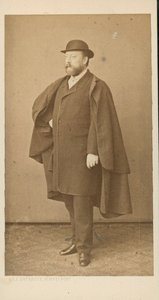
オズワルド・アヘンバッハ
1827 - 1905 , ドイツ
基本情報
- Artistic Movement Or Style: デュッセルドルフ派、ロマン主義
- Artists Or Movements Influenced By This Artist: デュッセルドルフ派の芸術家
- Artists Who Influenced This Artist:
- ヨハン・ヴィルヘルム・シマー
- カール・ロットマン
- Date Of Birth: 1827年2月2日
- Date Of Death: 1905年2月1日
- Full Name: オズワルド・アッヘンバッハ
- Nationality: ドイツ
- Notable Artworks:
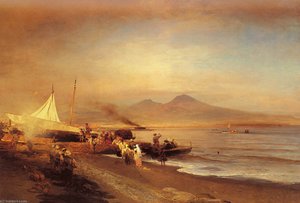
- ナポリ湾
- ナポリ湾の漁師
- ナポリの岸壁
- Place Of Birth: ドイツ、デュッセルドルフ
関連記事

Evocations of Place: A Historical Journey Through Landscape Art
Explore the rich history of landscape art with ArtsDot. Discover renowned artists, movements like Impressionism & Romanticism, and expert guidance for collecting timeless pieces. Find your perfect serene escape today!

Evocations of Place: A Historical Journey Through Landscape Art
Explore the rich history of landscape art with ArtsDot. Discover renowned artists, movements like Impressionism & tonalism, and expert guidance for collecting timeless pieces. Find your perfect serene escape today!

ポール・セザンヌ:至高の25選 - 傑作と革新の軌跡 | ArtsDot
ポール・セザンヌの至高の25選。ポスト印象派を代表する画家、セザンヌの傑作と革新的な技法を紐解きます。ArtsDotで高品質な複製画やインテリアアートを見つけ、芸術の世界をご自宅に。今すぐコレクションをご覧ください。

Impressionistic Landscapes: 10 Masterpieces That Changed Art & Decor
Journey into the heart of Impressionism! Explore 10 masterpieces by Monet, Renoir & Degas that revolutionized landscape art. Discover their stories, techniques & find museum-quality reproductions to elevate your home decor on ArtsDot.com.

ロマン派ランドスケープ:時代を彩る巨匠の10選|アートとインテリアの世界
ロマン派絵画の時代を彩る10選。巨匠たちの風景が織りなす感動の世界へ。ターナー、ルーベンスなど、名作の裏話と高精細複製でアートをお部屋に。ArtsDot.comで至福のアート体験を。

