 プレビュー
プレビュー
 プリントを購入
 シェアする
シェアする シェアする
シェアする
 詳細を見る
詳細を見る

 ダウンロード
 似ている作品
 X線調査
X線調査 スライドショー
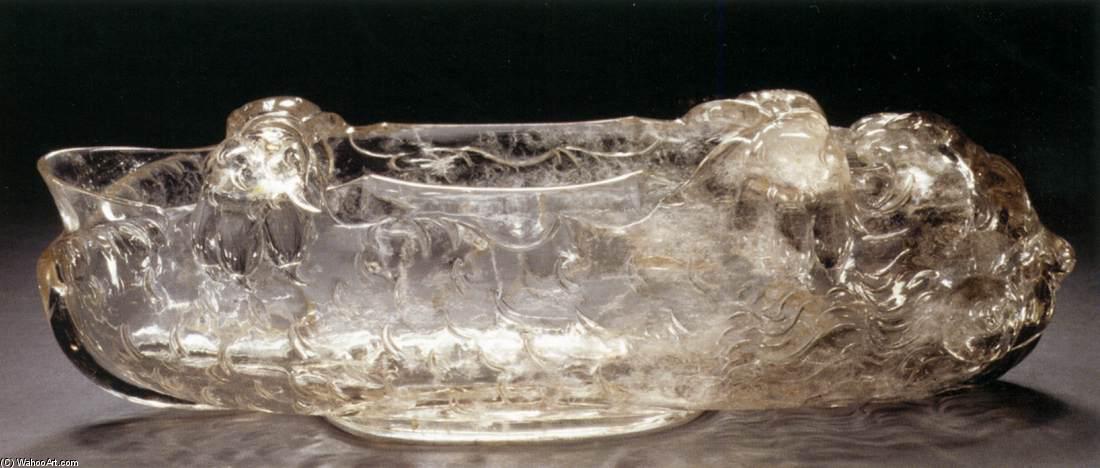
Bowl in the Form of a Lion Skin
 1590
1590 9.0 x 25.0 cm
 Kunsthistorisches Museum
 詳細を見る
詳細を見る




































作品のオリジナル比率に合わせた、当店の規定サイズからお選びください。

特定のフレームやスペースに合わせて、ご希望のサイズをご入力いただけます。選択されたサイズが元の画像の比率と異なる場合、アートワークをトリミングするか、手描きで要素を追加して絵画を拡張いたします。デジタルモックアップ を制作し、制作開始前にご確認(承認)をいただきます。
画面上のプレビューは、実際のトリミングや拡張を正確に反映しているものではありません。最終的な構図は、モックアップによってのみ正確にご確認いただけます。
カスタムサイズもご利用いただけますが、元の比率を維持するためには、あらかじめ用意されたリストからサイズを選択することをお勧めいたします。
ご注文後、ArtsDot.com チームより詳細な指示をお送りするとともに、仕上がりイメージ(モックアップ)をご提供いたします。


 ガラスオプションは、110cm未満のサイズでのみご利用いただけます。

Bowl in the Form of a Lion Skin
複製技法
複製画のサイズ
-


合計金額
$ 263
関連作品
アーティストの略歴
The Visionary Sculptor of the Bohemian Baroque
Ottavio Miseroni (1567–1624) stands as a singular, luminous figure in the artistic landscape of the late 16th and early 17th centuries. Born in Milan, he emerged from a prestigious lineage of artisans—the Miseroni family, whose reputation for lapidary excellence and goldsmithing stretched back through generations of Milanese masters. While his roots were firmly planted in the humanist traditions of Renaissance Italy, his creative spirit found its true home in the imperial splendor of Prague. As a court sculptor to Holy Roman Emperor Rudolf II, Miseroni became a pivotal architect of a new aesthetic, one that bridged the lingering, sophisticated tensions of Mannerism with the burgeoning, theatrical fervor of the Baroque.
His life and work represent a fascinating cultural migration, carrying the refined techniques of the Italian peninsula to the heart of Bohemia. In the intellectual crucible of Rudolfine Prague, an era defined by fervent patronage and an obsession with the fantastical, Miseroni flourished. He did not merely create objects; he crafted miniature worlds. His mastery of terracotta allowed him to transcend the rigid boundaries of classical sculpture, moving toward a style that prioritized emotional resonance and narrative complexity over strict anatomical realism. This transition marked a decisive rupture from the idealized Greco-Roman forms of his predecessors, favoring instead a dreamlike quality that captured the imagination of the European nobility.
A Mastery of Form and Fantasy
The essence of Miseroni’s genius lies in his ability to breathe life into clay through extraordinary imaginative grandeur. His repertoire was remarkably diverse, often featuring subjects that seemed plucked from the realms of myth and exploration. He possessed a unique talent for transforming humble terracotta into vessels of profound symbolic weight. To observe his work is to witness a dialogue between the tangible and the allegorical:
- The Natural World: His sculptures frequently featured animals imbued with deep symbolic significance, ranging from the regal power of lions to more whimsical, fantastical creatures that populated the courtly imagination.
- Maritime Ambition: Through his intricate depictions of ships, Miseroni captured the era's spirit of discovery and the boundless ambition of an age of exploration.
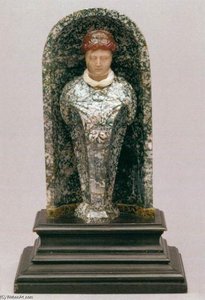
- Human Emotion: In works such as “Herm in a Niche,” he demonstrated a profound ability to render human figures with palpable psychological depth, using the medium to convey contemplation, faith, and even melancholy.
Technically, Miseroni was a master of texture and detail. He utilized the malleability of terracotta to achieve a level of intricacy that rivaled the metalwork of his family's famous workshops. His ability to manipulate low relief and create polished, smooth surfaces allowed him to play with light and shadow, much like a painter, adding a sense of movement and dynamism to even his most static compositions.
Legacy and Historical Significance
The historical significance of Ottavio Miseroni extends far beyond the borders of Bohemia. He was a key protagonist in the development of a pan-European style that would eventually define the Baroque era. By integrating the intellectual rigor of Milanese humanism with the dramatic, emotive requirements of the Imperial court, he helped forge an artistic language that spoke to both the intellect and the senses. His work served as a vital vehicle for conveying imperial authority and religious devotion, making his sculptures essential components of the visual propaganda used by the Habsburgs.
Though much of his biographical detail remains shrouded in the mists of time, his legacy is indelibly etched into the great collections of the world. From the “Bowl in the Form of a Lion Skin” to his celebrated maritime vessels, Miseroni’s creations continue to captivate modern audiences with their whimsical elegance and technical brilliance. He remains a testament to the power of artistic innovation—a sculptor who took the traditions of his ancestors and reshaped them into something entirely new, vibrant, and eternally enchanting.
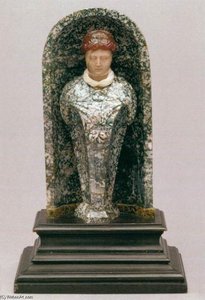
ottavio miseroni
1567 - 1624 , Italy
基本情報
- Artistic Movement Or Style: Bohemian Baroque
- Artists Or Movements Influenced By This Artist: ['']
- Artists Who Influenced This Artist: ['']
- Date Of Birth: 1567
- Full Name: Ottavio Miseroni
- Nationality: Italian
- Notable Artworks:
- Herm in a Niche
- Bowl in the Form of a Lion Skin
- Bowl in the Form of a Ship
- Place Of Birth: Milan, Italy